Old Maps of White Oak, North Carolina for Academic Research
Study the evolution of White Oak with 32 high-resolution historic maps. Whether you're teaching, researching, or modeling changes in land use, these maps provide essential visual documentation of urban, environmental, and geographic change.
- Analyze long-term change: Track patterns in development, transportation, and natural features.
- Ideal for environmental or urban studies: Support academic projects with primary historical map data.
- Use in the classroom or lab: Educators and researchers rely on these maps to bring historical context to life.
These maps are a powerful tool for teaching, research, and visualizing how White Oak has changed over the decades.
White Oak, NC maps
(32)- 1953 Map of Florence, 1964 Print
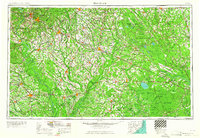 1953 Florence1964 Print · USGSThe Carolina borderlands in the mid-fifties were a landscape of vast river swamps and rising rail towns. Trace the legacy of the Seaboard Air Line through Florence or explore the wetlands surrounding Lake Waccamaw and the Green Swamp.3 unique versions available
 - 1954 Map of Florence
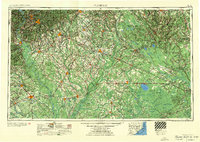 1954 Florence1954 Print · USGSThe Carolinas borderlands come alive in the early fifties, showing the vital rail-and-river networks of the coastal plain. Genealogists can trace family footprints across the Green Swamp or through settlements like Red Springs, Chadbourn, and McColl.
 - 1955 Map of Elizabethtown, 1958 Print
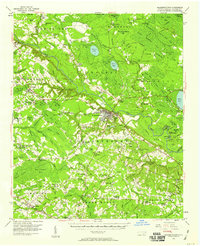 1955 Elizabethtown1958 Print · USGSBladen County's landscape in the mid-1950s reveals a network of rural communities and unique Carolina Bays. Genealogists can trace family landmarks like Wesley Chapel, Washington High Sch, and the Seaboard Air Line rail stops.2 unique versions available
 - 1957 Map of Bladenboro, 1958 Print
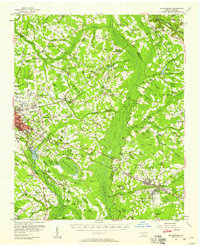 1957 Bladenboro1958 Print · USGSCoastal plain swamp lands and small railroad towns meet in the 1950s along the border of Robeson and Bladen counties. Genealogists can trace family landmarks like Floyd Temple Ch, the Littlefield High Sch, and the historic path of the Old Stage Road.
 - 1959 Map of Roseboro, 1960 Print
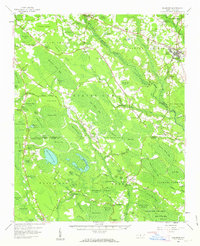 1959 Roseboro1960 Print · USGSSampson and Bladen Counties appear here in the late fifties, showcasing a unique geography of elliptical bays and vast swamps. Local historians can locate the Cedar Grove Lookout Tower, trace the railroad through Roseboro, or find family sites near Dove Chapel and Simmons Mill Pond.2 unique versions available
 - 1959 Map of Saint Pauls, 1961 Print
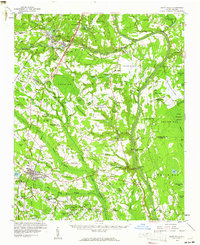 1959 Saint Pauls1961 Print · USGSThe rural stretches of Cumberland and Robeson counties are captured here in the late fifties, showing a landscape defined by the Cape Fear River and its rail networks. Researchers can trace numerous country landmarks like Antioch Ch, Spring Hill Cem, and the timber bay of Gallberry Bay.2 unique versions available
 - 1982 Map of Elizabethtown, 1983 Print
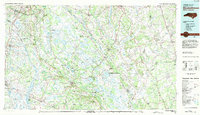 1982 Elizabethtown1983 Print · USGSSoutheastern North Carolina's coastal plain is captured here in the early eighties, showcasing a landscape defined by the Cape Fear River and mysterious Carolina Bays. Genealogists and researchers can trace the rail network of the Seaboard Coast Line through rural communities like Autryville, Ivanhoe, and the recreational hub of White Lake.
 - 1986 Map of Tar Heel, 1987 Print
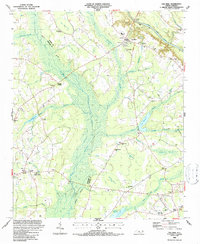 1986 Tar Heel1987 Print · USGSThe riverfront at Tar Heel Landing and the wetlands of the Carolina bays define this coastal plain landscape in the mid-1980s. Genealogists can trace family landmarks and community hubs like Old Pait Cem, Beth Car Ch, and Mayville Crossing.
 - 1986 Map of Duart, 1987 Print
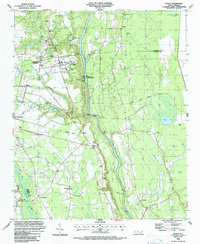 1986 Duart1987 Print · USGSCoastal plain settlements near the Cape Fear River are captured here in the mid-1980s, showcasing a landscape of managed waterways and rural crossroads. Researchers can locate local landmarks like Millars Chapel, the William O Huske Lock and Dam No 3, and family burial grounds such as Wills Creek Cem.
 - 1987 Map of Jerome
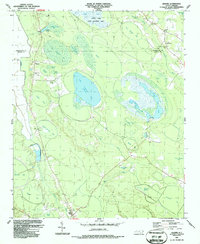 1987 Jerome1987 Print · USGSCoastal plain wetlands and the unique Carolina Bays characterize the Bladen County interior in the late eighties. Researchers can trace rural settlement patterns near Jerome and White Oak, locating historic congregations at China Grove Ch and Dove Chapel.
 - 1987 Map of Dublin
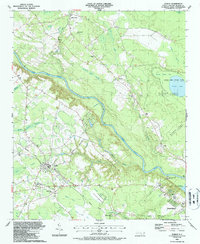 1987 Dublin1987 Print · USGSBladen County in the late eighties is defined by its Carolina bays and the winding Cape Fear River. Genealogists and local historians can trace rural landmarks from the Old Railroad Grade to historic congregations like Bethel Ch and Harrison Creek Ch.
 - 2002 Map of Jerome
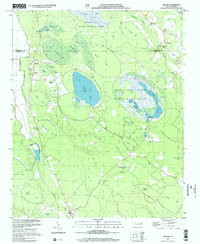 2002 Jerome2002 Print · USGSBladen County at the turn of the millennium shows a landscape of protected wetlands and rural congregations. Trace local history through family-named bays and churches like Sharon Ch, China Grove Ch, and the waters of Suggs Mill Pond.
 - 2010 Map of Duart, 2010 Print
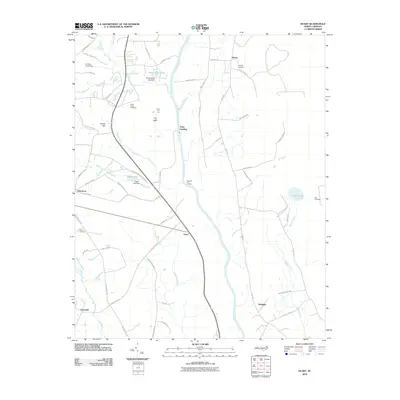 2010 Duart2010 Print · USGSCoastal plain settlements and river landings define this part of North Carolina during the early twenty-first century. Genealogists can locate family burial grounds like Boone Cemetery and Ellis Cemetery or trace the old paths near Tobermory and Newlight.
 - 2010 Map of Dublin, 2010 Print
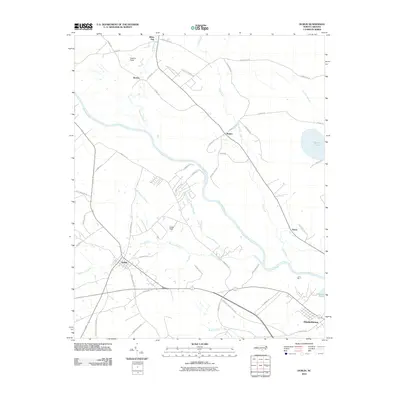 2010 Dublin2010 Print · USGSBladen County as it appeared a decade ago shows a landscape deeply tied to the Cape Fear River and its surrounding wetlands. Researchers can trace the rural communities of Dublin, White Oak, and Ruskin alongside landmarks like Salters Lake.
 - 2010 Map of Tar Heel, 2010 Print
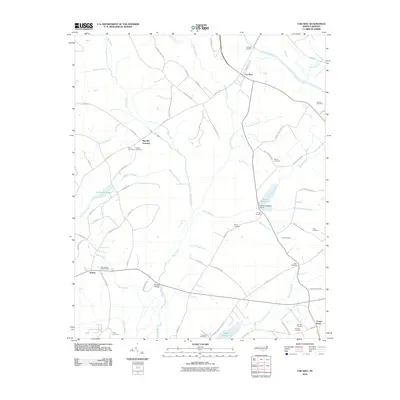 2010 Tar Heel2010 Print · USGSThe community of Tar Heel and its riverfront landing are captured here in the early twenty-first century, surrounded by the wetlands of Bladen County. Researchers can trace family history at Grimes Cemetery or locate landmarks like Bryan Millpond Dam and the East Robeson Lookout Tower.
 - 2010 Map of Jerome, 2010 Print
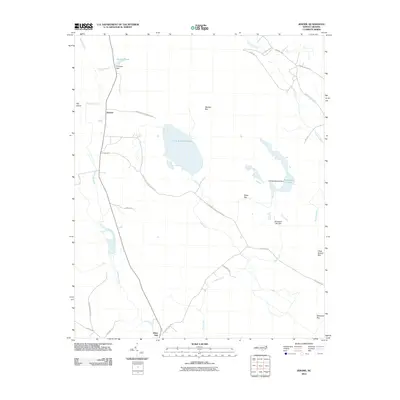 2010 Jerome2010 Print · USGSBladen County's unique Carolina Bay landscape is preserved here as it appeared in the early 2000s. Researchers can trace rural life and hydrology through features like Little Singletary Lake, the settlement of Jerome, and the wetlands of Marshy Bay.
 - 2013 Map of Dublin, 2013 Print
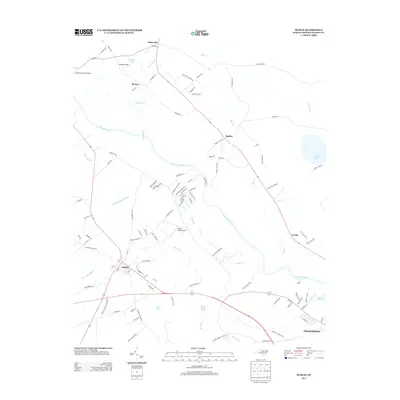 2013 Dublin2013 Print · USGSBladen County's riverine landscape is captured here in the early 2010s as it centers on the Cape Fear River corridor. Researchers can trace the rural road networks connecting Dublin and White Oak, while locating local landmarks like Salters Lake and McNeil Bay.
 - 2013 Map of Tar Heel, 2013 Print
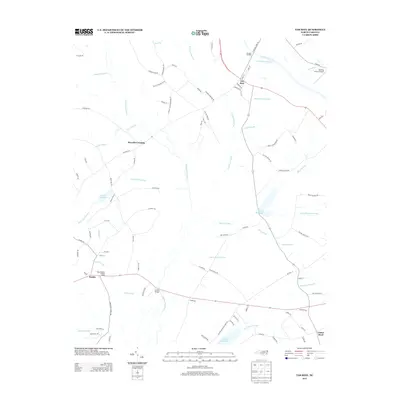 2013 Tar Heel2013 Print · USGSBladen County settlement and river life are captured here in the early twenty-first century. Genealogists and researchers can trace family-named landmarks and old mill sites such as Smiths Millpond, Tar Heel Landing, and Bryan Millpond along the river and swamps.
 - 2013 Map of Duart, 2013 Print
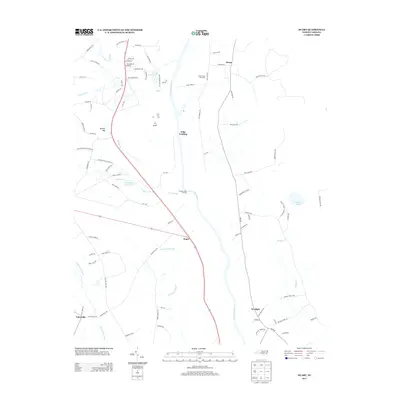 2013 Duart2013 Print · USGSThe Cape Fear River lowlands are captured here in the early twenty-first century, highlighting a landscape of river landings and extensive swamp drainage. Researchers can trace rural settlement patterns at Duart and Newlight or locate features like Tolar Landing and the Big Swamp Canal.
 - 2013 Map of Jerome, 2013 Print
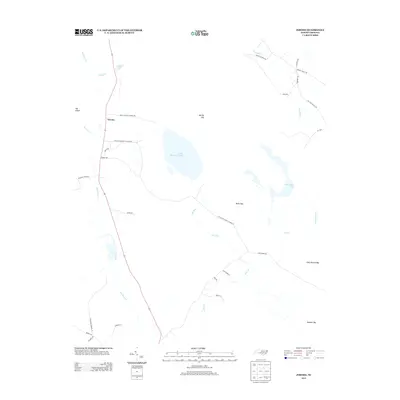 2013 Jerome2013 Print · USGSBladen County in the early twenty-first century remains a landscape of sprawling wetlands and quiet rural settlements. Genealogists and local historians can trace family land ties along Dennis Harold Simmons Rd or near Jessups Pond and Little Singletary Lake.
 - 2016 Map of Dublin, 2016 Print
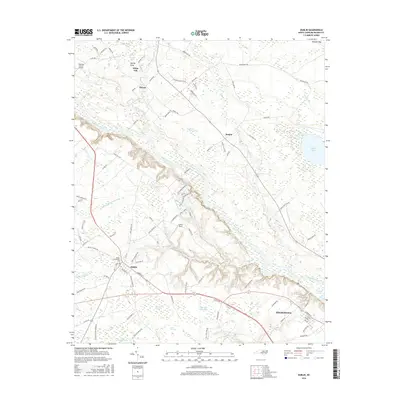 2016 Dublin2016 Print · USGSBladen County in the mid-2010s reveals a landscape defined by the winding Cape Fear River and unique Carolina Bay formations. Genealogists and local historians can trace family-named rural routes and landmarks from White Oak to Elizabethtown, including Paris Millpond and Bladen Community Coll.
 - 2016 Map of Duart, 2016 Print
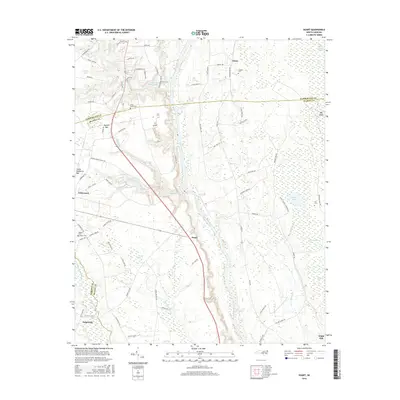 2016 Duart2016 Print · USGSThe rural crossing at Duart and the banks of the Cape Fear River define this North Carolina landscape in the mid-2010s. Researchers can trace family history through numerous burial sites like Willis Creek Cem and Cogdell Cem.
 - 2016 Map of Jerome, 2016 Print
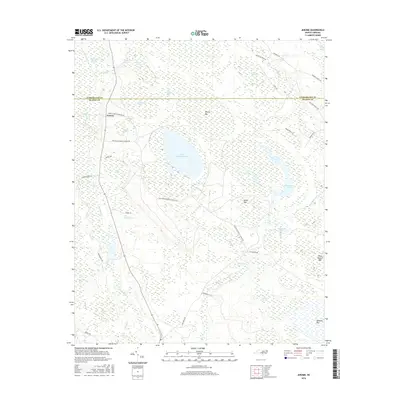 2016 Jerome2016 Print · USGSCoastal plain wetlands and Carolina Bays dominate this landscape on the Bladen and Cumberland county line in the mid-2010s. Researchers can trace rural roads and water features like Little Singletary Lake, Jerome, and the expansive Marshy Bay.
 - 2016 Map of Tar Heel, 2016 Print
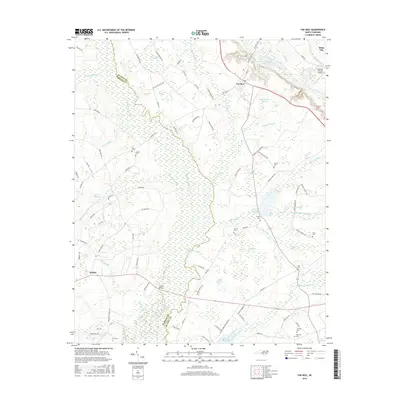 2016 Tar Heel2016 Print · USGSCoastal plain agriculture and riverine history converge here in the mid-2010s, where the Cape Fear River meets a vast network of swamps. Genealogists can trace family roots through numerous burial sites like Old Pait Cem or locate old industrial markers like Smiths Millpond.
 - 2019 Map of Tar Heel, 2019 Print
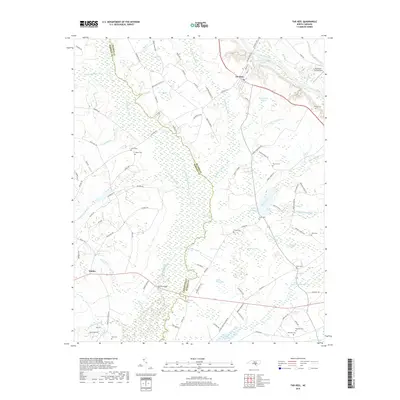 2019 Tar Heel2019 Print · USGSThe Cape Fear River lowlands and the border of Bladen and Robeson counties are captured here in the late twenty-teens. Family history researchers can trace numerous local burial grounds like Burney Cem and Hursey Cem alongside the waters of Goodman Swamp.
Showing maps 1-25 of 32
Top cities near White Oak
- Hope Mills historical maps
- Elizabethtown historical maps
- Bladenboro historical maps
- Roseboro historical maps
- White Lake historical maps
- Butters historical maps
See more
Top neighborhoods of White Oak
Frequently asked questions
- What are the different types of historical maps available for White Oak?
- What is the oldest map of White Oak?
- Where can I purchase historical maps of White Oak for my home or office?
- Where can I download high-res historical maps of White Oak?
- Are there historical topographic maps available for White Oak?
- Is there historical aerial imagery available for White Oak?
- Where are historical maps of White Oak sourced from?