Old Maps of Conover, North Carolina for Academic Research
Study the evolution of Conover with 26 high-resolution historic maps. Whether you're teaching, researching, or modeling changes in land use, these maps provide essential visual documentation of urban, environmental, and geographic change.
- Analyze long-term change: Track patterns in development, transportation, and natural features.
- Ideal for environmental or urban studies: Support academic projects with primary historical map data.
- Use in the classroom or lab: Educators and researchers rely on these maps to bring historical context to life.
These maps are a powerful tool for teaching, research, and visualizing how Conover has changed over the decades.
Conover, NC maps
(26)- 1895 Map of Hickory
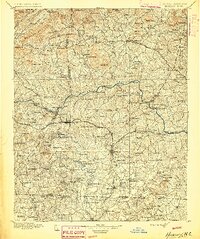 1895 Hickory1895 Print · USGSThe North Carolina foothills come alive in the late nineteenth century as the rail lines reached Hickory and Newton. Genealogists can trace family roots through numerous country landmarks like Tuttle's Store, Emmanuel Church, and Cloninger's Mill.5 unique versions available
 - 1953 Map of Charlotte, 1968 Print
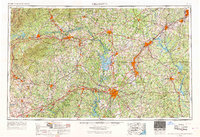 1953 Charlotte1968 Print · USGSThe North Carolina Piedmont and South Carolina borderlands are shown in detail during a period of significant growth and reservoir development. Trace the rail corridors of the Southern Railway or find family roots in towns like China Grove, Misenheimer, and Lincolnton.3 unique versions available
 - 1954 Map of Charlotte
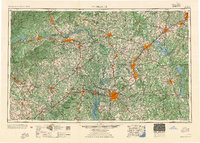 1954 Charlotte1954 Print · USGSThe North Carolina Piedmont in the mid-1950s shows a region of rapid growth and industrial expansion centered around Charlotte. Trace the era's infrastructure through the Southern railroad lines and locate significant landmarks like the Charlotte Naval Ammunition Depot and Lake Norman.2 unique versions available
 - 1960 Map of Charlotte
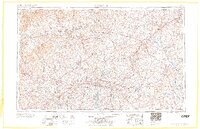 1960 Charlotte1960 Print · USGSMid-century North Carolina and South Carolina meet in this 1960 survey of the Piedmont's industrial and textile heartland. Trace the growth of Charlotte alongside historic landmarks like Kings Mountain National Military Park and the Charlotte Naval Ammunition Depot.2 unique versions available
 - 1962 Map of Charlotte
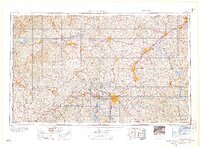 1962 Charlotte1962 Print · USGSThe North Carolina Piedmont in the early sixties showcases a landscape transformed by massive reservoirs and industrial growth. Researchers can trace the development of Lake Norman, locate the Charlotte Naval Ammunition Depot, or find family landmarks like Wesley Chapel and Brown & Norcott Mills.
 - 1970 Map of Newton, 1973 Print
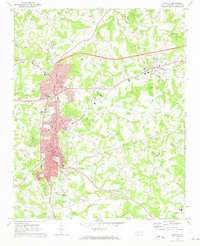 1970 Newton1973 Print · USGSCatawba County's industrial and civic heart comes into focus during the early seventies as expansion connects the rail-side communities. Genealogists and historians can trace numerous rural landmarks, from Old St Pauls Ch and Eastview Cem to the halls of Newton-Conover High Sch.
 - 1970 Map of Hickory, 1973 Print
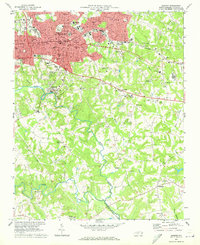 1970 Hickory1973 Print · USGSHickory and its surrounding Catawba County communities are captured here during a period of steady southward growth in the early seventies. Genealogists and local historians can trace family-named sites like Old Robinson Cem, Coulters Grove Ch, and the grounds of Lenoir Rhyne College.
 - 1970 Map of Millersville, 1973 Print
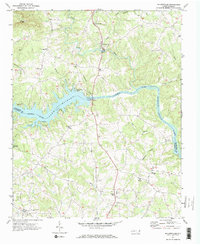 1970 Millersville1973 Print · USGSIn the early 1970s, the Catawba River valley around the Alexander and Catawba county line saw a mix of industrial utility and new recreation. Local historians can trace family church sites like Bethel Ch and Oxford Ch alongside the industrial footprint of Oxford Dam.2 unique versions available
 - 1986 Map of Hickory
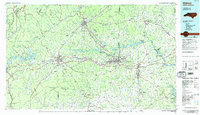 1986 Hickory1986 Print · USGSWestern North Carolina's foothills are seen here in the mid-eighties as textile and furniture towns flourished along the river. Trace the development of Hickory and Lenoir or locate local landmarks like Burke Chapel, Saw Mills, and Rhodhiss Lake.3 unique versions available
 - 1993 Map of Newton, 1996 Print
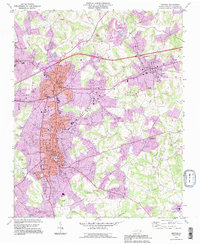 1993 Newton1996 Print · USGSCatawba County's urban and rural landscape is shown in detail during the mid-nineties as the towns of Newton and Conover expanded. Researchers can find numerous family-named churches and schools, including Old St Pauls Ch, Thornton Sch, and Smyre.
 - 1993 Map of Hickory, 1996 Print
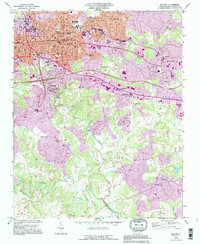 1993 Hickory1996 Print · USGSHickory and its surrounding Catawba County communities are captured here in the mid-1990s as the region experienced significant growth. Researchers can trace historic family burial sites at Old Robinson Cem or locate local landmarks like Lenoir Rhyne College and the Hickory Speedway.
 - 2010 Map of Newton, 2010 Print
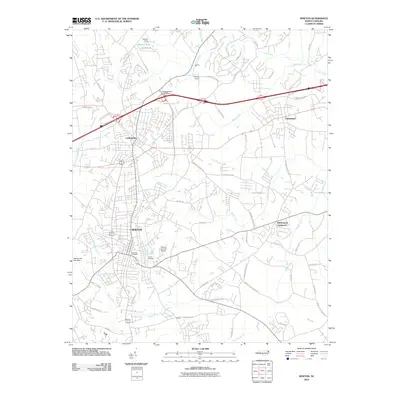 2010 Newton2010 Print · USGSCatawba County at the start of the 2010s shows a bustling corridor of urban growth between Newton and Conover. Genealogists and local historians can trace family plots at Eastview Cemetery or explore landmarks like Witherspoon Crossroad and Oxford Dam.
 - 2010 Map of Millersville, 2010 Print
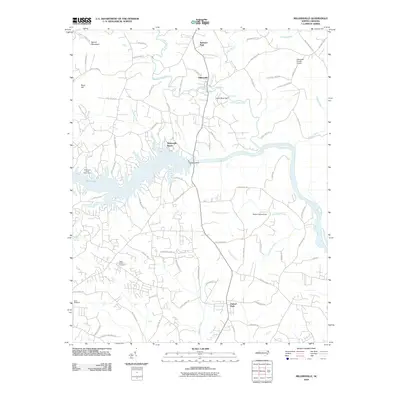 2010 Millersville2010 Print · USGSThe Catawba River valley in the early twenty-first century is defined by its massive dam projects and riverside communities. Genealogists and local historians can trace family landmarks and public spaces like Saint Lukes Cemetery, Isenhour Park, and the settlement of Millersville.
 - 2010 Map of Hickory, 2010 Print
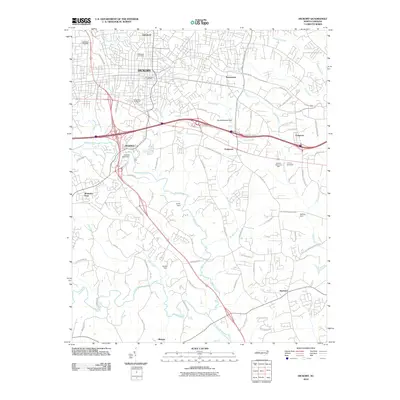 2010 Hickory2010 Print · USGSCatawba County in the early twenty-first century reveals a landscape shaped by industrial heritage and suburban expansion. Genealogists and historians can trace family locations near Oakwood Cemetery, Brookford, and the Shuford Mills Dam.
 - 2013 Map of Millersville, 2013 Print
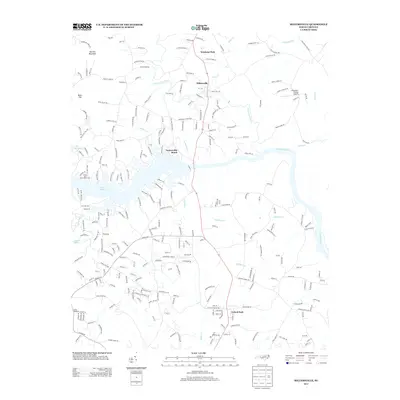 2013 Millersville2013 Print · USGSThe Catawba River valley north of Hickory shows a landscape of growing lakeside communities and rural ridges in the early twenty-first century. Researchers can trace family-named roads and landmarks like Millersville, the Alexander County Airport, and Barrett Mountain.
 - 2013 Map of Newton, 2013 Print
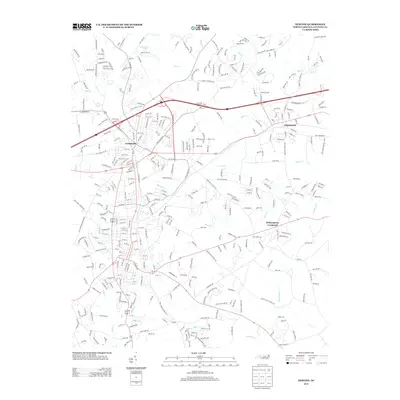 2013 Newton2013 Print · USGSCatawba County underwent significant suburban integration in the early 2000s as the corridor between Conover and Claremont matured. Local historians can trace family land via J A Yount Farm Rd or explore the drainage basins of McLin Creek and Bills Branch.
 - 2013 Map of Hickory, 2013 Print
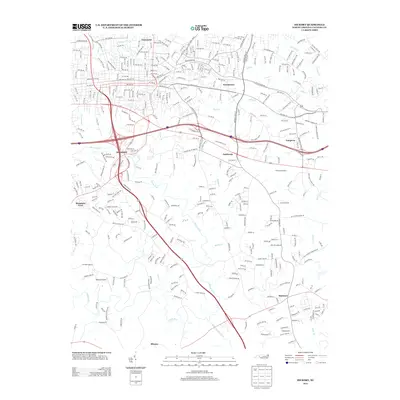 2013 Hickory2013 Print · USGSHickory and its surrounding Catawba County communities are shown here in the early twenty-first century as the region’s suburban and industrial landscapes expanded. Genealogists and local historians can trace family landmarks and neighborhood growth near the Hickory Speedway, Zion Church, and the settlement of Brookford.
 - 2016 Map of Millersville, 2016 Print
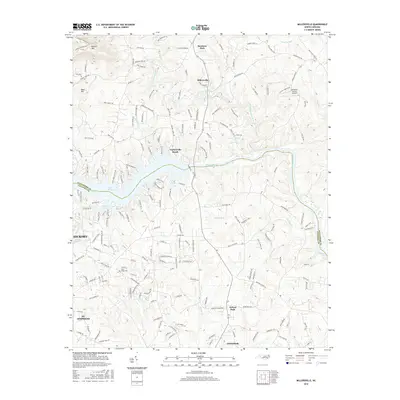 2016 Millersville2016 Print · USGSThe Catawba River valley north of Hickory shows its modern character in the 2010s, defined by the waters of Lake Hickory. Genealogists and researchers can trace rural development around Millersville, find Saint Lukes Cem, and locate the Alexander County Airport.
 - 2016 Map of Newton, 2016 Print
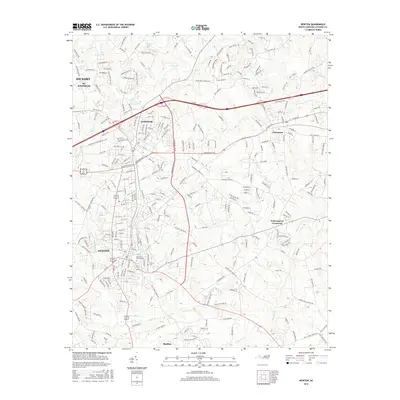 2016 Newton2016 Print · USGSCatawba County's industrial and residential corridors are clearly defined in this mid-2010s survey of the Piedmont. Researchers can trace local history through features like Eastview Cem School and the streets of Newton, Conover, and Maiden.
 - 2016 Map of Hickory, 2016 Print
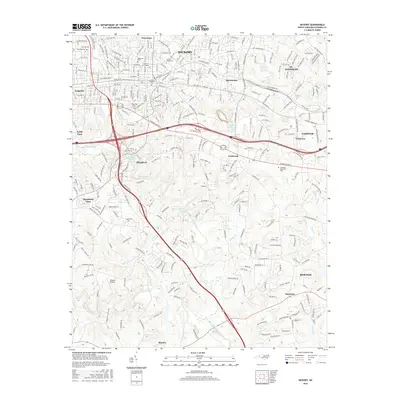 2016 Hickory2016 Print · USGSCatawba County's urban and industrial corridor is captured here during a period of modern growth. Genealogists and local historians can trace legacy sites like Oakwood Cem, the Lenoir Rhyne Univ campus, and the historic Zion Church near the river forks.
 - 2019 Map of Millersville, 2019 Print
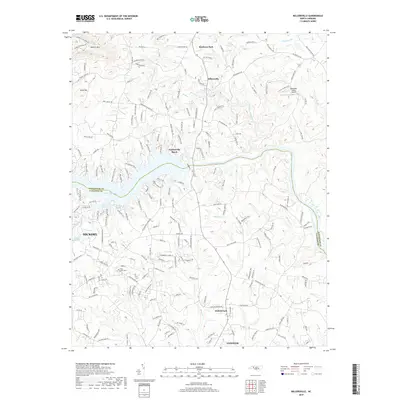 2019 Millersville2019 Print · USGSThe Catawba River valley in 2019 reveals the interface of growing suburban communities and the rugged geography of the Piedmont. Researchers can trace family sites near Saint Lukes Cem or explore the development around Lake Hickory and Millersville.
 - 2019 Map of Hickory, 2019 Print
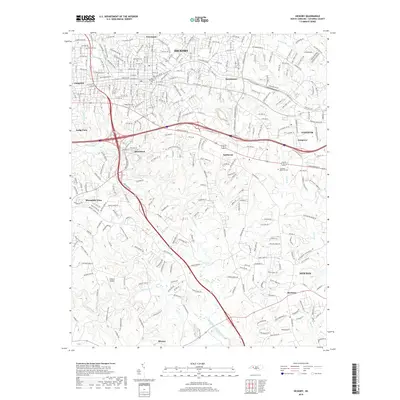 2019 Hickory2019 Print · USGSHickory and its surrounding Catawba County communities are shown here at the close of the 2010s, illustrating decades of suburban growth. Genealogists can locate family sites near Old Robinson Cem or trace the early settlement boundaries of Brookford and Startown.
 - 2019 Map of Newton, 2019 Print
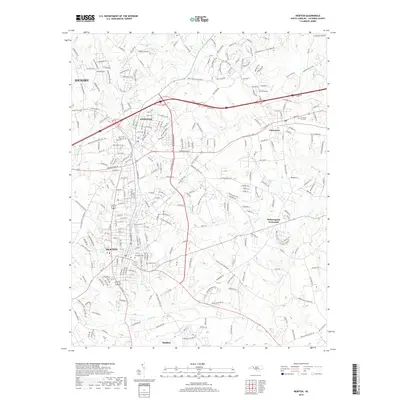 2019 Newton2019 Print · USGSCatawba County's industrial and residential corridors are on display here in the late twenty-tens, as the region between Hickory and Claremont continues to expand. Researchers can locate local landmarks like Eastview Cem and Witherspoon Crossroads while tracing the winding paths of Mull Cr and Lyle Cr.
 - 2022 Map of Millersville, 2022 Print
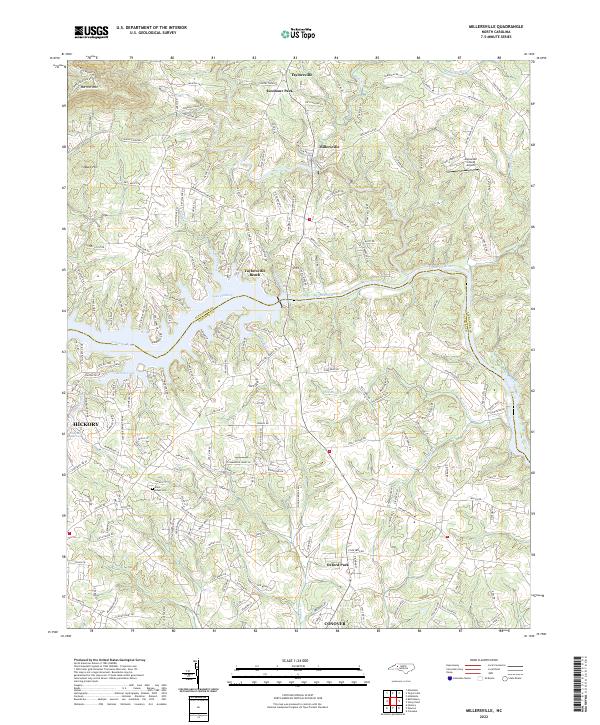 2022 Millersville2022 Print · USGSThe Catawba River valley comes alive in this contemporary study of the Alexander and Catawba county line during its recent period of growth. Researchers can trace family-named rural routes and locate landmarks like Saint Lukes Cem, Alexander County Airport, and Taylorsville Beach.
 - 2022 Map of Newton, 2022 Print
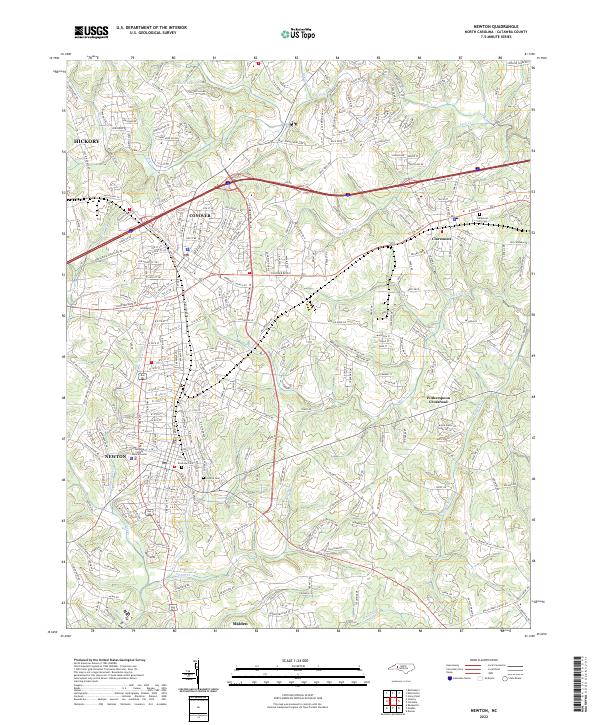 2022 Newton2022 Print · USGSNewton and Conover appear in their modern Catawba County context during the 2020s, showcasing a landscape of rapid suburban and industrial growth. Researchers can locate the Catawba County Justice Center, trace the path of Smyre Cr, or find family records at the Claremont City Cem.
Showing maps 1-25 of 26
Top cities near Conover
- Hickory historical maps
- Newton historical maps
- Lincolnton historical maps
- Long View historical maps
- Granite Falls historical maps
- Maiden historical maps
See more
Frequently asked questions
- What are the different types of historical maps available for Conover?
- What is the oldest map of Conover?
- Where can I purchase historical maps of Conover for my home or office?
- Where can I download high-res historical maps of Conover?
- Are there historical topographic maps available for Conover?
- Is there historical aerial imagery available for Conover?
- Where are historical maps of Conover sourced from?