1950s Maps of Dare County, North Carolina
Explore 22 historic maps of Dare County from the 1950s. These maps offer a rare glimpse into what life looked like during the 1950s — showing old roads, neighborhoods, homes, and landmarks that have changed or disappeared over time.
Whether you're researching your family's past, planning a metal detecting trip, or studying how Dare County's landscape evolved across the 1950s, these high-resolution maps are a powerful tool for exploring the history of this region.
- Focus on a specific era: All maps on this page are from the 1950s, giving you a focused view of this time period.
- See what’s changed: Compare century-old streets, trails, and buildings to today's modern landscape using overlays and satellite layers.
- Research with precision: Use these maps for genealogy, historical research, land use analysis, or educational projects.
- View, download, or print: Maps are fully viewable online in high resolution, and can be downloaded or printed for your own records.
Start exploring Dare County's history through authentic maps from the 1950s. This is your window into the past.
Dare County, NC maps
(22)- 1950 Map of Cape Hatteras
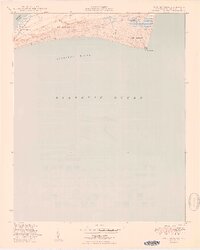 1950 Cape Hatteras1950 Print · USGSThe Outer Banks come to life in this mid-century survey of the North Carolina coast during a period of transition for its maritime communities. Trace the shoreline from Frisco to Cape Point, locating landmarks like Little Grove Ch and the Coast Guard Sta.2 unique versions available
 - 1950 Map of Buxton
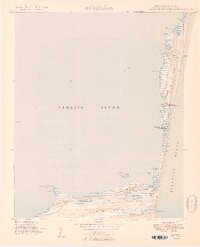 1950 Buxton1950 Print · USGSThe Outer Banks come alive in this mid-century survey of Hatteras Island as it appeared before modern development. You can trace early maritime history through landmarks like the Cape Hatteras Lighthouse and the small coastal village of Avon.2 unique versions available
 - 1950 Map of Green Island
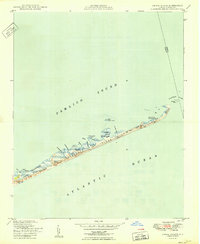 1950 Green Island1950 Print · USGSOcracoke Island and the Outer Banks are captured mid-century, showing a landscape defined by shifting sands and maritime service. Trace the isolation of the Hatteras Inlet Coast Guard Sta and local camps like the Old Green Island Club.3 unique versions available
 - 1951 Map of Long Shoal Point, 1953 Print
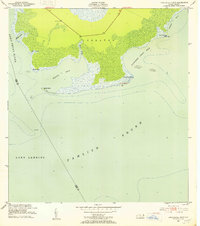 1951 Long Shoal Point1953 Print · USGSThe Outer Banks coastline near the Hyde and Dare county line is captured in the early 1950s, showing a landscape defined by water and wetlands. Genealogists and maritime historians can trace coastal landmarks like the Lookout Tower, Pains Point, and Rawls Island.2 unique versions available
 - 1951 Map of Engelhard East, 1953 Print
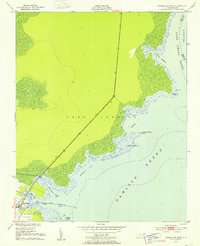 1951 Engelhard East1953 Print · USGSThe coastal village of Engelhard stands at the edge of the sound during the early 1950s, surrounded by a complex network of marshes and tidal creeks. Researchers can trace the maritime geography of Berrys Bay and family-named landmarks like Pingleton Point and Gibbs Point.4 unique versions available
 - 1953 Map of Wanchese, 1955 Print
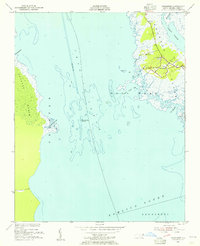 1953 Wanchese1955 Print · USGSCoastal Dare County is shown here in the early fifties, focusing on the maritime culture of southern Roanoke Island. Genealogists and local historians can trace the early layout of Wanchese and Baumtown, locating Bethany Ch and the Roanoke Marshes Lighthouse.5 unique versions available
 - 1953 Map of Engelhard NW, 1955 Print
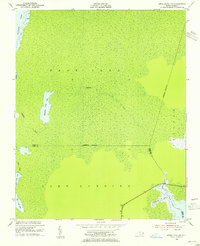 1953 Engelhard NW1955 Print · USGSCoastal Dare and Hyde Counties are captured in the early fifties as a world of secluded marshes and tidal creeks. Researchers can trace the shifting county line through the wetlands between Whipping Creek Lake and the Long Shoal River.4 unique versions available
 - 1953 Map of Roanoke Island NE, 1955 Print
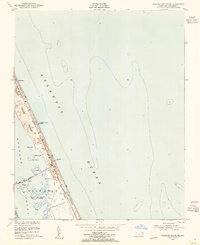 1953 Roanoke Island NE1955 Print · USGSThe Outer Banks come to life in this mid-century portrait of a changing coastline and its early maritime infrastructure. Trace the early layout of Nags Head including the U S Coast Guard Station, Jeanettes Pier, and the island-hopping Causeway.6 unique versions available
 - 1953 Map of Buffalo City, 1955 Print
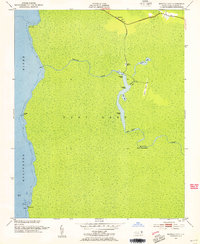 1953 Buffalo City1955 Print · USGSThe Dare County mainland in the early fifties is a landscape of expansive wetlands and remote outposts. Researchers can trace the isolated settlement of Buffalo City and identify family-named landmarks like Raccoon Point and Beach Land Landing.3 unique versions available
 - 1953 Map of Fairfield NE, 1955 Print
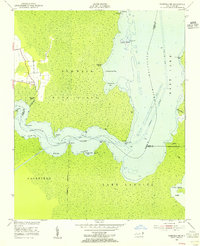 1953 Fairfield NE1955 Print · USGSCoastal Tyrrell County in the early fifties is defined by the winding Alligator River and its labyrinth of marshy points. Genealogists and local historians can trace the settlement at Gum Neck or locate specific waterfront access at Gum Neck Landing and Grapevine Landing.3 unique versions available
 - 1953 Map of Stumpy Point, 1956 Print
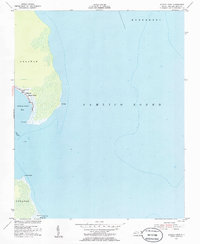 1953 Stumpy Point1956 Print · USGSCoastal Dare County at the start of the fifties reveals a maritime community deeply connected to the sound. Genealogists and historians can trace the foundations of the village at Stumpy Point, locating family sites at Shiloh Church Cem and Shiloh Ch.2 unique versions available
 - 1953 Map of Manteo, 1956 Print
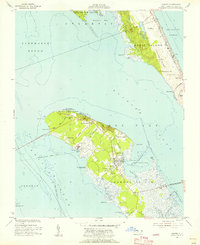 1953 Manteo1956 Print · USGSRoanoke Island and the Outer Banks are captured here in the early fifties, before decades of intensive coastal development. Genealogists and historians can trace family-named sites like Mother Vineyard and the early layout of Manteo and Skyco.5 unique versions available
 - 1953 Map of East Lake SE, 1956 Print
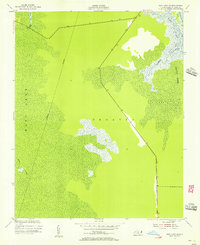 1953 East Lake SE1956 Print · USGSCoastal Dare County in the early fifties is captured here as modern highways began to bridge the deep wetlands. Researchers can trace the water-dependent landscape of Roanoke Marsh and winding inlets like Callaghan Creek and Hooker Gut.3 unique versions available
 - 1953 Map of Manns Harbor, 1956 Print
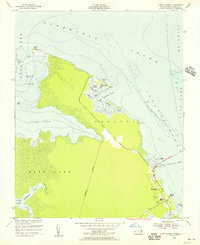 1953 Manns Harbor1956 Print · USGSThe Dare County coastline in the early fifties shows a region on the cusp of change as new roads were built to connect the mainland to the banks. Trace the old Ferry Route from Manns Harbor or locate family landmarks like Mt Carmel Ch and Fleetwood Point.2 unique versions available
 - 1953 Map of East Lake, 1956 Print
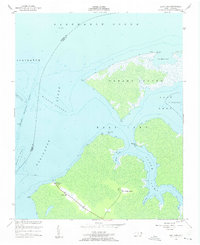 1953 East Lake1956 Print · USGSCoastal Dare County in the early fifties shows a landscape of isolated shorelines and small water-bound communities. Trace family roots and local history through East Lake Landing, the ruins at Lake Neighborhood, and the Ferry crossing the Alligator River.3 unique versions available
 - 1953 Map of Engelhard NE, 1956 Print
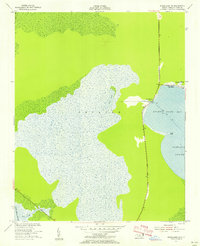 1953 Engelhard NE1956 Print · USGSCoastal Dare County at mid-century reveals a landscape shaped by the sounds and marshlands of the Outer Banks. Genealogists and historians can trace the small community at Stumpy Point, find the Full Gospel Tabernacle, and locate landmarks like Lake Worth.3 unique versions available
 - 1953 Map of Frying Pan, 1956 Print
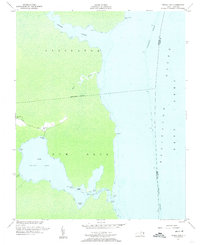 1953 Frying Pan1956 Print · USGSThe swampy peninsulas and river inlets of Tyrrell County are captured here in the mid-1950s. Genealogists and local historians can trace family locations near Frying Pan, Free Union Ch, and the landings along the Alligator River.3 unique versions available
 - 1953 Map of Fort Landing, 1956 Print
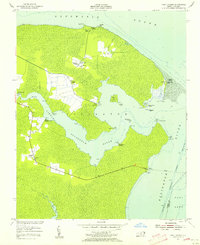 1953 Fort Landing1956 Print · USGSCoastal Tyrrell County in the early fifties is a world of maritime landings and small marshland outposts. Genealogists and historians can trace family roots through the many local landmarks, from Alligator Chapel and Goat Neck to the old Ferry Landing.2 unique versions available
 - 1953 Map of Rocky Mount, 1964 Print
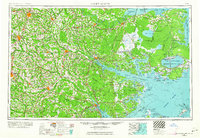 1953 Rocky Mount1964 Print · USGSEastern North Carolina in the mid-fifties is defined by its deep river basins and the vast wetlands of the Tidewater. Genealogists can trace family roots through hubs like Kinston and New Bern or explore the wilderness of Pettigrew State Park and Lake Mattamuskeet.4 unique versions available
 - 1954 Map of Rocky Mount
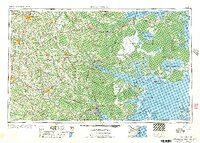 1954 Rocky Mount1954 Print · USGSEastern North Carolina is mapped in the mid-fifties, showing a landscape of sounds, swamps, and steam-era rail lines. Genealogists can trace the rural road networks and rail spurs connecting towns like Tarboro, Greenville, and the remote Columbia.
 - 1955 Map of Wanchese
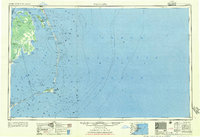 1955 Wanchese1955 Print · USGSThe Outer Banks and Dare County mainland are captured in the mid-1950s, showing the maritime isolation and early highway connections of the coast. Researchers can locate coastal landmarks like the Cape Hatteras Light, the remote settlement of Buffalo City, and fishing villages from Rodanthe to Ocracoke.
 - 1957 Map of Manteo, 1967 Print
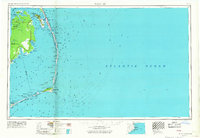 1957 Manteo1967 Print · USGSThe Outer Banks and Albemarle Sound are captured in the late fifties as the national seashore and wildlife refuges were newly established. Trace the coastal villages from Manteo to Hatteras, and locate landmarks like the Cape Hatteras Lighthouse and Billy Mitchell field.3 unique versions available
End of results
Showing maps 1-22 of 22
Top cities of Dare County
- Kill Devil Hills historical maps
- Kitty Hawk historical maps
- Nags Head historical maps
- Southern Shores historical maps
- Wanchese historical maps
- Manteo historical maps
See more
Frequently asked questions
- What are the different types of historical maps available for Dare County?
- What is the oldest map of Dare County?
- Where can I purchase historical maps of Dare County for my home or office?
- Where can I download high-res historical maps of Dare County?
- Are there historical topographic maps available for Dare County?
- Is there historical aerial imagery available for Dare County?
- Where are historical maps of Dare County sourced from?