2000s (21st Century) Maps of Wake County, North Carolina
Explore 125 historic maps of Wake County from the 2000s (21st Century). These maps offer a rare glimpse into what life looked like during the 2000s — showing old roads, neighborhoods, homes, and landmarks that have changed or disappeared over time.
Whether you're researching your family's past, planning a metal detecting trip, or studying how Wake County's landscape evolved across the 2000s, these high-resolution maps are a powerful tool for exploring the history of this region.
- Focus on a specific era: All maps on this page are from the 2000s, giving you a focused view of this time period.
- See what’s changed: Compare century-old streets, trails, and buildings to today's modern landscape using overlays and satellite layers.
- Research with precision: Use these maps for genealogy, historical research, land use analysis, or educational projects.
- View, download, or print: Maps are fully viewable online in high resolution, and can be downloaded or printed for your own records.
Start exploring Wake County's history through authentic maps from the 2000s. This is your window into the past.
Wake County, NC maps
(125)- 2002 Map of Garner, 2004 Print
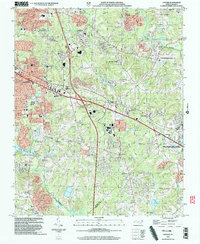 2002 Garner2004 Print · USGSGarner and southeast Raleigh are shown here just after the turn of the millennium as modern subdivisions began to surround traditional agricultural research lands. Researchers can trace family history through local landmarks like Hayes Chapel, Smith Cem, and the settlement of Auburn.
 - 2002 Map of Lake Wheeler, 2004 Print
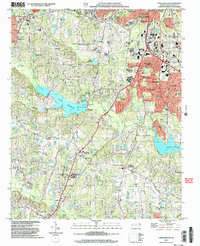 2002 Lake Wheeler2004 Print · USGSSouthern Wake County is shown at a pivotal moment of growth in the early 2000s, as Raleigh and Garner expand toward established rural crossroads. Genealogists and historians can locate legacy sites like Yates Millpond, McCullers, and Stephens Cem alongside the waters of Lake Wheeler.
 - 2002 Map of Raleigh West, 2004 Print
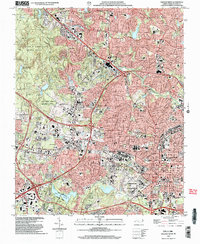 2002 Raleigh West2004 Print · USGSIn the early 2000s, West Raleigh was a landscape of significant academic and state institutions alongside expanding suburbs. Trace the footprints of North Carolina State University, the historic community of Method, and the grounds of Dorothea Dix State Hospital.
 - 2002 Map of New Hill, 2004 Print
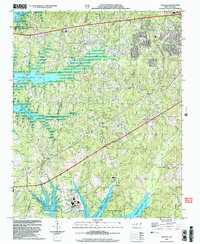 2002 New Hill2004 Print · USGSThe borderlands of Wake and Chatham counties come into focus at the start of the 2000s, showing a region shaped by utility reservoirs and growing small towns. Researchers can trace the legacy of community hubs like New Hill and Bonsal alongside early landmarks such as Olive Chapel Sch and the Power Plant.
 - 2002 Map of Apex, 2004 Print
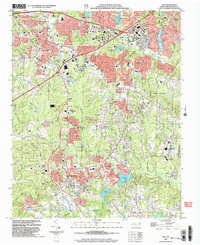 2002 Apex2004 Print · USGSWake County was undergoing significant suburban growth at the turn of the millennium as Apex and Cary expanded toward one another. Researchers can trace the development of Holly Springs and Piney Plains while locating local landmarks like Matthew Chapel and Sunset Lake.
 - 2010 Map of Bunn West, 2010 Print
 2010 Bunn West2010 Print · USGSFranklin County communities and crossroads are documented in detail during the early 2010s. Researchers can trace local lineage through rural landmarks like Halls Crossroads, Pearces, and family sites near Privetts Pond and Bakers Pond.
 - 2010 Map of Green Level, 2010 Print
 2010 Green Level2010 Print · USGSThe rapid expansion of the Research Triangle is visible in this 2010 survey of the area surrounding Green Level. Researchers can trace the path of the American Tobacco Trl and locate family landmarks near B Everett Jordan Lake and Genlee.
 - 2010 Map of Rolesville, 2010 Print
 2010 Rolesville2010 Print · USGSRolesville and the surrounding Wake County countryside are captured here at a moment of significant growth in 2010. Researchers can locate family landmarks at Harris Crossroads or Mitchell Cemetery and trace the many local waterways like Little River.
 - 2010 Map of Garner, 2010 Print
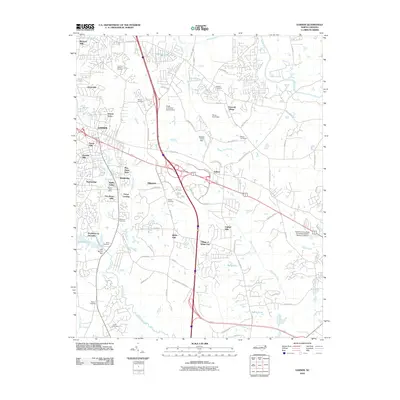 2010 Garner2010 Print · USGSGarner and the southern Raleigh suburbs are shown here in the early twenty-first century as modern neighborhoods expand across old family lands. Genealogists and local historians can locate small family burial grounds like Sauls Cemetery and Mitchiner Cemetery or the sprawling NCSU Central Research Station.
 - 2010 Map of New Hill, 2010 Print
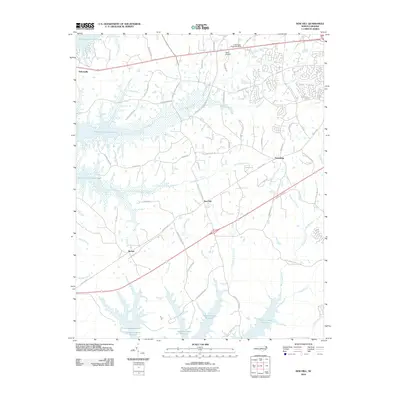 2010 New Hill2010 Print · USGSWestern Wake County at the turn of the millennium shows a landscape transformed by large-scale water management projects. Genealogists and local historians can trace family-named roads and established communities like New Hill, Bonsal, and Friendship between the shores of Shearon Harris Reservoir and B Everett Jordan Lake.
 - 2010 Map of Clayton, 2010 Print
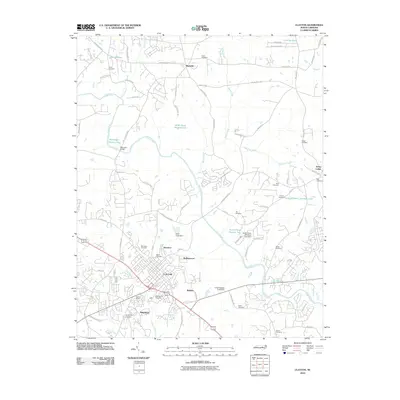 2010 Clayton2010 Print · USGSClayton and its surrounding Johnston County communities are captured here in a period of suburban expansion. Genealogists and local historians can trace family plots and landmarks such as Maplewood Cemetery, the Pythian Home, and Baucoms Bridge along the Neuse River.
 - 2010 Map of Southeast Durham, 2010 Print
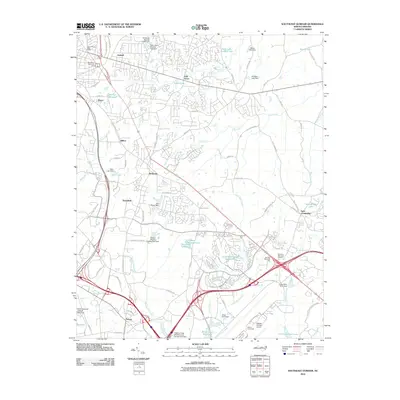 2010 Southeast Durham2010 Print · USGSThe North Carolina Research Triangle is shown in its modern era of rapid expansion near the turn of the decade. Researchers can trace the evolution of communities like Bethesda and Brassfield or locate family plots at Restlawn Memorial Gardens.
 - 2010 Map of Zebulon, 2010 Print
 2010 Zebulon2010 Print · USGSEastern Wake County at the turn of the millennium shows a landscape of growing residential communities and longstanding rural outposts. Genealogists and local historians can trace family-named sites like Wakefield Cemetery or locate old crossroads like Lizard Lick and Earpsboro.
 - 2010 Map of Raleigh East, 2010 Print
 2010 Raleigh East2010 Print · USGSEastern Raleigh and its growing suburbs are captured here at the start of the 2010s. Genealogists and local historians can trace neighborhood development through numerous named subdivisions and local landmarks like Oakwood Cemetery, Falls Church, and the Millbrook Post Office.
 - 2010 Map of Bayleaf, 2010 Print
 2010 Bayleaf2010 Print · USGSRaleigh's northern suburbs show significant residential density during the first decade of the new millennium as development pushed toward the shores of Falls Lake. Genealogists and local historians can trace modern neighborhood footprints around Leesville, Six Forks, and the North Ridge Post Office.
 - 2010 Map of Apex, 2010 Print
 2010 Apex2010 Print · USGSThe rapid expansion of the North Carolina Research Triangle is evident here in the decade following the turn of the millennium. Local historians can trace the growth of Holly Springs and Apex, alongside older landmarks like Bev Jones Crossroads and Bass Lake.
 - 2010 Map of Angier, 2010 Print
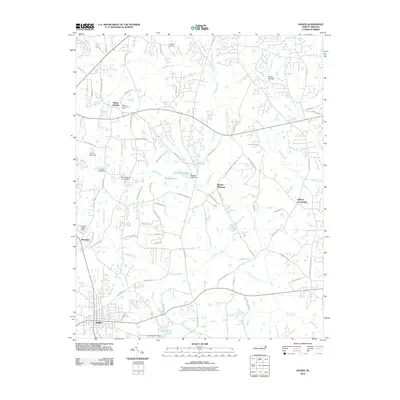 2010 Angier2010 Print · USGSThe crossroads and creeks between Fuquay-Varina and Angier are captured here during a period of steady rural growth. Researchers can trace family-named landmarks and small communities like Willow Springs, Ogburn Crossroads, and the aviation history at Triple W Air Park.
 - 2010 Map of Cary, 2010 Print
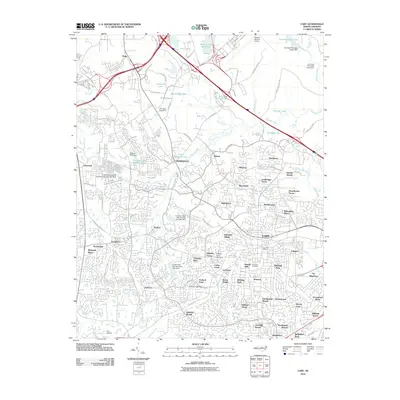 2010 Cary2010 Print · USGSCary and Morrisville are shown during a period of significant suburban expansion in the early twenty-first century. Researchers can trace the development of numerous neighborhoods and find local landmarks like Hill Crest Cemetery and the Raleigh-Durham Airport.
 - 2010 Map of Cokesbury, 2010 Print
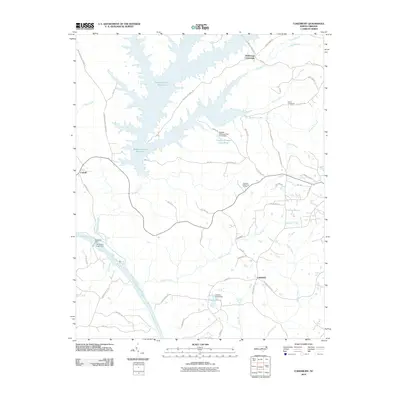 2010 Cokesbury2010 Print · USGSCokesbury and the surrounding rural crossroads were documented in 2010 just as the landscape of Wake and Harnett counties continued its modern evolution. Researchers can trace historic river access at Buckhorn Dam and locate ancestral locales near Hollemans Crossroads and Dennis Crossroads.
 - 2010 Map of Fuquay-Varina, 2010 Print
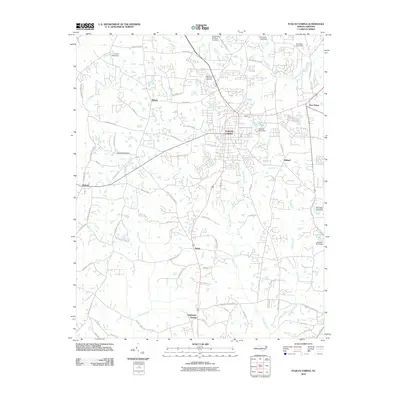 2010 Fuquay-Varina2010 Print · USGSWake and Harnett Counties at the start of the 21st century show a landscape of expanding communities and persistent rural hamlets. Researchers can trace the development of Fuquay-Varina and find historic sites like Chalybeate Springs and Greenlawn Memorial Gardens.
 - 2010 Map of Lake Wheeler, 2010 Print
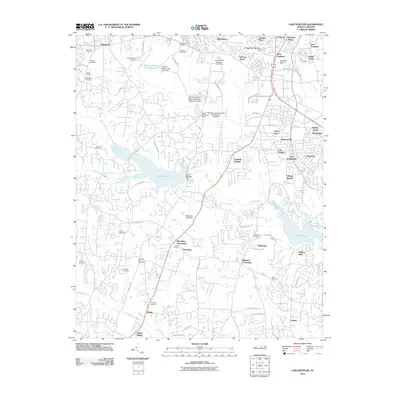 2010 Lake Wheeler2010 Print · USGSThe southern outskirts of Raleigh are captured here as traditional crossroads meet modern growth. Genealogists can trace family plots at Stephens Cemetery or Morgan Cemetery, while local historians find the footprints of McCullers and Macedonia.
 - 2010 Map of Raleigh West, 2010 Print
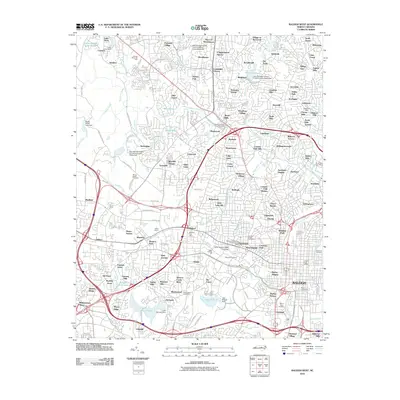 2010 Raleigh West2010 Print · USGSThe western reaches of North Carolina's capital are shown here at a moment of significant institutional and residential density. Researchers can map the campuses of North Carolina State University and Shaw University or trace family sites near Mount Hope Cemetery and Oakwood Cemetery.
 - 2010 Map of Edmondson, 2010 Print
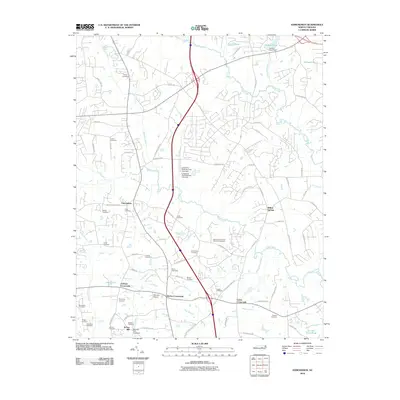 2010 Edmondson2010 Print · USGSJohnston County at the turn of the millennium shows a landscape where rural crossroads and family lineages remain deeply etched into the geography. Researchers can trace historic burial grounds like Leech Cemetery and Ennis Cemetery alongside landmarks like McGee Mill.
 - 2010 Map of Wake Forest, 2010 Print
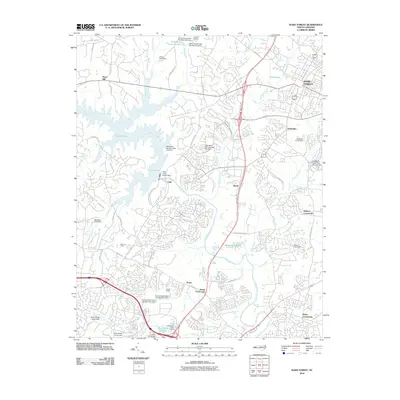 2010 Wake Forest2010 Print · USGSWake County at the start of the 2010s shows a landscape of growing residential networks surrounding the historic center of Wake Forest. Genealogists and local historians can trace legacy landmarks like Forestville, Stony Hill, and the Falls of the Neuse Dam.
 - 2010 Map of Creedmoor, 2010 Print
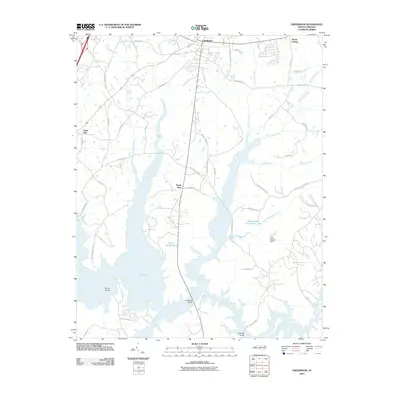 2010 Creedmoor2010 Print · USGSGranville County at the dawn of the 2010s reveals a landscape shaped by the rising waters of Falls Lake. Genealogists and local historians can trace family lands near Mount Energy, the small settlement of Sandy Plain, and crossings like Lawrences Bridge.
Showing maps 1-25 of 125
Top cities of Wake County
- Raleigh historical maps
- Cary historical maps
- Apex historical maps
- Wake Forest historical maps
- Fuquay-Varina historical maps
- Garner historical maps
See more
Frequently asked questions
- What are the different types of historical maps available for Wake County?
- What is the oldest map of Wake County?
- Where can I purchase historical maps of Wake County for my home or office?
- Where can I download high-res historical maps of Wake County?
- Are there historical topographic maps available for Wake County?
- Is there historical aerial imagery available for Wake County?
- Where are historical maps of Wake County sourced from?