1960s Maps of Cass County, North Dakota
Explore 33 historic maps of Cass County from the 1960s. These maps offer a rare glimpse into what life looked like during the 1960s — showing old roads, neighborhoods, homes, and landmarks that have changed or disappeared over time.
Whether you're researching your family's past, planning a metal detecting trip, or studying how Cass County's landscape evolved across the 1960s, these high-resolution maps are a powerful tool for exploring the history of this region.
- Focus on a specific era: All maps on this page are from the 1960s, giving you a focused view of this time period.
- See what’s changed: Compare century-old streets, trails, and buildings to today's modern landscape using overlays and satellite layers.
- Research with precision: Use these maps for genealogy, historical research, land use analysis, or educational projects.
- View, download, or print: Maps are fully viewable online in high resolution, and can be downloaded or printed for your own records.
Start exploring Cass County's history through authentic maps from the 1960s. This is your window into the past.
Cass County, ND maps
(33)- 1961 Map of Durbin, 1963 Print
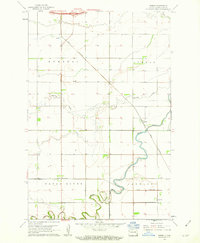 1961 Durbin1963 Print · USGSCass County's fertile Red River Valley is captured here in the early sixties, showing a landscape defined by rail and river. You can trace the path of the Great Northern railroad through the settlements of Everest and Durbin, and locate the Canaan Ch.
 - 1961 Map of Casselton, 1963 Print
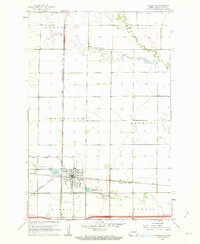 1961 Casselton1963 Print · USGSThe rail-driven economy of Cass County is on full display in the early sixties at this junction of two major lines. Genealogists and historians can trace the development of Casselton near St Leo Cem and the industrial Dalrymple Spur.2 unique versions available
 - 1961 Map of Casselton SE, 1963 Print
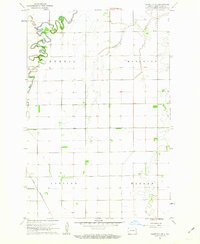 1961 Casselton SE1963 Print · USGSThe rural plains of Cass County are captured in the early sixties as a landscape of structured townships and winding river valleys. Genealogists and local historians can trace the paths of the Great Northern railroad and locate the central Townhall or local Cem.2 unique versions available
 - 1961 Map of Sheldon NW, 1963 Print
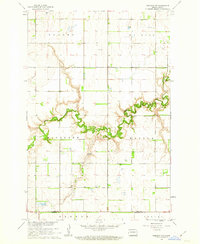 1961 Sheldon NW1963 Print · USGSThe rural prairie of Cass County is captured here in the early 1960s as the agricultural grid defined life along the Maple River valley. Researchers can locate vanished rural landmarks such as School No 83, a local Townhall, and a mid-century Landing Strip.
 - 1961 Map of Mapleton, 1963 Print
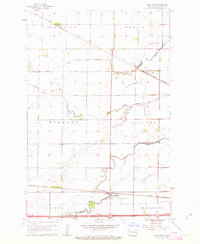 1961 Mapleton1963 Print · USGSCass County agriculture and rail life are at the forefront in the early 1960s as these prairie townships grow. Trace the paths of the Great Northern and Northern Pacific lines through Mapleton, Prosper, and the Mapleton Cem.3 unique versions available
 - 1961 Map of Sheldon NE, 1963 Print
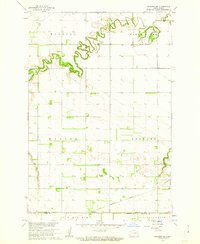 1961 Sheldon NE1963 Print · USGSSoutheast North Dakota’s prairie landscape was shaped by the winding Maple River and the transit lines of the early 1960s. Researchers can trace the legacy of pioneer settlements through the Northern Pacific rail line and family-history sites like Watson Cem and Leonard Cem.
 - 1961 Map of Enderlin North, 1963 Print
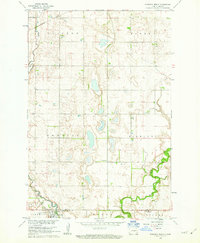 1961 Enderlin North1963 Print · USGSThe borderlands of Cass and Ransom counties are captured here in the early sixties, centered on the growing town of Enderlin. Researchers can locate rural landmarks like Salem Cem, the NORTHERN PACIFIC rail line, and the winding course of the Maple River.
 - 1963 Map of Georgetown, 1964 Print
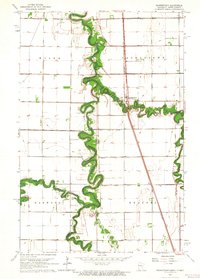 1963 Georgetown1964 Print · USGSThe Red River Valley's winding borderlands are captured here in the early sixties, showing the fertile divide between Minnesota and North Dakota. Researchers can trace the paths of the Great Northern railroad and locate community sites like Osterdalen Ch and Osterdalen Cem.
 - 1963 Map of Argusville, 1964 Print
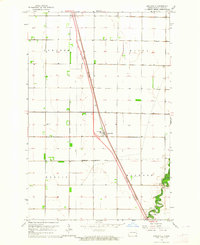 1963 Argusville1964 Print · USGSCass County agriculture and infrastructure intersect during the early sixties as a new rail line changes the prairie landscape. Genealogists and local historians can trace the Argusville boundaries, the High Sch, and the Argusville Cem.2 unique versions available
 - 1963 Map of Perley, 1964 Print
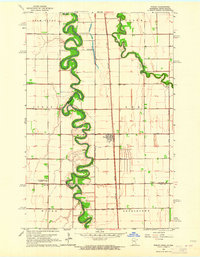 1963 Perley1964 Print · USGSThe Red River Valley at the Minnesota border comes into focus during the early sixties, showing the tight meanders of the Red River and Wild Rice River. Trace local history through the Great Northern rail stops, Perley townsite, and Kirkebo Cem.2 unique versions available
 - 1963 Map of Gardner, 1964 Print
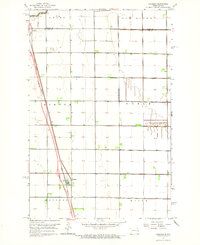 1963 Gardner1964 Print · USGSThe Red River Valley prairie is captured in the early sixties at the border of Traill County and Cass County. Researchers can trace rail history and land use through the Great Northern line and the townships of Kinyon and Noble.
 - 1965 Map of Alice, 1967 Print
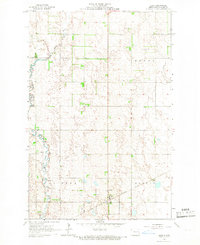 1965 Alice1967 Print · USGSThe village of Alice and the surrounding prairie townships are captured here in the mid-sixties, centered on the Northern Pacific rail corridor. Researchers can trace the meandering Maple River and locate specific local operations like the scattered Gravel Pits.
 - 1965 Map of Lucca, 1967 Print
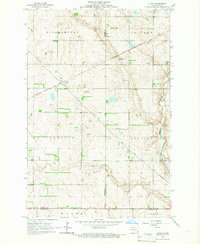 1965 Lucca1967 Print · USGSThe intersection of the Northern Pacific and Soo Line railroads defines the rural landscape of Barnes County in the 1960s. Trace the small settlement of Lucca, the Cem cemetery, and the winding course of the Maple River.
 - 1965 Map of Tower City SW, 1967 Print
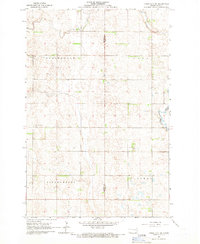 1965 Tower City SW1967 Print · USGSThe Barnes and Cass County line in the mid-sixties reveals a landscape of organized townships and prairie riverbends. Genealogists and local historians can trace landmarks like Holy Trinity Cem and the path of the Maple River through Springvale.
 - 1966 Map of Grand Forks
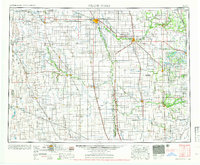 1966 Grand Forks1966 Print · USGSThe Red River Valley in the mid-sixties shows a landscape shaped by rail-line commerce and complex water management. Genealogists and historians can trace rail-side towns like Emerado and Hunter or locate rural landmarks like the Pleasant View Church.
 - 1966 Map of Arthur SE, 1968 Print
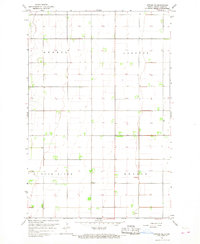 1966 Arthur SE1968 Print · USGSCass County farmland is captured in the mid-sixties, showing the highly organized township system of the Red River Valley. Genealogists and local historians can locate early farmsteads and the Herby Ch within the districts of Gardner and Berlin.
 - 1967 Map of Tower City, 1969 Print
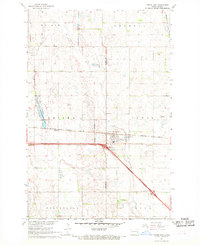 1967 Tower City1969 Print · USGSThe intersection of the Northern Pacific railroad and the modern interstate era defines this late-1960s North Dakota landscape. Researchers can trace the layout of Tower City and Koldok, or locate family sites near Greenwood Cem and several local Sandpit operations.
 - 1967 Map of Page SE, 1969 Print
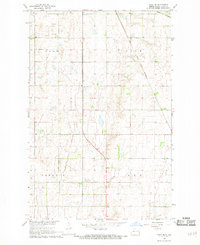 1967 Page SE1969 Print · USGSCass County agriculture and infrastructure are captured here in the late sixties as the Missouri River Basin program progressed. Researchers can trace the Great Northern rail corridor and locate early industrial sites like the local Sandpit across the townships of Cornell and Rich.
 - 1967 Map of Ayr NE, 1969 Print
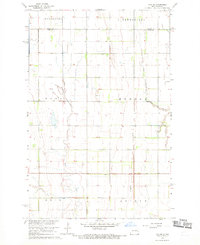 1967 Ayr NE1969 Print · USGSNorth Dakota's prairie landscape in the late sixties is defined by the winding Rush River and a network of rural townships. Researchers can trace land boundaries across Dows and Hunter, or locate industrial sites like the Gravel Pit.2 unique versions available
 - 1967 Map of Ayr NW, 1969 Print
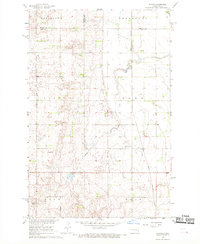 1967 Ayr NW1969 Print · USGSNorth Dakota's agricultural heartland is documented here in the late sixties at the intersection of Cass, Traill, and Steele Counties. Genealogists and local historians can trace the Great Northern rail line and identify family lands near Galesburg or the Conrad Landing Strip.2 unique versions available
 - 1967 Map of Grandin, 1969 Print
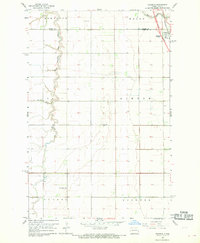 1967 Grandin1969 Print · USGSGrandin and the surrounding Red River Valley prairie are captured in the late sixties at a moment of infrastructure growth. Genealogists and historians can trace family plots at Rose Valley Cem and follow the legacy of the Great Northern railroad.2 unique versions available
 - 1967 Map of Wheatland, 1969 Print
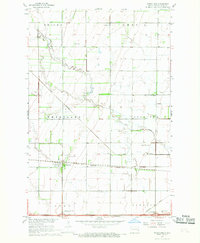 1967 Wheatland1969 Print · USGSWheatland and the surrounding prairie of Cass County are documented here during the late sixties as the interstate era began to reshape rural North Dakota. Genealogists and rail historians can trace the Northern Pacific line, the Wheatland Cem, and the old Townhall.
 - 1967 Map of Page, 1969 Print
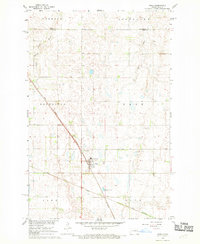 1967 Page1969 Print · USGSThe Page area and the Great Northern rail corridor are captured here during the late sixties. Researchers can trace the rural infrastructure of Cass County, from the Page Cem to local landmarks like the Water Tank and Nolan siding.
 - 1967 Map of Hunter, 1969 Print
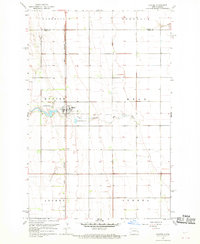 1967 Hunter1969 Print · USGSNorth Dakota's fertile plains are captured here in the late sixties, centered on the rail-side town of Hunter. Genealogists can trace the rural sections of Greenfield and Bell while locating infrastructure like the Great Northern tracks and the South Branch Elm River.
 - 1967 Map of Ayr SE, 1969 Print
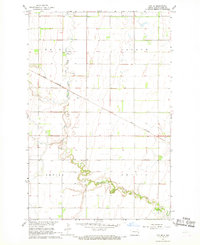 1967 Ayr SE1969 Print · USGSThe Red River Valley's agricultural grid is well-defined in the late sixties as the rail lines and riverbanks shape local life. Genealogists and researchers can locate St Martins Cem, the settlement of Mason, and the winding path of the Rush River.
Showing maps 1-25 of 33
Top cities of Cass County
- Fargo historical maps
- West Fargo historical maps
- Casselton historical maps
- Horace historical maps
- Harwood historical maps
- Mapleton historical maps
See more
Frequently asked questions
- What are the different types of historical maps available for Cass County?
- What is the oldest map of Cass County?
- Where can I purchase historical maps of Cass County for my home or office?
- Where can I download high-res historical maps of Cass County?
- Are there historical topographic maps available for Cass County?
- Is there historical aerial imagery available for Cass County?
- Where are historical maps of Cass County sourced from?