Old Maps of Raney Township, North Dakota for Genealogy
Trace your family roots with 33 historic maps of Raney Township. These high-res maps reveal old neighborhoods, homesites, landmarks, and streets — helping you uncover where your ancestors lived and how the area evolved over time.
- Explore historic neighborhoods: Identify where your relatives may have lived in the 1800s or 1900s.
- Compare maps over time: Trace the changes in streets, buildings, and landmarks for multi-generational research.
- Perfect for genealogy & ancestry research: Used by family historians and researchers to map out lineage and migration.
These maps are an incredible resource for exploring your personal connection to Raney Township's past.
Raney Township, ND maps
(33)- 1896 Map of Jamestown
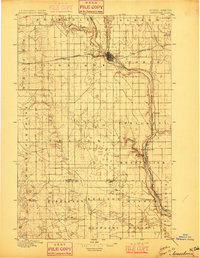 1896 Jamestown1896 Print · USGSJamestown and the surrounding prairie were rapidly developing at the close of the nineteenth century as the railroad transformed the territory. Genealogists and historians can trace the early rail stops and river settlements like Eldridge, Ypsilanti, and Adrian.3 unique versions available
 - 1896 Map of Edgeley
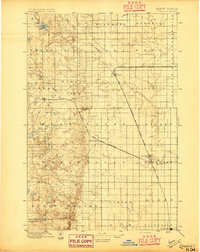 1896 Edgeley1896 Print · USGSDakota Territory had only recently achieved statehood when these rail lines began carving through the prairie. Genealogists can trace the early foundations of Edgeley, Kulm, and Ellendale alongside rural townships like Whitestone and Glenmore.2 unique versions available
 - 1925 Map of Edgeley
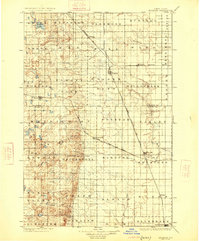 1925 Edgeley1925 Print · USGSLaMoure and Dickey Counties are shown in the mid-1920s as a complex network of rail lines and prairie townships. Trace the early layout of Ellendale, the historical Whitestone Battlefield Park, and rail stops at Deisem and Medberry.2 unique versions available
 - 1953 Map of Jamestown
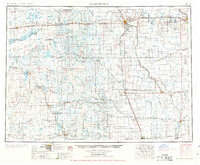 1953 Jamestown1953 Print · USGSSoutheastern North Dakota was a thriving rail and agricultural corridor in the early fifties, anchored by the James River. Researchers can trace the footprints of institutional landmarks like the North Dakota State Hospital and historic sites such as Whitestone Hill Battlefield Park.3 unique versions available
 - 1953 Map of Jud, 1955 Print
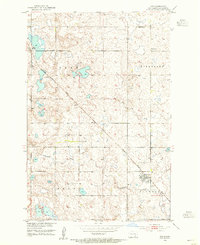 1953 Jud1955 Print · USGSLaMoure County prairie life is centered on the rail line in the early fifties, where small settlements grew along the tracks. Genealogists can locate family landmarks like School No 1, the Church of God Cem, and the village of Alfred.
 - 1956 Map of Jamestown
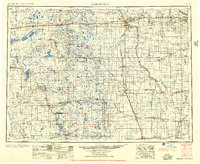 1956 Jamestown1956 Print · USGSThe James River valley and the vast alkali lake country of south-central North Dakota are captured here in the mid-fifties. Genealogists can trace family farms across several counties, locating small rail stops like Medberry and monuments like Whitestone Hill Battlefield Park.
 - 1982 Map of Schlecht-Weixel Dam, 1983 Print
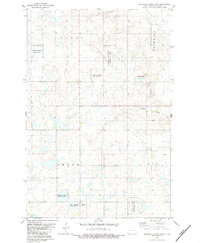 1982 Schlecht-Weixel Dam1983 Print · USGSLaMoure County in the early eighties shows a landscape of conservation and prairie agriculture centered around the Schlecht-Weixel Dam. Family historians can locate rural burial sites at German Cem and Township Cem amidst the Bluebird and Swede divisions.
 - 1982 Map of Fredonia NE, 1983 Print
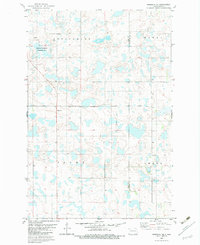 1982 Fredonia NE1983 Print · USGSThe Logan and La Moure county line in the early 1980s reveals a prairie landscape defined by family landholdings and conservation areas. Genealogists can locate rural landmarks like St James Cemetery and Tiede Cemetery among the township divisions of Janke and Raney.
 - 1983 Map of Alfred
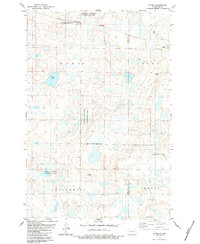 1983 Alfred1983 Print · USGSThe prairie landscape around Alfred is shown during the early 1980s, highlighting a region defined by its rail connections and conservation lands. Researchers can locate the Postal Cem and trace the Burlington Northern line as it passes Arnies Lake.
 - 1985 Map of Steele, 1994 Print
 1985 Steele1994 Print · USGSCentral North Dakota’s prairie pothole region is showcased here in the mid-1980s, revealing a landscape of vital wetlands and rail-dependent towns. Researchers can trace family ties and land use near Steele, Napoleon, and the many waterfowl production areas like Slade National Wildlife Refuge.
 - 1986 Map of Wishek
 1986 Wishek1986 Print · USGSMcIntosh and Logan counties are depicted here in the mid-1980s, a period defined by small-town rail commerce and extensive prairie conservation. Genealogists and researchers can trace the rail corridors of the Soo Line and Burlington Northern through centers like Wishek, Ashley, and Fredonia.2 unique versions available
 - 1986 Map of La Moure
 1986 La Moure1986 Print · USGSMid-century settlement patterns and water management define this stretch of the North Dakota prairie during the 1980s. Researchers can trace historic rail lines like the Soo Line or locate sites such as Whitestone Battlefield State Park and Ellendale.2 unique versions available
 - 1986 Map of Jamestown
 1986 Jamestown1986 Print · USGSThe eastern North Dakota prairie comes into focus in the mid-eighties, centered on the rail and river hubs of Jamestown and Valley City. You can trace the Burlington Northern line through historic stops like Eckelson, Sanborn, and Spiritwood while exploring vast wildlife refuges and local landmarks.2 unique versions available
 - 2011 Map of Jud, 2011 Print
 2011 Jud2011 Print · USGSLaMoure County's agricultural heartland is captured here in the early twenty-first century, showcasing the small settlements of Jud and Alfred. Local historians can trace family ties at the Church of God Cemetery or follow the waters of Bone Hill Creek and Cottonwood Creek.
 - 2011 Map of Schlecht-Weixel Dam, 2011 Print
 2011 Schlecht-Weixel Dam2011 Print · USGSLaMoure County's agricultural heartland is documented here in the early twenty-first century, showing a landscape defined by prairie potholes and section roads. Genealogists can locate specific burial sites like the German Cemetery and Swede Township Cemetery.
 - 2011 Map of Alfred, 2011 Print
 2011 Alfred2011 Print · USGSGutschmidt Township and the surrounding Logan County plains are captured here in the early twenty-first century. Genealogists and historians can locate the Postal Cemetery and trace the drainage of Cottonwood Creek through this traditional agricultural grid.
 - 2011 Map of Fredonia NE, 2011 Print
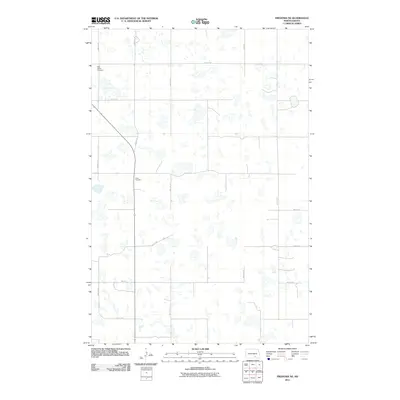 2011 Fredonia NE2011 Print · USGSGutschmidt Township and the surrounding Logan County prairie appear in this 2011 survey, showing the enduring grid of the High Plains. Genealogists and local historians can trace family roots at Saint James Cemetery and Tiede Cemetery.
 - 2014 Map of Jud, 2014 Print
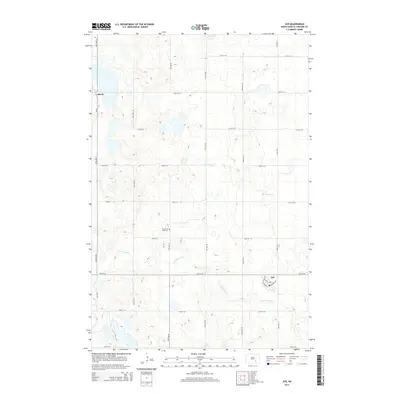 2014 Jud2014 Print · USGSLaMoure County prairie life in the early 2010s is preserved here, showing the grid of section-line roads and watercourses. Researchers can locate the Church of God Cem and trace the residential streets of Jud, such as Central Ave and Logie St.
 - 2014 Map of Schlecht-Weixel Dam, 2014 Print
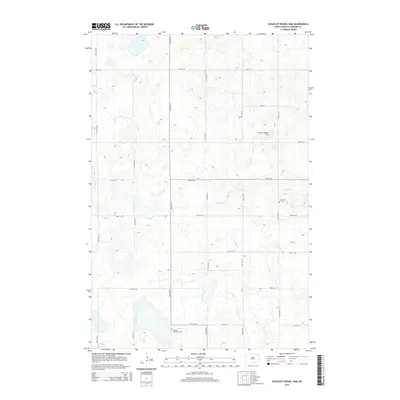 2014 Schlecht-Weixel Dam2014 Print · USGSLaMoure County's agricultural heartland is documented in the mid-2010s, showing a landscape defined by organized section lines and prairie drainage. Genealogists and local historians can locate the German Cem, Swede Township Cem, and the Schlecht-Weixel Dam.
 - 2014 Map of Alfred, 2014 Print
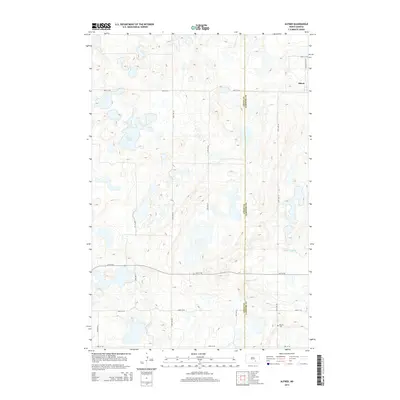 2014 Alfred2014 Print · USGSThe Missouri Plateau prairie on the border of Logan and LaMoure counties is captured here in the early twenty-first century. Genealogists and historians can locate the Postal Cem and trace the small community of Alfred near Mandeville St.
 - 2014 Map of Fredonia NE, 2014 Print
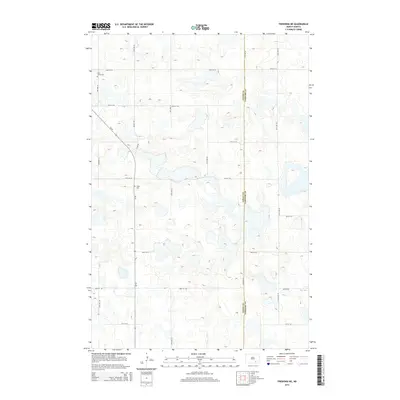 2014 Fredonia NE2014 Print · USGSThe prairie pothole region of North Dakota is captured here in the early twenty-first century, showing the rural landscape along the Logan and LaMoure county line. Family researchers can locate historic burial sites like Saint James Cem and Tiede Cem tucked among the section roads and wetlands.
 - 2017 Map of Schlecht-Weixel Dam, 2017 Print
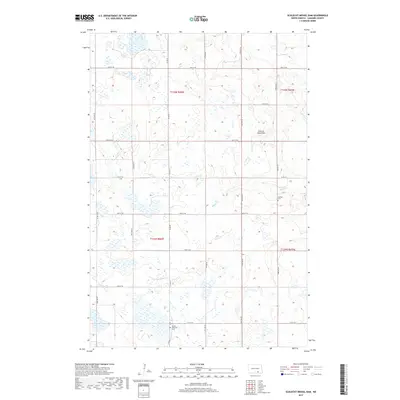 2017 Schlecht-Weixel Dam2017 Print · USGSLaMoure County's agricultural landscape is shown here in the late twenty-tens, defined by prairie wetlands and small-town townships. Genealogists can locate family burial sites at the German Cem or the Swede Township Cem near Maple Cr.
 - 2018 Map of Alfred, 2018 Print
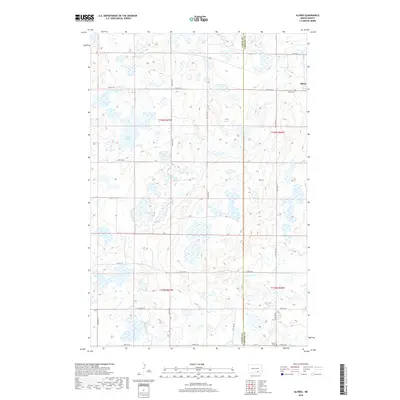 2018 Alfred2018 Print · USGSThe prairie wetlands and agricultural tracts of Logan and LaMoure Counties are documented here in the late twenty-first century. Genealogists and local historians can trace the settlement of Alfred and locate the nearby Alfred Cem or the more remote Postal Cem.
 - 2018 Map of Jud, 2018 Print
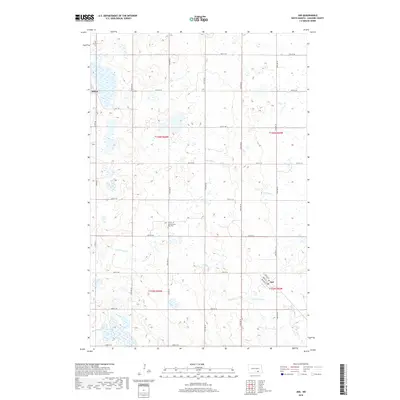 2018 Jud2018 Print · USGSLaMoure County prairie life is captured in this recent survey of the rural landscape around Jud and Alfred. Genealogists and local historians can trace the town layouts and find the Church of God Seventh Day Cem and Cottonwood Cr.
 - 2018 Map of Fredonia NE, 2018 Print
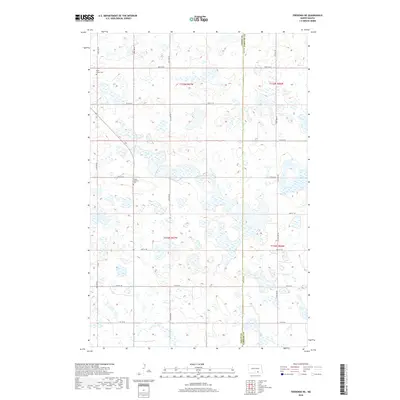 2018 Fredonia NE2018 Print · USGSThe high plains of Logan and LaMoure Counties are shown here during the late 2010s, defined by a dense network of prairie potholes and section-line roads. Genealogists can trace family roots at early community sites like Saint James Cem and Tiede Lutheran Cem.
Showing maps 1-25 of 33
Top cities near Raney Township
- Kulm historical maps
- Gackle historical maps
- Jud historical maps
- Sharlow historical maps
- Fredonia historical maps
Frequently asked questions
- What are the different types of historical maps available for Raney Township?
- What is the oldest map of Raney Township?
- Where can I purchase historical maps of Raney Township for my home or office?
- Where can I download high-res historical maps of Raney Township?
- Are there historical topographic maps available for Raney Township?
- Is there historical aerial imagery available for Raney Township?
- Where are historical maps of Raney Township sourced from?