Old Maps of Taylor Township, North Dakota for Academic Research
Study the evolution of Taylor Township with 31 high-resolution historic maps. Whether you're teaching, researching, or modeling changes in land use, these maps provide essential visual documentation of urban, environmental, and geographic change.
- Analyze long-term change: Track patterns in development, transportation, and natural features.
- Ideal for environmental or urban studies: Support academic projects with primary historical map data.
- Use in the classroom or lab: Educators and researchers rely on these maps to bring historical context to life.
These maps are a powerful tool for teaching, research, and visualizing how Taylor Township has changed over the decades.
Taylor Township, ND maps
(31)- 1953 Map of Kidder, 1955 Print
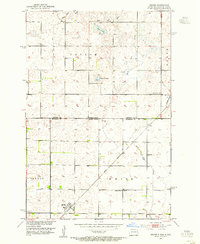 1953 Kidder1955 Print · USGSKidder and the surrounding townships sat at a critical railroad juncture in the early fifties along the North Dakota and South Dakota border. Genealogists and local historians can trace the foundations of this prairie community through landmarks like Pleasant Valley Ch and Holy Sepulcher Cem.2 unique versions available
 - 1953 Map of Newark, 1955 Print
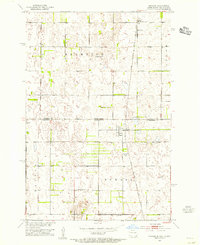 1953 Newark1955 Print · USGSThe North Dakota and South Dakota borderlands come alive in this mid-century survey of the Newark vicinity. Genealogists and local historians can trace the tracks of the Milwaukee Road past the Chadwick Sch and Brampton Cem.2 unique versions available
 - 1953 Map of Milbank, 1958 Print
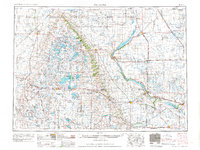 1953 Milbank1958 Print · USGSThe tri-state border region of South Dakota, North Dakota, and Minnesota is shown here during the early fifties, a landscape defined by glacial lakes and the Sisseton Indian Reservation. Researchers can trace the legacy of the western railroads, locating old stops along the Great Northern and settlements like Milbank, Webster, and Sisseton.3 unique versions available
 - 1953 Map of Fargo, 1965 Print
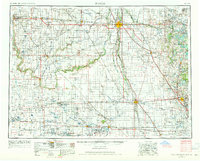 1953 Fargo1965 Print · USGSThe Red River Valley in the mid-fifties was a bustling rail and agricultural corridor during a period of steady prairie growth. Genealogists and historians can trace the intricate rail networks of the Great Northern and Soo Line connecting local hubs like Casselton and Wahpeton.2 unique versions available
 - 1956 Map of Fargo
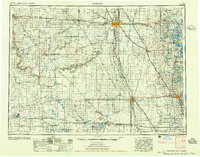 1956 Fargo1956 Print · USGSThe Red River Valley's agricultural heartland is documented here in the mid-fifties as the rail-and-road network expanded across the plains. Genealogists can trace family roots through numerous small railroad towns and local landmarks like Casselton, Sheyenne Valley Church, and Sisseton Indian Res.
 - 1957 Map of Cogswell, 1958 Print
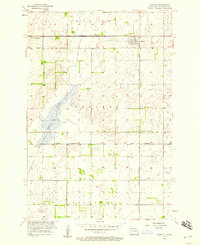 1957 Cogswell1958 Print · USGSSargent County at the height of the post-war era shows a landscape defined by the prairie rail network and the winding Wild Rice River. Trace the old corridors of the Great Northern and find local history at Mt Calvary Cem or the Town Hall.
 - 1958 Map of Milbank
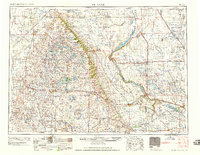 1958 Milbank1958 Print · USGSThe northern Great Plains in the late fifties show a landscape of glacial lakes and reservation lands shaped by the Great Northern railroad. Genealogists and local historians can trace the grid of settlements from Britton to Milbank and locate landmarks like Enemy Swim Lake and the Sisseton Indian Reservation.
 - 1958 Map of Forman, 1959 Print
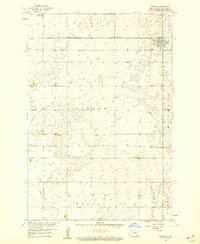 1958 Forman1959 Print · USGSSargent County at the end of the fifties reveals a landscape of prairie wetlands and vital rail hubs. Genealogists and historians can locate Old Trinity Cem and trace the paths of the Great Northern and Minneapolis St Paul and Sault Ste Marie railroads.
 - 1979 Map of Sisseton, 1980 Print
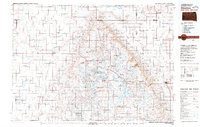 1979 Sisseton1980 Print · USGSNortheastern South Dakota and the North Dakota borderlands appear here in the late seventies, centered on the high glacial plateau. Genealogists and historians can trace the Sisseton Indian Reservation and rail-stop towns like Britton and Lake City.
 - 1986 Map of Lisbon
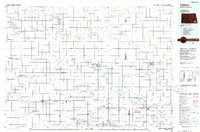 1986 Lisbon1986 Print · USGSSoutheastern North Dakota's prairie landscape is mapped here in the mid-1980s, showcasing a region defined by its river valleys and rail-fed agricultural towns. Researchers can trace the heritage of communities like Gwinner and Cayuga or locate family markers at Oakwood Cem.2 unique versions available
 - 1989 Map of Fargo, 1990 Print
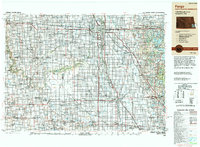 1989 Fargo1990 Print · USGSThe Red River Valley at the end of the eighties shows a landscape of flourishing university towns and vital rail corridors. Researchers can trace family roots through Riverside Cem, find early campus layouts for North Dakota State University, or follow the Soo Line Railroad through West Fargo.
 - 2011 Map of Newark, 2011 Print
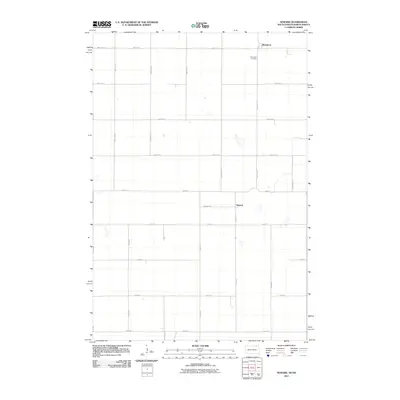 2011 Newark2011 Print · USGSBrampton and Newark are captured in this early twenty-first-century survey of the North Dakota–South Dakota state line. Researchers can trace rural cemetery locations and old township road grids like Newark Rd or visit the Brampton Cemetery.
 - 2011 Map of Kidder, 2011 Print
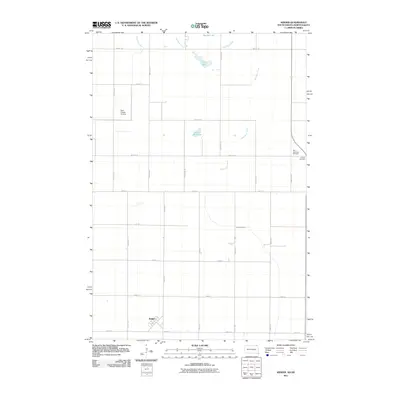 2011 Kidder2011 Print · USGSThe prairie borderland of North and South Dakota is captured here in the early twenty-first century, centered on the small settlement of Kidder. Genealogists can locate family landmarks like Holy Sepulcher Cemetery and Clayton Cemetery among the regional waterways of the Wild Rice River.
 - 2011 Map of Forman, 2011 Print
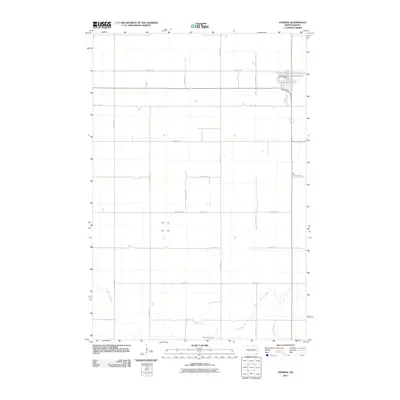 2011 Forman2011 Print · USGSSargent County in the early twenty-first century reveals a landscape of structured prairie agriculture and small-town life. Genealogists and local historians can locate Old Trinity Cemetery and trace the paths of the Wild Rice River and Wild Rice Creek near Forman.
 - 2011 Map of Cogswell, 2011 Print
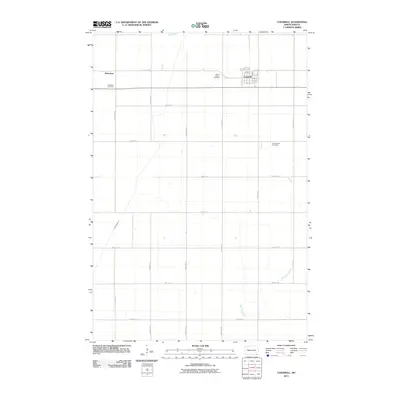 2011 Cogswell2011 Print · USGSCogswell and the surrounding Sargent County prairies are captured here during the early twenty-first century. Genealogists can trace family roots at Mount Calvary Cemetery, Old Sargent Cemetery, or the grounds at Nicholson, while following the path of the Wild Rice River.
 - 2012 Map of Newark, 2012 Print
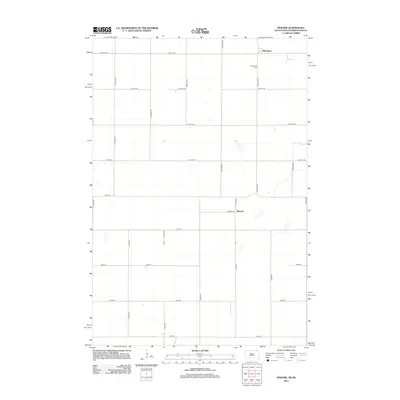 2012 Newark2012 Print · USGSThe rural borderlands of Sargent County are captured here in the early twenty-first century, showing the enduring grid of prairie townships. Researchers can trace family sites near Brampton, Newark, and the Brampton Cem at the edge of the state line.
 - 2012 Map of Kidder, 2012 Print
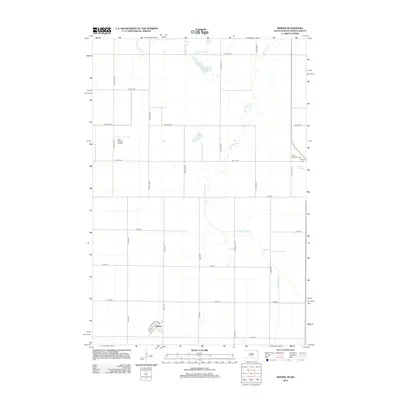 2012 Kidder2012 Print · USGSThe northern prairie landscape of the Dakota borderlands is documented here during the early twenty-first century. Genealogists and local researchers can trace family plots at Holy Sepulcher Cem or follow the waters of the Wild Rice River past Buttke Lake.
 - 2014 Map of Forman, 2014 Print
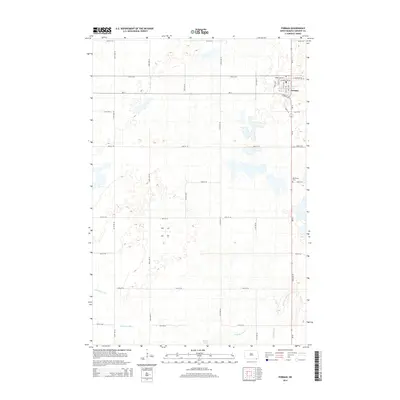 2014 Forman2014 Print · USGSSargent County's prairie landscape comes into focus here during the early twenty-first century. Genealogists and local historians can trace the town grid of Forman or locate the Old Trinity Cem near the banks of the Wild Rice River.
 - 2014 Map of Cogswell, 2014 Print
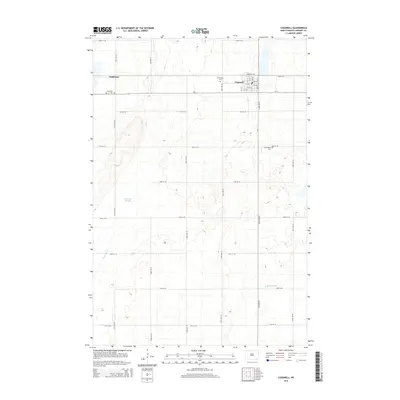 2014 Cogswell2014 Print · USGSCogswell and the surrounding Sargent County prairie are captured here in the early twenty-first century. Family history researchers can locate specific burial grounds including Mt Calvary Cem, Old Sargent Cem, and the quiet settlement of Nicholson.
 - 2015 Map of Newark, 2015 Print
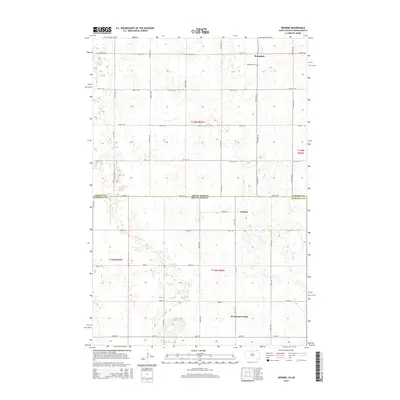 2015 Newark2015 Print · USGSThe borderlands of the Dakotas are captured here during the mid-2010s, showing a traditional agrarian landscape of sectional roads and small prairie settlements. Researchers can locate family sites near Brampton, the Brampton Cem, or the communal grounds of Westwood Colony.
 - 2015 Map of Kidder, 2015 Print
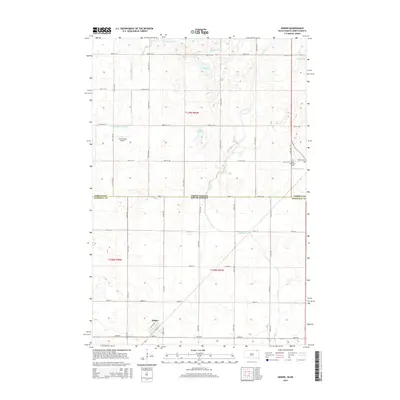 2015 Kidder2015 Print · USGSThe borderlands of North and South Dakota come into focus in the mid-2010s, showing a rural landscape defined by the Wild Rice River. Genealogists and local historians can locate Kidder, identify family plots at Holy Sepulcher Cem, and trace the path of County Ditch Number 9.
 - 2017 Map of Forman, 2017 Print
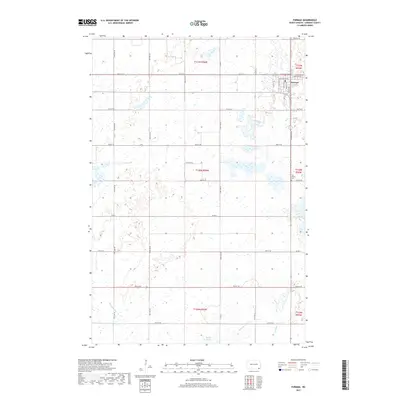 2017 Forman2017 Print · USGSThe town of Forman and the surrounding prairie of Sargent County are captured here in the late twenty-teens. Researchers can trace local genealogy at Old Trinity Cem or follow the meandering Wild Rice River as it flows past Buttke Lake.
 - 2017 Map of Newark, 2017 Print
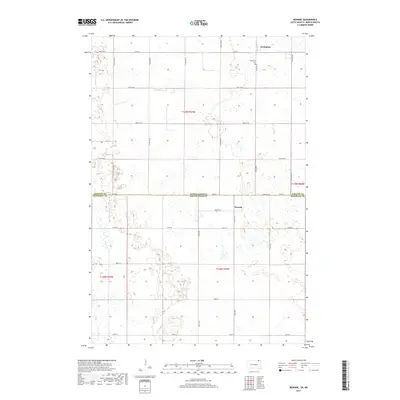 2017 Newark2017 Print · USGSThe North Dakota and South Dakota borderlands are captured here in the late twenty-teens, showing the rural landscape of the prairie. Genealogists can locate Brampton Cem and trace the historic township lines near Brampton and Newark.
 - 2017 Map of Kidder, 2017 Print
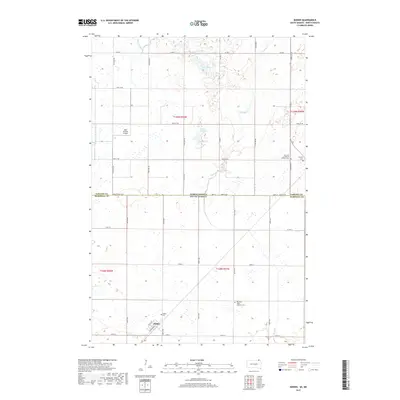 2017 Kidder2017 Print · USGSThe North Dakota and South Dakota borderlands come into focus in this late twenty-first-century survey of the Kidder area. Researchers can trace rural lineages at Our Lady of Rosary Catholic Cem, Kidder Cem, and the Pleasant Valley Lutheran Cem.
 - 2018 Map of Cogswell, 2018 Print
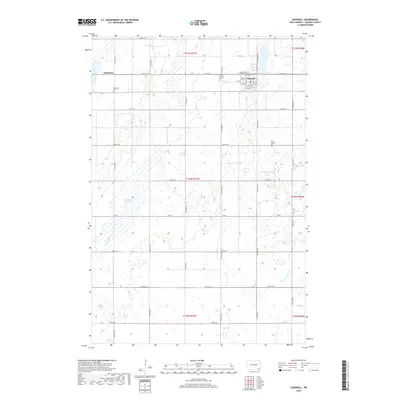 2018 Cogswell2018 Print · USGSSargent County's agricultural heartland is documented here in the early twenty-first century, centered on the grid-pattern streets of Cogswell. Researchers can trace local lineage through the Old Sargent Cem, Mount Calvary Cem, and the small settlement of Nicholson.
Showing maps 1-25 of 31
Top cities near Taylor Township
- Britton historical maps
- Forman historical maps
- Rutland historical maps
- Cogswell historical maps
- Havana historical maps
- Brampton Township historical maps
See more
Frequently asked questions
- What are the different types of historical maps available for Taylor Township?
- What is the oldest map of Taylor Township?
- Where can I purchase historical maps of Taylor Township for my home or office?
- Where can I download high-res historical maps of Taylor Township?
- Are there historical topographic maps available for Taylor Township?
- Is there historical aerial imagery available for Taylor Township?
- Where are historical maps of Taylor Township sourced from?