Old Maps of Steele County, North Dakota for Genealogy
Trace your family roots with 156 historic maps of Steele County. These high-res maps reveal old neighborhoods, homesites, landmarks, and streets — helping you uncover where your ancestors lived and how the area evolved over time.
- Explore historic neighborhoods: Identify where your relatives may have lived in the 1800s or 1900s.
- Compare maps over time: Trace the changes in streets, buildings, and landmarks for multi-generational research.
- Perfect for genealogy & ancestry research: Used by family historians and researchers to map out lineage and migration.
These maps are an incredible resource for exploring your personal connection to Steele County's past.
Steele County, ND maps
(156)- 1952 Map of Grand Forks, 1967 Print
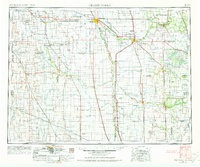 1952 Grand Forks1967 Print · USGSThe Red River Valley in the early fifties is shown here at the height of its rail-and-river agricultural economy. Researchers can locate small-town landmarks like the Pleasant View School, the Immanuel Lutheran Church, and trace the path of the Soo Line Railroad.3 unique versions available
 - 1956 Map of Grand Forks
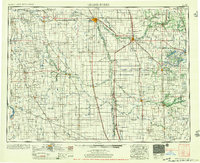 1956 Grand Forks1956 Print · USGSThe Red River Valley in the mid-fifties is captured here as a thriving corridor of grain elevators and rail-linked towns along the North Dakota and Minnesota border. Researchers can trace historic church sites like Immanuel Lutheran Church, vanished rail stops at Tilde Junction, and the boundaries of the White Earth Indian Reservation.
 - 1966 Map of Grand Forks
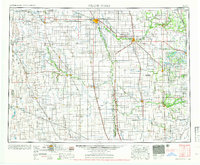 1966 Grand Forks1966 Print · USGSThe Red River Valley in the mid-sixties shows a landscape shaped by rail-line commerce and complex water management. Genealogists and historians can trace rail-side towns like Emerado and Hunter or locate rural landmarks like the Pleasant View Church.
 - 1966 Map of Galesburg, 1968 Print
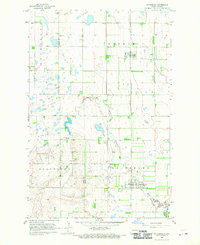 1966 Galesburg1968 Print · USGSIn the mid-1960s, the agricultural communities of Traill County were defined by the Great Northern rail line and the winding Elm River. Genealogists and local historians can trace the early layout of Clifford and Galesburg, or locate family sites near Clifford Cem and Elm River Cem.
 - 1966 Map of Hope SE, 1968 Print
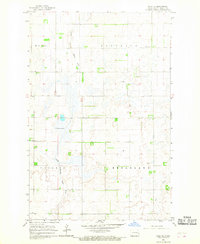 1966 Hope SE1968 Print · USGSSteele County's agricultural grid and prairie wetlands are documented here in the mid-1960s. Genealogists and local historians can trace property locations within Hugo and Broadlawn or locate landmarks like Fullers Lake and the Gravel Pit.
 - 1967 Map of Finley NE, 1969 Print
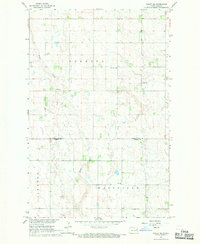 1967 Finley NE1969 Print · USGSThe rural border of Grand Forks and Steele counties is documented here in the mid-1960s, showing a settled landscape of townships and family farms. Genealogists and local researchers can locate community centers like West Union Ch, Hoff Ch, and the Silent Hill Cem.
 - 1967 Map of Blabon, 1969 Print
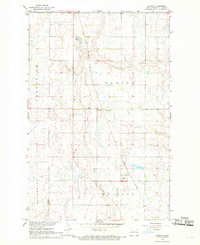 1967 Blabon1969 Print · USGSSteel County farmland and the Great Northern rail corridor are captured here during the late sixties. Genealogists and local historians can locate the St Petri Ch and St Petri Cem, as well as the small communities of Blabon and Pickert.
 - 1967 Map of Ayr NW, 1969 Print
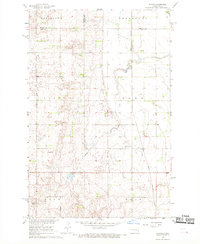 1967 Ayr NW1969 Print · USGSNorth Dakota's agricultural heartland is documented here in the late sixties at the intersection of Cass, Traill, and Steele Counties. Genealogists and local historians can trace the Great Northern rail line and identify family lands near Galesburg or the Conrad Landing Strip.2 unique versions available
 - 1967 Map of Page, 1969 Print
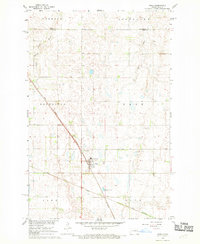 1967 Page1969 Print · USGSThe Page area and the Great Northern rail corridor are captured here during the late sixties. Researchers can trace the rural infrastructure of Cass County, from the Page Cem to local landmarks like the Water Tank and Nolan siding.
 - 1967 Map of Finley, 1969 Print
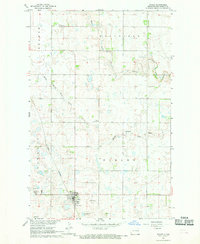 1967 Finley1969 Print · USGSThe Steele County prairie in the late sixties reveals a landscape of railroad-dependent commerce and scattered homesteads. Genealogists can trace family roots through several rural burial grounds like Ebenezer Cem and Gilbertson Cem, or locate landmarks like Ostervold Ch.
 - 1967 Map of Luverne, 1969 Print
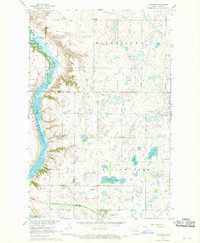 1967 Luverne1969 Print · USGSLuverne and the prairie wetlands of Steele and Griggs counties are captured here in the late sixties, just as the Sheyenne River valley was being reshaped. Researchers can trace the Great Northern rail line and locate rural landmarks like Lund Ch and the Pederson Cem.
 - 1967 Map of Sharon, 1969 Print
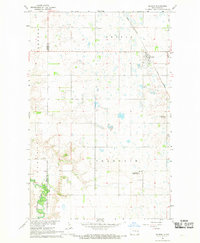 1967 Sharon1969 Print · USGSSteel County and Griggs County were defined by prairie rail towns and winding rivers during the late sixties. Genealogists and local historians can trace the Great Northern rail corridor through Sharon and locate family plots at Trinity Cem or Sharon Cem.
 - 1967 Map of Pillsbury, 1969 Print
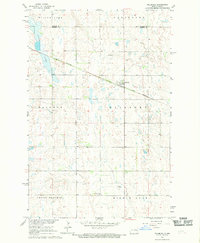 1967 Pillsbury1969 Print · USGSThe eastern North Dakota prairie comes into focus during the late sixties as agricultural patterns and rail transport define the landscape. Genealogists can locate the Minnie Lake Cem and trace the Great Northern railroad as it passes through Pillsbury.
 - 1967 Map of Aneta, 1969 Print
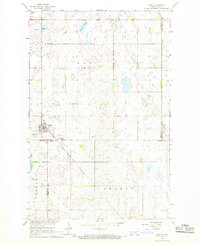 1967 Aneta1969 Print · USGSAneta and the surrounding prairie townships are captured here in the late 1960s at the meeting point of Nelson, Griggs, and Steele counties. Genealogists can trace family roots through landmarks like Silent Hill Cemetery, Norway Church, and the Great Northern rail line.
 - 1967 Map of Luverne NW, 1969 Print
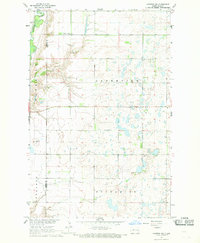 1967 Luverne NW1969 Print · USGSThe Griggs and Steele County line in the late sixties reveals a quiet prairie landscape shaped by the Sheyenne River. Genealogists and local historians can locate rural landmarks such as Sheyenne Valley Ch, Hofva Ch, and the Ness Ch Cem.
 - 1967 Map of Colgate, 1969 Print
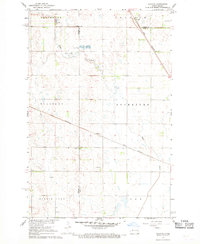 1967 Colgate1969 Print · USGSEastern North Dakota in the late sixties reveals a landscape shaped by the Great Northern railroad and the winding Maple River. Genealogists and local historians can trace the small settlements of Colgate and Walden during a period of steady agricultural industry.
 - 1967 Map of Sibley, 1969 Print
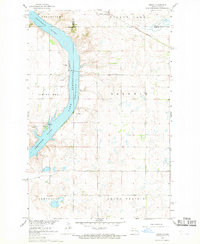 1967 Sibley1969 Print · USGSThe Sheyenne River valley and Lake Ashtabula are captured here in the late sixties, showing the intersection of water management and local prairie life. Genealogists and historians can trace the Sibley settlement, the Free Cem, and the path of the Great Northern railroad.
 - 1967 Map of Luverne SE, 1969 Print
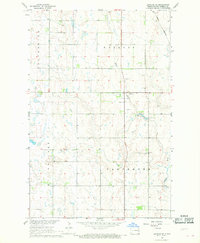 1967 Luverne SE1969 Print · USGSSteele County's prairie landscape is captured in the late sixties as the Missouri River Basin project documented this river-carved terrain. Researchers can trace the Great Northern rail line, the banks of Willow Lake, and local landmarks like the Hope Golf Club.
 - 1968 Map of Hope NE, 1970 Print
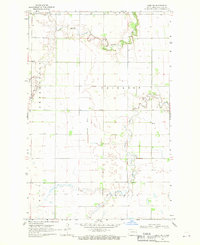 1968 Hope NE1970 Print · USGSSteele County's agricultural heartland is documented in the late sixties as the river systems shaped the rural landscape. Genealogists can trace family farmsteads near Perry Ch, the local Townhall, and along the winding Goose River.
 - 1968 Map of Galesburg, 1970 Print
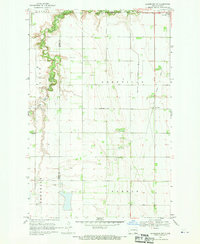 1968 Galesburg1970 Print · USGSThe Steele and Traill County line comes alive in the late sixties, showing the agricultural rhythm of townships like Roseville and Norman. Researchers can trace the Old Railroad Grade and locate local landmarks such as Trinity Ch and Bruflat Cem.
 - 1968 Map of Sherbrooke, 1970 Print
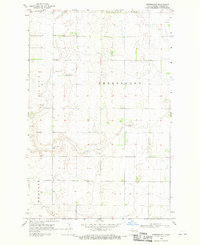 1968 Sherbrooke1970 Print · USGSThe Steele County prairie in the mid-1960s reveals a landscape of organized agriculture and small-town infrastructure. Genealogists and local historians can locate the Sherbrooke Cem and trace the section lines through Sherbrooke and Easton.
 - 1968 Map of Galesburg NW, 1970 Print
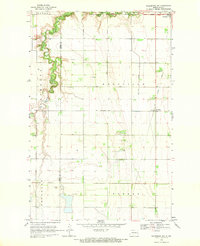 1968 Galesburg NW1970 Print · USGSTraill County's fertile Red River Valley landscape is shown in the late sixties as the river-fed agricultural system matured. Researchers can trace family sites near Portland, locate the Bruflat Cem, and follow the path of the Old Railroad Grade.
 - 1968 Map of Hope, 1970 Print
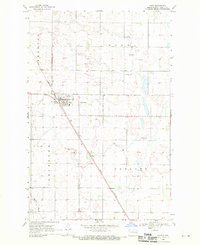 1968 Hope1970 Print · USGSThe town of Hope is captured in the late sixties as a thriving prairie rail stop at the junction of three townships. Genealogists and local historians can trace the GREAT NORTHERN railroad, locate the Hope Cem, and map old Gravel Pit operations.
 - 1970 Map of Northwood SE, 1972 Print
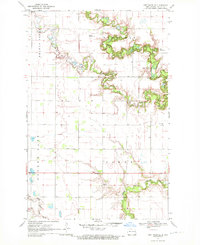 1970 Northwood SE1972 Print · USGSSteele County's rural townships were characterized by sprawling grain farms and quiet community centers in the 1970s. Researchers can pinpoint early landmarks like Little Forks Ch, the Townhall, and family burial sites including Stevens Memorial Cem.
 - 1970 Map of Hatton, 1972 Print
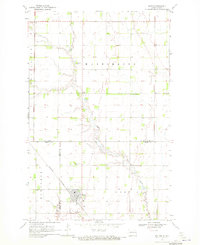 1970 Hatton1972 Print · USGSHatton and the surrounding prairie townships are captured here in the early 1970s at the intersection of Traill, Grand Forks, and Steele counties. Genealogists can locate family landmarks like St Johns Cem, Zoar Cem, and the rural Washington Prairie Ch.
Showing maps 1-25 of 156
Top cities of Steele County
- Finley historical maps
- Hope historical maps
- Sharon historical maps
- Colgate Township historical maps
- Sherbrooke Township historical maps
- Luverne historical maps
Frequently asked questions
- What are the different types of historical maps available for Steele County?
- What is the oldest map of Steele County?
- Where can I purchase historical maps of Steele County for my home or office?
- Where can I download high-res historical maps of Steele County?
- Are there historical topographic maps available for Steele County?
- Is there historical aerial imagery available for Steele County?
- Where are historical maps of Steele County sourced from?