Old Maps of Hamilton Township, Ohio
Explore 39 old maps of Hamilton Township, spanning from 1923 to today. These high-resolution historic maps reveal how streets, neighborhoods, landmarks, and natural features evolved over time — perfect for genealogy, metal detecting, research, and local history exploration.
What you can do with these maps:
- See how Hamilton Township changed over time: Compare historical maps to modern-day views to trace roads, homesites, rail lines & more.
- View detailed metadata: Each map includes creators, publishers, year, scale, and archive source.
- Overlay maps with satellite & LiDAR: Visualize the past alongside modern tools to explore terrain & human change.
- Trusted historical sources: Maps sourced from the USGS, Library of Congress, and other archives.
- Access maps your way: View online, download high-res files, or order prints for personal or research use.
Start exploring old maps of Hamilton Township to uncover forgotten places, hidden landmarks, and the deep history beneath your feet.
Hamilton Township, OH maps
(39)- 1923 Map of West Columbus, 1955 Print
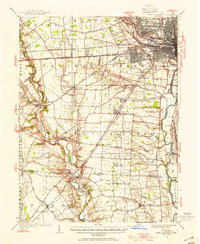 1923 West Columbus1955 Print · USGSFranklin County in the early twenties shows the growing western edge of Columbus and its surrounding rural townships. Genealogists and historians can trace the paths of the National Road and find landmarks like Camp Chase, Urbancrest, and Pisgah School.
 - 1925 Map of East Columbus, 1940 Print
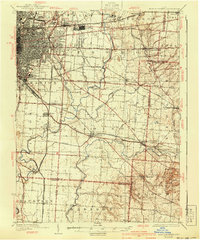 1925 East Columbus1940 Print · USGSGreater Columbus and its eastern suburbs were rapidly expanding in the 1920s as industry and transit lines bridged the gap between city and farm. Genealogists and historians can trace the paths of the ABANDONED CANAL, the legacy of NORTON FIELD, and old village centers like Canal Winchester and Lithopolis.3 unique versions available
 - 1925 Map of West Columbus, 1946 Print
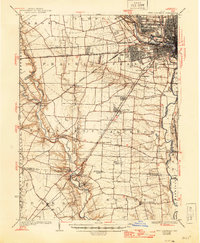 1925 West Columbus1946 Print · USGSFranklin and Pickaway counties are shown here in the mid-twenties, when the growing state capital met a landscape of electric railways and rural schoolhouses. Researchers can trace the National Road and locate sites like the Pisgah School, Mt Calvary Cemetery, and the State Hospital.
 - 1943 Map of East Columbus
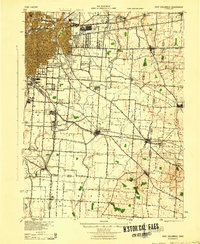 1943 East Columbus1943 Print · USGSEastern Columbus and the Refugee Tract are captured here during the mobilization of the early 1940s. Genealogists and historians can trace the foundations of modern aviation at Port Columbus or find vanished landmarks like the Childrens Home and Norton Field.
 - 1947 Map of Columbus, 1948 Print
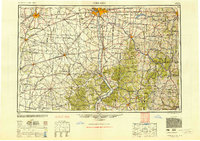 1947 Columbus1948 Print · USGSCentral Ohio in the late 1940s is captured in this survey, showing the post-war transition of its rail hubs and military airfield expansions. Genealogists and historians can trace the paths of the Ohio Canal, the Pennsylvania RR lines, and the Camp Sherman Military Reservation.
 - 1955 Map of Lockbourne, 1956 Print
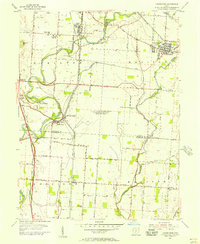 1955 Lockbourne1956 Print · USGSSouth of Columbus in the mid-fifties, the landscape is defined by the massive Lockbourne Air Force Base. Genealogists can trace family names at Watkins Cem or locate the Scioto Valley Grange and Township High Sch.
 - 1955 Map of Commercial Point, 1956 Print
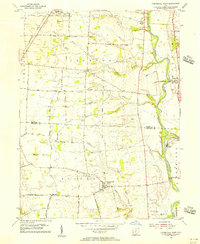 1955 Commercial Point1956 Print · USGSPickaway and Franklin counties appear here in the mid-fifties, dominated by the Scioto River valley and a traditional agricultural landscape. Researchers can trace historic family properties like the James Borror Farm or locate rural burial sites such as Beckett Cem and Seeds Cem.
 - 1955 Map of Southwest Columbus, 1956 Print
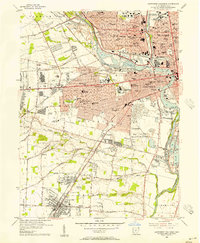 1955 Southwest Columbus1956 Print · USGSMid-century Franklin County is captured here during a period of significant urban growth and industrial activity. Researchers can trace the development of neighborhoods like Grove City and Urbancrest, or locate family landmarks at Greenlawn Cemetery and Salem Ch.
 - 1955 Map of Southeast Columbus, 1957 Print
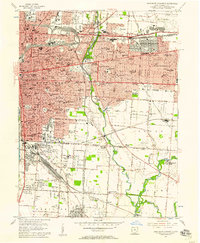 1955 Southeast Columbus1957 Print · USGSSoutheast of downtown Columbus in the mid-fifties, this area shows a dense landscape of parochial schools and major transit junctions. Genealogists and local historians can trace legacy sites like Evergreen Burial Park and the vanished crossroads of Valley Crossing or Munks Corners.
 - 1961 Map of Columbus
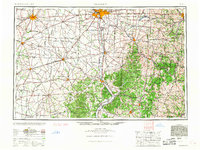 1961 Columbus1961 Print · USGSCentral and Southern Ohio are captured here in the early sixties, as the region's industrial rail hubs and military bases reached their peak. Genealogists and historians can trace the transition from urban Columbus to rural townships along the Scioto River, locating Lockbourne USAF and old junctions like Washington Court House.
 - 1962 Map of Columbus
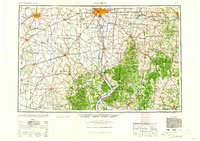 1962 Columbus1962 Print · USGSCentral Ohio during the early sixties reveals a transition from the industrial corridors of Columbus to the forested ridges of the south. Genealogists and historians can trace the rail networks of the Baltimore & Ohio RR and find local landmarks like Washington Court House and Camp Sherman Military Reservation.
 - 1964 Map of Southeast Columbus, 1966 Print
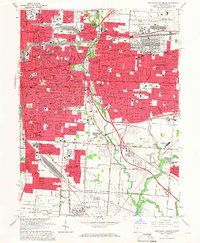 1964 Southeast Columbus1966 Print · USGSSoutheast Columbus and the surrounding Franklin County suburbs are captured during a decade of rapid growth and rail-to-highway transition. Genealogists and local historians can trace family-named sites and vanished junctions like Munks Corners, Valley Crossing, and the Columbus Motor Speedway.5 unique versions available
 - 1964 Map of Lockbourne, 1966 Print
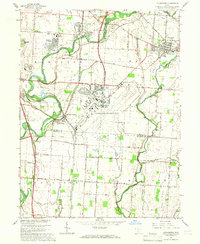 1964 Lockbourne1966 Print · USGSIn the mid-1960s, southern Franklin County saw its rural character meet the expanding footprint of the Cold War military. Genealogists and local historians can trace family-named sites and vanished landmarks from Watkins Cem to the sprawling Lockbourne Air Force Base.3 unique versions available
 - 1965 Map of Southwest Columbus, 1967 Print
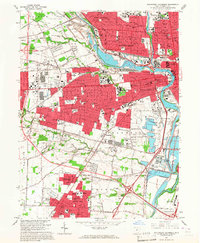 1965 Southwest Columbus1967 Print · USGSSouthwest Columbus and Grove City are shown here during a period of rapid mid-century expansion along the Scioto River. Genealogists and researchers can trace family landmarks like Greenlawn Cemetery, Beulah Park, and the Ohio State Penitentiary.5 unique versions available
 - 1966 Map of Commercial Point, 1968 Print
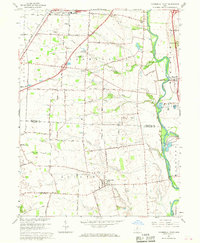 1966 Commercial Point1968 Print · USGSPickaway and Franklin counties in the mid-sixties show a landscape of traditional family farms beginning to meet modern institutional expansion. Genealogists can locate Seeds Cemetery and Beckett Cemetery or trace the early footprint of Matville and the Orient State Institute.2 unique versions available
 - 1967 Map of Columbus, 1969 Print
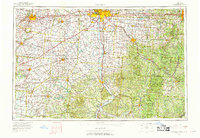 1967 Columbus1969 Print · USGSCentral Ohio during the late sixties serves as a vital corridor of rail and aviation, from the industrial streets of Springfield to the hangar lines of Lockbourne Air Force Base. Genealogists and researchers can trace the growth of towns like Circleville and London or locate rural landmarks such as St Paul church and the London Correctional Institution.2 unique versions available
 - 1984 Map of Lancaster, 1985 Print
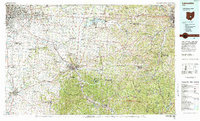 1984 Lancaster1985 Print · USGSCentral Ohio and the Hocking Valley come into focus during the mid-eighties as suburban growth meets the wooded ridges of the southeast. Researchers can trace transportation networks through Buckeye Lake or locate landmarks like Flint Ridge State Memorial and Moxahala Park.
 - 1986 Map of Springfield
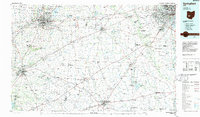 1986 Springfield1986 Print · USGSCentral Ohio in the mid-1980s shows the bustling rail-and-road network connecting Springfield and Xenia to the western outskirts of Columbus. Researchers can trace old family sites and transit routes through Glen Haven Mem Cem, Madison Lake State Park, and the CONRAIL line.2 unique versions available
 - 1992 Map of Lockbourne, 1995 Print
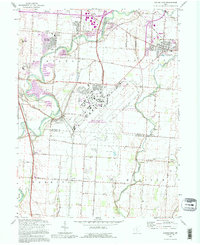 1992 Lockbourne1995 Print · USGSThe Scioto River valley south of Columbus appears here during the early nineties, showing the intersection of military history and rural tradition. Genealogists can trace family landmarks like Fernwood Cem, St Vincents Ch, and the remnants of the Ohio Canal.
 - 2010 Map of Commercial Point, 2010 Print
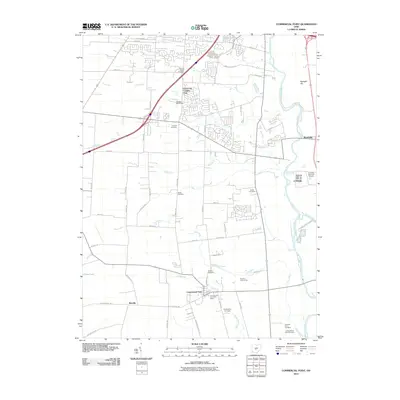 2010 Commercial Point2010 Print · USGSThe Scioto River valley south of Columbus shows a blend of growing residential pockets and deep-rooted family farms in the early 2000s. Genealogists can locate several historic burial sites, including Thomas Adams Cemetery and the James Borrer Farm Cemetery.
 - 2010 Map of Southwest Columbus, 2010 Print
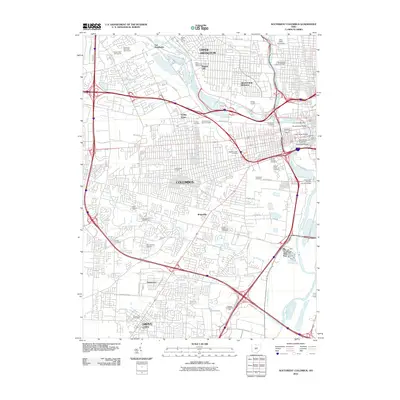 2010 Southwest Columbus2010 Print · USGSThe suburbs of southwest Columbus and Grove City are captured in detail during the early twenty-first century. Researchers can trace historic burial sites and neighborhoods including the Old Insane and Penal Cemetery, Franklinton Cemetery, and the San Margherita settlement.
 - 2010 Map of Southeast Columbus, 2010 Print
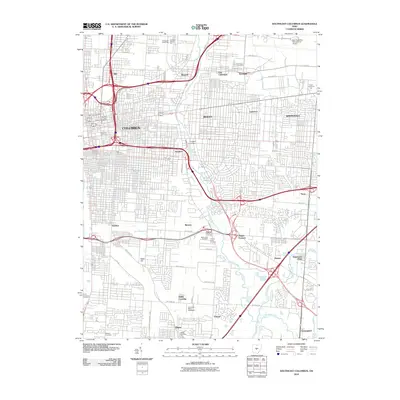 2010 Southeast Columbus2010 Print · USGSSoutheast Columbus in 2010 shows a mature metropolitan landscape defined by major aviation hubs and historic industrial districts. Researchers can locate family roots at Evergreen Burial Park or trace the early development of Munks Corners and Steelton.
 - 2010 Map of Lockbourne, 2010 Print
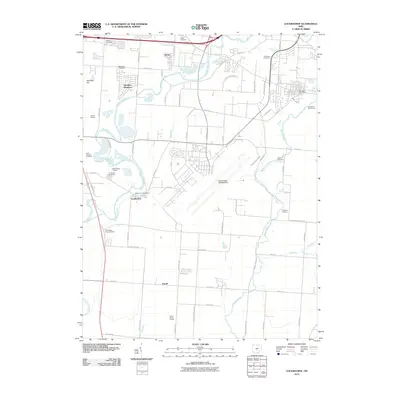 2010 Lockbourne2010 Print · USGSFranklin and Pickaway Counties in the early twenty-first century show a landscape of growing logistics hubs and military aviation. Genealogists can trace family plots at Watkins Cemetery and Paul Peters Farm Cemetery near Duvall.
 - 2013 Map of Lockbourne, 2013 Print
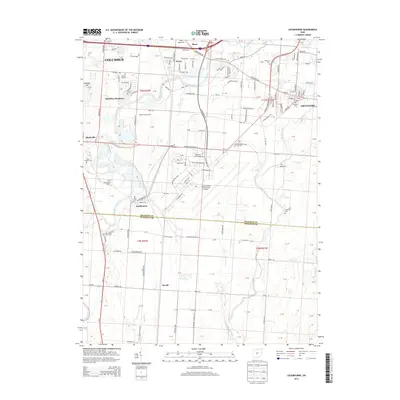 2013 Lockbourne2013 Print · USGSThe southern fringes of the Columbus metro area meet the Pickaway County line in this modern study of aviation and agriculture. Researchers can trace historic family burial sites like Walnut Hill Cem and Paul Peters Farm Cem near the Lockbourne village limits.
 - 2013 Map of Southeast Columbus, 2013 Print
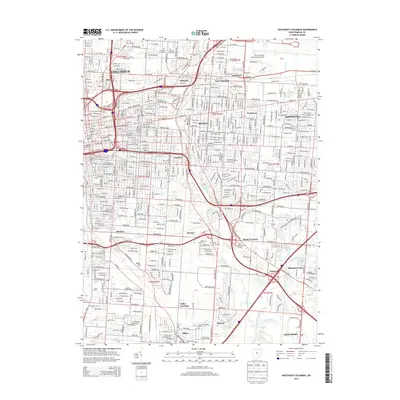 2013 Southeast Columbus2013 Print · USGSThe eastern suburbs of Columbus are shown in detail during their modern maturity, from the academic heart of Bexley to the industrial corridors of Steelton. Researchers can locate several historic burial grounds like Evergreen Burial Park and Agudas Achim Cem, or trace the rail lines of the Norfolk Southern.
Showing maps 1-25 of 39
Top cities near Hamilton Township
- Columbus historical maps
- Dublin historical maps
- Hilliard historical maps
- Upper Arlington historical maps
- Reynoldsburg historical maps
- Gahanna historical maps
See more
Top neighborhoods of Hamilton Township
- Shadeville historical maps
- Lockbourne historical maps
- Reese historical maps
- Hamilton Meadows historical maps
Frequently asked questions
- What are the different types of historical maps available for Hamilton Township?
- What is the oldest map of Hamilton Township?
- Where can I purchase historical maps of Hamilton Township for my home or office?
- Where can I download high-res historical maps of Hamilton Township?
- Are there historical topographic maps available for Hamilton Township?
- Is there historical aerial imagery available for Hamilton Township?
- Where are historical maps of Hamilton Township sourced from?