Old Maps of Franklin Park, Toledo for Academic Research
Study the evolution of Franklin Park with 20 high-resolution historic maps. Whether you're teaching, researching, or modeling changes in land use, these maps provide essential visual documentation of urban, environmental, and geographic change.
- Analyze long-term change: Track patterns in development, transportation, and natural features.
- Ideal for environmental or urban studies: Support academic projects with primary historical map data.
- Use in the classroom or lab: Educators and researchers rely on these maps to bring historical context to life.
These maps are a powerful tool for teaching, research, and visualizing how Franklin Park has changed over the decades.
Franklin Park, Toledo maps
(20)- 1900 Map of Toledo, 1932 Print
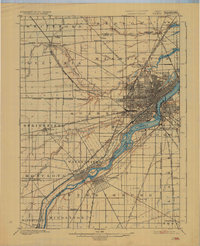 1900 Toledo1932 Print · USGSToledo and the lower Maumee River valley are shown at the height of the railroad era, as the city expanded into an industrial powerhouse. Researchers can trace early infrastructure like the Michigan Division Canal and locate historic sites like the Toledo Insane Asylum or the Oil Wells near Lime City.
 - 1937 Map of Sylvania
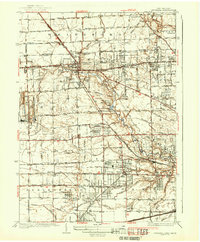 1937 Sylvania1937 Print · USGSSylvania and the Ohio-Michigan borderlands are shown in the mid-1930s as limestone extraction and suburban neighborhoods began to reshape the landscape. Researchers can trace local industry at Medusa Quarry or locate vanished rural landmarks like Dorr St Sch and the Boy Scout Reservation.2 unique versions available
 - 1938 Map of Toledo
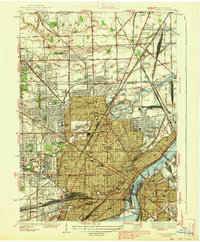 1938 Toledo1938 Print · USGSIn the late thirties, this industrial hub was defined by the confluence of the Maumee River and an immense railroad network. Genealogists and historians can trace the early layout of Toledo University, numerous family cemeteries like Southard Cem, and rail landmarks including Air Line Junction.2 unique versions available
 - 1951 Map of Sylvania, 1952 Print
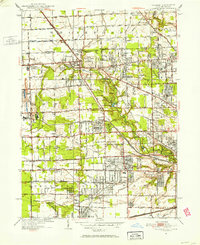 1951 Sylvania1952 Print · USGSSylvania and the northern edge of Lucas County appear here in the early fifties, caught between its rail-industrial roots and growing suburban leisure. Researchers can trace family sites from Toledo Memorial Park and Cemetery to vanished landmarks like the Drive-In Theater and Franklin Airport.2 unique versions available
 - 1952 Map of Toledo, 1954 Print
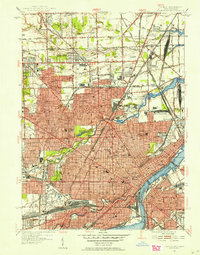 1952 Toledo1954 Print · USGSToledo at the height of its mid-century industrial era shows a landscape defined by massive rail yards and riverfront commerce. Genealogists can trace family neighborhoods near Woodlawn Cemetery, St Vincent Hospital, and the many tracks of the New York Central.2 unique versions available
 - 1956 Map of Toledo, 1968 Print
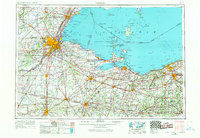 1956 Toledo1968 Print · USGSNorthwest Ohio and the Lake Erie shoreline are shown in detail during the late fifties, showcasing a landscape of heavy industry, railroads, and island communities. Genealogists and historians can trace rail networks like the Chesapeake & Ohio RR or locate landmarks such as the Erie Proving Ground and Kelleys Island.4 unique versions available
 - 1961 Map of Toledo
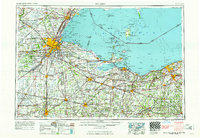 1961 Toledo1961 Print · USGSThe western basin of Lake Erie and the industrial heart of Northern Ohio are captured here during the post-war era. Researchers can trace historical rail lines like the New York Central or locate landmarks like the Erie Ordnance Depot and Pelee Island.
 - 1965 Map of Sylvania, 1967 Print
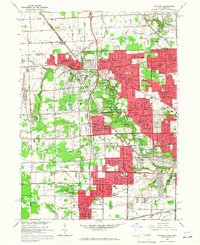 1965 Sylvania1967 Print · USGSGreater Toledo and Sylvania are captured during a period of significant suburban expansion in the mid-1960s. Genealogists and local historians can map out family landmarks like Toledo Memorial Park, St Theresa Ch, and schools from Silica to Ottawa Hills.3 unique versions available
 - 1965 Map of Toledo, 1968 Print
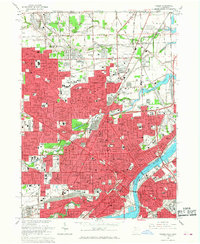 1965 Toledo1968 Print · USGSToledo at the height of its mid-century development shows a landscape defined by the Maumee River and a massive rail network. Genealogists can trace family roots through neighborhood schools like DeVilbiss High Sch and find resting places in Woodlawn Cemetery.4 unique versions available
 - 1986 Map of Toledo
 1986 Toledo1986 Print · USGSGreater Toledo and the Lake Erie shoreline are captured here in the mid-eighties, showcasing a massive network of industrial waterways and rail lines. You can trace the path of the Maumee River past Rossford or explore the conservation lands at Ottawa National Wildlife Refuge.2 unique versions available
 - 2011 Map of Sylvania, 2011 Print
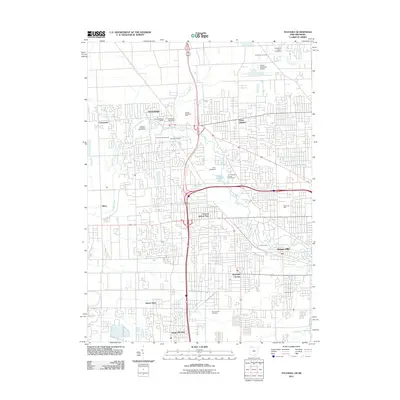 2011 Sylvania2011 Print · USGSSylvania and the northern suburbs of Toledo are shown here in the early twenty-first century as established residential communities. Local historians can trace the grounds of Camp Miakonda, the Toledo Suburban Airport, and several local burial sites like Joy Cemetery.
 - 2011 Map of Toledo, 2011 Print
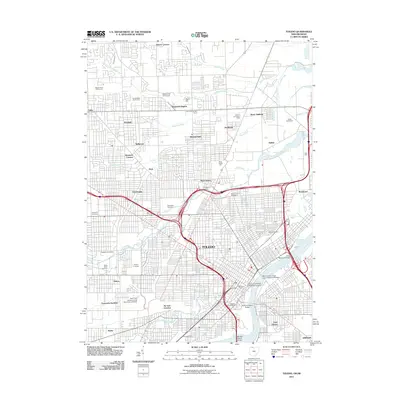 2011 Toledo2011 Print · USGSToledo and the Maumee River are shown at a peak of modern urban development just after the millennium. Researchers can trace the industrial layout of Air Line Junction, locate family plots in Woodlawn Cemetery, or find landmarks like Glass Bowl Stadium.
 - 2013 Map of Toledo, 2013 Print
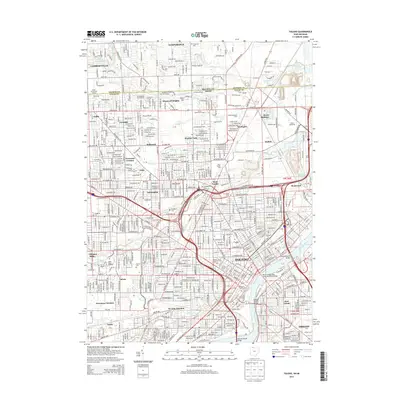 2013 Toledo2013 Print · USGSThe industrial and academic heart of Lucas County comes into focus in the early 2010s as it spans the border into Michigan. Researchers can trace the development of Toledo through its historic cemeteries like Woodlawn Cem and major landmarks including the University of Toledo.
 - 2013 Map of Sylvania, 2013 Print
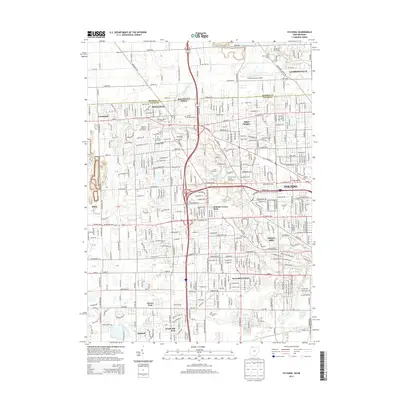 2013 Sylvania2013 Print · USGSCrossing the state line into Lucas County, this modern survey documents the growth and community layout of the area northwest of Toledo. Genealogists and historians can trace numerous burial grounds and institutions like Toledo Memorial Park, Lourdes Coll, and the Whiteford Union Cemetery.
 - 2016 Map of Toledo, 2016 Print
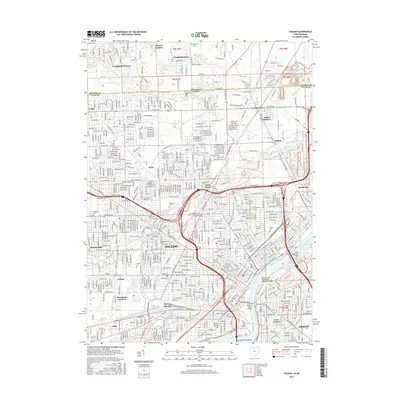 2016 Toledo2016 Print · USGSToledo and the Ohio-Michigan borderlands are shown here in the mid-2010s, centered on the busy riverfront and rail corridors. Researchers can trace the extensive grounds of Woodlawn Cemetery or locate industrial sites near Air-Line Junction and the Maumee River.
 - 2016 Map of Sylvania, 2016 Print
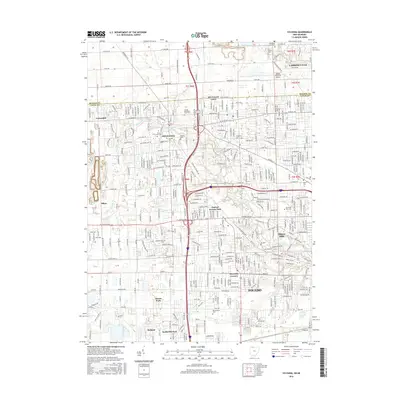 2016 Sylvania2016 Print · USGSThe northern suburbs of Toledo meet the Michigan state line during this era of modern residential and institutional expansion. Local researchers can trace the developed landscape of Sylvania and Ottawa Hills or locate family plots in Toledo Memorial Park Cemetery and Porta Coeli Cemetery.
 - 2019 Map of Toledo, 2019 Print
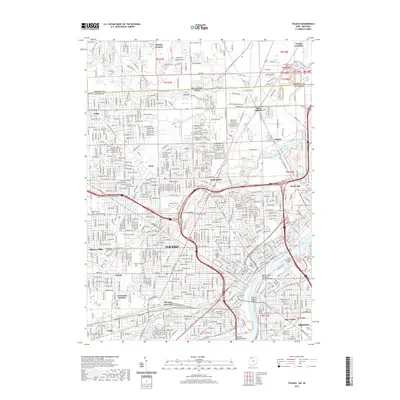 2019 Toledo2019 Print · USGSToledo and the Maumee River waterfront are shown in extensive detail during the late 2010s. Researchers can trace neighborhood development near Ottawa Hills or locate family sites at Forest Cem and the Air-Line Junction rail hub.
 - 2019 Map of Sylvania, 2019 Print
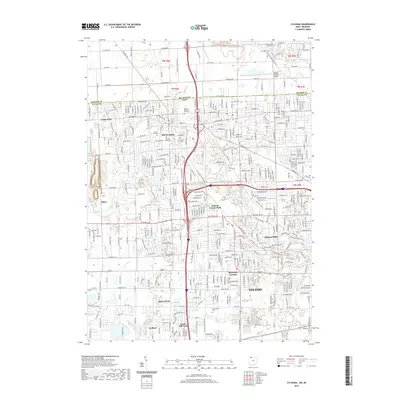 2019 Sylvania2019 Print · USGSThe suburbs of West Toledo and Sylvania are captured here in the late twenty-tens, showing the area's modern residential and institutional expansion. Researchers can trace local landmarks like Lourdes University, the Toledo Suburban Airport, and several large historic burial grounds including Toledo Memorial Park Cem.
 - 2023 Map of Sylvania, 2023 Print
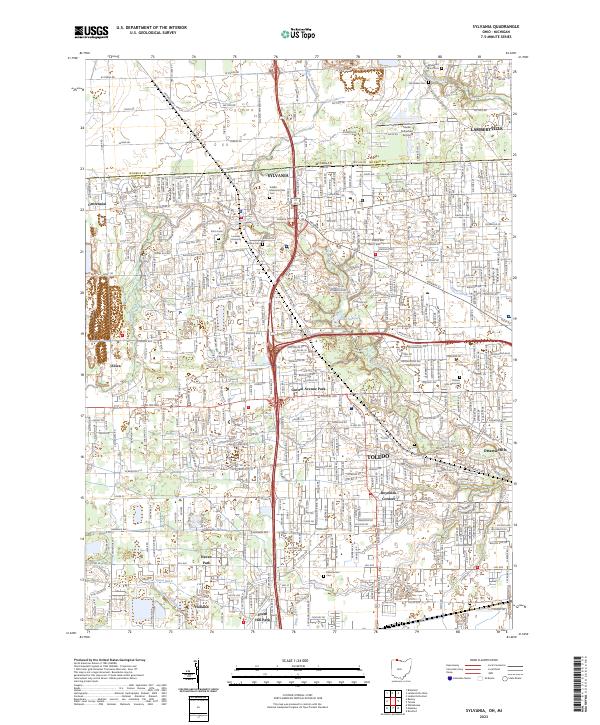 2023 Sylvania2023 Print · USGSCrossing the Michigan-Ohio border in the early twenty-first century, this area shows the dense suburban growth between Toledo and Sylvania. Researchers can trace local history through Toledo Suburban Airport, Lourdes University, and family plots at Van Auken Cem.
 - 2023 Map of Toledo, 2023 Print
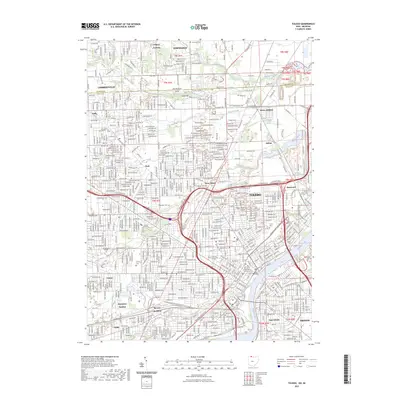 2023 Toledo2023 Print · USGSToledo and the Maumee River waterfront appear in extensive detail during the early twenty-first century. Researchers can trace the massive rail infrastructure at Air Line Junction and locate family landmarks like Calvary Cem or the University of Toledo.
End of results
Showing maps 1-20 of 20
Frequently asked questions
- What are the different types of historical maps available for Franklin Park?
- What is the oldest map of Franklin Park?
- Where can I purchase historical maps of Franklin Park for my home or office?
- Where can I download high-res historical maps of Franklin Park?
- Are there historical topographic maps available for Franklin Park?
- Is there historical aerial imagery available for Franklin Park?
- Where are historical maps of Franklin Park sourced from?