Old Maps of Green, Oklahoma for Genealogy
Trace your family roots with 12 historic maps of Green. These high-res maps reveal old neighborhoods, homesites, landmarks, and streets — helping you uncover where your ancestors lived and how the area evolved over time.
- Explore historic neighborhoods: Identify where your relatives may have lived in the 1800s or 1900s.
- Compare maps over time: Trace the changes in streets, buildings, and landmarks for multi-generational research.
- Perfect for genealogy & ancestry research: Used by family historians and researchers to map out lineage and migration.
These maps are an incredible resource for exploring your personal connection to Green's past.
Green, OK maps
(12)- 1896 Map of Pryor, 1963 Print
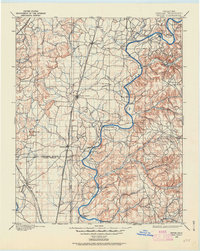 1896 Pryor1963 Print · USGSThe Cherokee Nation comes into focus during the late nineteenth century as railroads began to transform the Indian Territory landscape. Genealogists and historians can trace essential river crossings like Sixkiller Ferry and Adams Ford or locate early settlements such as Bushyhead and Mazie.
 - 1901 Map of Pryor
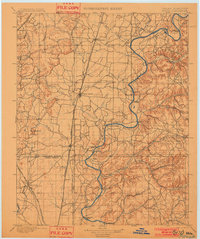 1901 Pryor1901 Print · USGSIndian Territory at the turn of the century shows a landscape transitioning from tribal lands to a rail-connected frontier. Genealogists and historians can trace early river crossings like Markham Ferry and Dirteater Ford alongside frontier settlements like Choteau and Bushyhead.5 unique versions available
 - 1954 Map of Tulsa
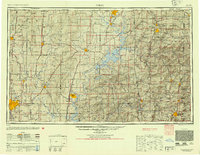 1954 Tulsa1954 Print · USGSNortheast Oklahoma and the Ozark border are shown here during a period of massive industrial and infrastructure growth. Researchers can trace the legacy of the Tri-State Mining District and the development of major reservoirs like Grand Lake O' The Cherokees.2 unique versions available
 - 1958 Map of Tulsa, 1968 Print
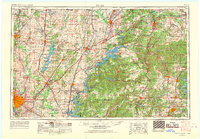 1958 Tulsa1968 Print · USGSNortheast Oklahoma and the Ozark borderlands are captured here during a massive era of reservoir construction and highway expansion. Researchers can trace the mid-century footprints of Tulsa, the sprawling Lake O' the Cherokees, and historical sites like Pea Ridge National Military Park.3 unique versions available
 - 1963 Map of Tulsa
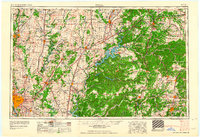 1963 Tulsa1963 Print · USGSThe Oklahoma and Arkansas borderlands are shown here in the early sixties, a time of massive reservoir construction and heavy mining. Genealogists can trace family roots through settlements like Nowata, Pryor, and Jay, or locate historical zinc and lead mines and coal mines.
 - 1969 Map of Adair, 1971 Print
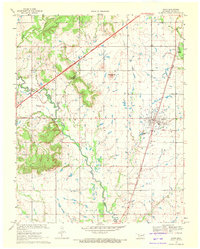 1969 Adair1971 Print · USGSMayes County at the end of the sixties shows a landscape of prairie hills and growing transit corridors. Genealogists and local historians can trace the community through Adair, Pleasant Hope Ch, and the landmark Jesse James Hill.
 - 1985 Map of Tulsa
 1985 Tulsa1985 Print · USGSNortheastern Oklahoma in the mid-eighties shows a landscape shaped by massive reservoirs and a bustling transportation network. Researchers can trace the path of the Will Rogers Turnpike or locate local landmarks like Mohawk Park and Oologah Lake.2 unique versions available
 - 2010 Map of Adair, 2010 Print
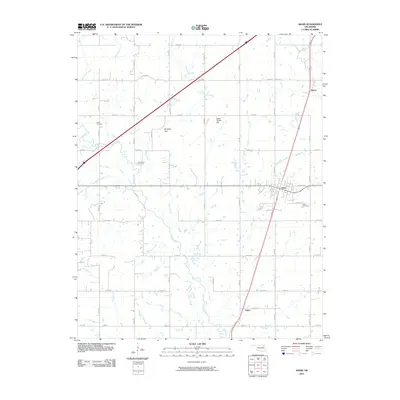 2010 Adair2010 Print · USGSAdair and the surrounding Mayes County ranchlands are captured here in the early twenty-first century. Researchers can trace family sites near Rider Cemetery or explore local landmarks like Jesse James Hill and Whiskey Gap.
 - 2012 Map of Adair, 2012 Print
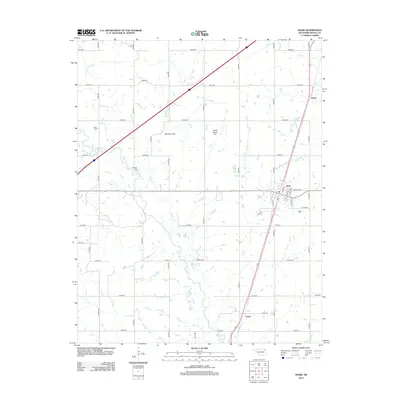 2012 Adair2012 Print · USGSAdair and the surrounding Mayes County ranching and creek lands are captured here in the early 2010s. Researchers can locate family heritage sites like Rider Cem and Adair Cem, or trace the winding course of Pryor Cr past Jesse James Hill.
 - 2016 Map of Adair, 2016 Print
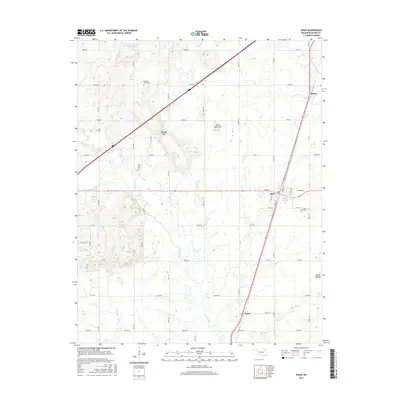 2016 Adair2016 Print · USGSAdair and the surrounding Mayes County ranchlands are documented here in the mid-2010s. Genealogists and local historians can locate several burial sites like Rider Cem and Pleasant Hope Cem or trace terrain landmarks like Jesse James Hill and Whiskey Gap.
 - 2019 Map of Adair, 2019 Print
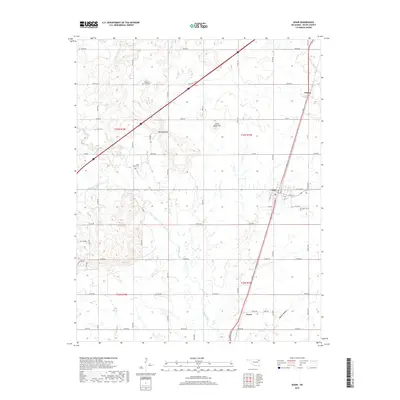 2019 Adair2019 Print · USGSMayes County settlement and agriculture are well established in the Cherokee Nation during the late 2010s. Researchers can locate family roots at Adair Cem, Hope Cem, and Rider Cem, or trace local landmarks like Jesse James Hill and Whiskey Gap.
 - 2023 Map of Adair, 2023 Print
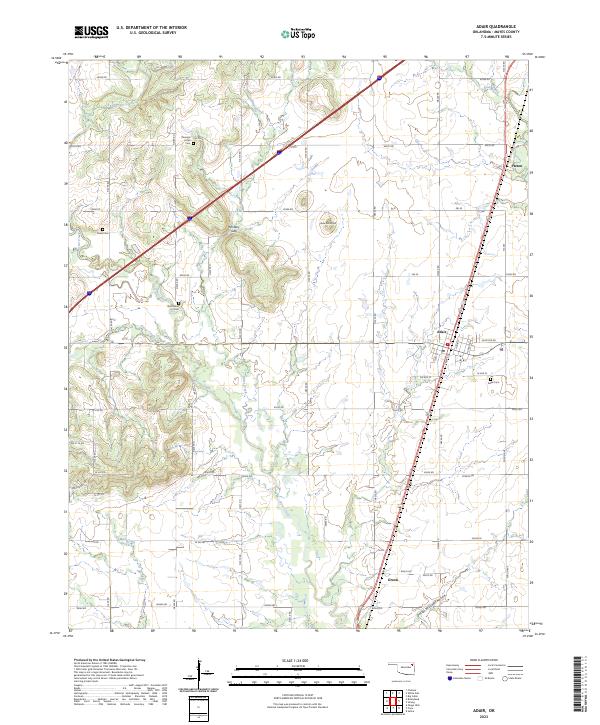 2023 Adair2023 Print · USGSAdair and the surrounding Mayes County countryside are captured in this modern survey of eastern Oklahoma. Genealogists can trace family roots through several local burial sites like Pleasant Hope Cem and landmarks such as Jesse James Hill and Whiskey Gap.
End of results
Showing maps 1-12 of 12
Top cities near Green
- Claremore historical maps
- Pryor Creek historical maps
- Vinita historical maps
- Chelsea historical maps
- Chouteau historical maps
- Inola historical maps
See more
Frequently asked questions
- What are the different types of historical maps available for Green?
- What is the oldest map of Green?
- Where can I purchase historical maps of Green for my home or office?
- Where can I download high-res historical maps of Green?
- Are there historical topographic maps available for Green?
- Is there historical aerial imagery available for Green?
- Where are historical maps of Green sourced from?