Old Maps of Pryor Creek, Oklahoma for Academic Research
Study the evolution of Pryor Creek with 18 high-resolution historic maps. Whether you're teaching, researching, or modeling changes in land use, these maps provide essential visual documentation of urban, environmental, and geographic change.
- Analyze long-term change: Track patterns in development, transportation, and natural features.
- Ideal for environmental or urban studies: Support academic projects with primary historical map data.
- Use in the classroom or lab: Educators and researchers rely on these maps to bring historical context to life.
These maps are a powerful tool for teaching, research, and visualizing how Pryor Creek has changed over the decades.
Pryor Creek, OK maps
(18)- 1896 Map of Pryor, 1963 Print
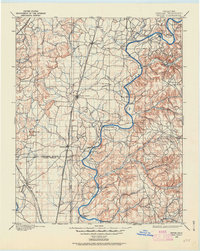 1896 Pryor1963 Print · USGSThe Cherokee Nation comes into focus during the late nineteenth century as railroads began to transform the Indian Territory landscape. Genealogists and historians can trace essential river crossings like Sixkiller Ferry and Adams Ford or locate early settlements such as Bushyhead and Mazie.
 - 1901 Map of Pryor
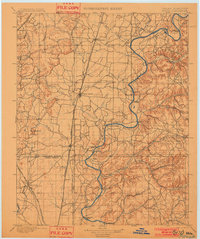 1901 Pryor1901 Print · USGSIndian Territory at the turn of the century shows a landscape transitioning from tribal lands to a rail-connected frontier. Genealogists and historians can trace early river crossings like Markham Ferry and Dirteater Ford alongside frontier settlements like Choteau and Bushyhead.5 unique versions available
 - 1954 Map of Tulsa
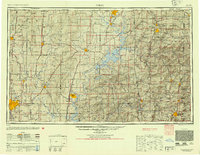 1954 Tulsa1954 Print · USGSNortheast Oklahoma and the Ozark border are shown here during a period of massive industrial and infrastructure growth. Researchers can trace the legacy of the Tri-State Mining District and the development of major reservoirs like Grand Lake O' The Cherokees.2 unique versions available
 - 1958 Map of Tulsa, 1968 Print
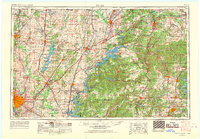 1958 Tulsa1968 Print · USGSNortheast Oklahoma and the Ozark borderlands are captured here during a massive era of reservoir construction and highway expansion. Researchers can trace the mid-century footprints of Tulsa, the sprawling Lake O' the Cherokees, and historical sites like Pea Ridge National Military Park.3 unique versions available
 - 1963 Map of Tulsa
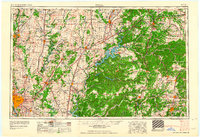 1963 Tulsa1963 Print · USGSThe Oklahoma and Arkansas borderlands are shown here in the early sixties, a time of massive reservoir construction and heavy mining. Genealogists can trace family roots through settlements like Nowata, Pryor, and Jay, or locate historical zinc and lead mines and coal mines.
 - 1970 Map of Chouteau, 1972 Print
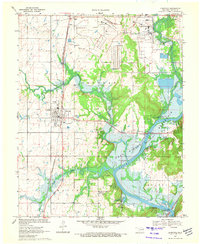 1970 Chouteau1972 Print · USGSMayes County in the early seventies shows a landscape defined by the arrival of heavy industry and the winding waters of the Neosho. Researchers can trace family sites like Sixkiller Cem and Lusta or explore the recreational shoreline at Mission Bend Public Use Area.4 unique versions available
 - 1970 Map of Pryor, 1972 Print
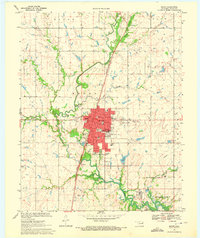 1970 Pryor1972 Print · USGSPryor and the surrounding Mayes County plains are captured here in the early seventies as industrial and residential growth shaped the landscape. Genealogists and local historians can locate the Whitaker State Childrens Home, trace the Missouri-Kansas-Texas rail line, or find family plots in Fairview and Graham Memorial Cem.2 unique versions available
 - 1985 Map of Tulsa
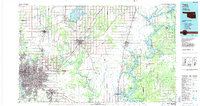 1985 Tulsa1985 Print · USGSNortheastern Oklahoma in the mid-eighties shows a landscape shaped by massive reservoirs and a bustling transportation network. Researchers can trace the path of the Will Rogers Turnpike or locate local landmarks like Mohawk Park and Oologah Lake.2 unique versions available
 - 2010 Map of Chouteau, 2010 Print
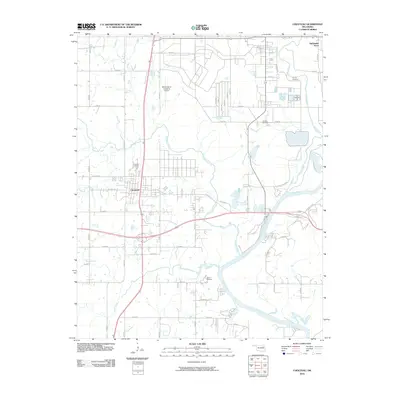 2010 Chouteau2010 Print · USGSChouteau and the Neosho River valley are captured here in the early twenty-first century, showing a mix of industrial utility and historic local landmarks. Researchers can locate family burial grounds like Sixkiller and Alberty Cemetery, or trace the development around Mid-America Industrial Airport.
 - 2010 Map of Pryor, 2010 Print
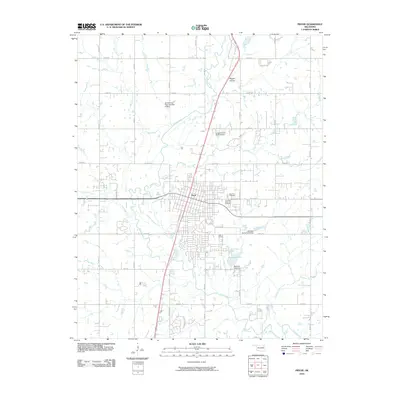 2010 Pryor2010 Print · USGSPryor and its surrounding Mayes County landscape are documented here at the end of the first decade of the 2000s. Researchers can trace local lineage at Fairview Cemetery and Graham Memorial Cemetery or explore the hydrology of Pryor Creek and Scarbow Lake.
 - 2012 Map of Pryor, 2012 Print
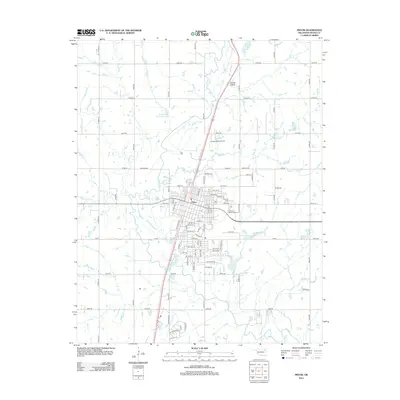 2012 Pryor2012 Print · USGSOklahoma's Green Country comes into focus during the early twenty-first century as the city of Pryor expands into the surrounding countryside. Genealogists and local historians can trace legacy landmarks from Fairview Cem and Graham Memorial Cem to Whitaker Home Pond.
 - 2012 Map of Chouteau, 2012 Print
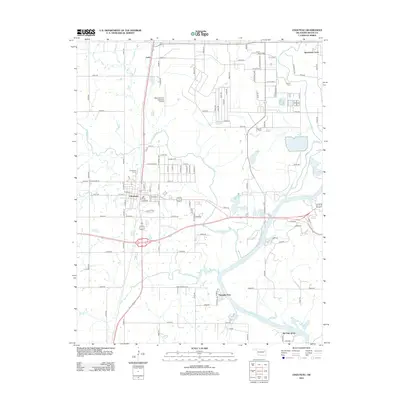 2012 Chouteau2012 Print · USGSMayes County in the early twenty-first century reveals a landscape where historical burial grounds and rural settlements meet modern industry. Genealogists and local historians can locate Chouteau Cem, Sixkiller Cem, and trace development near the Mid-America Industrial Airport.
 - 2016 Map of Pryor, 2016 Print
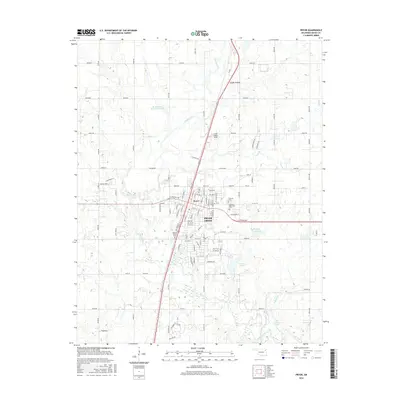 2016 Pryor2016 Print · USGSPryor Creek and the surrounding Mayes County plains are shown here during a period of modern growth and historical preservation. Genealogists can locate several burial sites like Fairview Cem and County Home Cem, or trace the waters of Scarbow Lake and Fort Gibson Lake.
 - 2016 Map of Chouteau, 2016 Print
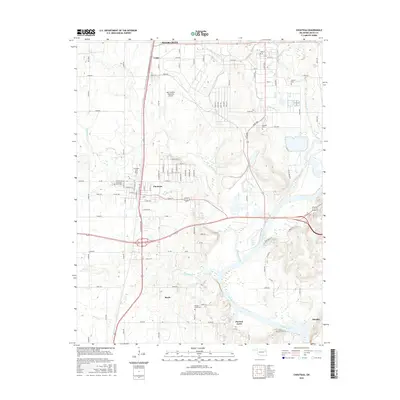 2016 Chouteau2016 Print · USGSMayes County settlement and industry converge in this 2016 survey of the plains near the Neosho River. Researchers can trace local lineage through several sites, including Sixkiller Cem, Brushy Creek Cem, and the community of Mazie.
 - 2019 Map of Chouteau, 2019 Print
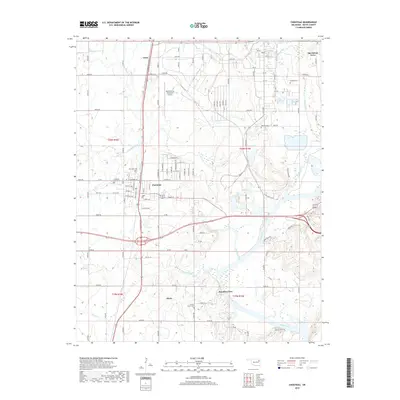 2019 Chouteau2019 Print · USGSThe town of Chouteau and the Neosho River valley are captured here in the late twenty-teens, showing a landscape of industry and rural homesteads. Genealogists can trace family footprints through sites like Sixkiller Cem, Alberty Cem, and the community of Mazie.
 - 2019 Map of Pryor, 2019 Print
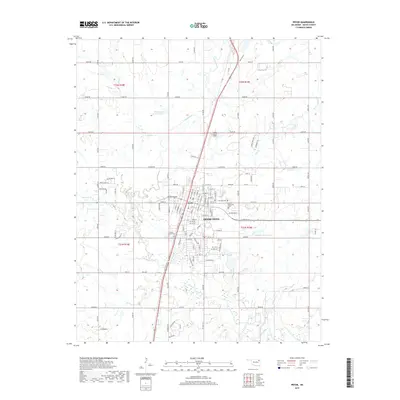 2019 Pryor2019 Print · USGSThe community of Pryor is captured in this modern survey as it continues to grow along the Union Pacific rail line and the banks of Pryor Creek. Local researchers can locate family sites at Fairview Cem, Graham Memorial Cem, or the County Home Cem.
 - 2022 Map of Chouteau, 2022 Print
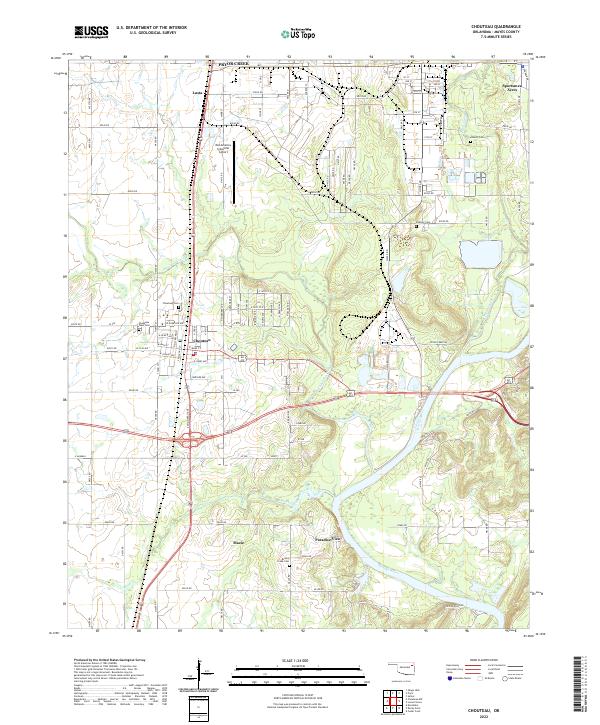 2022 Chouteau2022 Print · USGSChouteau and the surrounding Mayes County plains are shown here in the early twenty-first century as industrial and residential life centers on the Neosho River. Researchers can locate family landmarks like Sixkiller Cem and Brushy Creek Cem or trace the development of Sportsmen Acres and Mazie.
 - 2023 Map of Pryor, 2023 Print
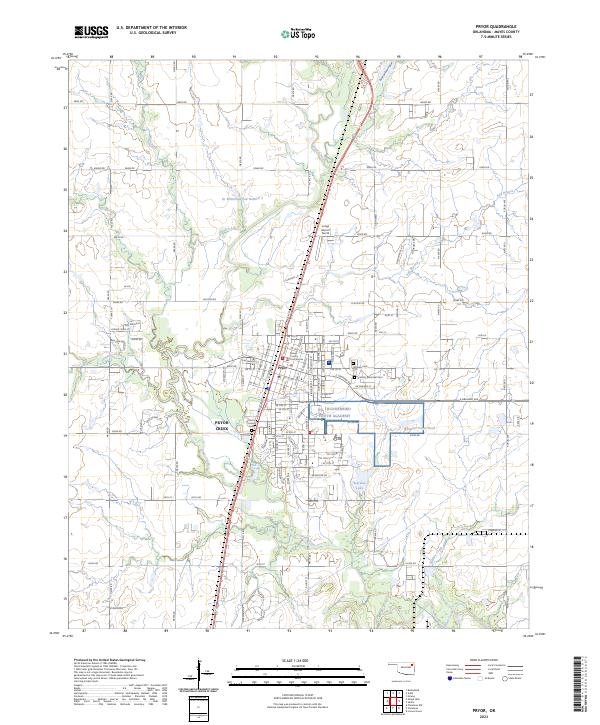 2023 Pryor2023 Print · USGSMayes County, Oklahoma, is shown in the early 2020s, centered on the growing city of Pryor. Local historians and genealogists can pinpoint the Mayes County Courthouse and trace family sites near Fairview Cem or County Home Cem.
End of results
Showing maps 1-18 of 18
Top cities near Pryor Creek
- Claremore historical maps
- Chelsea historical maps
- Chouteau historical maps
- Inola historical maps
- Locust Grove historical maps
- Salina historical maps
See more
Frequently asked questions
- What are the different types of historical maps available for Pryor Creek?
- What is the oldest map of Pryor Creek?
- Where can I purchase historical maps of Pryor Creek for my home or office?
- Where can I download high-res historical maps of Pryor Creek?
- Are there historical topographic maps available for Pryor Creek?
- Is there historical aerial imagery available for Pryor Creek?
- Where are historical maps of Pryor Creek sourced from?