Old Maps of Owasso, Oklahoma for Hiking & Exploration
Hike through history with 43 historic maps of Owasso. Explore old trails, ghost towns, and forgotten backroads — perfect for outdoor adventurers and local explorers.
- Rediscover forgotten places: Map out old mining camps, roads, and footpaths that no longer exist on modern maps.
- Layer with modern tools: Combine with LiDAR or satellite views to plan hikes through historical terrain.
- Made for exploration: Popular among hikers, overlanders, and local history lovers.
Use these maps to find adventure and explore the hidden past of Owasso.
Owasso, OK maps
(43)- 1901 Map of Claremore
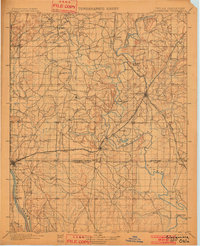 1901 Claremore1901 Print · USGSThe Cherokee, Osage, and Creek Nations converge in the Indian Territory during this era of rapid railroad expansion. Researchers can trace early settlements and tribal boundaries, locating the Island Ferry, the junction at Claremore, and early Tulsa.4 unique versions available
 - 1914 Map of Claremore, 1959 Print
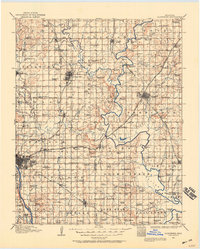 1914 Claremore1959 Print · USGSNortheastern Oklahoma was a landscape of river crossings and rail towns in the years just before the Great War. Genealogists and researchers can trace the locations of dozens of vanished rural schools like Elm Ridge School, river landmarks such as Thomas Ferry, and the early footprints of Broken Arrow and Tulsa.
 - 1916 Map of Claremore
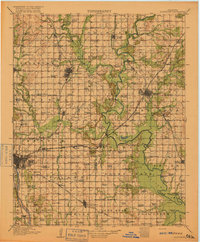 1916 Claremore1916 Print · USGSThe Verdigris River valley and the burgeoning rail hubs of Rogers and Tulsa counties are captured here just after Oklahoma statehood. Genealogists can locate family homesteads near dozens of early schools like Fair Valley School or early churches such as Greenwood Chapel.4 unique versions available
 - 1954 Map of Tulsa
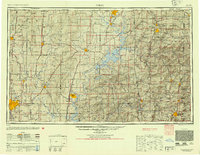 1954 Tulsa1954 Print · USGSNortheast Oklahoma and the Ozark border are shown here during a period of massive industrial and infrastructure growth. Researchers can trace the legacy of the Tri-State Mining District and the development of major reservoirs like Grand Lake O' The Cherokees.2 unique versions available
 - 1954 Map of Tulsa, 1955 Print
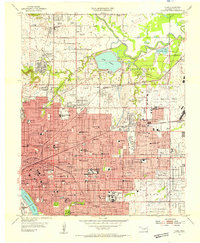 1954 Tulsa1955 Print · USGSTulsa was expanding rapidly in the mid-fifties, balancing its industrial identity with a growing network of residential neighborhoods and schools. Researchers can trace the mid-century city layout from University of Tulsa to Tulsa Municipal Airport, including numerous sites like Oaklawn Cemetery and Dawson.6 unique versions available
 - 1955 Map of Sperry, 1956 Print
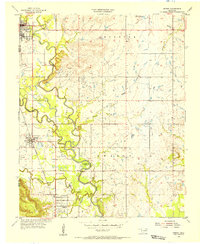 1955 Sperry1956 Print · USGSNortheastern Oklahoma at the height of the mid-century oil boom reveals a landscape of industrial energy and deep-rooted river settlements. Researchers can trace family history at Skybuck Cem or Chisholm Cem and follow the old Midland Valley rail line through Sperry.4 unique versions available
 - 1955 Map of Mingo, 1956 Print
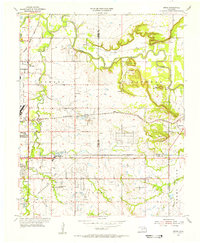 1955 Mingo1956 Print · USGSThe eastern edges of Tulsa and the surrounding Rogers County countryside are captured here in the mid-1950s. Researchers can locate vanished landmarks and rural community centers like Garnett, the Plainview Ch, and the original footprint of Tulsa Municipal Airport.5 unique versions available
 - 1956 Map of Collinsville, 1957 Print
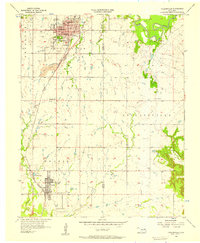 1956 Collinsville1957 Print · USGSIn the mid-1950s, the corridor between Collinsville and Owasso was a landscape of growing towns and industrial coal work. Researchers can trace family sites at Ridgelawn Cem, locate the Central High Sch, or find the massive Strip Mine works.3 unique versions available
 - 1958 Map of Tulsa, 1968 Print
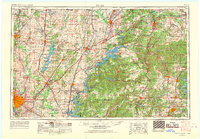 1958 Tulsa1968 Print · USGSNortheast Oklahoma and the Ozark borderlands are captured here during a massive era of reservoir construction and highway expansion. Researchers can trace the mid-century footprints of Tulsa, the sprawling Lake O' the Cherokees, and historical sites like Pea Ridge National Military Park.3 unique versions available
 - 1963 Map of Tulsa
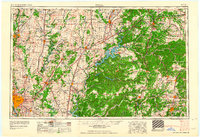 1963 Tulsa1963 Print · USGSThe Oklahoma and Arkansas borderlands are shown here in the early sixties, a time of massive reservoir construction and heavy mining. Genealogists can trace family roots through settlements like Nowata, Pryor, and Jay, or locate historical zinc and lead mines and coal mines.
 - 1963 Map of Sageeyah, 1964 Print
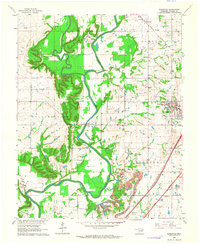 1963 Sageeyah1964 Print · USGSRogers County in the early sixties reveals a landscape of river-bottom agriculture and emerging heavy transit. Researchers can locate vanished landmarks like the Oklahoma Military Academy and rural schoolhouses such as Lone Elm Sch and South Limestone Sch.3 unique versions available
 - 1963 Map of Catoosa, 1964 Print
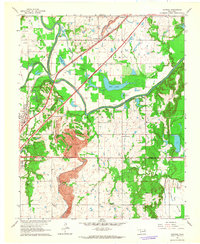 1963 Catoosa1964 Print · USGSThe Verdigris River valley in the early sixties shows a landscape of growing infrastructure and heavy industry. Genealogists and researchers can trace rural life through the Keeton Sch, Timber Ridge Cem, and the massive Strip Mine south of Catoosa.4 unique versions available
 - 1985 Map of Tulsa
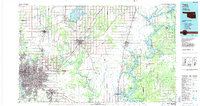 1985 Tulsa1985 Print · USGSNortheastern Oklahoma in the mid-eighties shows a landscape shaped by massive reservoirs and a bustling transportation network. Researchers can trace the path of the Will Rogers Turnpike or locate local landmarks like Mohawk Park and Oologah Lake.2 unique versions available
 - 2010 Map of Sperry, 2010 Print
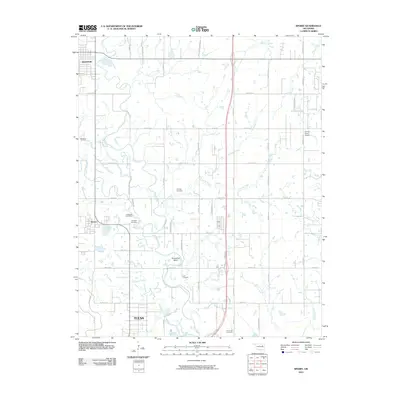 2010 Sperry2010 Print · USGSThe northern edge of Tulsa and the rural outskirts of Sperry and Skiatook are captured in the early 2000s. Genealogists can trace family history through several sites like Chisholm Cemetery and Lord Cemetery while following the winding path of Bird Creek.
 - 2010 Map of Collinsville, 2010 Print
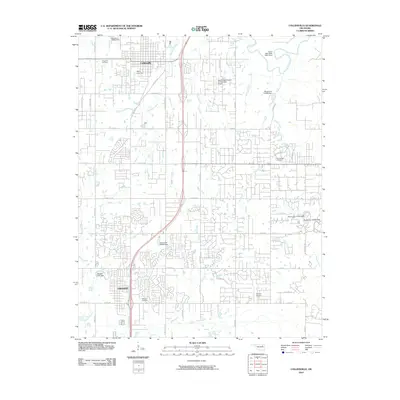 2010 Collinsville2010 Print · USGSNortheastern Oklahoma at the turn of the decade shows the steady expansion of Owasso and Collinsville into the surrounding prairies. Genealogists and local historians can trace family locations near Ridgelawn Cemetery, Sand Ridge Cemetery, and the Caney River valley.
 - 2010 Map of Catoosa, 2010 Print
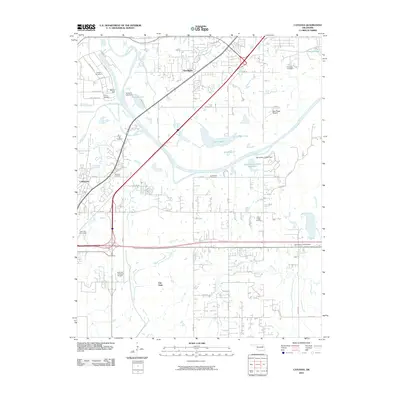 2010 Catoosa2010 Print · USGSThe industrial and riverfront corridor of northeast Oklahoma comes into focus here at the start of the 2010s. Genealogists can locate several family burial sites including Marshall Cemetery and River Hill Cemetery near the bustling Port of Catoosa.
 - 2010 Map of Mingo, 2010 Print
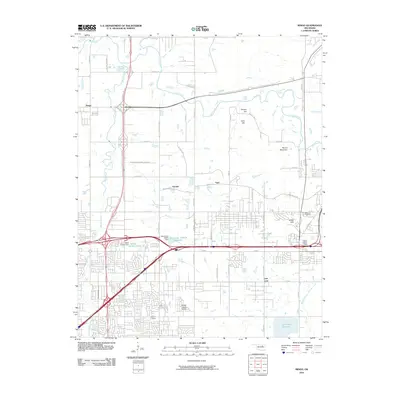 2010 Mingo2010 Print · USGSTulsa's northeastern outskirts are documented here in the early 21st century, showing the intersection of residential growth and regional infrastructure. Researchers can locate family landmarks like Duck Cemetery and trace the development of Garnett, Indian Hills, and the Harvey Young Airport.
 - 2010 Map of Tulsa, 2010 Print
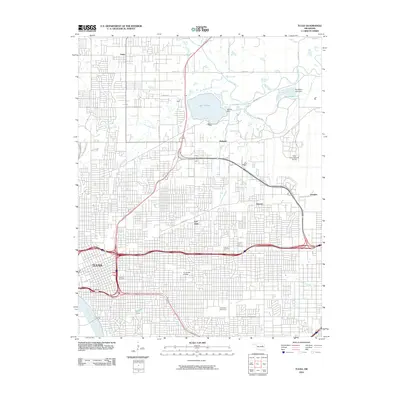 2010 Tulsa2010 Print · USGSTulsa and its northern suburbs are captured in the early twenty-first century, showing a dense grid of urban growth and critical infrastructure. Researchers can trace the grounds of the University of Tulsa, locate Oaklawn Cemetery, and explore the sprawling Tulsa International Airport.
 - 2010 Map of Sageeyah, 2010 Print
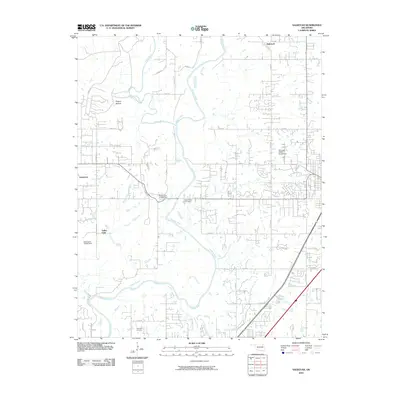 2010 Sageeyah2010 Print · USGSNorth of Owasso in the years following the millennium, this area shows a landscape defined by the winding Verdigris River. Researchers can trace local development around Sageeyah and Limestone, mapping the modern road networks and rural properties of Rogers County.
 - 2012 Map of Sperry, 2012 Print
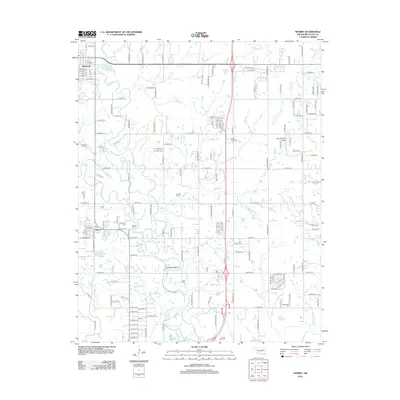 2012 Sperry2012 Print · USGSTulsa County's suburban and rural boundaries are captured here in the early twenty-first century, just north of the city. Genealogists can trace family heritage at numerous sites like Skybuck Cem, Lord Cem, and Chisholm Cem near the banks of Bird Cr.
 - 2012 Map of Tulsa, 2012 Print
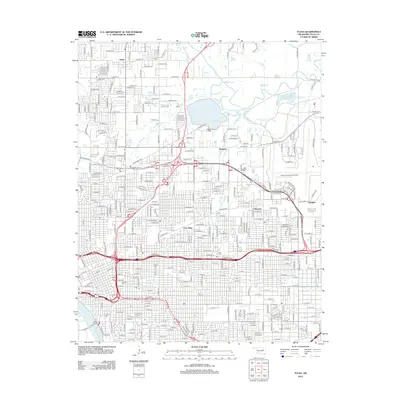 2012 Tulsa2012 Print · USGSTulsa and its northern suburbs are captured here at a moment of significant urban and industrial density in the early twenty-first century. Researchers can trace the layout of East Tulsa neighborhoods, the sprawling Tulsa International Airport, and historic burial sites like Oaklawn Cem.
 - 2012 Map of Collinsville, 2012 Print
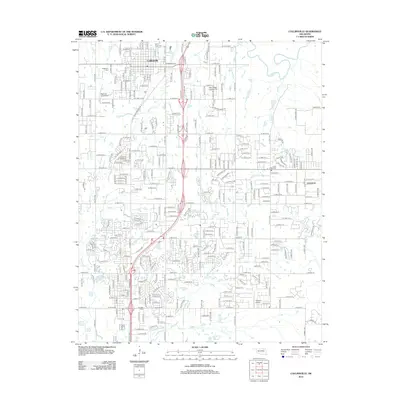 2012 Collinsville2012 Print · USGSCollinsville and the northern reaches of the Owasso area are captured here during a period of suburban transition. Genealogists can locate several burial sites like Victory Indian Cem and Sand Ridge Cem, while aviation enthusiasts can find Ragtime Aerodrome.
 - 2012 Map of Sageeyah, 2012 Print
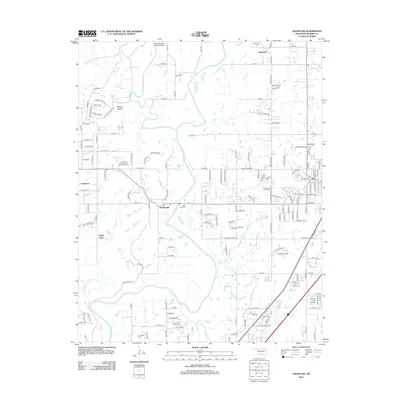 2012 Sageeyah2012 Print · USGSNortheast of Tulsa during the early twenty-first century, this area shows a landscape defined by the winding paths of the Verdigris River and Caney River. Genealogists and historians can trace local family landmarks through Sageeyah Cem and Lone Elm Cem, or locate the campus of Rogers State Univ.
 - 2012 Map of Catoosa, 2012 Print
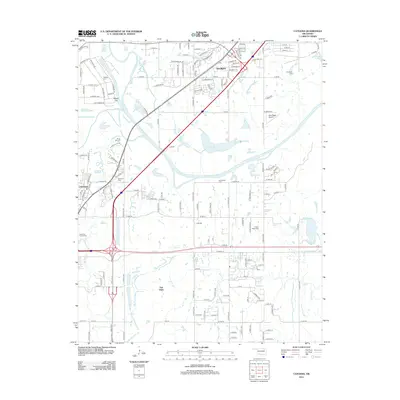 2012 Catoosa2012 Print · USGSCatoosa and the Verdigris River valley are shown in detail during a period of significant suburban expansion east of Tulsa. Researchers can locate local burial grounds like Timber Ridge Cem and family-named landmarks including Rascal Flat and Sam Riggs Airpark.
 - 2012 Map of Mingo, 2012 Print
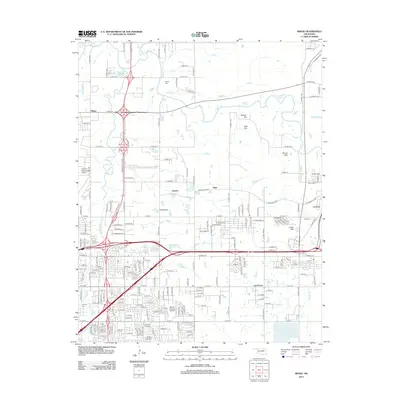 2012 Mingo2012 Print · USGSEastern Tulsa and the road to Catoosa are shown in the early twenty-first century as suburban and industrial development expands around major transit hubs. Researchers can trace the layout of Tulsa International Airport and find local landmarks like Harlow Cem or the Lynn Lane Reservoir.
Showing maps 1-25 of 43
Top cities near Owasso
- Tulsa historical maps
- Sapulpa historical maps
- Claremore historical maps
- Skiatook historical maps
- Catoosa historical maps
- Collinsville historical maps
See more
Top neighborhoods of Owasso
- Country Estates historical maps
- The Falls at Garrett Creek historical maps
- The Lakes at Bailey Ranch historical maps
- Baptist Village historical maps
- Crescent Ridge historical maps
Frequently asked questions
- What are the different types of historical maps available for Owasso?
- What is the oldest map of Owasso?
- Where can I purchase historical maps of Owasso for my home or office?
- Where can I download high-res historical maps of Owasso?
- Are there historical topographic maps available for Owasso?
- Is there historical aerial imagery available for Owasso?
- Where are historical maps of Owasso sourced from?