Old Maps of Brushy, Oklahoma for Metal Detecting
Plan your next treasure hunt with 20 historic maps of Brushy. Find old homesites, ghost towns, trails, and gathering spots that may be lost to time — perfect for identifying promising metal detecting locations.
- Locate forgotten sites: Uncover places like long-lost settlements, abandoned rail lines, or gathering spots.
- Plan better hunts: Use map overlays combined with LiDAR or satellite views to narrow in on historically rich areas.
- Made for detectorists: Thousands of hobbyists use these maps to discover relics, coins, and hidden history.
Use these historic maps to boost your research and find new opportunities beneath the surface of Brushy.
Brushy, OK maps
(20)- 1898 Map of Tahlequah, 1954 Print
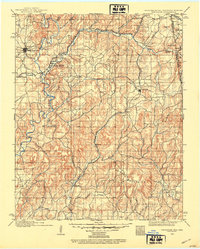 1898 Tahlequah1954 Print · USGSThe Cherokee Nation capital and the surrounding Indian Territory come to life in this survey conducted before Oklahoma statehood. Genealogists can trace family-named landmarks and early institutions like the Female Seminary, Salem Springs, and the Cherokee Insane Asylum.
 - 1901 Map of Tahlequah
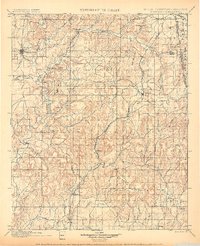 1901 Tahlequah1901 Print · USGSTahlequah and the Cherokee Nation are captured here during the final years of the Indian Territory era. Genealogists can locate family landmarks such as the Female Seminary, Elm Springs Mission, and the rail-stop settlements of Stilwell and Wauhillau.8 unique versions available
 - 1905 Map of Tahlequah
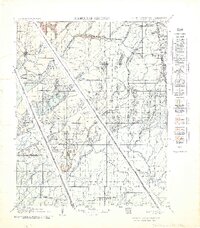 1905 Tahlequah1905 Print · USGSTahlequah and the surrounding Cherokee Nation are captured here in the years before Oklahoma statehood. Researchers can trace the early rail routes and find historic sites like the Female Seminary, the Cherokee Orphan Asylum, and Elm Springs Mission.
 - 1946 Map of Fort Smith
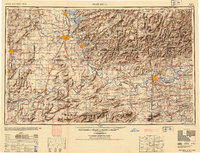 1946 Fort Smith1946 Print · USGSThe Arkansas-Oklahoma borderlands appear here in the mid-forties, as new reservoirs began to transform the river valleys. Genealogists and historians can trace rail-served towns from Muskogee to Fort Smith and locate landmarks like Camp Chaffee.
 - 1965 Map of Fort Smith
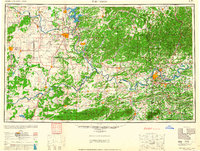 1965 Fort Smith1965 Print · USGSEastern Oklahoma and Western Arkansas are captured here during a period of massive post-war change as new reservoirs reshaped the river valleys. Genealogists and historians can trace the rail networks of the Midland Valley RR and find established communities like Stilwell, Sallisaw, and Stigler.
 - 1967 Map of Fort Smith
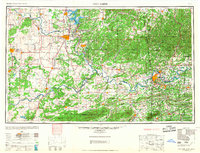 1967 Fort Smith1967 Print · USGSThe Arkansas River valley and the foothills of the Ozarks are captured here during a period of significant military and industrial activity. Researchers can trace the sprawling bounds of Camp Chaffee and Camp Gruber or locate vanished rail stops along the Midland Valley RR.
 - 1972 Map of Marble City, 1974 Print
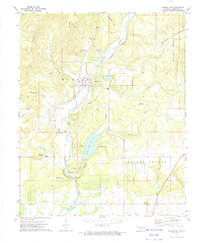 1972 Marble City1974 Print · USGSMarble City and the surrounding Cherokee County hills are captured here in the early seventies during a period of industrial activity. Genealogists and historians can trace family-named sites like Hastings Mountain, Dwight Mission, and the McCoy Cem burial grounds.
 - 1973 Map of Brushy, 1974 Print
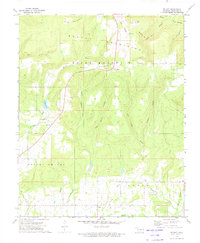 1973 Brushy1974 Print · USGSSequoyah County during the early 1970s showcases a landscape of ridge-top lookouts and deep hollows centered around the Home of Sequoyah. Researchers can trace family sites near Akins, locate the Brushy Cem, and explore the drainage of Big Skin Bayou.2 unique versions available
 - 1978 Map of Fort Smith, 1979 Print
 1978 Fort Smith1979 Print · USGSThe Arkansas-Oklahoma borderlands in the late seventies show a landscape shaped by massive river reservoirs and sprawling military reservations. Trace the historic rail lines of the Missouri Pacific RR and locate regional landmarks like Fort Gibson, Tenkiller Ferry Lake, and Barling.2 unique versions available
 - 1978 Map of Stilwell, 1979 Print
 1978 Stilwell1979 Print · USGSThe Oklahoma-Arkansas borderlands come alive in the late seventies, showing the transition from the Cherokee Nation hills to the Arkansas Ozarks. Researchers can trace the Kansas City Southern rail line through Stilwell, find Wrights Chapel, or locate the Northeastern State College campus in Tahlequah.
 - 2010 Map of Brushy, 2010 Print
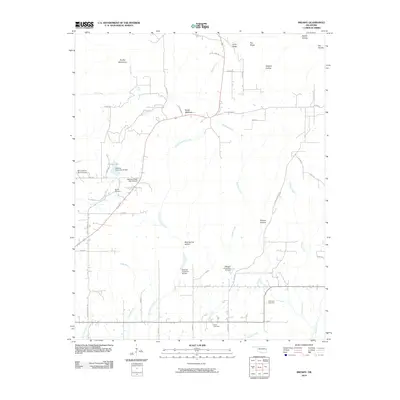 2010 Brushy2010 Print · USGSSequoyah County's upland terrain is meticulously documented in the early 2000s, showing a landscape defined by ranching and watershed management. Genealogists and local historians can locate family burial grounds at Brushy Cemetery or Akins Cemetery and trace landmarks like Rocky Mountain.
 - 2010 Map of Marble City, 2010 Print
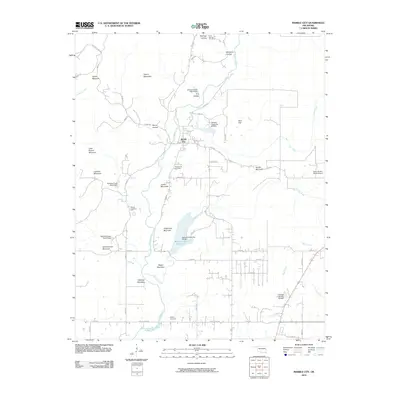 2010 Marble City2010 Print · USGSMarble City and the surrounding Oklahoma highlands are captured here in the early twenty-first century, showing a landscape defined by ridges and water management. Genealogists can trace family burial sites at Flute Springs Cemetery and McCoy Cemetery or explore the terrain around Quarry Mountain.
 - 2012 Map of Marble City, 2012 Print
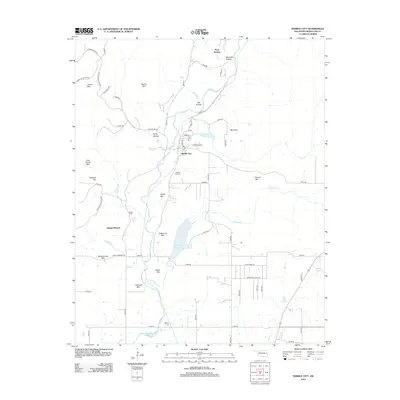 2012 Marble City2012 Print · USGSSequoyah County is captured here in the early 2010s, showing the settled valleys and rugged peaks surrounding Marble City. Researchers can trace local heritage through the Dwight Mission and family-named landmarks like McCoy Cem or Ussery Mtn.
 - 2013 Map of Brushy, 2013 Print
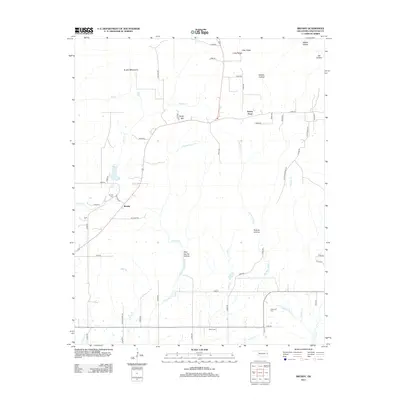 2013 Brushy2013 Print · USGSSequoyah County in the early twenty-first century remains a landscape of prominent ridges and creek bottoms. Genealogists and local historians can trace family land near Brushy Cem or follow the route of the Old Stagecoach Rd past Brushy Lake.
 - 2016 Map of Brushy, 2016 Print
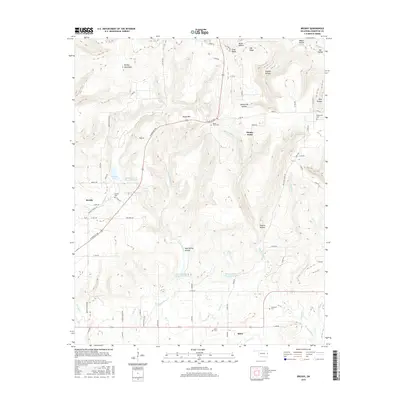 2016 Brushy2016 Print · USGSThe foothills of the Brushy Mountains are documented here in the mid-2010s, showing a landscape defined by deep hollows and rural Oklahoma settlements. Researchers can trace family history through several sites including Northview Cem, Akins Cem, and the path of the Old Stagecoach Rd.
 - 2016 Map of Marble City, 2016 Print
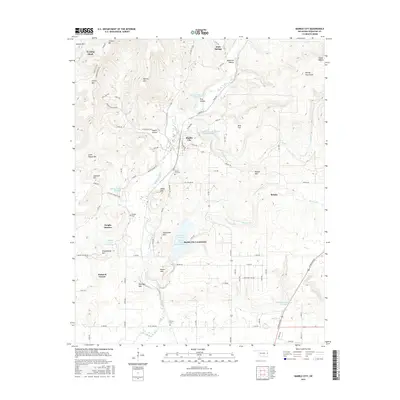 2016 Marble City2016 Print · USGSThe foothills of the Ozarks come alive in this mid-2010s survey of Sequoyah County, showing a landscape defined by high ridges and modern reservoirs. Genealogists and local researchers can locate ancestral sites like Dwight Cem or trace the early paths of Evening Shade and Dwight Mission.
 - 2018 Map of Brushy, 2018 Print
 2018 Brushy2018 Print · USGSSequoyah County is shown in recent detail, where the southern reaches of the Brushy Mountains meet rural settlements. Genealogists can trace local roots through several family and community sites like Rocky Point Cem and Northview Cem near Stoney Point.
 - 2018 Map of Marble City, 2018 Print
 2018 Marble City2018 Print · USGSMarble City and the surrounding Cookson Hills are shown here in the late twenty-teens, revealing a landscape of steep ridges and creek valleys. Family historians can locate several burial sites and landmarks including Dwight Mission, McCoy Cem, and Marble City Cem.
 - 2022 Map of Brushy, 2022 Print
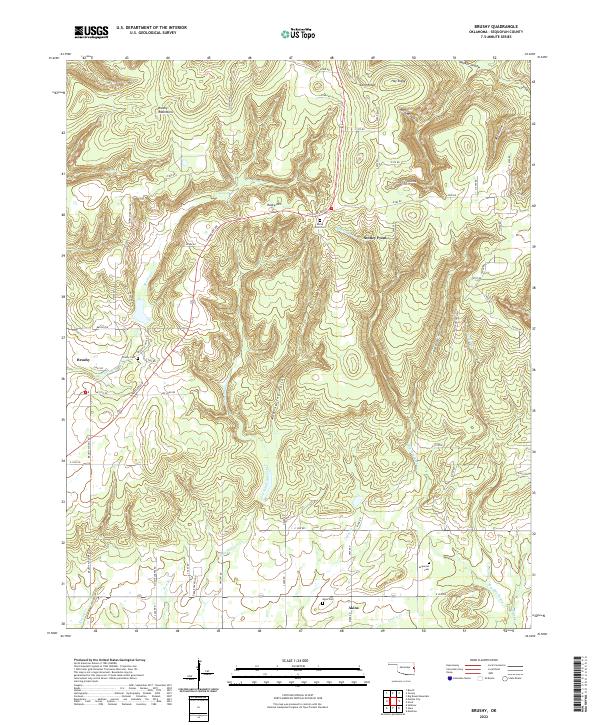 2022 Brushy2022 Print · USGSSequoyah County in the early twenty-first century remains a landscape of high ridges and deep hollows where rural life is centered on family landmarks. Researchers can locate ancestral sites at Brushy Cem or Akins Cem and trace the paths through Sonny Gile Hollow and along Prairie Cr.
 - 2022 Map of Marble City, 2022 Print
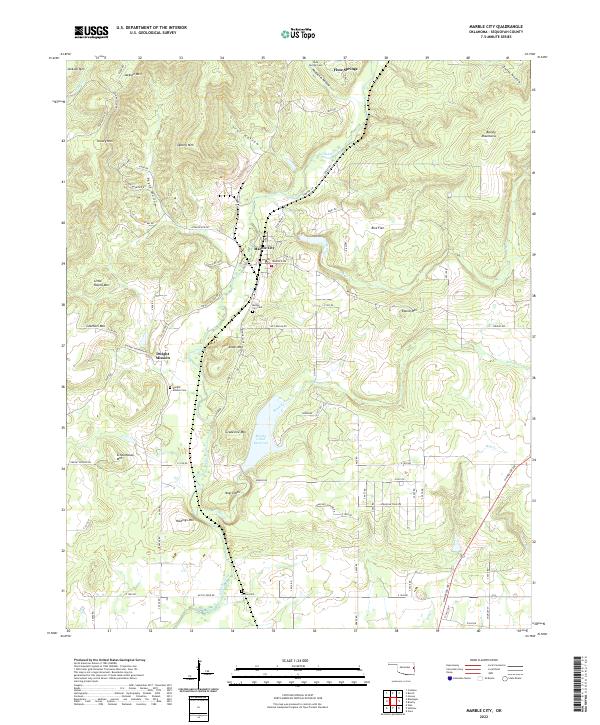 2022 Marble City2022 Print · USGSMarble City and the surrounding Oklahoma foothills are captured in this recent survey, showcasing a landscape shaped by narrow valleys and steep ridges. Researchers can locate Dwight Mission, Marble City Cem, and numerous landmarks like Schoolhouse Mtn.
End of results
Showing maps 1-20 of 20
Top cities near Brushy
- Sallisaw historical maps
- Muldrow historical maps
- Roland historical maps
- Vian historical maps
- Vian historical maps
- Marble City historical maps
See more
Frequently asked questions
- What are the different types of historical maps available for Brushy?
- What is the oldest map of Brushy?
- Where can I purchase historical maps of Brushy for my home or office?
- Where can I download high-res historical maps of Brushy?
- Are there historical topographic maps available for Brushy?
- Is there historical aerial imagery available for Brushy?
- Where are historical maps of Brushy sourced from?