Old Maps of Vian, Oklahoma for Genealogy
Trace your family roots with 23 historic maps of Vian. These high-res maps reveal old neighborhoods, homesites, landmarks, and streets — helping you uncover where your ancestors lived and how the area evolved over time.
- Explore historic neighborhoods: Identify where your relatives may have lived in the 1800s or 1900s.
- Compare maps over time: Trace the changes in streets, buildings, and landmarks for multi-generational research.
- Perfect for genealogy & ancestry research: Used by family historians and researchers to map out lineage and migration.
These maps are an incredible resource for exploring your personal connection to Vian's past.
Vian, OK maps
(23)- 1898 Map of Tahlequah, 1954 Print
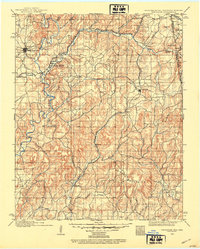 1898 Tahlequah1954 Print · USGSThe Cherokee Nation capital and the surrounding Indian Territory come to life in this survey conducted before Oklahoma statehood. Genealogists can trace family-named landmarks and early institutions like the Female Seminary, Salem Springs, and the Cherokee Insane Asylum.
 - 1900 Map of Sallisaw
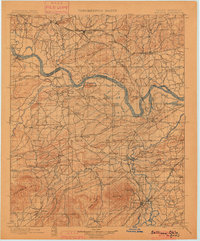 1900 Sallisaw1900 Print · USGSThe Cherokee and Choctaw Nations are divided by the winding Arkansas River at the turn of the century. Genealogists can trace early tribal-era settlements like Bokoshe, Tamaha, and Oak Lodge along the routes of the Kansas City Southern R. R.2 unique versions available
 - 1901 Map of Tahlequah
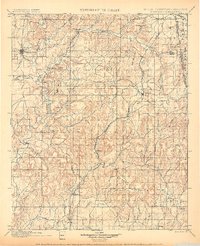 1901 Tahlequah1901 Print · USGSTahlequah and the Cherokee Nation are captured here during the final years of the Indian Territory era. Genealogists can locate family landmarks such as the Female Seminary, Elm Springs Mission, and the rail-stop settlements of Stilwell and Wauhillau.8 unique versions available
 - 1905 Map of Tahlequah
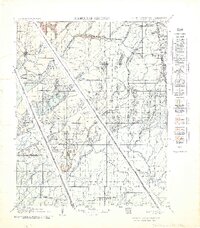 1905 Tahlequah1905 Print · USGSTahlequah and the surrounding Cherokee Nation are captured here in the years before Oklahoma statehood. Researchers can trace the early rail routes and find historic sites like the Female Seminary, the Cherokee Orphan Asylum, and Elm Springs Mission.
 - 1911 Map of Sallisaw
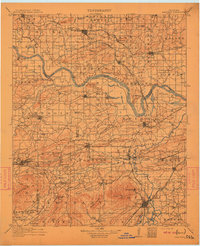 1911 Sallisaw1911 Print · USGSEastern Oklahoma at the turn of the century was a land of expanding railroads and ancient river crossings along the Arkansas River. Genealogists and historians can trace the early settlement of the region through dozens of landmarks like Foreman Ferry, McCurtain, and the Badger Lee School.3 unique versions available
 - 1946 Map of Fort Smith
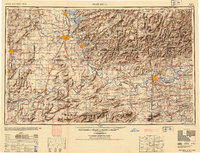 1946 Fort Smith1946 Print · USGSThe Arkansas-Oklahoma borderlands appear here in the mid-forties, as new reservoirs began to transform the river valleys. Genealogists and historians can trace rail-served towns from Muskogee to Fort Smith and locate landmarks like Camp Chaffee.
 - 1965 Map of Fort Smith
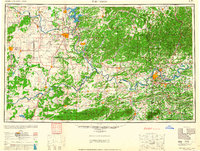 1965 Fort Smith1965 Print · USGSEastern Oklahoma and Western Arkansas are captured here during a period of massive post-war change as new reservoirs reshaped the river valleys. Genealogists and historians can trace the rail networks of the Midland Valley RR and find established communities like Stilwell, Sallisaw, and Stigler.
 - 1967 Map of Fort Smith
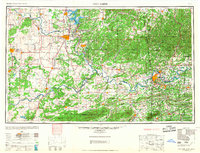 1967 Fort Smith1967 Print · USGSThe Arkansas River valley and the foothills of the Ozarks are captured here during a period of significant military and industrial activity. Researchers can trace the sprawling bounds of Camp Chaffee and Camp Gruber or locate vanished rail stops along the Midland Valley RR.
 - 1967 Map of Vian, 1968 Print
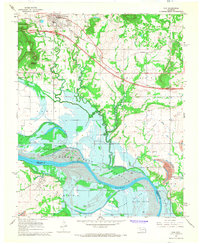 1967 Vian1968 Print · USGSThe Arkansas River valley is captured here in the late sixties during the construction of the Robert S. Kerr Reservoir. Researchers can trace soon-to-be-submerged lands near Sadie or locate historic rural sites like Tamaha Cem and Bethel Ch.4 unique versions available
 - 1972 Map of Blackgum, 1974 Print
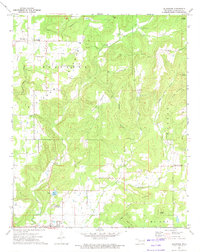 1972 Blackgum1974 Print · USGSSequoyah County in the early seventies is mapped here in detail, showing a landscape of family-named peaks and small rural crossroads. Genealogists can locate several burial grounds including Cherokee-McCoy Cem and communities like Box and Pinhook Corners.4 unique versions available
 - 1978 Map of Fort Smith, 1979 Print
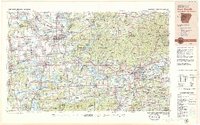 1978 Fort Smith1979 Print · USGSThe Arkansas-Oklahoma borderlands in the late seventies show a landscape shaped by massive river reservoirs and sprawling military reservations. Trace the historic rail lines of the Missouri Pacific RR and locate regional landmarks like Fort Gibson, Tenkiller Ferry Lake, and Barling.2 unique versions available
 - 1978 Map of Fort Smith, 1979 Print
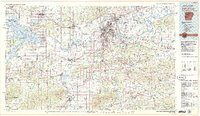 1978 Fort Smith1979 Print · USGSThe Arkansas-Oklahoma borderlands in the late seventies show a region defined by river navigation, coal mining, and military expansion. You can trace industrial footprints like the Strip Mines and the vast Fort Chaffee Military Reservation.2 unique versions available
 - 1978 Map of Stilwell, 1979 Print
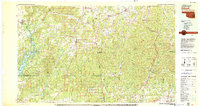 1978 Stilwell1979 Print · USGSThe Oklahoma-Arkansas borderlands come alive in the late seventies, showing the transition from the Cherokee Nation hills to the Arkansas Ozarks. Researchers can trace the Kansas City Southern rail line through Stilwell, find Wrights Chapel, or locate the Northeastern State College campus in Tahlequah.
 - 2010 Map of Blackgum, 2010 Print
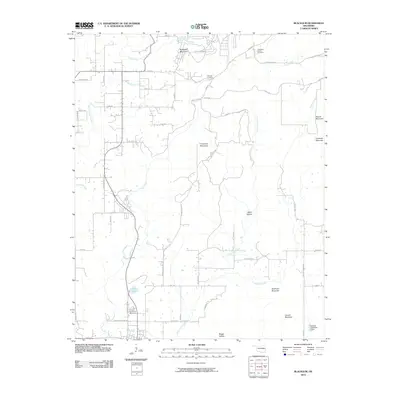 2010 Blackgum2010 Print · USGSThe foothills of the Ozarks are on full display in this 2010 study of Sequoyah County, characterized by prominent peaks and rural homesteads. Genealogists and hikers can trace family-named sites and landmarks like Cherokee-McCoy Cemetery, Blackgum Mountain, and Wells Hollow.
 - 2010 Map of Vian, 2010 Print
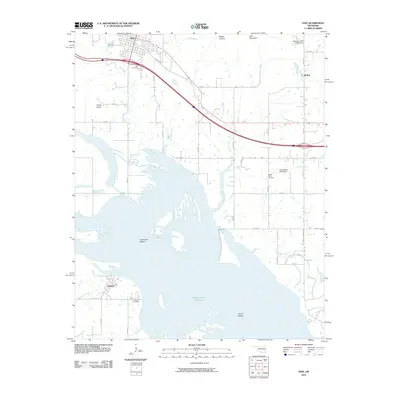 2010 Vian2010 Print · USGSSequoyah County and the shores of the Robert S. Kerr Reservoir are captured here in the early 2000s. Genealogists and local historians can trace burial sites at Vian Cemetery and Tamaha Cemetery or locate landmarks like Potato Knob and McKey.
 - 2012 Map of Blackgum, 2012 Print
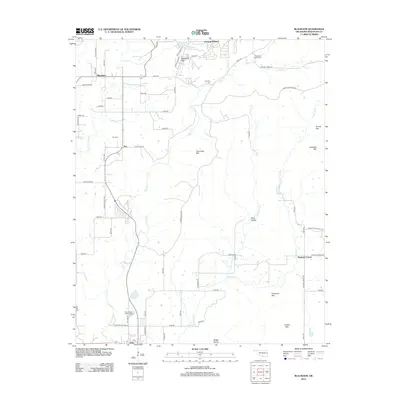 2012 Blackgum2012 Print · USGSSequoyah County is shown in this contemporary survey as a landscape of wooded hills and small valley settlements. Genealogists can trace family ties at the Cherokee McCoy Cem or locate homes near Evening Shade, Pinhook Corner, and Blackgum.
 - 2012 Map of Vian, 2012 Print
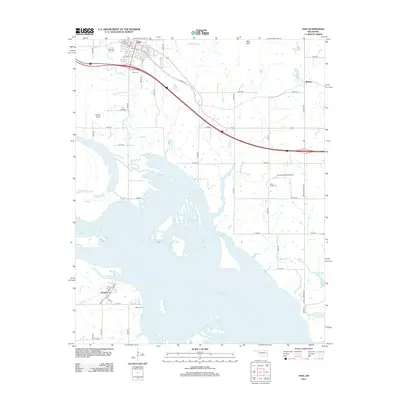 2012 Vian2012 Print · USGSEastern Oklahoma's river country is captured here just over a decade ago, where the Robert S Kerr Reservoir meets the foothills. Genealogists can locate family sites at Drake Stand Cemetery or trace the early streets of Vian and Tamaha.
 - 2016 Map of Vian, 2016 Print
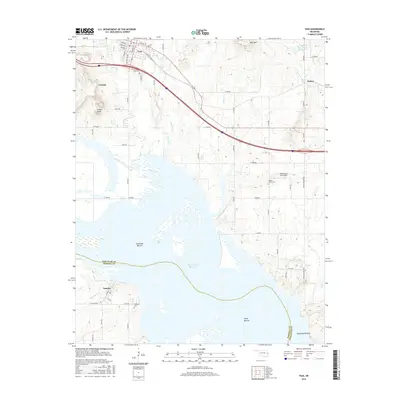 2016 Vian2016 Print · USGSThe town of Vian and the southern settlement of Tamaha are shown here during the mid-2010s, where the Oklahoma hills meet the Robert S Kerr Reservoir. Researchers can trace family history at Vian Cem and Drake Stand Cem or locate the distinct riverside landings of Sandtown Bottom and Mulehead Bottom.
 - 2016 Map of Blackgum, 2016 Print
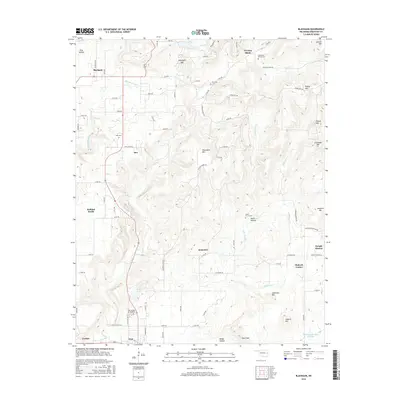 2016 Blackgum2016 Print · USGSSequoyah County at the edge of the Ozarks is documented here in the mid-2010s, showing a landscape of small settlements and rugged timberland. Researchers can locate family landmarks like Barnisky Cem and Dwight Mission or trace the drainages of Vian Cr and Pinhook Cr.
 - 2019 Map of Vian, 2019 Print
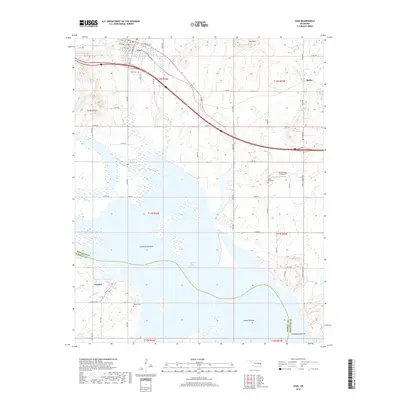 2019 Vian2019 Print · USGSVian and the Arkansas River valley are captured in this modern survey during a period of established lakeside commerce and rural growth. Researchers can trace family history through the Vian Cemetery and Tamaha Cemetery, or locate the specific topography of Sandtown Bottom and Wolf Mtn.
 - 2019 Map of Blackgum, 2019 Print
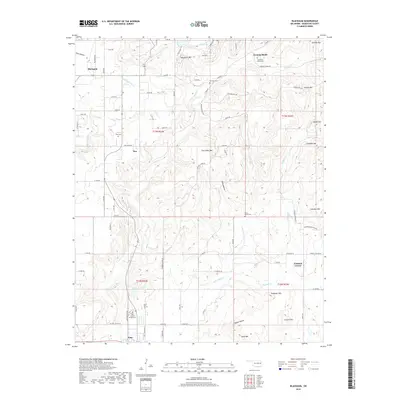 2019 Blackgum2019 Print · USGSNear the town of Vian in the late 2010s, the foothills of Sequoyah County are shown with their complex network of ridges and rural settlements. Genealogists and local historians can trace family locations near the Box Cem, Barnisky Cem, and the community of Pinhook Corner.
 - 2022 Map of Blackgum, 2022 Print
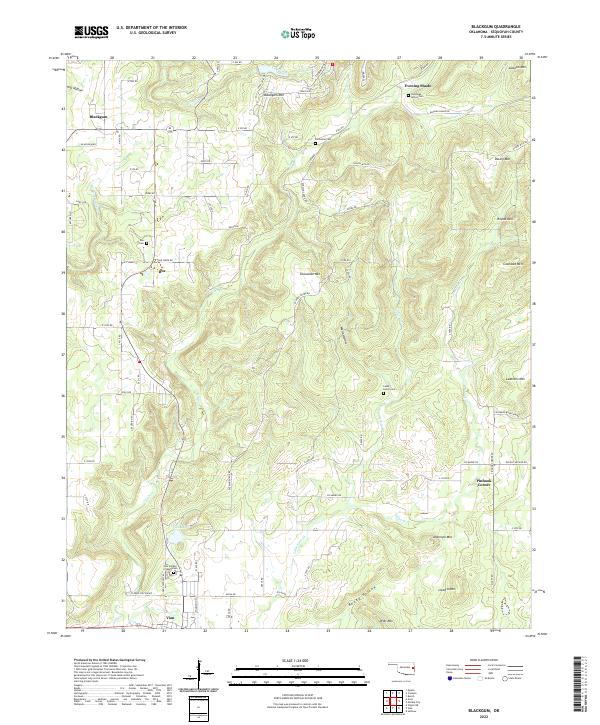 2022 Blackgum2022 Print · USGSSequoyah County's upland communities and creek valleys are documented here in the early twenty-first century. Genealogists can locate family burial sites like Cherokee - McCoy Cem and Box Cem while tracing the winding paths of Vian Cr and Pinhook Cr.
 - 2022 Map of Vian, 2022 Print
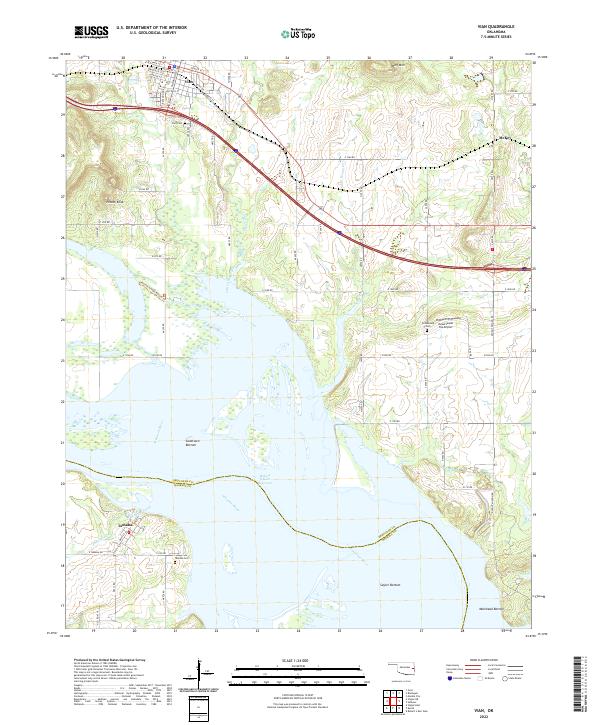 2022 Vian2022 Print · USGSEastern Oklahoma's river valley comes alive in this contemporary survey of the settlements and wetlands along the Arkansas River. Researchers can trace local heritage through sites like Vian Cem, the settlement of Tamaha, and the distinct geography of Potato Knob.
End of results
Showing maps 1-23 of 23
Top cities near Vian
- Sallisaw historical maps
- Vian historical maps
- Gore historical maps
- Webbers Falls historical maps
- Braggs historical maps
- Marble City historical maps
See more
Top neighborhoods of Vian
Frequently asked questions
- What are the different types of historical maps available for Vian?
- What is the oldest map of Vian?
- Where can I purchase historical maps of Vian for my home or office?
- Where can I download high-res historical maps of Vian?
- Are there historical topographic maps available for Vian?
- Is there historical aerial imagery available for Vian?
- Where are historical maps of Vian sourced from?