Old Maps of Lincoln Township, Pennsylvania for Genealogy
Trace your family roots with 31 historic maps of Lincoln Township. These high-res maps reveal old neighborhoods, homesites, landmarks, and streets — helping you uncover where your ancestors lived and how the area evolved over time.
- Explore historic neighborhoods: Identify where your relatives may have lived in the 1800s or 1900s.
- Compare maps over time: Trace the changes in streets, buildings, and landmarks for multi-generational research.
- Perfect for genealogy & ancestry research: Used by family historians and researchers to map out lineage and migration.
These maps are an incredible resource for exploring your personal connection to Lincoln Township's past.
Lincoln Township, PA maps
(31)- 1902 Map of Ebensburg, 1954 Print
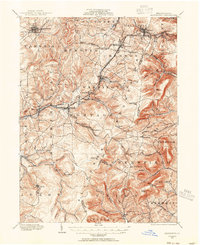 1902 Ebensburg1954 Print · USGSCambria County at the dawn of the twentieth century was a landscape of intensive rail infrastructure and mountain mining towns. Researchers can trace the Pennsylvania RR lines and find detailed footprints for settlements like Ebensburg, Cresson, and the high peak at Blue Knob.
 - 1904 Map of Ebensburg
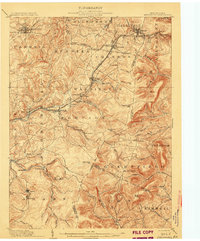 1904 Ebensburg1904 Print · USGSCambria County's industrial heartland is captured during the era of steam and steel, when the Pennsylvania RR crested the Allegheny Front. Genealogists and historians can trace the early layouts of Ebensburg, Lilly, and Gallitzin, or locate rural landmarks like Mt Hope Church.7 unique versions available
 - 1908 Map of Bedford, 1958 Print
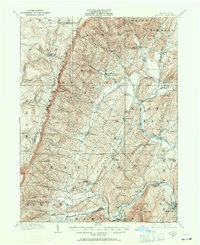 1908 Bedford1958 Print · USGSBedford County at the turn of the century reveals a landscape of ridge-top schools and valley mill towns connected by early rail. Genealogists can trace family roots through numerous sites like Ryan Mill, Eight Square School, and Ogleton Felix PO.
 - 1910 Map of Bedford
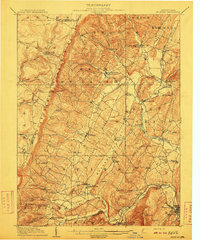 1910 Bedford1910 Print · USGSBedford County's agrarian valleys and mountain ridges are captured here during the peak of the rural schoolhouse era. Researchers can trace ancestral locations at Weyant PO, Schellsburg, and Mowrys Mills, or locate early landmarks like Eight Square School.4 unique versions available
 - 1953 Map of Pittsburgh
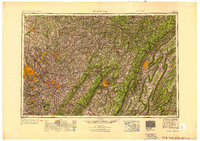 1953 Pittsburgh1953 Print · USGSWestern Pennsylvania's industrial landscape at the start of the fifties shows the steel and rail corridors between Pittsburgh and Altoona. Trace family roots in river towns like Tarentum or follow the Pennsylvania Turnpike across Laurel Hill.
 - 1954 Map of Pittsburgh
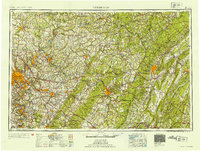 1954 Pittsburgh1954 Print · USGSWestern Pennsylvania in the early fifties remains a powerhouse of heavy industry and vital transit corridors. Genealogists and historians can trace the rail-and-river network connecting Pittsburgh, Johnstown, and Altoona via the Pennsylvania RR and the Lincoln Highway.2 unique versions available
 - 1958 Map of Pittsburgh
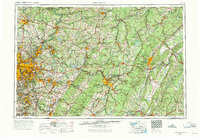 1958 Pittsburgh1958 Print · USGSWestern Pennsylvania in the late fifties shows an industrial heartland defined by the confluence of the Allegheny River and Monongahela River. Researchers can trace the sprawling rail networks of the Pennsylvania RR and find established towns like Butler, Latrobe, and Windber.5 unique versions available
 - 1959 Map of Pittsburgh
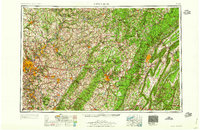 1959 Pittsburgh1959 Print · USGSWestern Pennsylvania in the late fifties is captured here at the height of its industrial era. Genealogists and historians can trace the riverfront growth of Pittsburgh, the rail works at Altoona, and the mountain gaps of Laurel Hill.
 - 1963 Map of Beaverdale, 1965 Print
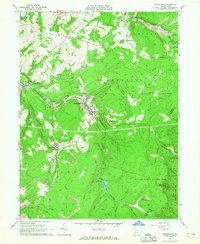 1963 Beaverdale1965 Print · USGSCoal mining and rail transport shaped these Cambria County valleys in the early 1960s. Researchers can trace family ties at Sherbine Cem, locate the old Buckhorn Grange, or study the footprint of towns like Beaverdale and Dunlo during their industrial peak.4 unique versions available
 - 1963 Map of Blue Knob, 1965 Print
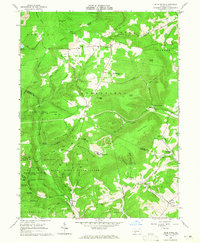 1963 Blue Knob1965 Print · USGSThe high ridges of the Allegheny Front come into sharp focus in the early sixties as recreational spaces like Blue Knob State Park expand alongside traditional mountain settlements. Genealogists can trace family landmarks like Stiefler Corner and the Lost Cox Children Monument among the hollows of Bobs Creek.4 unique versions available
 - 1964 Map of Pittsburgh
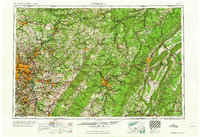 1964 Pittsburgh1964 Print · USGSWestern Pennsylvania in the late fifties and early sixties shows a landscape of powerful river industries and expanding highways. Genealogists and historians can trace the rail corridors of the Pennsylvania RR through industrial hubs like Johnstown, Altoona, and Nanty Glo.
 - 1971 Map of Alum Bank, 1973 Print
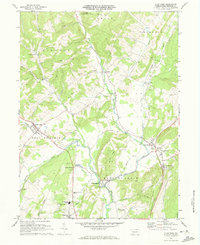 1971 Alum Bank1973 Print · USGSBedford County in the early 1970s shows a landscape of ridge-and-valley settlements connected by the Penn Central railroad. Genealogists and historians can locate family-named sites, rural churches like Horne Ch, and landmarks like the Fish Hatchery or Alum Bank.3 unique versions available
 - 1971 Map of Ogletown, 1973 Print
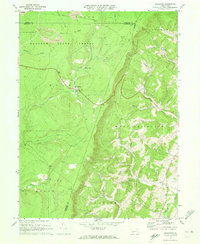 1971 Ogletown1973 Print · USGSBedford and Somerset Counties are documented here in the early 1970s, showing a landscape defined by state forestry and mountain ridges. Researchers can locate remote settlements like Ogletown and Ryot, alongside local landmarks such as Calvary Ch and Pine Lake.4 unique versions available
 - 1977 Map of Ogletown, 1979 Print
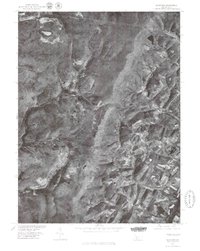 1977 Ogletown1979 Print · USGSBedford County's rural landscape is captured in this late-seventies aerial survey of the forest and farm country. Genealogists and historians can trace property lines and land use near settlements like Ogletown and Ryot or along the slopes of Shade Mountain.
 - 1981 Map of Johnstown, 1983 Print
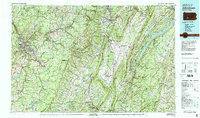 1981 Johnstown1983 Print · USGSSouth Central Pennsylvania is captured here in the early eighties, from the industrial heart of the Conemaugh Valley to the ridges of the Allegheny Front. Local historians can trace the rail corridors of Conrail and the growth of mountain communities like Ebensburg, Nanty Glo, and Windber.
 - 2010 Map of Ogletown, 2010 Print
 2010 Ogletown2010 Print · USGSBedford County's rural uplands are shown in detail during the early twenty-first century, centered on the settlement of Ogletown. Genealogists and local researchers can trace family lands near Crumb and Ryot or locate landmarks like the Lake Sabula Dam and Pot Ridge.
 - 2010 Map of Blue Knob, 2010 Print
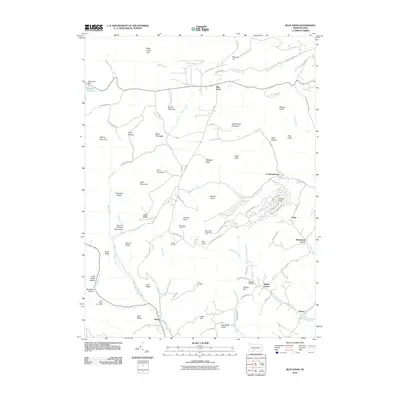 2010 Blue Knob2010 Print · USGSThe Pennsylvania Alleghenies are captured here in the early twenty-first century, showing a landscape of state park land and secluded mountain hollows. Family historians can locate Stiefler Cemetery and the Lost Cox Children Monument, or trace early roads through Pavia and Fredericksburg.
 - 2010 Map of Beaverdale, 2010 Print
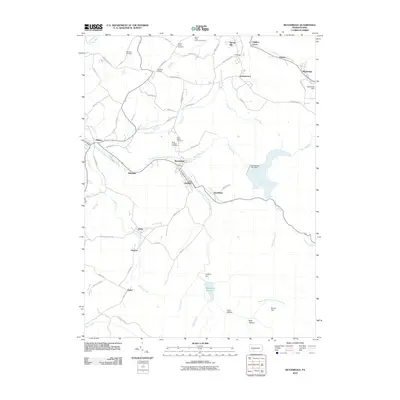 2010 Beaverdale2010 Print · USGSThe mining and rail settlements of Cambria County are captured here just after the turn of the millennium. Researchers can trace family roots through numerous burial sites like Saint Marys Cemetery or explore the geography of towns like Dunlo and Lloydell.
 - 2013 Map of Ogletown, 2013 Print
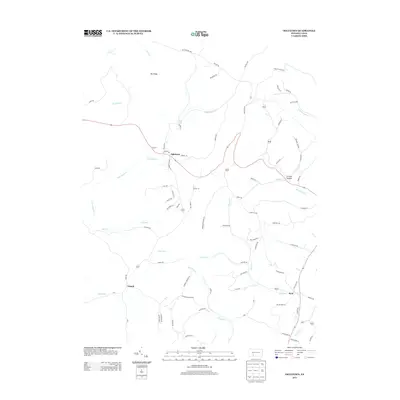 2013 Ogletown2013 Print · USGSThe rural uplands of Bedford County are captured here in the early twenty-first century, showing a network of mountain roads and stream-cut valleys. Researchers can trace historic settlements at Ogletown and Ryot, or find family-named landmarks like Wissinger Rd and Calvary Hollow.
 - 2013 Map of Beaverdale, 2013 Print
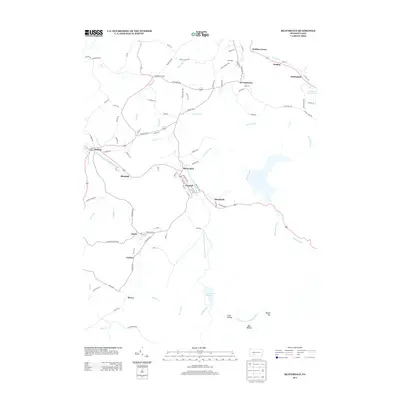 2013 Beaverdale2013 Print · USGSBeaverdale and its neighboring mountain settlements are captured here in the early twenty-first century as they line the valley of the S Fork Little Conemaugh River. Genealogists and local historians can trace the streets of Lloydell, Dunlo, and Puritan, or locate rural landmarks like Buckhorn Grange and Fiddlers Green.
 - 2013 Map of Blue Knob, 2013 Print
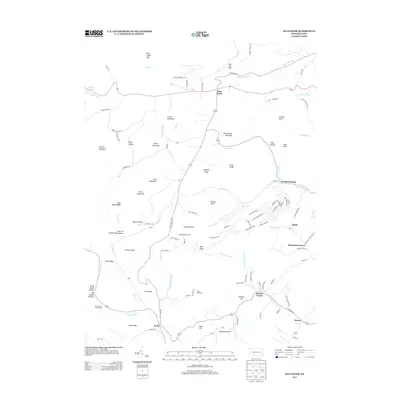 2013 Blue Knob2013 Print · USGSThe high ridges of Bedford County are captured here in the early twenty-first century, showing the intersection of forest conservation and small-town life. Researchers can locate the Lost Cox Children Monument and trace old family-named sites like Stiefler Corner and Musselman Grove.
 - 2016 Map of Ogletown, 2016 Print
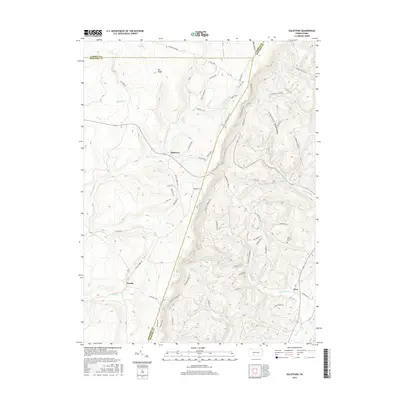 2016 Ogletown2016 Print · USGSThe high ridges where Somerset, Bedford, and Cambria counties meet are shown here in the mid-2010s. Researchers can locate the Mock Church Cem and trace old routes through the mountains like the Old Bedford Pike and the settlement at Ogletown.
 - 2016 Map of Beaverdale, 2016 Print
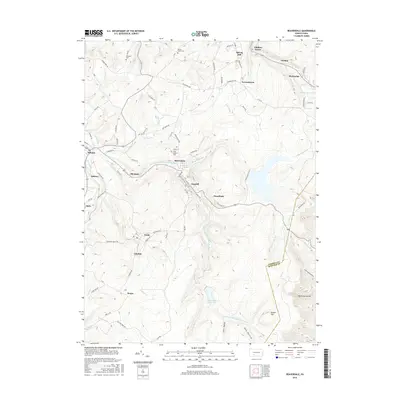 2016 Beaverdale2016 Print · USGSThe industrial coal and water landscapes of the Allegheny Plateau are captured here in the mid-2010s. Researchers can trace the layout of mountain settlements like Beaverdale, Dunlo, and Lloydell alongside local landmarks such as Saint Josephs Cem.
 - 2016 Map of Blue Knob, 2016 Print
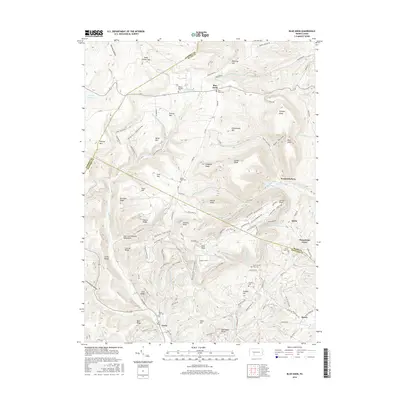 2016 Blue Knob2016 Print · USGSThe high ridges of the Allegheny Mountains meet at the intersection of three counties in the mid-2010s. Researchers can locate numerous mountain burial sites like Blue Knob Cem and Stiefler Cem, or trace local landmarks such as the Lost Cox Children Monument.
 - 2019 Map of Ogletown, 2019 Print
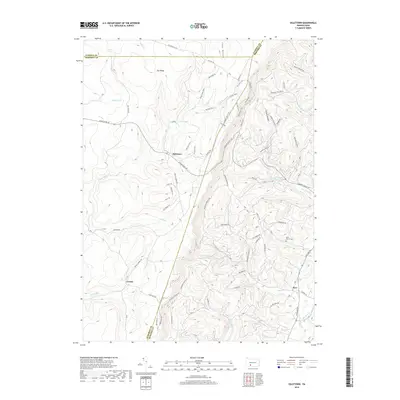 2019 Ogletown2019 Print · USGSThe high ridge country of the Allegheny front comes alive in this contemporary view of the Somerset and Bedford county line. Researchers can trace rural lineages through the Mock Church Cem and the small hamlets of Ogletown and Ryot.
Showing maps 1-25 of 31
Top cities near Lincoln Township
- Frankstown Township historical maps
- Hollidaysburg historical maps
- Windber historical maps
- Bedford historical maps
- Portage historical maps
- Roaring Spring historical maps
See more
Top neighborhoods of Lincoln Township
Frequently asked questions
- What are the different types of historical maps available for Lincoln Township?
- What is the oldest map of Lincoln Township?
- Where can I purchase historical maps of Lincoln Township for my home or office?
- Where can I download high-res historical maps of Lincoln Township?
- Are there historical topographic maps available for Lincoln Township?
- Is there historical aerial imagery available for Lincoln Township?
- Where are historical maps of Lincoln Township sourced from?