Old Maps of Gilmore Township, Pennsylvania for Genealogy
Trace your family roots with 34 historic maps of Gilmore Township. These high-res maps reveal old neighborhoods, homesites, landmarks, and streets — helping you uncover where your ancestors lived and how the area evolved over time.
- Explore historic neighborhoods: Identify where your relatives may have lived in the 1800s or 1900s.
- Compare maps over time: Trace the changes in streets, buildings, and landmarks for multi-generational research.
- Perfect for genealogy & ancestry research: Used by family historians and researchers to map out lineage and migration.
These maps are an incredible resource for exploring your personal connection to Gilmore Township's past.
Gilmore Township, PA maps
(34)- 1905 Map of Mannington
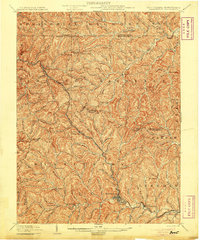 1905 Mannington1905 Print · USGSThe West Virginia-Pennsylvania borderlands are captured here at the start of the twentieth century, showing a landscape defined by deep ridges and rail-side commerce. Genealogists can trace family roots through locations like Hundred Church, Wadestown, and Brave P.O. along the state line.2 unique versions available
 - 1905 Map of Rogersville
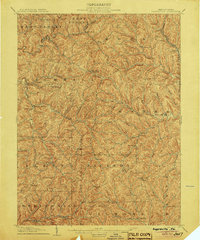 1905 Rogersville1905 Print · USGSGreene and Washington counties are documented here at the turn of the century as a maze of ridge-and-valley settlements. Genealogists can trace early homesteads and commerce hubs like Harveys P.O. Graysville, Simpson Store, and Ryerson Station.4 unique versions available
 - 1923 Map of Mannington, 1956 Print
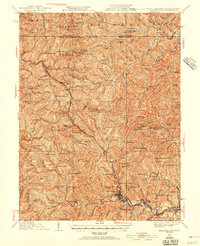 1923 Mannington1956 Print · USGSMannington and the surrounding hollows of Marion and Monongalia counties appear here in the early twenties as a dense network of rural life. Genealogists can trace family footprints through numerous small landmarks like Blackshire Chapel, Efaw Knob, and Glover Gap.
 - 1926 Map of Mannington
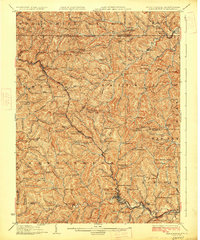 1926 Mannington1926 Print · USGSNorthern West Virginia and the Pennsylvania borderlands are shown here in the 1920s during a period of steady rural growth. Genealogists can trace family names through dozens of upland sites like Saint Cloud, Glover Gap, and the uniquely named The Little Red Church.2 unique versions available
 - 1949 Map of Clarksburg
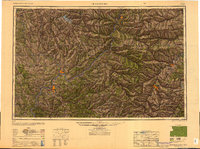 1949 Clarksburg1949 Print · USGSThe upper Ohio River valley and the industrial heart of West Virginia come into focus during this post-war period. Genealogists and researchers can trace the rail corridors of the Baltimore and Ohio and locate centers like Fairmont, Grafton, and Waynesburg.
 - 1956 Map of Clarksburg, 1966 Print
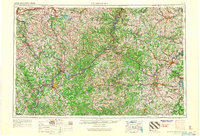 1956 Clarksburg1966 Print · USGSThe Ohio River valley and the industrial heart of West Virginia are seen here in the mid-1950s as rail and river commerce thrived. Researchers can trace historic transport lines like the Baltimore and Ohio RR and locate ancestral homes in Clarksburg, Moundsville, or Parkersburg.2 unique versions available
 - 1958 Map of Hundred, 1960 Print
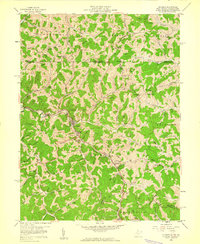 1958 Hundred1960 Print · USGSWetzel County ridge country is captured in the late fifties as the BALTIMORE AND OHIO railroad follows Fish Creek through the hills. Researchers can locate family landmarks such as the Stottlemire Sch, Cusicks Crossing, and the Old Harmony Cemetery.3 unique versions available
 - 1958 Map of Wadestown, 1961 Print
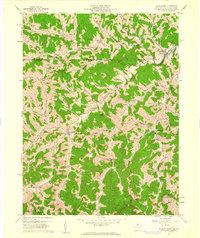 1958 Wadestown1961 Print · USGSMonongalia County's rugged ridges and rural hollows are captured here in the late fifties. Genealogists can trace family names at the New Mt Tabor Cemetery, visit the Crossroads Sch, or locate the historic Covered Bridge near Jollytown.4 unique versions available
 - 1961 Map of Clarksburg
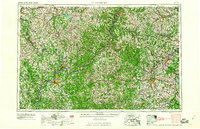 1961 Clarksburg1961 Print · USGSThe mid-century industrial and river landscapes of West Virginia and Ohio are detailed here, centered on the Ohio River. Researchers can trace the Baltimore and Ohio rail lines connecting towns like Parkersburg, Clarksburg, and Monongah.
 - 1964 Map of New Freeport, 1965 Print
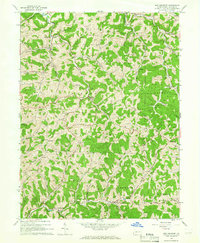 1964 New Freeport1965 Print · USGSGreene County is shown in the mid-1960s as a landscape of isolated hollows and high ridges connected by creek-side hamlets. Researchers can trace family history through sites like Dunkard Cem, the Covered Bridge near Strawn, and rural schools like Springhill-Freeport Sch.3 unique versions available
 - 1964 Map of Holbrook, 1965 Print
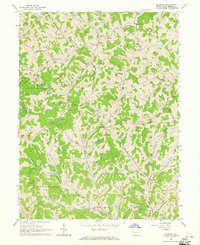 1964 Holbrook1965 Print · USGSGreene County's ridge-and-valley landscape is shown in the mid-1960s as gas extraction and rural farming shaped the local economy. Researchers can trace family roots at Higgins Cem, Pine Bank, and small country parishes like Bethany Ch.2 unique versions available
 - 1984 Map of Moundsville
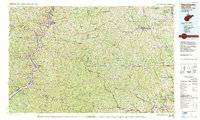 1984 Moundsville1984 Print · USGSThe Ohio River valley and the Appalachian interior meet in the mid-eighties as a hub of rail and river commerce. Genealogists and historians can trace the development of river towns like New Martinsville, inland hubs like Waynesburg, and the path of the B & O RR.
 - 1988 Map of Clarksburg, 1989 Print
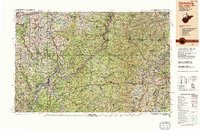 1988 Clarksburg1989 Print · USGSThe central Appalachians are documented in detail during the late eighties, showing the industrial and river-based economies of West Virginia, Ohio, and Pennsylvania. Researchers can trace historic rail routes like the B & O RR and locate river towns from St Marys to Parkersburg.
 - 1998 Map of Hundred, 2000 Print
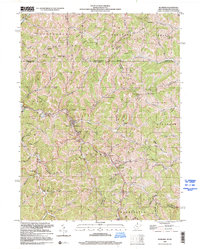 1998 Hundred2000 Print · USGSThe borderlands of northern West Virginia come to life in the late nineties, centered on the valley crossroads of Hundred. Genealogists can trace family landmarks like the McNicholas Cem and historic community hubs including Thomas Chapel and Cusicks Crossing.
 - 2010 Map of New Freeport, 2010 Print
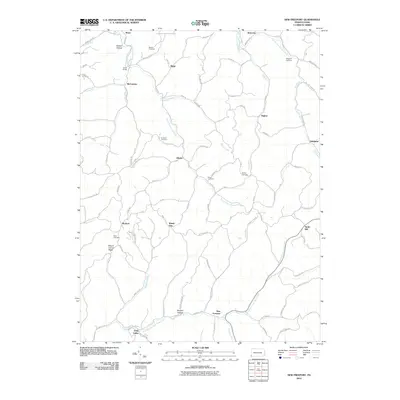 2010 New Freeport2010 Print · USGSAleppo Township and southern Greene County are mapped here in the early twenty-first century, showing a landscape defined by winding creek forks and high ridges. Researchers can trace family history through several rural burial sites, including Dunkard Cemetery and McDay Cemetery, or locate old landmarks like Smith Bridge.
 - 2010 Map of Holbrook, 2010 Print
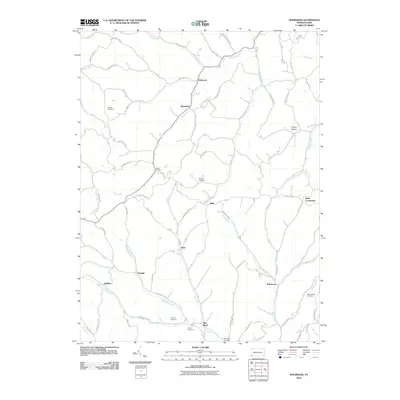 2010 Holbrook2010 Print · USGSGreene County’s rural valleys and hollows are captured here during the first decade of the 21st century. Genealogists can trace family burial sites at Higgins Cemetery or Phillips New Cemetery and locate small communities like Triumph and Buzz.
 - 2011 Map of Hundred, 2011 Print
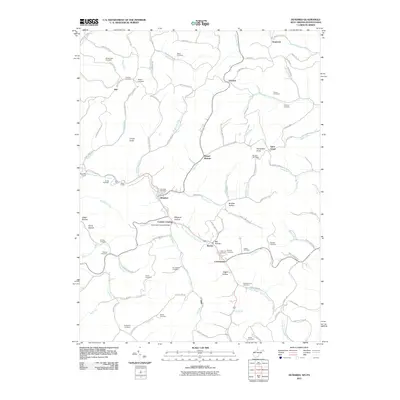 2011 Hundred2011 Print · USGSWetzel County's rugged ridge country and creek valleys are captured here at the start of the 21st century. Researchers can trace numerous family burial sites like McNicholas Cemetery and locate landmarks such as the Fish Creek Covered Bridge.
 - 2011 Map of Wadestown, 2011 Print
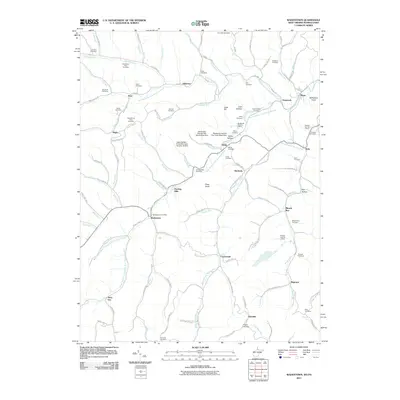 2011 Wadestown2011 Print · USGSThe Monongahela River basin at the turn of the 21st century reveals a landscape where deep-shaft mining and rural life coincide. Genealogists can trace family names through dozens of hilltop burial grounds like Old Mount Tabor Cemetery and Handgardner Cemetery, alongside coal operations at the Blacksville Number 2 Mine.
 - 2013 Map of New Freeport, 2013 Print
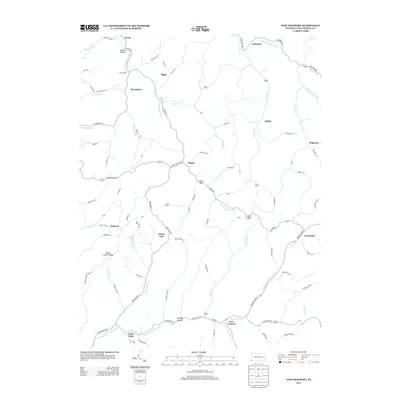 2013 New Freeport2013 Print · USGSGreene County’s rural valleys and ridges are documented here during the early twenty-first century. Genealogists and local historians can trace family land in small settlements like New Freeport, Aleppo, and Nettle Hill or along the banks of S Fork Dunkard Fork.
 - 2013 Map of Holbrook, 2013 Print
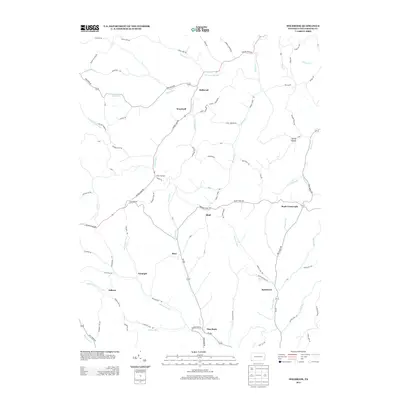 2013 Holbrook2013 Print · USGSGreene County’s rural highlands appear in great detail during the early twenty-first century, showing the traditional crossroads and hamlets of Jackson Township. Researchers can trace family sites near Kuhntown, White Cottage, and the historic path of Warriors Trail Rd.
 - 2014 Map of Wadestown, 2014 Print
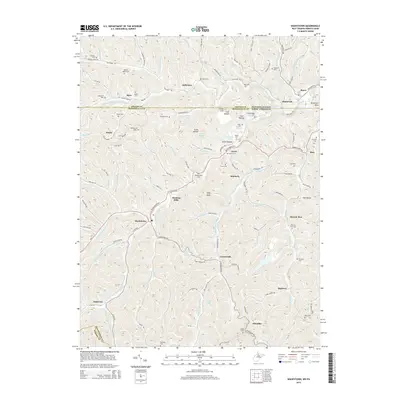 2014 Wadestown2014 Print · USGSThe Pennsylvania-West Virginia borderlands are revealed in this 2010s-era survey, showing the interconnected ridges and hollows of Greene and Monongalia Counties. Genealogists can trace family heritage through sites like Cumberledge Cem, Wadestown, and Jollytown.
 - 2014 Map of Hundred, 2014 Print
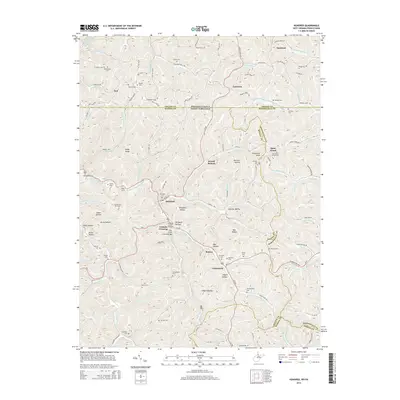 2014 Hundred2014 Print · USGSThe West Virginia-Pennsylvania borderlands come into focus in this recent survey of Wetzel and Monongalia counties. Researchers can locate numerous family burial grounds like Scritchfield Cem and historic spans including the Fish Creek Covered Bridge.
 - 2016 Map of New Freeport, 2016 Print
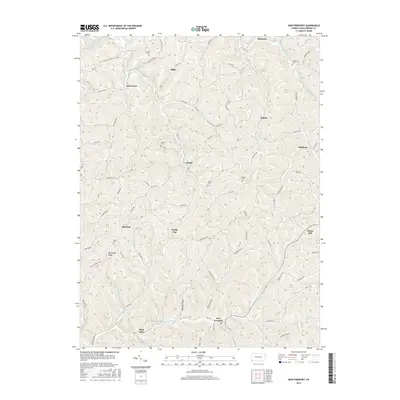 2016 New Freeport2016 Print · USGSGreene County’s ridge-and-hollow terrain is recorded here in the mid-2010s, showing the enduring rural layout of southwestern Pennsylvania. Genealogists can locate family burial sites like Schess Cem and Evans Cem or trace the remote valley communities of Deep Valley and Windy Gap.
 - 2016 Map of Holbrook, 2016 Print
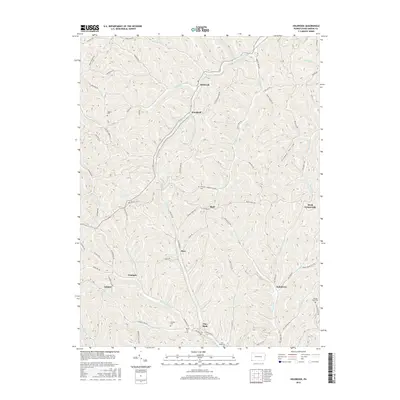 2016 Holbrook2016 Print · USGSGreene County’s rural valleys and ridges are captured here in the mid-2010s, showing a landscape defined by winding creek beds and family-named landmarks. Researchers can trace local lineage through sites like Phillips New Cem, Pine Bank, and the crossroads at Kuhntown.
 - 2016 Map of Hundred, 2016 Print
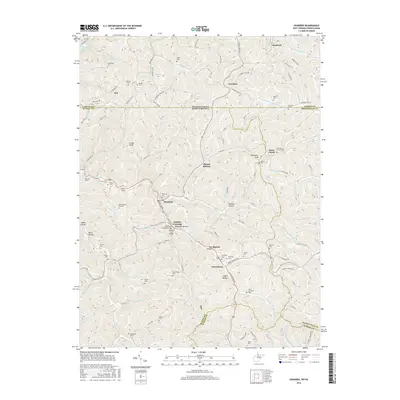 2016 Hundred2016 Print · USGSWetzel County's rugged ridge-and-hollow terrain is captured here in the mid-2010s, centered on the community of Hundred. Researchers can locate several historic crossings and family burial sites like the Fish Creek Covered Bridge, Soles Tunnel, and Stottlemeier Cem.
Showing maps 1-25 of 34
Top cities near Gilmore Township
- Waynesburg historical maps
- Mannington historical maps
- East Finley Township historical maps
- Cameron historical maps
- West Finley Township historical maps
- Rivesville historical maps
See more
Top neighborhoods of Gilmore Township
- Hero historical maps
- Ashtree historical maps
- Pine Bank historical maps
- Jollytown historical maps
- Sandrock historical maps
- Triumph historical maps
Frequently asked questions
- What are the different types of historical maps available for Gilmore Township?
- What is the oldest map of Gilmore Township?
- Where can I purchase historical maps of Gilmore Township for my home or office?
- Where can I download high-res historical maps of Gilmore Township?
- Are there historical topographic maps available for Gilmore Township?
- Is there historical aerial imagery available for Gilmore Township?
- Where are historical maps of Gilmore Township sourced from?