Old Maps of Washington Township, Pennsylvania for Hiking & Exploration
Hike through history with 45 historic maps of Washington Township. Explore old trails, ghost towns, and forgotten backroads — perfect for outdoor adventurers and local explorers.
- Rediscover forgotten places: Map out old mining camps, roads, and footpaths that no longer exist on modern maps.
- Layer with modern tools: Combine with LiDAR or satellite views to plan hikes through historical terrain.
- Made for exploration: Popular among hikers, overlanders, and local history lovers.
Use these maps to find adventure and explore the hidden past of Washington Township.
Washington Township, PA maps
(45)- 1945 Map of Meshoppen, 1952 Print
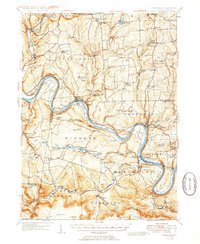 1945 Meshoppen1952 Print · USGSNortheastern Pennsylvania hill country and the winding Susquehanna River are captured here in the years following the war. Researchers can trace the legacy of small farming and rail communities through landmarks like Skinners Eddy, Mehoopany Sta, and Golden Hill Sch.4 unique versions available
 - 1945 Map of Auburn Center, 1956 Print
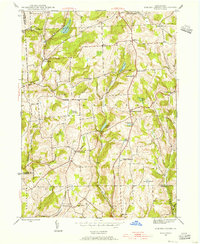 1945 Auburn Center1956 Print · USGSSusquehanna County farming communities are captured here in the mid-1940s, showing a landscape of small hamlets and family-named hills. Researchers can locate specific homesteads near Auburn Center, Boles Cem., and several rural churches like Shannon Hill Ch.6 unique versions available
 - 1945 Map of Meshoppen, 1956 Print
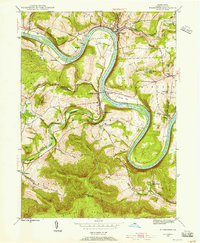 1945 Meshoppen1956 Print · USGSThe Susquehanna River loops through Wyoming County just after the war, creating a landscape defined by sharp bends and rail transit. Researchers can trace the Lehigh Valley line through the Vosburg Tunnel and locate the Russell Hill Sch and Overfield Cem.4 unique versions available
 - 1946 Map of Tunkhannock, 1952 Print
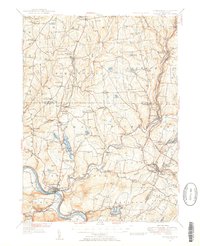 1946 Tunkhannock1952 Print · USGSThe northern Susquehanna River valley and the Wyoming County highlands are captured here in the mid-1940s. Genealogists and historians can trace the rail-connected settlements of Nicholson and Springville or locate family landmarks like Bunnell Cem and Castle Sch.3 unique versions available
 - 1946 Map of Springville, 1971 Print
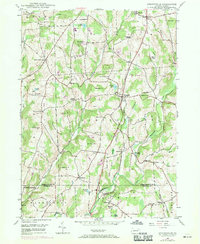 1946 Springville1971 Print · USGSSusquehanna and Wyoming counties appear here in the mid-1940s, showcasing a rural landscape tied together by the Lehigh Valley railroad. Genealogists can locate family landmarks like Wallace Hill Sch, Lynn Sta, and the Bunnell Cem.2 unique versions available
 - 1946 Map of Tunkhannock, 1971 Print
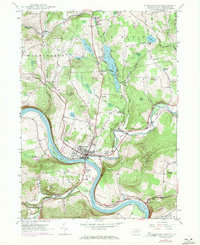 1946 Tunkhannock1971 Print · USGSTunkhannock and the winding Susquehanna River are captured here in the mid-twentieth century as the regional rail and road networks matured. Researchers can locate family sites at Sunnyside Cem, old rural schoolhouses like Castle Sch, and the grounds of St Andrews Camp.3 unique versions available
 - 1947 Map of Meshoppen
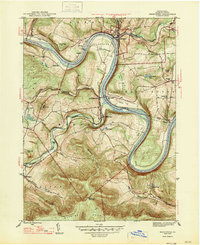 1947 Meshoppen1947 Print · USGSThe Susquehanna River dominates the Wyoming County landscape in the years following the war, where rail and river networks shaped local life. Researchers can trace family history through sites like Fox Hollow Ch, the Vosburg Tunnel, and the old Mehoopany Sta.2 unique versions available
 - 1947 Map of Auburn Center
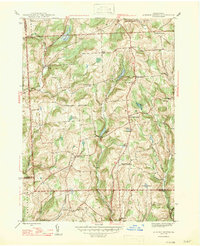 1947 Auburn Center1947 Print · USGSSusquehanna County in the late 1940s is a landscape of high ridges and rural crossroads communities. Genealogists and local historians can trace family locations near Boles Cem. or investigate old community centers like Retta, Rushboro, and South Auburn.2 unique versions available
 - 1948 Map of Springville
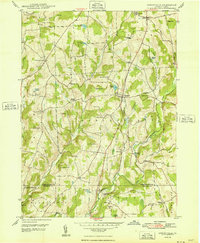 1948 Springville1948 Print · USGSSusquehanna County remains a landscape of independent crossroads and family farms in the years following the war. Genealogists can trace rural life through landmarks like Springville, the Wallace Hill Sch, and rail stops at Dimock Sta and Lynn Sta.2 unique versions available
 - 1948 Map of Tunkhannock
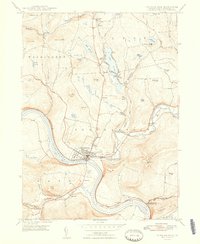 1948 Tunkhannock1948 Print · USGSTunkhannock and the Susquehanna River valley are captured here in the years following World War II, showing a landscape defined by rail and river. Genealogists can trace family names and local landmarks like Osterhout PO, Castle Sch, and Sunnyside Cem.2 unique versions available
 - 1950 Map of Scranton, 1952 Print
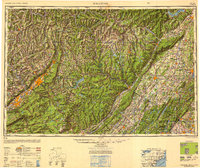 1950 Scranton1952 Print · USGSMid-century Northeast Pennsylvania and the Hudson Valley come alive in this survey of the tri-state region. Genealogists and historians can trace the dense rail networks of the Erie RR and DL&W RR between industrial hubs like Scranton and Wilkes-Barre.
 - 1953 Map of Scranton
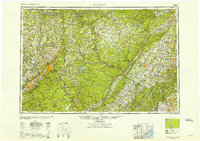 1953 Scranton1953 Print · USGSNortheastern Pennsylvania and the Catskills are shown in great detail during the early fifties, a time when rail lines and river valleys dictated the region's growth. Genealogists and historians can trace the industrial hearts of Scranton and Wilkes-Barre or locate remote landmarks like High Point and Lake Wallenpaupack.
 - 1954 Map of Williamsport
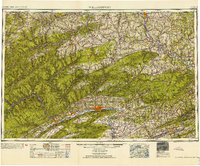 1954 Williamsport1954 Print · USGSNorth-central Pennsylvania in the mid-fifties is defined by the winding West Branch Susquehanna River and its industrial valley. Local historians can trace the massive Susquehanna Ordnance Depot and the extensive rail networks of the Pennsylvania Railroad.
 - 1959 Map of Scranton
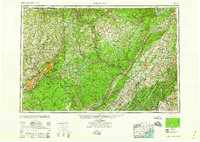 1959 Scranton1959 Print · USGSThe northern coalfields and the Hudson Valley meet in this mid-century survey of the Pennsylvania and New York borderlands. Genealogists and historians can trace the intricate rail networks of the Erie Railroad and the vast waters of Lake Wallenpaupack.2 unique versions available
 - 1960 Map of Williamsport
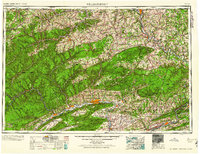 1960 Williamsport1960 Print · USGSNorth-central Pennsylvania in the mid-twentieth century was a vital corridor of rail and river industry stretching from the New York line to the coal regions. Genealogists can trace the rail networks of the Pennsylvania RR and Lehigh Valley RR connecting towns like Williamsport, Towanda, and Lock Haven.
 - 1962 Map of Williamsport, 1966 Print
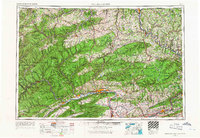 1962 Williamsport1966 Print · USGSNorth-central Pennsylvania was a landscape of industrial river hubs and vast state woodlands in the early sixties. Researchers can trace the path of the Pennsylvania Railroad through Williamsport and explore the remote reaches of Bucktail State Park.5 unique versions available
 - 1962 Map of Scranton, 1977 Print
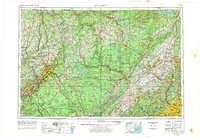 1962 Scranton1977 Print · USGSThe industrial heart of eastern Pennsylvania and the New York Catskills are captured here in the early sixties. Genealogists and historians can trace the dense valley settlements from Scranton to Wilkes-Barre and the rail lines of the Erie Lackawanna Railroad.2 unique versions available
 - 1965 Map of Scranton
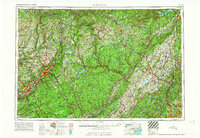 1965 Scranton1965 Print · USGSThe tri-state highlands of Pennsylvania, New York, and New Jersey come alive in the mid-sixties as industry and recreation converge. Trace the intricate rail lines of the Erie Lackawanna RR or locate landmarks like the U S Military Academy.2 unique versions available
 - 1965 Map of Williamsport
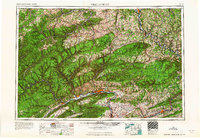 1965 Williamsport1965 Print · USGSNorth-central Pennsylvania in the mid-1960s is defined by the industrial river towns and vast timberlands of the Allegheny Plateau. Researchers can trace historic rail lines like the Erie Lackawanna and Reading as they thread through Williamsport, Lock Haven, and Jersey Shore.
 - 1966 Map of Williamsport
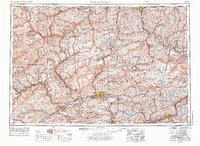 1966 Williamsport1966 Print · USGSThe Susquehanna Valley was a hub of transit and industry in the mid-seventies, where the river's West Branch connected major college towns and timberlands. Researchers can trace historical rail lines like the Reading or locate regional landmarks from Jersey Shore to Ricketts Glen State Park.
 - 1981 Map of Towanda, 1982 Print
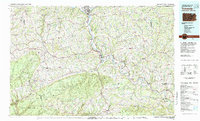 1981 Towanda1982 Print · USGSThe Susquehanna Valley at the turn of the 1980s reveals a region of mountain forests and busy river towns along the New York border. Researchers can trace the legacy of the CONRAIL lines through Sayre or locate remote landmarks like Armenia Mountain and Mt Pisgah State Park.
 - 1986 Map of Honesdale
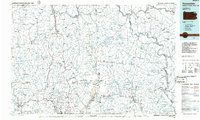 1986 Honesdale1986 Print · USGSNortheastern Pennsylvania and the New York borderlands appear here in the mid-1980s, during a period of transition for the region's industrial river valleys. Genealogists can trace family connections across the Moosic Mountains between the coal towns of Carbondale and the canal-era heritage of Honesdale.2 unique versions available
 - 1999 Map of Meshoppen, 2001 Print
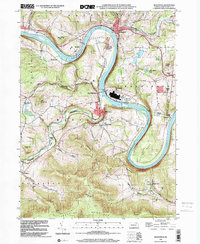 1999 Meshoppen2001 Print · USGSThe Susquehanna River winds through Wyoming County at the turn of the millennium, shaping a landscape of deep valleys and narrow ridge-top settlements. Researchers can locate vanished rural landmarks like Russell Hill Sch, the Vosburg Tunnel, and the remote Mehoopany Fire Tower.
 - 1999 Map of Auburn Center, 2001 Print
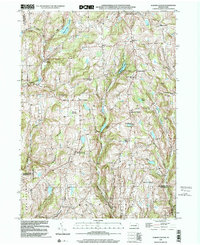 1999 Auburn Center2001 Print · USGSSusquehanna County remains a landscape of high ridges and rural crossroads at the close of the twentieth century. Genealogists can trace family landmarks and burial sites like Boles Cem, Jersey Hill Ch, and the settlement at Auburn Center.
 - 2000 Map of Tunkhannock, 2001 Print
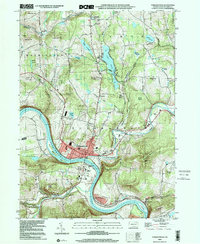 2000 Tunkhannock2001 Print · USGSTunkhannock and the Susquehanna River valley are captured here at the turn of the millennium, showing a blend of borough life and mountain terrain. Genealogists and local historians can locate family landmarks like Eatonville Sch, Sunnyside Cem, and Lake Carey.
Showing maps 1-25 of 45
Top cities near Washington Township
- Dallas Township historical maps
- Kingston Township historical maps
- Harveys Lake historical maps
- Bridgewater Township historical maps
- Falls Township historical maps
- Lenox Township historical maps
See more
Top neighborhoods of Washington Township
Frequently asked questions
- What are the different types of historical maps available for Washington Township?
- What is the oldest map of Washington Township?
- Where can I purchase historical maps of Washington Township for my home or office?
- Where can I download high-res historical maps of Washington Township?
- Are there historical topographic maps available for Washington Township?
- Is there historical aerial imagery available for Washington Township?
- Where are historical maps of Washington Township sourced from?