Old Maps of Rattlesnake, Shiprock Agency for Academic Research
Study the evolution of Rattlesnake with 14 high-resolution historic maps. Whether you're teaching, researching, or modeling changes in land use, these maps provide essential visual documentation of urban, environmental, and geographic change.
- Analyze long-term change: Track patterns in development, transportation, and natural features.
- Ideal for environmental or urban studies: Support academic projects with primary historical map data.
- Use in the classroom or lab: Educators and researchers rely on these maps to bring historical context to life.
These maps are a powerful tool for teaching, research, and visualizing how Rattlesnake has changed over the decades.
Rattlesnake, Shiprock Agency maps
(14)- 1889 Map of Chaco
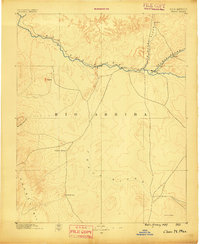 1889 Chaco1889 Print · USGSNorthwestern New Mexico appears here in the late nineteenth century as a frontier of emerging river settlements and high-desert springs. Researchers can trace early footprints at Farmington and Aztec, or locate watering points like Sheep Spring and Seven Lakes.
 - 1892 Map of Chaco
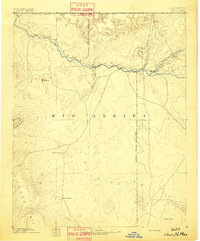 1892 Chaco1892 Print · USGSNorthwestern New Mexico in the late nineteenth century reveals the early river-side foundations of the Four Corners region. Genealogists and historians can trace the development of Farmington, Aztec, and Jewett along the San Juan River and the high desert outpost of Seven Lakes.5 unique versions available
 - 1934 Map of Rattlesnake, 1971 Print
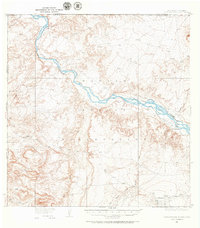 1934 Rattlesnake1971 Print · USGSThe San Juan River basin and the Four Corners intersection are captured here in the mid-1930s. Researchers can trace the early road networks and small settlements of the Navajo Indian Reservation, including Rattlesnake, Cudai, and Bitlabito.
 - 1937 Map of Rattlesnake
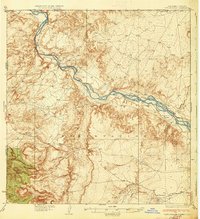 1937 Rattlesnake1937 Print · USGSThe high desert borderlands where New Mexico meets Colorado and Arizona are captured here in the mid-1930s. Researchers can trace early reservation life near the San Juan River and locate historic points like Bitlabito, Cudai, and Rattlesnake.3 unique versions available
 - 1954 Map of Shiprock
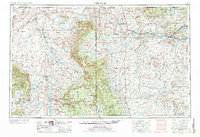 1954 Shiprock1954 Print · USGSThe Four Corners region in the mid-fifties reveals a vast landscape of tribal lands and desert landmarks. Researchers can trace the mid-century footprints of the Navajo Indian Reservation, identifying remote Trading Posts, the early growth of Farmington, and the iconic spire of Ship Rock.5 unique versions available
 - 1958 Map of Shiprock
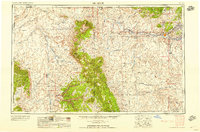 1958 Shiprock1958 Print · USGSThe Four Corners region in the mid-fifties shows a vast network of remote outposts and river settlements. You can locate numerous historic sites like the Emmanuel Mission and several commercial hubs such as Burnham Trading Post and Bisti Trading Post.
 - 1959 Map of Shiprock
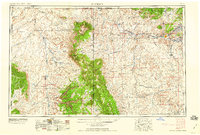 1959 Shiprock1959 Print · USGSThe Four Corners region comes alive in the mid-fifties, showing the high desert outposts and river-valley towns of the Navajo Nation and San Juan County. Genealogists and researchers can locate remote landmarks like the Burnham Trading Post, Two Grey Hills, and the early Helium Plant.
 - 1980 Map of Farmington, 1981 Print
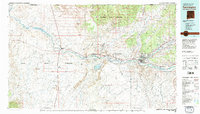 1980 Farmington1981 Print · USGSIn the San Juan Basin during the early 1980s, the energy economy was rapidly transforming the landscape around Farmington and Shiprock. Genealogists and historians can trace the growth of river towns like Kirtland or locate specific sites like the Navajo Mine and Aztec Ruins.2 unique versions available
 - 1983 Map of Rattlesnake, 1984 Print
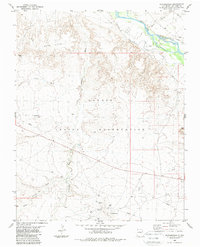 1983 Rattlesnake1984 Print · USGSSan Juan County during the early 1980s reveals a high-desert landscape shaped by tribal land use and petroleum extraction. Genealogists and industrial historians can trace the Oil Field infrastructure near Rattlesnake or the irrigation networks of Cudei along the San Juan River.
 - 2010 Map of Rattlesnake, 2010 Print
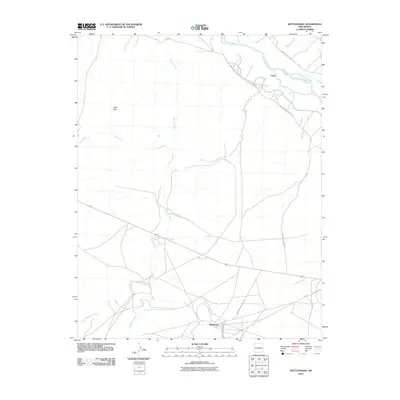 2010 Rattlesnake2010 Print · USGSNorthwestern New Mexico’s high desert landscape is documented here in the early twenty-first century, centered on the Rattlesnake area. Genealogists and local historians can trace the paths of Indian Service Route 36 and irrigation at the Cudei Ditch along the San Juan River.
 - 2013 Map of Rattlesnake, 2013 Print
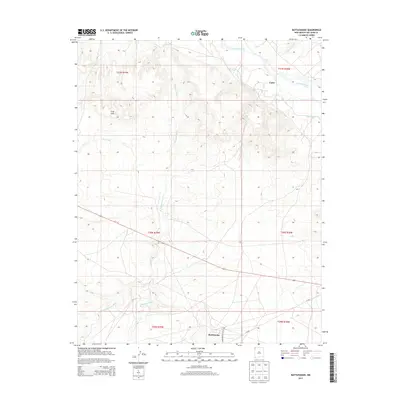 2013 Rattlesnake2013 Print · USGSSan Juan County comes into focus in the early twenty-first century, showing a high-desert landscape defined by the San Juan River. Trace local routes near Rattlesnake and Cudei, or follow the path of the Cudei Ditch through the arid terrain.
 - 2017 Map of Rattlesnake, 2017 Print
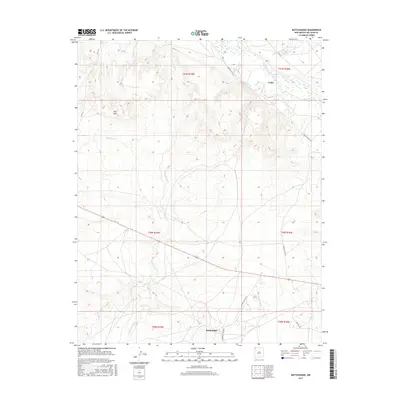 2017 Rattlesnake2017 Print · USGSThe San Juan River valley and high-desert landscapes of northwestern New Mexico are shown here during the twenty-first century. Researchers can trace irrigation networks at Cudei, the layout of Rattlesnake, and local terrain features like the Gray Hills.
 - 2020 Map of Rattlesnake, 2020 Print
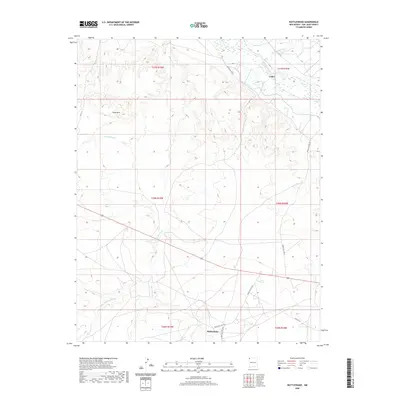 2020 Rattlesnake2020 Print · USGSSan Juan County at the start of the 2020s shows a landscape of river-fed settlements and desert washes. Trace the geography of Cudei along the San Juan River or follow the service roads connecting Rattlesnake past the heights of the Gray Hills.
 - 2023 Map of Rattlesnake, 2023 Print
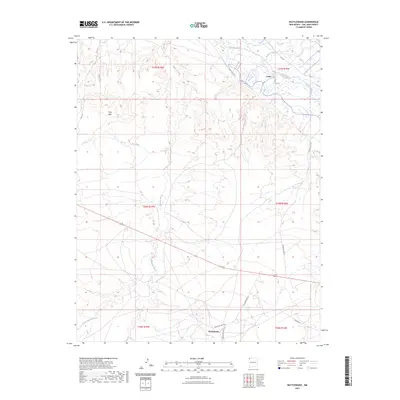 2023 Rattlesnake2023 Print · USGSSan Juan County at the start of the 2020s reveals a high-desert landscape defined by the San Juan River and modern service routes. Researchers can trace the layout of the Cudei settlement and the course of the Shiprock Wash through the Gray Hills.
End of results
Showing maps 1-14 of 14
Top cities near Rattlesnake
- Shiprock historical maps
- Shiprock Agency historical maps
- Chinle Agency historical maps
- Eastern Navajo Agency historical maps
- Beclabito historical maps
Frequently asked questions
- What are the different types of historical maps available for Rattlesnake?
- What is the oldest map of Rattlesnake?
- Where can I purchase historical maps of Rattlesnake for my home or office?
- Where can I download high-res historical maps of Rattlesnake?
- Are there historical topographic maps available for Rattlesnake?
- Is there historical aerial imagery available for Rattlesnake?
- Where are historical maps of Rattlesnake sourced from?