Old Maps of Kenel District, South Dakota for Hiking & Exploration
Hike through history with 56 historic maps of Kenel District. Explore old trails, ghost towns, and forgotten backroads — perfect for outdoor adventurers and local explorers.
- Rediscover forgotten places: Map out old mining camps, roads, and footpaths that no longer exist on modern maps.
- Layer with modern tools: Combine with LiDAR or satellite views to plan hikes through historical terrain.
- Made for exploration: Popular among hikers, overlanders, and local history lovers.
Use these maps to find adventure and explore the hidden past of Kenel District.
Kenel District, SD maps
(56)- 1953 Map of McIntosh, 1965 Print
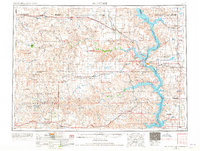 1953 McIntosh1965 Print · USGSThe north-central Dakota prairie is captured here during the mid-fifties, showing the vast Standing Rock Indian Reservation and the newly formed Oah E Reservoir. Genealogists and historians can trace the Chicago Milwaukee St Paul and Pacific rail line through stops like McIntosh, Walker, and Eagle Butte.3 unique versions available
 - 1954 Map of Bismarck, 1967 Print
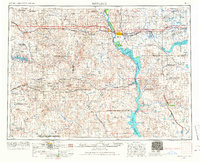 1954 Bismarck1967 Print · USGSBismarck and the Missouri River basin are shown in the mid-1960s as the Oahe Reservoir reshaped the valley. Genealogists can trace family-named landmarks like Dog Tooth Buttes and small prairie settlements such as Fort Yates, Selfridge, and Brisbane.2 unique versions available
 - 1958 Map of Bismarck
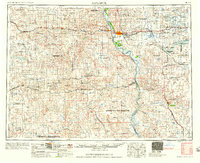 1958 Bismarck1958 Print · USGSCentral North Dakota in the late fifties is defined by the Missouri River and the sprawling Standing Rock Indian Reservation. Genealogists and historians can trace rail-line outposts like Sedalia Siding or explore local landmarks like Saint Anthony and Fort Lincoln State Park/Museum.
 - 1958 Map of McIntosh
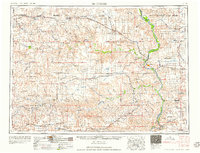 1958 McIntosh1958 Print · USGSThe north-central Dakotas appear here in the mid-1950s as massive engineering projects and rail lines shaped the plains. Researchers can trace tribal lands within the Standing Rock Indian Reservation and locate local landmarks like the Keller Mine or the Virginia Siding.
 - 1965 Map of Pollock SE, 1967 Print
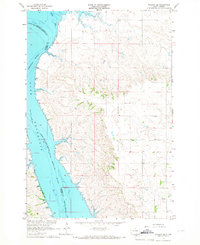 1965 Pollock SE1967 Print · USGSThe Missouri River and Oahe Reservoir dominate the landscape of Campbell County in the mid-1960s. Researchers can trace the Standing Rock Indian Reservation Boundary across the water or locate family history at Gale Cem and Kvarness Cem.2 unique versions available
 - 1966 Map of Mahto NE, 1967 Print
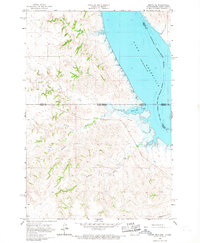 1966 Mahto NE1967 Print · USGSThe Missouri River borderlands in the mid-1960s reveal a landscape shaped by the rising Oahe Reservoir. Genealogists and historians can trace the Standing Rock Indian Reservation Boundary and drainage at Fireheart Creek and Blackfoot Creek.2 unique versions available
 - 1966 Map of Mahto, 1967 Print
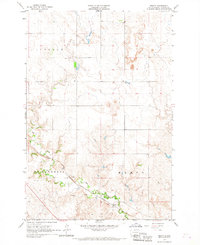 1966 Mahto1967 Print · USGSCorson County's rolling prairie landscape is captured here in the mid-sixties, centered on the small siding at Mahto. Local historians can trace the path of the Chicago Milwaukee St Paul and Pacific railroad as it follows Oak Creek past a local Gravel Pit.
 - 1966 Map of Kenel, 1967 Print
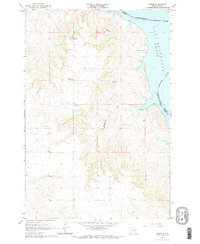 1966 Kenel1967 Print · USGSThe Missouri River breaks along the eastern edge of the Standing Rock Indian Reservation during the mid-1960s. Genealogists and historians can trace the local community at Kenel through landmarks like St Benedict Ch and the Kenel Sch.2 unique versions available
 - 1966 Map of Mahto NW, 1967 Print
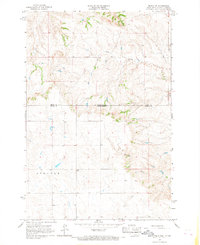 1966 Mahto NW1967 Print · USGSThe borderlands of the Dakotas appear here in the mid-1960s, showing the intersection of Sioux Co and Corson Co. Researchers can locate the Hope Cem and trace the winding paths of Bush Creek and Blackfoot Creek through Lincoln township.
 - 1966 Map of Kline Buttes, 1967 Print
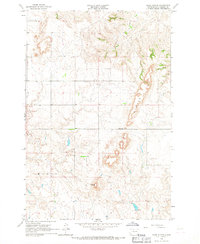 1966 Kline Buttes1967 Print · USGSCorson County land during the mid-sixties reveals a landscape defined by its high prairie terrain and isolated rural institutions. Researchers can trace early school district locations like Butte Sch and topographical landmarks such as Lonesome Butte or Kellers Dam.
 - 1966 Map of Pollock NW, 1967 Print
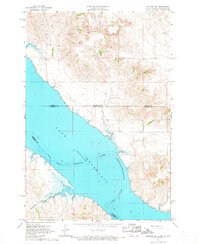 1966 Pollock NW1967 Print · USGSThe Missouri River valley undergoes a massive transition in the mid-1960s as the Oahe Reservoir fills the landscape. Researchers can trace the submerged riverbanks and the Standing Rock Indian Reservation Boundary alongside landmarks like Dale Cem.
 - 1968 Map of Fort Yates SE, 1971 Print
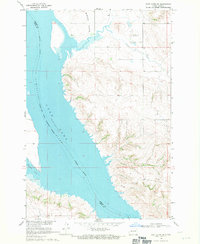 1968 Fort Yates SE1971 Print · USGSThe Missouri River borderlands in the late sixties show a landscape transformed by the rising waters of the newly formed reservoir. Trace the shoreline of Lake Oahe past Winona Flats and the Reierson Landing Strip as it meets the Standing Rock Indian Reservation.
 - 1968 Map of Fort Yates, 1971 Print
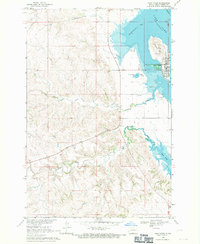 1968 Fort Yates1971 Print · USGSThe Standing Rock Indian Reservation landscape is captured here in the late sixties as the waters of Lake Oahe transformed the valley. Researchers can locate the Sitting Bull Burial Site, the Reed Cem, and the community layout of Fort Yates at this pivotal moment.
 - 1980 Map of Linton
 1980 Linton1980 Print · USGSThe Missouri River corridor in the early eighties serves as a backdrop for the sprawling Standing Rock Indian Reservation and Missouri plateau farm towns. Researchers can trace historic railroad routes like the Burlington Northern and find local landmarks such as Fort Yates, Solen, and Winona Flats.
 - 1985 Map of Mobridge
 1985 Mobridge1985 Print · USGSCrossing the Missouri River in the mid-1980s, this landscape reveals the intersection of the Standing Rock Indian Reservation and the rising waters of Lake Oahe. Researchers can locate significant historical markers such as Sitting Bulls Grave, St Elizabeth Mission Home, and the Leavenworth Monument.2 unique versions available
 - 2011 Map of Fort Yates, 2011 Print
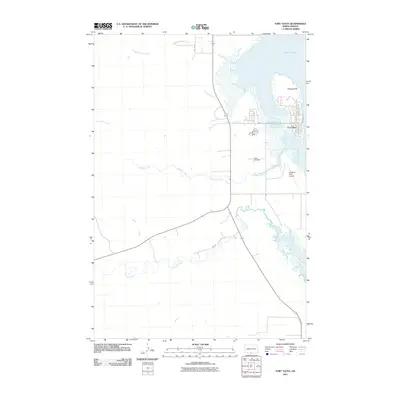 2011 Fort Yates2011 Print · USGSThe Missouri River breaks of Sioux County come into focus during the early twenty-first century, centered on the tribal seat of Fort Yates. Researchers can trace local landmarks like Reed Cemetery, the Standing Rock Airport, and the high ground of Proposal Hill.
 - 2011 Map of Fort Yates SE, 2011 Print
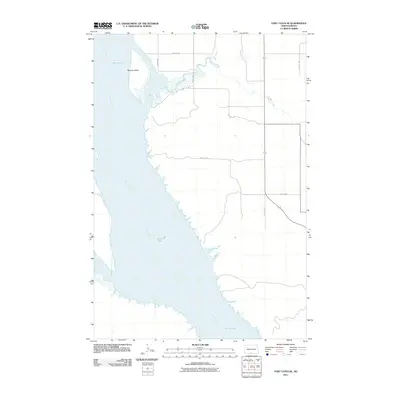 2011 Fort Yates SE2011 Print · USGSThe Missouri River floodplain in Sioux County is captured here in the early twenty-first century, showing the intersection of water and land. Researchers can trace the boundaries of Kenel Flats, the position of Winona Island, and the path of Cattail Creek.
 - 2011 Map of Mahto NW, 2011 Print
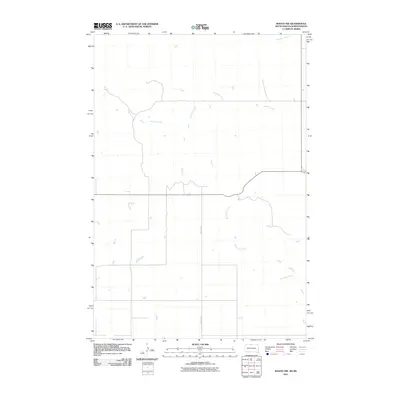 2011 Mahto NW2011 Print · USGSThe rural expanse of the Dakotas borderland in the early twenty-first century is captured here in this survey of open range and prairie drainages. Genealogists and local researchers can trace the routes of Joe Bush Creek, Blackfoot Creek, and County Rd 5.
 - 2011 Map of Mahto NE, 2011 Print
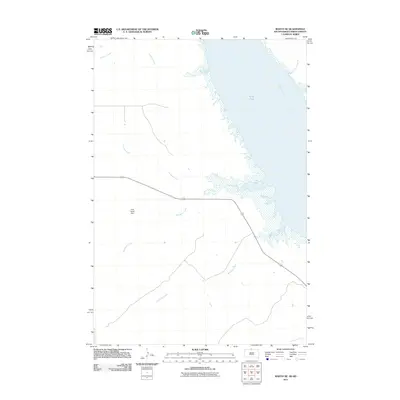 2011 Mahto NE2011 Print · USGSThe Missouri River lowlands of South Dakota are captured here in the early twenty-first century, showing the drainage of the Kenel District. Local researchers can trace the course of Fireheart Creek, the expanse of Kenel Flats, and the site of the Fred Hertel Dam.
 - 2011 Map of Pollock NW, 2011 Print
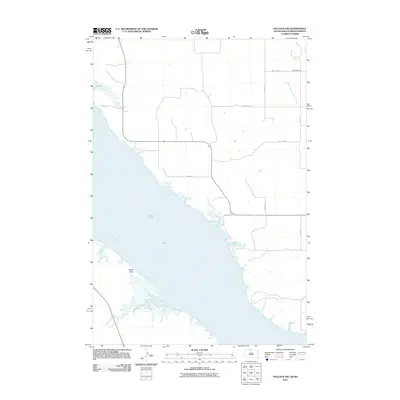 2011 Pollock NW2011 Print · USGSThe Missouri River borderlands of South Dakota and North Dakota are shown here in the early twenty-first century, featuring the expansive Kenel Flats. Local history researchers can trace the rural road grid to find the Dale Cemetery and the mouth of Hunkpapa Creek.
 - 2012 Map of Kenel, 2012 Print
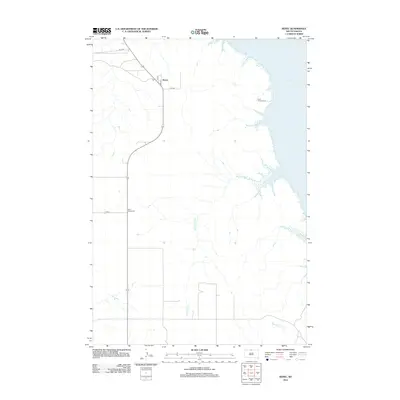 2012 Kenel2012 Print · USGSThe northern plains of Corson County meet the waters of Lake Oahe in the early twenty-first century, showcasing a landscape of prairie creeks and rural outposts. Genealogists and local historians can trace the community around Kenel, Saint Thomas Cem, and Saint Lukes Cem.
 - 2012 Map of Kline Buttes, 2012 Print
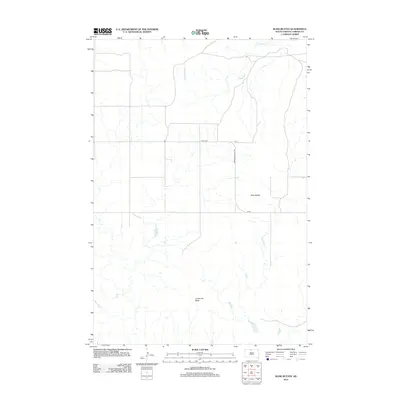 2012 Kline Buttes2012 Print · USGSThis rural portion of Corson County in the early twenty-first century reveals a landscape defined by traditional land divisions and natural landmarks. Researchers can trace the drainage of Hunkpapa Cr and locate high-ground features like Lonesome Butte and the Kline Buttes.
 - 2012 Map of Mahto, 2012 Print
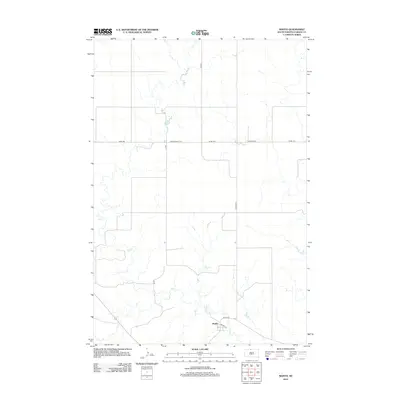 2012 Mahto2012 Print · USGSCorson County plains in the early 2010s are defined by isolated settlements and a vast network of rural section-line roads. Genealogists and local historians can locate the community of Mahto and trace its layout along Railway St and Mahto Rd.
 - 2012 Map of Pollock SE, 2012 Print
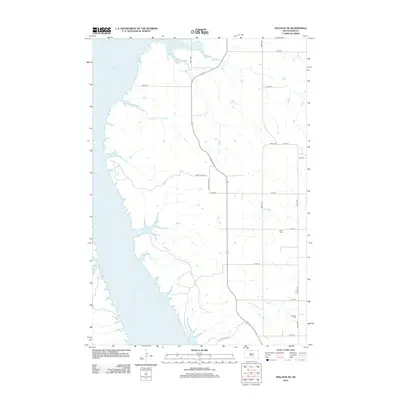 2012 Pollock SE2012 Print · USGSThe Missouri River breaks across the South Dakota plains in the early twenty-first century, revealing a landscape shaped by reservoir waters and rural homesteads. Genealogists and local historians can locate remote burial sites at Gale Cem and Kvarness Cem or trace the winding course of No Sweat Cr.
 - 2012 Map of Mahto NE, 2012 Print
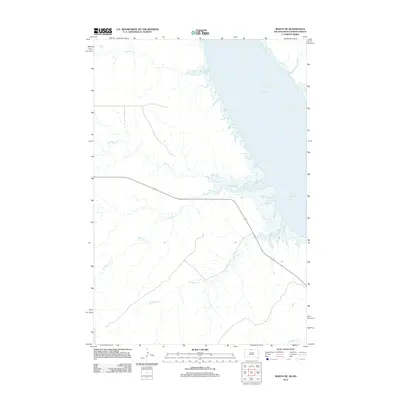 2012 Mahto NE2012 Print · USGSThe Missouri River breaks into the northern plains of Corson County during the early twenty-first century, defined by the expansive waters of Lake Oahe. Genealogists and historians can trace the paths of Fireheart Cr, Blackfoot Cr, and Baldhead Cr across this rural landscape.
Showing maps 1-25 of 56
Top cities near Kenel District
- McLaughlin historical maps
- Wakpala historical maps
- Fort Yates District historical maps
- Fort Yates historical maps
Top neighborhoods of Kenel District
Frequently asked questions
- What are the different types of historical maps available for Kenel District?
- What is the oldest map of Kenel District?
- Where can I purchase historical maps of Kenel District for my home or office?
- Where can I download high-res historical maps of Kenel District?
- Are there historical topographic maps available for Kenel District?
- Is there historical aerial imagery available for Kenel District?
- Where are historical maps of Kenel District sourced from?