1960s Maps of Gregory County, South Dakota
Explore 27 historic maps of Gregory County from the 1960s. These maps offer a rare glimpse into what life looked like during the 1960s — showing old roads, neighborhoods, homes, and landmarks that have changed or disappeared over time.
Whether you're researching your family's past, planning a metal detecting trip, or studying how Gregory County's landscape evolved across the 1960s, these high-resolution maps are a powerful tool for exploring the history of this region.
- Focus on a specific era: All maps on this page are from the 1960s, giving you a focused view of this time period.
- See what’s changed: Compare century-old streets, trails, and buildings to today's modern landscape using overlays and satellite layers.
- Research with precision: Use these maps for genealogy, historical research, land use analysis, or educational projects.
- View, download, or print: Maps are fully viewable online in high resolution, and can be downloaded or printed for your own records.
Start exploring Gregory County's history through authentic maps from the 1960s. This is your window into the past.
Gregory County, SD maps
(27)- 1964 Map of Gregory SE, 1965 Print
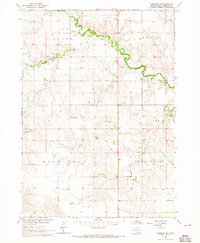 1964 Gregory SE1965 Print · USGSSouth Dakota's rural school districts and winding creek bottoms are captured here in the mid-1960s. Genealogists can locate family landmarks like McCumber Sch, Klug Sch, and Star Lake across the sectioned prairie.
 - 1964 Map of Campbell Creek, 1965 Print
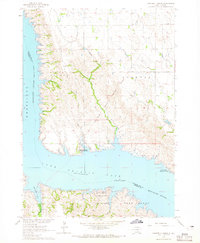 1964 Campbell Creek1965 Print · USGSThe Missouri River valley in the early 1960s shows a landscape reshaped by the Missouri River Basin development program and the creation of the Fort Randall reservoir. Genealogists and local historians can trace legacy land divisions along the Fort Randall Military Reservation Boundary and find early recreation sites like Pease Creek Recreation Area.
 - 1964 Map of Herrick NW, 1965 Print
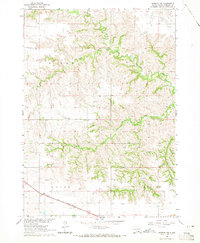 1964 Herrick NW1965 Print · USGSThe rural landscape of Gregory County comes alive in the mid-1960s, showing the intersection of the Chicago and North Western rail line and the Butte Valley ranch lands. Researchers can locate the Butte Valley Sch and trace the winding courses of Peters Creek and Coon Creek.
 - 1964 Map of Butte, 1965 Print
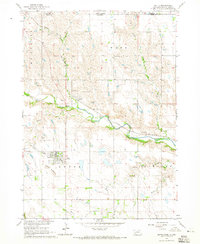 1964 Butte1965 Print · USGSThe Nebraska and South Dakota borderlands come into focus in the mid-sixties, centered on the Boyd County seat. Researchers can trace the Chicago and North Western rail line through Anoka and locate historic burial sites like Old Settlers Cem.
 - 1964 Map of Herrick NE, 1965 Print
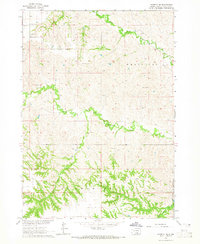 1964 Herrick NE1965 Print · USGSSouthern Gregory County in the early sixties remains a landscape of isolated ranching and rural education. Genealogists and historians can locate the Hornbeck Sch and trace the many artesian Flowing Well sites along Petes Cr.
 - 1964 Map of St. Charles, 1965 Print
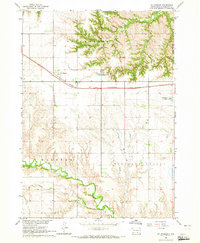 1964 St. Charles1965 Print · USGSGregory County in the mid-1960s shows a landscape defined by the Chicago and North Western railroad and the winding Ponca Creek. Genealogists and researchers can trace local boundaries through ST CHARLES, ELLSTON, and PLEASANT VALLEY townships.
 - 1964 Map of Mills, 1965 Print
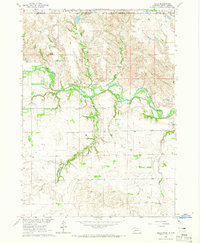 1964 Mills1965 Print · USGSThe Keya Paha River valley at the South Dakota and Nebraska border is captured here in the mid-sixties. Local researchers can trace the settlement at Mills, locate the Olive Branch Cem, and follow the Rosebud Indian Reservation Boundary.
 - 1964 Map of Whetstone Bay, 1965 Print
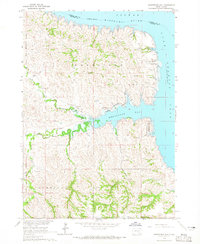 1964 Whetstone Bay1965 Print · USGSThe Missouri River breaks of Gregory County are captured here in the mid-1960s following the creation of the Fort Randall Reservoir. Researchers can trace the Rosebud Indian Reservation Boundary and locate landmarks like Mulehead Ranch and the Whetstone Bay Recreation Area.
 - 1964 Map of Gregory, 1965 Print
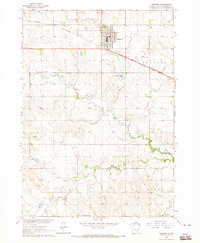 1964 Gregory1965 Print · USGSGregory thrived as a railroad and ranching hub in the mid-sixties, serving as the focal point for the surrounding prairie townships. Genealogists and local historians can trace the community's footprint through sites like IOOF Cem, the Chicago and North Western rail line, and the Gordon Sch.
 - 1964 Map of Lake Andes NW, 1965 Print
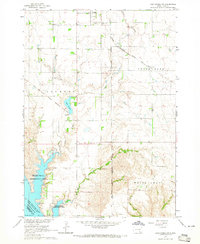 1964 Lake Andes NW1965 Print · USGSCharles Mix County is captured in the mid-sixties as the Missouri River reservoir system transforms the landscape. Genealogists and historians can trace the Old Fort Randall Military Road and locate family sites near St Anns Cem and Geddes.2 unique versions available
 - 1964 Map of Dallas, 1965 Print
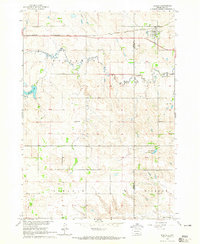 1964 Dallas1965 Print · USGSGregory County in the mid-1960s reveals a structured prairie landscape centered on the rail-side town of Dallas. Local historians and genealogists can trace the distribution of early rural education through sites like Melrose Sch, North Lincoln Sch, and Pleasant Valley Sch.
 - 1964 Map of Fort Randall Dam, 1965 Print
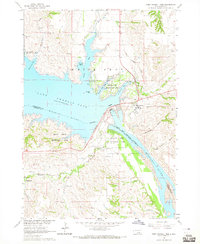 1964 Fort Randall Dam1965 Print · USGSThe Missouri River and Lake Francis Case are captured here during the mid-sixties, highlighting the newly completed dam and the town of Pickstown. Researchers can locate the Fort Randall Historic Site, Old Fort Randall Cem, and the St Francis Ch.
 - 1964 Map of Paxton, 1965 Print
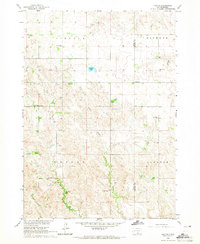 1964 Paxton1965 Print · USGSTripp and Gregory Counties are captured here in the mid-sixties, showcasing a landscape of small-town centers and distributed rural school districts. Genealogists can trace family footprints near Paxton, the Paxton Church, and several local landmarks like South Lincoln Sch.
 - 1964 Map of Burton, 1965 Print
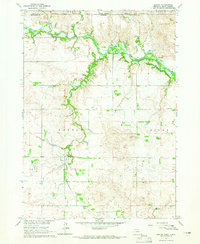 1964 Burton1965 Print · USGSThe Nebraska-South Dakota borderlands come into focus in the mid-1960s, showing the intersection of the Rosebud Reservation and rural Keya Paha County. Genealogists and researchers can trace the community around Burton, identifying local family landmarks like the Burton Cem and Roadside Sch.
 - 1964 Map of Gross, 1965 Print
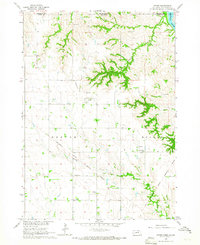 1964 Gross1965 Print · USGSBoyd County, Nebraska, and Gregory County, South Dakota, are captured in the mid-1960s as the rural landscape follows the Missouri River Basin. Genealogists and historians can trace the Old Fort Randall Military Road and locate the Rosedale Ch, Pleasant View Sch, and the settlement of Gross.
 - 1964 Map of Lake Andes SW, 1965 Print
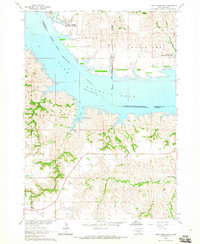 1964 Lake Andes SW1965 Print · USGSThe Missouri River valley appears here in the mid-1960s as a newly formed reservoir landscape following the Fort Randall Dam project. Researchers can trace the sprawling Lake Francis Case and identify critical land divisions like the Yankton Indian Reservation Boundary and the historic Fort Randall grounds.
 - 1964 Map of South Scalp Creek, 1965 Print
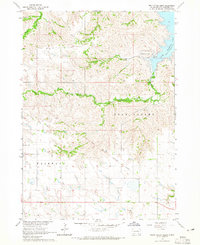 1964 South Scalp Creek1965 Print · USGSGregory County, South Dakota, is captured in the mid-1960s as the Missouri River Basin development transformed the local landscape. Researchers can trace the Fort Randall Military Reservation Boundary and locate landmarks like Bethelem Cem and Fairfax Lake.
 - 1964 Map of Herrick, 1965 Print
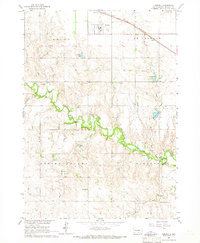 1964 Herrick1965 Print · USGSThe town of Herrick and the surrounding Gregory County prairies are captured here in the mid-1960s. Genealogists can locate family landmarks like Miller Sch, Ponca Creek Cem, and the community at Milks Camp.
 - 1964 Map of Carlock, 1965 Print
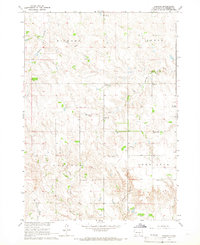 1964 Carlock1965 Print · USGSGregory County was a patchwork of prairie townships and rural school districts during the mid-sixties. Genealogists and local historians can trace the foundations of this community through landmarks like Carlock, Fairmont Ch, and the Congregational Cem.
 - 1964 Map of Jamison, 1965 Print
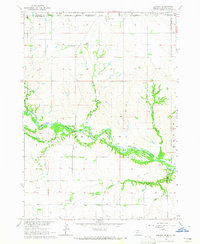 1964 Jamison1965 Print · USGSThe Nebraska-South Dakota borderlands come into focus in the mid-1960s, showing the intersection of the Rosebud Indian Reservation with the winding Keya Paha River. You can trace the rural communities of Jamison and Brocksburg alongside Spotted Tail Sch and Emmanuel Cem.
 - 1964 Map of Bonesteel, 1965 Print
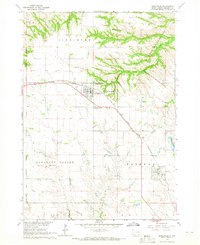 1964 Bonesteel1965 Print · USGSGregory County comes to life in the mid-sixties as the Chicago and North Western railroad links the grain-country towns. Genealogists and historians can locate family plots at Rosebud Cem or trace the Rosebud Indian Reservation Boundary.
 - 1964 Map of Naper NW, 1966 Print
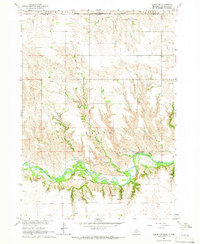 1964 Naper NW1966 Print · USGSBoyd County, Nebraska, and the South Dakota borderlands are captured here in the mid-1960s. Researchers can locate family burial plots at the Naper Cem and German Cem or trace the winding course of the Keya Paha River through the valley.
 - 1964 Map of Spencer North, 1966 Print
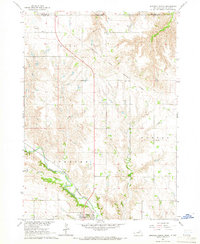 1964 Spencer North1966 Print · USGSNorth of Spencer, the Nebraska-South Dakota border meets the old Fort Randall Military Reservation Boundary in the mid-1960s. Genealogists can trace local roots through landmarks like Messiah Ch, School No 52, and the Old Immanuel Cem.
 - 1964 Map of Wagner SW, 1966 Print
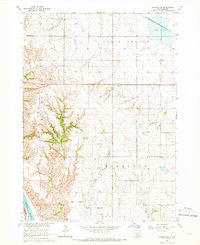 1964 Wagner SW1966 Print · USGSThe Missouri River breaks and upland plains of Charles Mix County are captured here in the mid-sixties, showing the rural homesteads and treaty lines of the day. Researchers can trace the Old Indian Treaty Boundary and locate historic rural hubs like St Catherine Ch and School No 32.
 - 1964 Map of Marty, 1966 Print
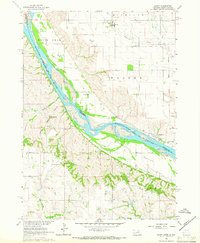 1964 Marty1966 Print · USGSThe Missouri River borderlands of South Dakota and Nebraska are captured here in the mid-sixties, showcasing a landscape shaped by tribal lands and military history. Genealogists can trace family footprints through the Old Yankton Indian Res Bdy, St Pauls Cem, and several rural schools like School No 83.2 unique versions available
Showing maps 1-25 of 27
Top cities of Gregory County
- Gregory historical maps
- Burke historical maps
- Bonesteel historical maps
- Dallas historical maps
- Fairfax historical maps
- Dixon historical maps
See more
Frequently asked questions
- What are the different types of historical maps available for Gregory County?
- What is the oldest map of Gregory County?
- Where can I purchase historical maps of Gregory County for my home or office?
- Where can I download high-res historical maps of Gregory County?
- Are there historical topographic maps available for Gregory County?
- Is there historical aerial imagery available for Gregory County?
- Where are historical maps of Gregory County sourced from?