Old Maps of Black Pipe Segment, South Dakota for Academic Research
Study the evolution of Black Pipe Segment with 28 high-resolution historic maps. Whether you're teaching, researching, or modeling changes in land use, these maps provide essential visual documentation of urban, environmental, and geographic change.
- Analyze long-term change: Track patterns in development, transportation, and natural features.
- Ideal for environmental or urban studies: Support academic projects with primary historical map data.
- Use in the classroom or lab: Educators and researchers rely on these maps to bring historical context to life.
These maps are a powerful tool for teaching, research, and visualizing how Black Pipe Segment has changed over the decades.
Black Pipe Segment, SD maps
(28)- 1955 Map of Martin, 1968 Print
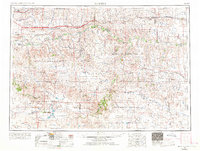 1955 Martin1968 Print · USGSTribal lands and rail corridors define the South Dakota plains in the mid-fifties, from the sand hills to the badlands. Genealogists and historians can trace the early layout of Pine Ridge Indian Reservation settlements and find small rail towns like Stamford and Witten.2 unique versions available
 - 1958 Map of Martin
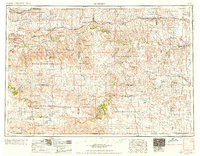 1958 Martin1958 Print · USGSSouth Dakota's southern plains are documented here in the late fifties, showing the expansive Pine Ridge and Rosebud Indian Reservations. Genealogists and historians can locate early settlements along the Chicago Milwaukee St Paul and Pacific line or find family roots near Martin and the Indian Cemetery.
 - 1969 Map of Norris, 1971 Print
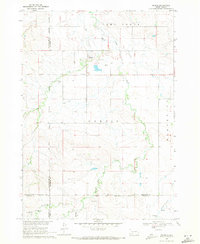 1969 Norris1971 Print · USGSMellette County and the Rosebud Indian Reservation come into focus during the late sixties as the community of Norris anchors this prairie landscape. Genealogists and local historians can trace family ties at Poor Thunder Cem, St Stephens Ch, and Red Leaf Cem along the Black Pipe Creek valley.
 - 1969 Map of Eagle Mans Butte, 1971 Print
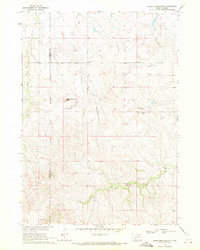 1969 Eagle Mans Butte1971 Print · USGSTodd County during the late sixties reveals a landscape of high plains and scattered reservation communities. Genealogists and historians can locate the He Dog Village (Historic Site) and several parish landmarks like St Patrick Ch and St Stephen Cem.
 - 1969 Map of Parmelee NE, 1971 Print
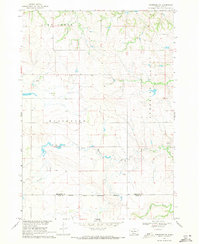 1969 Parmelee NE1971 Print · USGSThe northern reaches of the Rosebud Reservation are captured here in the late sixties, showing a landscape defined by prairie drainage and ranching life. Genealogists and historians can trace local landmarks such as St Johns Ch, the Cem, and the small settlement of Gray.
 - 1980 Map of Kadoka
 1980 Kadoka1980 Print · USGSWestern South Dakota's open plains and Badlands are captured here in the early eighties, showcasing a region defined by its railroads and reservations. Researchers can trace the routes of the Chicago and North Western or locate local landmarks like Kadoka Lake and Wanblee.
 - 1981 Map of Cedar Butte
 1981 Cedar Butte1981 Print · USGSThe South Dakota prairie at the start of the eighties is captured here, detailing the rural landscape of Mellette and Jackson counties. Local researchers can trace family landmarks and community sites like Stands For Them Cem, Running Bird Sch, and St Thomas Ch.
 - 1983 Map of Martin
 1983 Martin1983 Print · USGSBennett County and the neighboring tribal lands appear here in the early eighties as a network of High Plains settlements and conservation areas. Researchers can trace tribal boundaries and local genealogy through sites like Pine Ridge Indian Reservation, Long Valley, and Arnold Ranch.
 - 2012 Map of Parmelee NE, 2012 Print
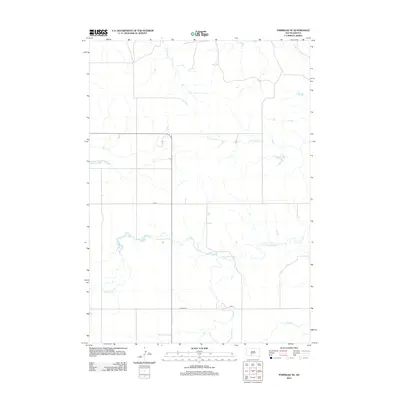 2012 Parmelee NE2012 Print · USGSMellette County, South Dakota, is captured here in the early twenty-first century, showcasing the open geography of the Horse Creek Segment. Researchers can trace the winding paths of Gray Eagletail Cr and Cut Meat Cr alongside rural corridors like Coline Rd.
 - 2012 Map of Cedar Butte, 2012 Print
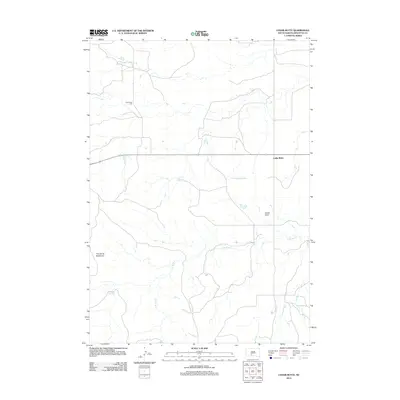 2012 Cedar Butte2012 Print · USGSMellette County during the early twenty-first century reveals a quiet prairie landscape shaped by section roads and seasonal water. Genealogists and local historians can locate the Cedarbutte Cem and trace landmarks like Devils Gate and The Devils Backbone.
 - 2012 Map of Eagle Mans Butte, 2012 Print
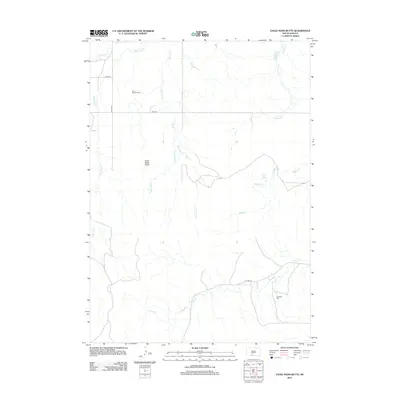 2012 Eagle Mans Butte2012 Print · USGSBennett County's rural landscape is captured here in the early twenty-first century, showcasing a network of prairie creeks and local burial grounds. Genealogists can locate Saint Stephen Cem and Epiphany Cem amidst landmarks like Eagle Mans Butte.
 - 2012 Map of Norris, 2012 Print
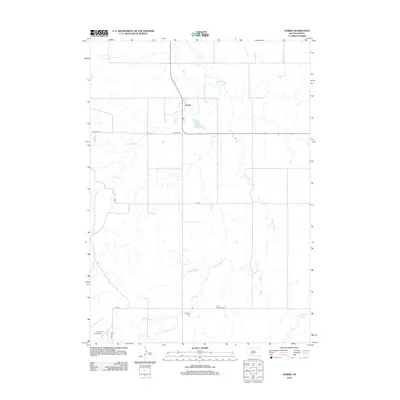 2012 Norris2012 Print · USGSThe rural community of Norris is captured here in the early twenty-first century, surrounded by a complex network of prairie creeks. Genealogists can locate family burial sites at Norris Cem, Poor Thunder Cem, and Red Leaf Cem while tracing the winding path of Black Pipe Cr.
 - 2012 Map of Corn Creek, 2012 Print
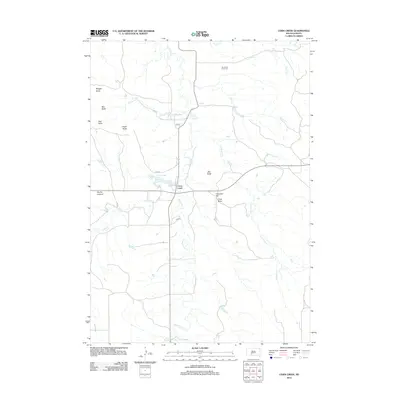 2012 Corn Creek2012 Print · USGSThe Mellette County plains come into focus in the early twenty-first century, showing a landscape defined by prominent buttes and creek drainages. Researchers can trace family history at the Stands for Them Cem or locate rural landmarks like Corn Creek Lake and Coyote Lookout.
 - 2015 Map of Cedar Butte, 2015 Print
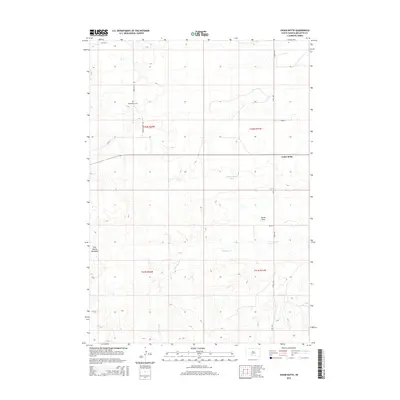 2015 Cedar Butte2015 Print · USGSMellette County, South Dakota, is captured in this recent survey during a period of preserved rural character and traditional land use. Genealogists and local historians can locate Cedarbutte Cem or trace the drainage paths of Klinking Beard Draw and N Br Pine Cr.
 - 2015 Map of Parmelee NE, 2015 Print
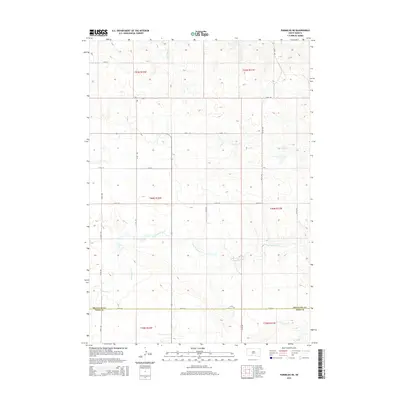 2015 Parmelee NE2015 Print · USGSSouth-central South Dakota's open prairie is mapped here in the mid-2010s, tracing the intersection of tribal and county lands. Researchers can locate the exact crossings of Swimmer Creek and Gray Eagletail Creek near the Mellette and Todd County line.
 - 2015 Map of Eagle Mans Butte, 2015 Print
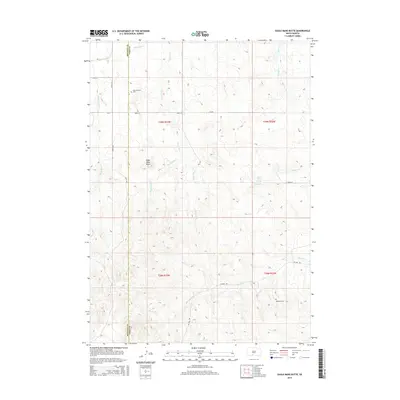 2015 Eagle Mans Butte2015 Print · USGSThe high plains of the Rosebud region are documented here in the mid-2010s, showcasing the intersection of the Bennett and Todd County line. Local historians and genealogists can locate Saint Stephen Cemetery and Epiphany Cemetery near landmarks like Eagle Mans Butte.
 - 2015 Map of Norris, 2015 Print
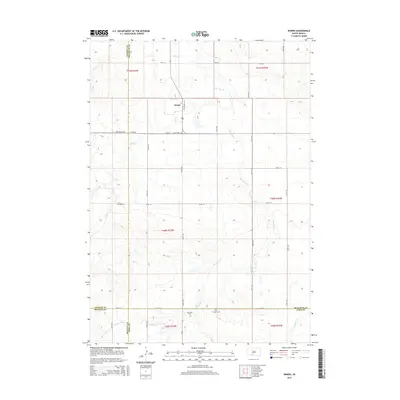 2015 Norris2015 Print · USGSIn the mid-2010s, this portion of the South Dakota prairie centered on Norris remains a landscape of remote settlements and tribal heritage. Genealogists and local historians can locate several rural burial sites, including Red Leaf Cem and Poor Thunder Cem.
 - 2015 Map of Corn Creek, 2015 Print
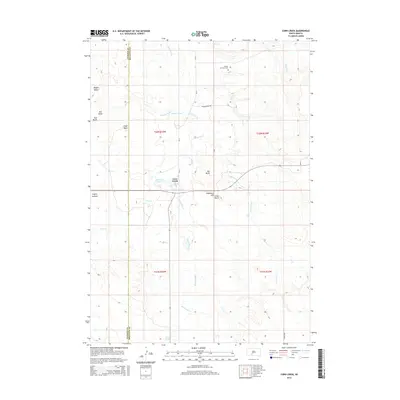 2015 Corn Creek2015 Print · USGSThe Mellette County plains are documented here in the mid-2010s, showing the intersection of isolated settlements and high-prairie landmarks. Genealogists and local historians can locate Stands for Them Cem and trace the paths of Black Pipe Creek and Corn Creek.
 - 2017 Map of Eagle Mans Butte, 2017 Print
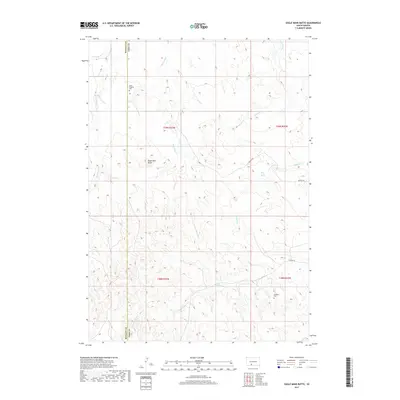 2017 Eagle Mans Butte2017 Print · USGSThe high plains at the Bennett and Todd county line appear in this modern survey, defined by the prominent Eagle Mans Butte. Researchers can locate isolated landmarks like Saint Stephen Cem, Black Crow Spring, and the winding Black Elk Cr.
 - 2017 Map of Norris, 2017 Print
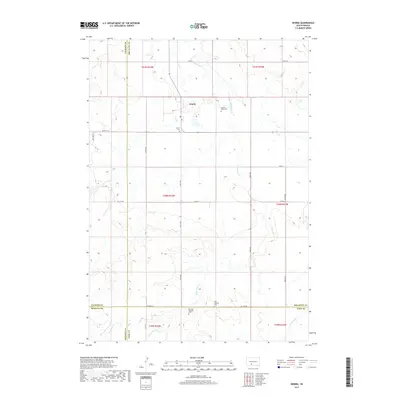 2017 Norris2017 Print · USGSThis late-modern survey captures the rural layout of the South Dakota prairie in the decade before 2020. Local researchers can trace the course of Black Pipe Cr as it winds south of the settlement at Norris.
 - 2017 Map of Parmelee NE, 2017 Print
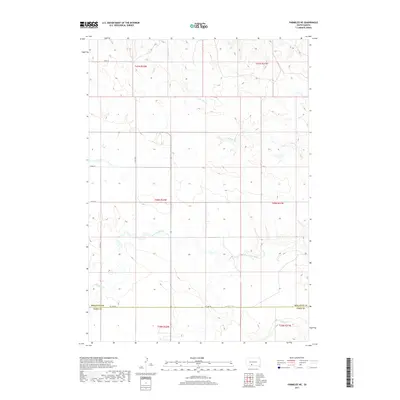 2017 Parmelee NE2017 Print · USGSSouth Dakota's high plains are captured here in the late twenty-tens as the landscape straddles the Mellette and Todd County line. Researchers can trace the drainage basins of Gray Eagletail Cr and Cut Meat Cr alongside local routes like 274th St.
 - 2017 Map of Corn Creek, 2017 Print
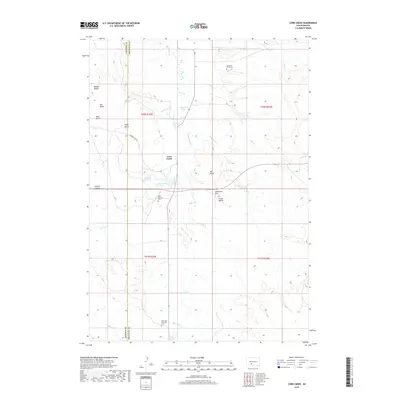 2017 Corn Creek2017 Print · USGSThis portion of the Rosebud Indian Reservation in Mellette County shows a landscape of prairie draws and ancestral sites in the 2010s. Genealogists and researchers can locate family landmarks such as Stands for Them Cem, Saint Thomas Cem, and Eagle Butte.
 - 2017 Map of Cedar Butte, 2017 Print
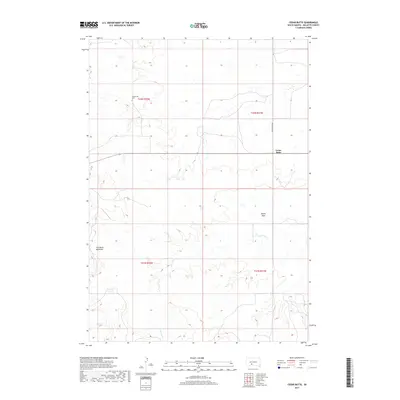 2017 Cedar Butte2017 Print · USGSMellette County in the late twenty-teens remains a landscape of open prairies and striking natural landmarks. Genealogists and local historians can trace family ties at the Cedarbutte Cem or locate the dramatic formations of Devils Gate and The Devils Backbone.
 - 2021 Map of Corn Creek, 2021 Print
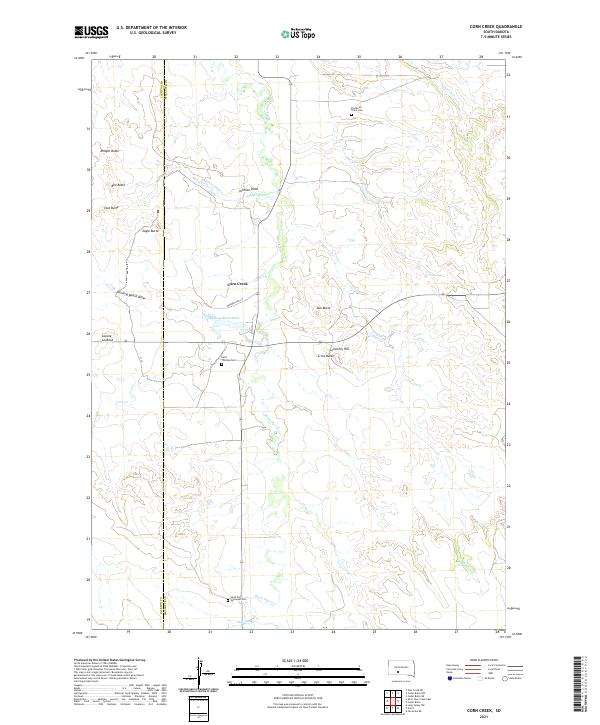 2021 Corn Creek2021 Print · USGSMellette and Jackson counties are documented here in the modern era, showing a landscape defined by rolling buttes and traditional creek crossings. Researchers can locate specific burial sites and family landmarks like Stands for Them Cem, Eagle Butte, and Saint Thomas Cem.
 - 2021 Map of Eagle Mans Butte, 2021 Print
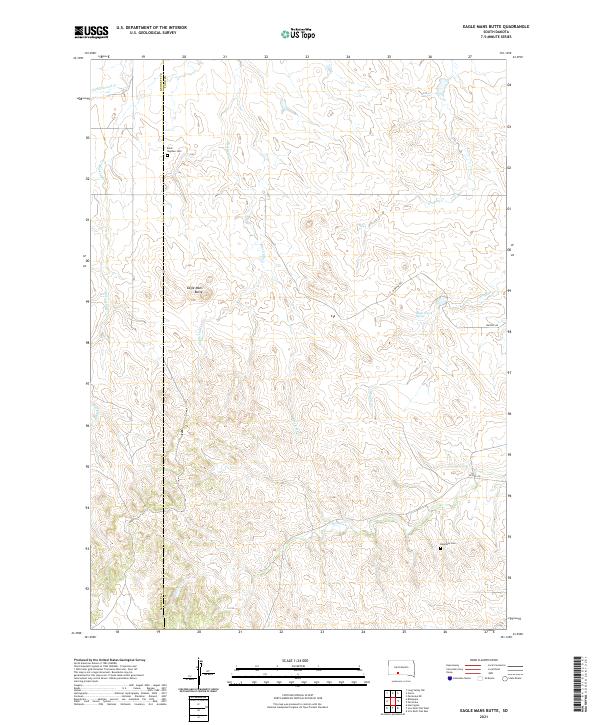 2021 Eagle Mans Butte2021 Print · USGSThe Todd County plains and the Bennett County border are captured here during the early twenty-first century. Researchers can locate family sites near Saint Stephen Cemetery or trace the drainage of Eagle Chief Creek and Black Elk Creek.
Showing maps 1-25 of 28
Top cities near Black Pipe Segment
Top neighborhoods of Black Pipe Segment
Frequently asked questions
- What are the different types of historical maps available for Black Pipe Segment?
- What is the oldest map of Black Pipe Segment?
- Where can I purchase historical maps of Black Pipe Segment for my home or office?
- Where can I download high-res historical maps of Black Pipe Segment?
- Are there historical topographic maps available for Black Pipe Segment?
- Is there historical aerial imagery available for Black Pipe Segment?
- Where are historical maps of Black Pipe Segment sourced from?