1930s Maps of Bedford County, Tennessee
Explore 18 historic maps of Bedford County from the 1930s. These maps offer a rare glimpse into what life looked like during the 1930s — showing old roads, neighborhoods, homes, and landmarks that have changed or disappeared over time.
Whether you're researching your family's past, planning a metal detecting trip, or studying how Bedford County's landscape evolved across the 1930s, these high-resolution maps are a powerful tool for exploring the history of this region.
- Focus on a specific era: All maps on this page are from the 1930s, giving you a focused view of this time period.
- See what’s changed: Compare century-old streets, trails, and buildings to today's modern landscape using overlays and satellite layers.
- Research with precision: Use these maps for genealogy, historical research, land use analysis, or educational projects.
- View, download, or print: Maps are fully viewable online in high resolution, and can be downloaded or printed for your own records.
Start exploring Bedford County's history through authentic maps from the 1930s. This is your window into the past.
Bedford County, TN maps
(18)- 1936 Map of Ovoca
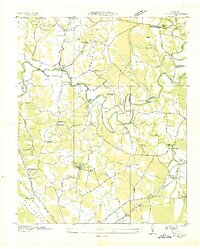 1936 Ovoca1936 Print · USGSCoffee County's rural landscape is captured here in the mid-1930s as the Tennessee Valley Authority mapped the region's complex river systems. Genealogists can locate family landmarks such as the Ovoca Orphans Home, the Holland Hill Cem, and numerous Duck River crossings like Richardson Ford.
 - 1936 Map of Webbs Jungle
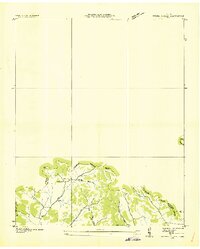 1936 Webbs Jungle1936 Print · USGSRutherford and Bedford Counties are captured in the mid-1930s, showing a rural landscape defined by the Tennessee Basin Divide. Genealogists and local historians can trace family locations near Webbs Jungle, the Beechwood Ch, and along Wartrace Creek.
 - 1936 Map of Booneville
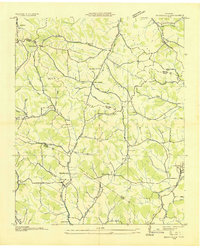 1936 Booneville1936 Print · USGSThe rural borderlands of Moore, Lincoln, and Bedford counties are captured here in the mid-1930s during a period of steady local development. Researchers can pinpoint early community hubs like Screamersville, Charity Sch, and the river crossing at Booneville.
 - 1936 Map of Chapel Hill
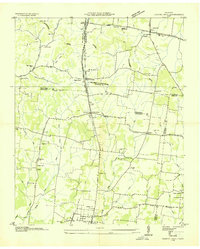 1936 Chapel Hill1936 Print · USGSMiddle Tennessee’s rural landscape is captured here in the mid-1930s as the regional electrical grid was expanding. Researchers can locate vanished landmarks like the Holtland PO, trace family roots at LESTER CEM, or find the old Edwards Grove Ch.
 - 1936 Map of Farmington
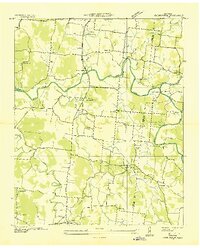 1936 Farmington1936 Print · USGSMarshall County rural life in the mid-1930s is defined by the winding Duck River and a network of family-run farms. Researchers can trace ancestral locations near Wilhoite Mills, Rock Creek Ch, and family burial sites like Thomas Cem.
 - 1936 Map of Shelbyville
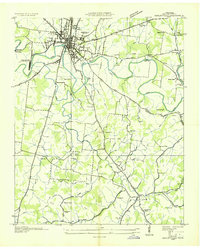 1936 Shelbyville1936 Print · USGSBedford County during the mid-1930s shows a landscape of river-based industry and tightly knit rural settlements along the Duck River. Genealogists and local historians can trace early community life at Shelbyville Mills, Mullins Chapel, and Holly Grove Sch.
 - 1936 Map of Rover
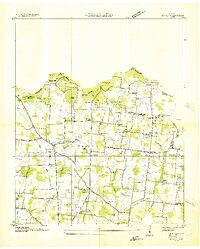 1936 Rover1936 Print · USGSMiddle Tennessee farmland at the Rutherford and Bedford county line is meticulously captured in the mid-thirties. Family historians can trace dozens of burial sites and community centers like Rover, Kingdom Ch, and the Vernon Corner Sch.
 - 1936 Map of Belfast
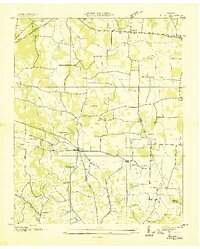 1936 Belfast1936 Print · USGSMarshall County rural life and the local rail economy are captured here just before the late 1930s. Genealogists and historians can trace family locations through Bethel Cem, Cedar Grove Sch, and churches like Head Springs Ch.
 - 1936 Map of Deason
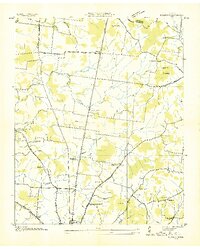 1936 Deason1936 Print · USGSNorthern Bedford County at the peak of the New Deal era reveals a landscape of rural academies and family-named landmarks. Trace ancestral connections at Possumtrot Ch, Harts Chapel, and the historic grounds of Coops Academy.
 - 1936 Map of Cumberland Springs
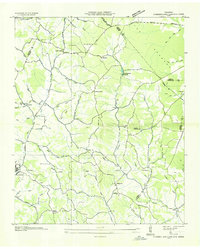 1936 Cumberland Springs1936 Print · USGSMoore County and Lynchburg are captured in the mid-1930s as a land of narrow hollows and high ridges. Researchers can trace the early layout of Lynchburg and find community centers like Raysville Sch, Smith Chapel, and Cumberland Springs.
 - 1936 Map of Belleville
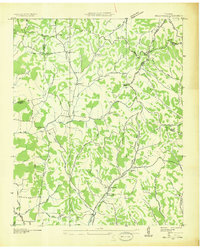 1936 Belleville1936 Print · USGSLincoln County and the surrounding borderlands are captured here in the mid-1930s, showing a rural landscape organized around deep hollows and creek branches. Researchers can locate numerous local landmarks including Oak Hill Ch, Patton Cem, and the settlement of Belleville.
 - 1936 Map of Beech Grove
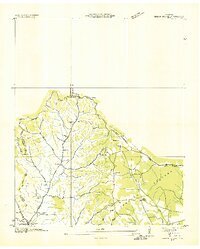 1936 Beech Grove1936 Print · USGSCoffee County rural life in the mid-1930s is detailed here along the winding Garrison Fork and Duck River. Researchers can trace family ties at the Barnes Store, Union Ch, and numerous burial grounds like the Arnold Cem.
 - 1936 Map of Noah
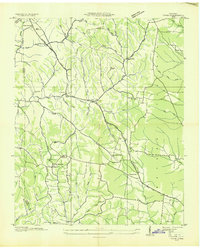 1936 Noah1936 Print · USGSCoffee County and the Bedford border are captured here in the mid-1930s as rural life centered on the forks and ridges. Genealogists can locate family burial grounds like Alley Cem and Riley Creek Cem or local school sites such as Model Sch and Beech Grove Sch.
 - 1936 Map of Wartrace
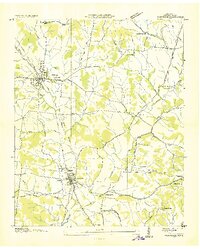 1936 Wartrace1936 Print · USGSMid-1930s Bedford County comes to life as a network of rail and river, centered on the bustling depots at Bell Buckle and Wartrace. Genealogists and historians can trace family ties at Webb Sch, Hollywood Cem, and rural outposts like Bugscuffle.
 - 1936 Map of Unionville
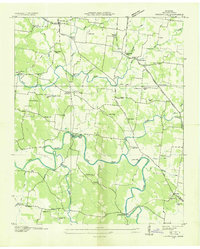 1936 Unionville1936 Print · USGSBedford County's agricultural heartland is documented here in the mid-1930s, where river mills and country schoolhouses define the social geography. Researchers can locate family landmarks like Blackburns Mill, the curiosly named Three Cornered Garden, and the riverside Britton Ford.
 - 1936 Map of Bedford
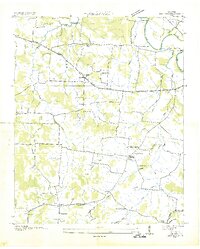 1936 Bedford1936 Print · USGSBedford and the surrounding Tennessee countryside are captured in the mid-1930s just as the Tennessee Valley Authority began its regional surveys. Researchers can locate many vanished family landmarks and community hubs, including Pisgah Cem, New Bethel Ch, and Powell Creek Sch.
 - 1936 Map of Normandy
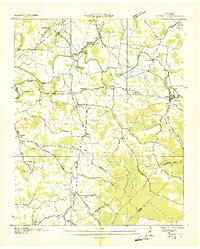 1936 Normandy1936 Print · USGSBedford and Moore counties come to life in the 1930s as the rail-and-river economy centers on the town of Normandy. Genealogists and historians can trace family locations at Bugscuffle, locate Jenkins Sch, or find industrial landmarks like Cortners Mill.
 - 1936 Map of Fosterville
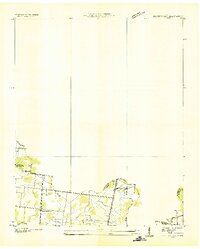 1936 Fosterville1936 Print · USGSThe Rutherford and Bedford county line comes into focus in the mid-1930s as the Tennessee Valley Authority mapped the region's watersheds. Researchers can locate family landmarks such as Woodfin Cem or trace the early paths of U S Highway No 241 and the N C & St L railroad.
End of results
Showing maps 1-18 of 18
Top cities of Bedford County
- Shelbyville historical maps
- Wartrace historical maps
- Bell Buckle historical maps
- Normandy historical maps
Frequently asked questions
- What are the different types of historical maps available for Bedford County?
- What is the oldest map of Bedford County?
- Where can I purchase historical maps of Bedford County for my home or office?
- Where can I download high-res historical maps of Bedford County?
- Are there historical topographic maps available for Bedford County?
- Is there historical aerial imagery available for Bedford County?
- Where are historical maps of Bedford County sourced from?