Old Maps of Milo, Tennessee for Metal Detecting
Plan your next treasure hunt with 17 historic maps of Milo. Find old homesites, ghost towns, trails, and gathering spots that may be lost to time — perfect for identifying promising metal detecting locations.
- Locate forgotten sites: Uncover places like long-lost settlements, abandoned rail lines, or gathering spots.
- Plan better hunts: Use map overlays combined with LiDAR or satellite views to narrow in on historically rich areas.
- Made for detectorists: Thousands of hobbyists use these maps to discover relics, coins, and hidden history.
Use these historic maps to boost your research and find new opportunities beneath the surface of Milo.
Milo, TN maps
(17)- 1887 Map of Kingston
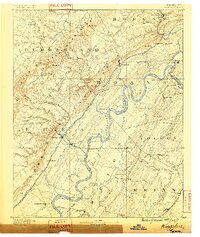 1887 Kingston1887 Print · USGSCentral Tennessee in the late nineteenth century was a world of river landings and new rail lines. Genealogists can trace family roots through riverside sites like Sevier's Ferry or rural hubs like Bogges X Roads and Ten Mile Stand.
 - 1891 Map of Kingston
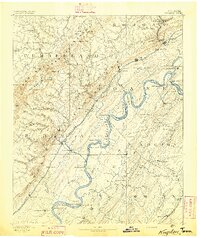 1891 Kingston1891 Print · USGSEastern Tennessee in the 1890s reveals a river-driven economy at the edge of the Cumberland Plateau. Genealogists can trace early crossings and landings such as Mc Elwee's Ferry and Pinhook Landing, or locate vanished crossroads like Kemmers Old Stand.2 unique versions available
 - 1893 Map of Kingston, 1905 Print
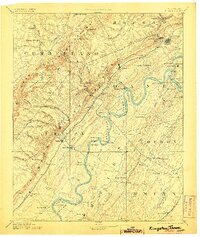 1893 Kingston1905 Print · USGSEastern Tennessee at the end of the nineteenth century is a landscape of mountain gaps and vital river landings. Researchers can trace early river crossings like Jackson Ferry, the path of the Cincinnati Southern Railroad, and settlements like Rhea Springs and Kingston.5 unique versions available
 - 1935 Map of Pennine
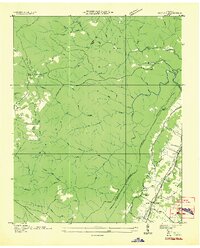 1935 Pennine1935 Print · USGSRhea County is captured here in the mid-1930s, showing the intersection of ridge-top settlements and valley transport corridors. Genealogists can locate family landmarks such as Milo Post Office, the Rector Mine, and Pleasant Hill Cemetery.
 - 1949 Map of Pennine
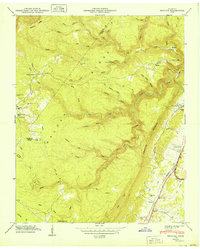 1949 Pennine1949 Print · USGSRhea County at the close of the 1940s reveals a landscape defined by the Cumberland Escarpment and the Southern rail line. Genealogists can locate family-named sites like De Vaney Cem and Thurman Cem, or trace the path of Stinging Fork Falls.
 - 1953 Map of Chattanooga
 1953 Chattanooga1953 Print · USGSSoutheast Tennessee in the early fifties shows a landscape reshaped by river management and rail power. Trace the rail lines of the Southern Ry through riverside towns or locate the preserved grounds of the Chickamauga and Chattanooga National Military Park.
 - 1957 Map of Chattanooga, 1966 Print
 1957 Chattanooga1966 Print · USGSEast Tennessee in the mid-1960s shows a landscape of massive hydroelectric reservoirs and emerging industrial sites like the Atomic Energy Commission (Oak Ridge Area). Trace the rail networks of the Southern Ry through Chattanooga or locate family-named ridges across the Cumberland Plateau.3 unique versions available
 - 1959 Map of Chattanooga
 1959 Chattanooga1959 Print · USGSSoutheast Tennessee is shown here during a decade of industrial growth and hydroelectric development. Trace the regional rail networks of the Southern Ry and find landmark sites like Lookout Mountain, Fall Creek Falls State Park, and Chattanooga.
 - 1960 Map of Chattanooga
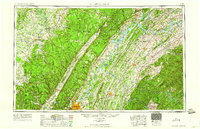 1960 Chattanooga1960 Print · USGSSoutheast Tennessee and the southern Appalachians are shown here at the height of the river-management era. You can trace the valley rail lines and locate Lookout Mountain and the expansive waters of Chickamauga Reservoir.
 - 1964 Map of Chattanooga
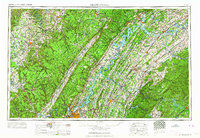 1964 Chattanooga1964 Print · USGSSoutheast Tennessee and the western Carolinas appear in the mid-sixties as a powerhouse of river-driven industry and mountain wilderness. Genealogists and historians can trace rail-town lineages along the Southern Ry or locate family landmarks near Watts Bar Lake and Tellico Plains.
 - 1973 Map of Pennine, 1974 Print
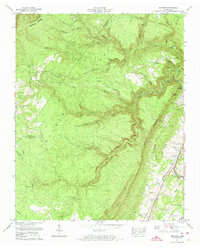 1973 Pennine1974 Print · USGSRhea County at the base of the Cumberland Plateau in the early seventies shows a landscape defined by the ridge and the rail. Family historians can trace early settlements and burial sites like Pennine, Bonham, and the Wasson Cem along the Southern line.2 unique versions available
 - 1981 Map of Watts Bar Lake, 1984 Print
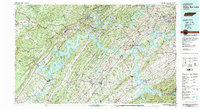 1981 Watts Bar Lake1984 Print · USGSEast Tennessee's river valleys and industrial corridors are captured here during the expansion of the TVA power system in the early eighties. Researchers can trace the legacy of the Southern Railway and the development of Watts Bar Lake and Tellico Lake.2 unique versions available
 - 2010 Map of Pennine, 2010 Print
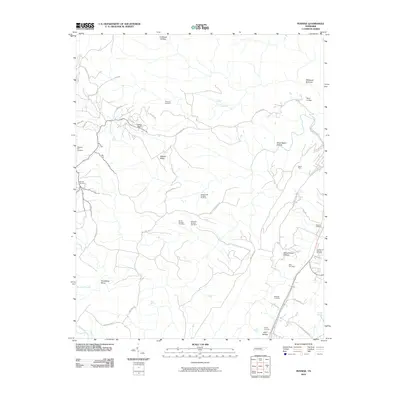 2010 Pennine2010 Print · USGSThe Cumberland Plateau edge in Rhea County is documented here during the early 2010s, showing the intersection of mountain industry and rural life. Trace family history and local industry through the Rector Mine and several historic burial grounds like Miller Cemetery and Wassom Cemetery.
 - 2013 Map of Pennine, 2013 Print
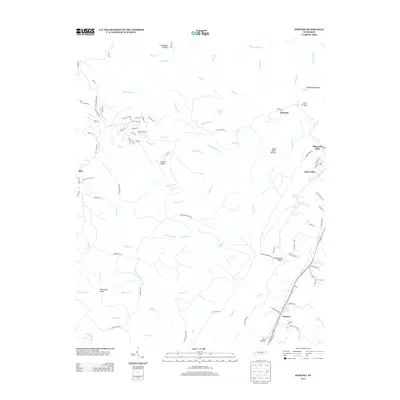 2013 Pennine2013 Print · USGSRhea County is shown here in the early twenty-first century, a landscape of the Cumberland Plateau where mountain roads wind through high ridges and deep hollows. Researchers can trace the drainages of Stinging Fork Falls or locate settlements like Pennine and Bonham.
 - 2016 Map of Pennine, 2016 Print
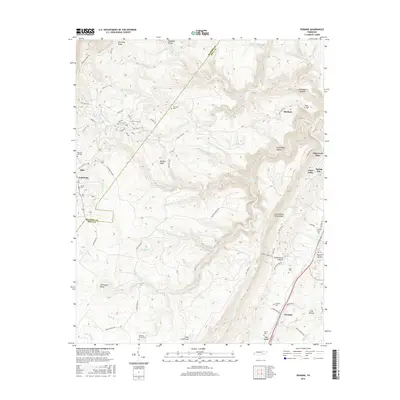 2016 Pennine2016 Print · USGSThe Cumberland Escarpment meets the Tennessee Valley during the mid-2010s, revealing a landscape of high ridges and deep hollows. Genealogists can trace family connections through numerous upland burial sites like Wassom Cem and Thurman Cem near the settlement of Pennine.
 - 2019 Map of Pennine, 2019 Print
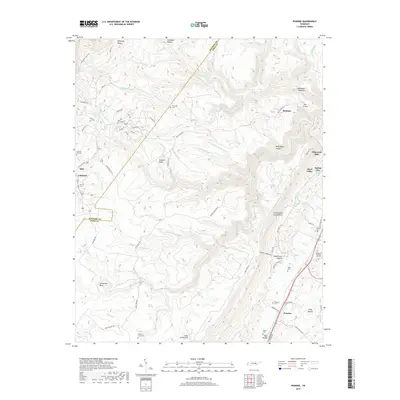 2019 Pennine2019 Print · USGSThe eastern edge of the Tennessee plateau comes into sharp focus in this late 2010s study of Rhea and Bledsoe Counties. Researchers can trace family history at several burial sites like Hickory Grove Cem or locate rural settlements such as Pennine and Bonham.
 - 2022 Map of Pennine, 2022 Print
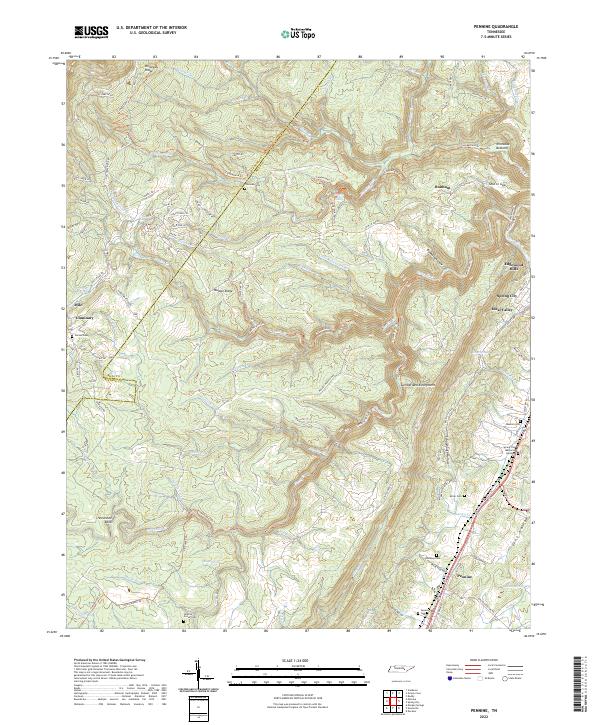 2022 Pennine2022 Print · USGSThe Rhea County highlands and the steep drop of the Cumberland Escarpment appear in high detail during the early 2020s. Genealogists and hikers can trace the Cumberland Trail past remote sites like Thurman Cem and Stinging Fork Falls.
End of results
Showing maps 1-17 of 17
Top cities near Milo
- Crossville historical maps
- Dayton historical maps
- Spring City historical maps
- Pikeville historical maps
- Decatur historical maps
- Crab Orchard historical maps
Frequently asked questions
- What are the different types of historical maps available for Milo?
- What is the oldest map of Milo?
- Where can I purchase historical maps of Milo for my home or office?
- Where can I download high-res historical maps of Milo?
- Are there historical topographic maps available for Milo?
- Is there historical aerial imagery available for Milo?
- Where are historical maps of Milo sourced from?