Old Maps of Mount View, Tennessee for Metal Detecting
Plan your next treasure hunt with 16 historic maps of Mount View. Find old homesites, ghost towns, trails, and gathering spots that may be lost to time — perfect for identifying promising metal detecting locations.
- Locate forgotten sites: Uncover places like long-lost settlements, abandoned rail lines, or gathering spots.
- Plan better hunts: Use map overlays combined with LiDAR or satellite views to narrow in on historically rich areas.
- Made for detectorists: Thousands of hobbyists use these maps to discover relics, coins, and hidden history.
Use these historic maps to boost your research and find new opportunities beneath the surface of Mount View.
Mount View, TN maps
(16)- 1895 Map of Sewanee
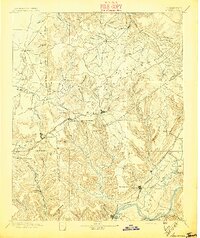 1895 Sewanee1895 Print · USGSThe Cumberland Plateau and Sequatchie Valley come alive in the late nineteenth century, showing a landscape shaped by coal, iron, and the rails. Genealogists and historians can trace family-named coves and industrial sites like the Cowan Tunnel, Beersheba Springs, and the Stone Quarry.6 unique versions available
 - 1936 Map of Burrow Cove
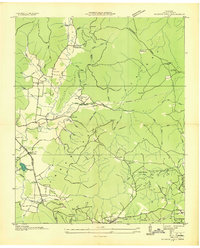 1936 Burrow Cove1936 Print · USGSThe Cumberland Plateau of Tennessee is shown in the mid-1930s, featuring the deep hollows and high points of Grundy County. Researchers can trace historic landmarks like Wonder Cave, CCC Camp No 1476, and rural centers such as Piedmont and Summerfield.
 - 1943 Map of Mc Minnville, 1944 Print
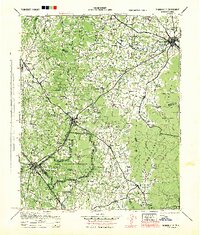 1943 Mc Minnville1944 Print · USGSMid-Tennessee is captured here during the mobilization of the early 1940s, showing the vast Camp Forrest Military Reservation and thriving rail towns. Trace the N C & ST L line through Mcminnville or locate smaller rural hubs like Morrison and Hickerson Station.
 - 1947 Map of Burrow Cove, 1948 Print
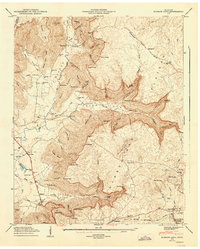 1947 Burrow Cove1948 Print · USGSThe Grundy County uplands come alive in this post-war survey, showing the intricate relationship between the steep cove terrain and early valley settlements. Researchers can trace rural life through the many schools and cemeteries, from Wonder Cave and Payne Cove Sch to the Nashville Chattanooga and St Louis Railroad.7 unique versions available
 - 1953 Map of Chattanooga
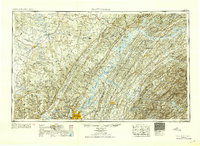 1953 Chattanooga1953 Print · USGSSoutheast Tennessee in the early fifties shows a landscape reshaped by river management and rail power. Trace the rail lines of the Southern Ry through riverside towns or locate the preserved grounds of the Chickamauga and Chattanooga National Military Park.
 - 1957 Map of Chattanooga, 1966 Print
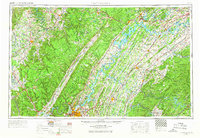 1957 Chattanooga1966 Print · USGSEast Tennessee in the mid-1960s shows a landscape of massive hydroelectric reservoirs and emerging industrial sites like the Atomic Energy Commission (Oak Ridge Area). Trace the rail networks of the Southern Ry through Chattanooga or locate family-named ridges across the Cumberland Plateau.3 unique versions available
 - 1959 Map of Chattanooga
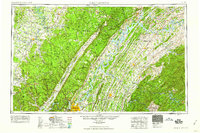 1959 Chattanooga1959 Print · USGSSoutheast Tennessee is shown here during a decade of industrial growth and hydroelectric development. Trace the regional rail networks of the Southern Ry and find landmark sites like Lookout Mountain, Fall Creek Falls State Park, and Chattanooga.
 - 1960 Map of Chattanooga
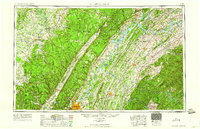 1960 Chattanooga1960 Print · USGSSoutheast Tennessee and the southern Appalachians are shown here at the height of the river-management era. You can trace the valley rail lines and locate Lookout Mountain and the expansive waters of Chickamauga Reservoir.
 - 1964 Map of Chattanooga
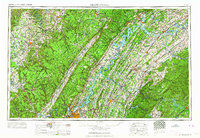 1964 Chattanooga1964 Print · USGSSoutheast Tennessee and the western Carolinas appear in the mid-sixties as a powerhouse of river-driven industry and mountain wilderness. Genealogists and historians can trace rail-town lineages along the Southern Ry or locate family landmarks near Watts Bar Lake and Tellico Plains.
 - 1979 Map of Chattanooga, 1980 Print
 1979 Chattanooga1980 Print · USGSSoutheast Tennessee in the late seventies reveals a landscape shaped by massive TVA river projects and the industrial strength of the Cumberland Plateau. Genealogists and historians can trace the rail-to-river network through L & N RR junctions, the University of the South, and the Volunteer Army Ammunition Plant.
 - 1988 Map of Chattanooga, 1991 Print
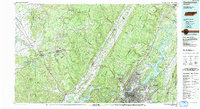 1988 Chattanooga1991 Print · USGSSoutheast Tennessee at the end of the 1980s reveals a complex landscape of deep river valleys and high coal-rich plateaus. Researchers can trace the legacy of the L & N RR through Tracy City or locate the sprawling Strip Mines near Whitwell.
 - 2010 Map of Burrow Cove, 2010 Print
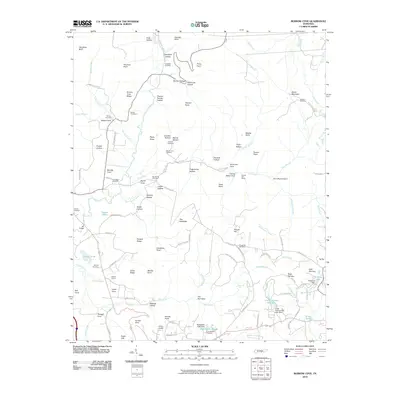 2010 Burrow Cove2010 Print · USGSGrundy County settlement and geography are captured here as the new millennium began, showing a landscape defined by its namesake coves and ridges. Genealogists can locate several family burial sites such as Roberts Cemetery and trace the proximity of Clouse Hill Mines to the community.
 - 2013 Map of Burrow Cove, 2013 Print
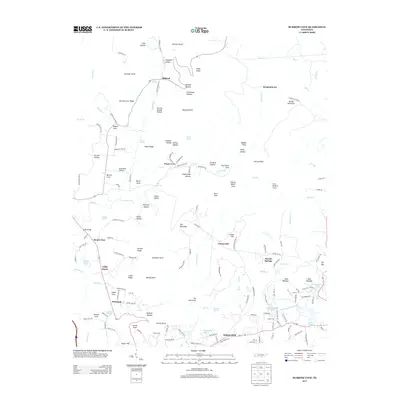 2013 Burrow Cove2013 Print · USGSThe Cumberland Plateau landscape near Tracy City is captured here in the early twenty-first century, showing a region shaped by its springs and hollows. Genealogists and hikers can trace family-named landmarks like Granny Hamby Hollow, find the Krashinsky Airfield, or locate the settlements at Sartain Springs and Summerfield.
 - 2016 Map of Burrow Cove, 2016 Print
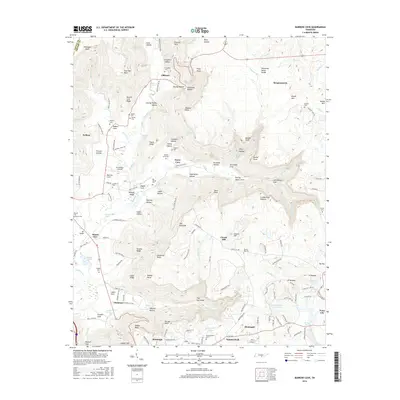 2016 Burrow Cove2016 Print · USGSGrundy County in the mid-2010s shows a landscape of deep plateau coves and high ridges where small mountain communities endure. Researchers can locate numerous family burial sites like Roberts Cem and Hargiss Cem or trace the winding course of the Elk River near Pelham.
 - 2019 Map of Burrow Cove, 2019 Print
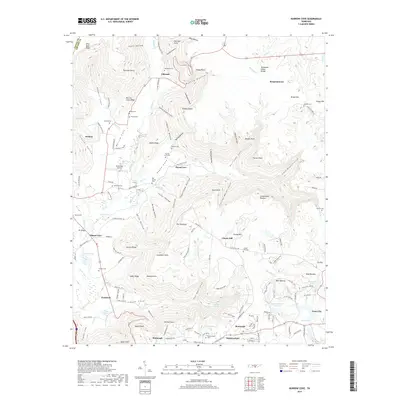 2019 Burrow Cove2019 Print · USGSThe Cumberland Plateau meets the valley floor in Grundy County, where ridge-top communities like Monteagle overlook the deep reaches of Burrow Cove. Genealogists can trace family lines through numerous burial sites like Bethel Cem, Hargiss Cem, and Clouse Hill Cem.
 - 2022 Map of Burrow Cove, 2022 Print
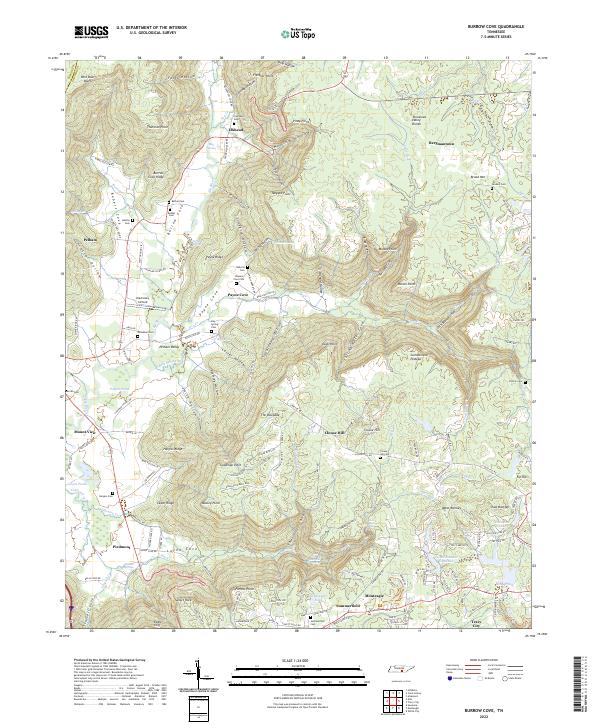 2022 Burrow Cove2022 Print · USGSThe Tennessee Cumberland Plateau at the start of the 2020s shows a landscape of deep coves and historic family settlements. Genealogists can trace rural ancestral roots through Bethel Cem, Campbell Cem, and the communities of Elkhead and Payne Cove.
End of results
Showing maps 1-16 of 16
Top cities near Mount View
- Manchester historical maps
- Winchester historical maps
- Jasper historical maps
- Sewanee historical maps
- Decherd historical maps
- Gruetli-Laager historical maps
See more
Frequently asked questions
- What are the different types of historical maps available for Mount View?
- What is the oldest map of Mount View?
- Where can I purchase historical maps of Mount View for my home or office?
- Where can I download high-res historical maps of Mount View?
- Are there historical topographic maps available for Mount View?
- Is there historical aerial imagery available for Mount View?
- Where are historical maps of Mount View sourced from?