2000s (21st Century) Maps of Hamblen County, Tennessee
Explore 50 historic maps of Hamblen County from the 2000s (21st Century). These maps offer a rare glimpse into what life looked like during the 2000s — showing old roads, neighborhoods, homes, and landmarks that have changed or disappeared over time.
Whether you're researching your family's past, planning a metal detecting trip, or studying how Hamblen County's landscape evolved across the 2000s, these high-resolution maps are a powerful tool for exploring the history of this region.
- Focus on a specific era: All maps on this page are from the 2000s, giving you a focused view of this time period.
- See what’s changed: Compare century-old streets, trails, and buildings to today's modern landscape using overlays and satellite layers.
- Research with precision: Use these maps for genealogy, historical research, land use analysis, or educational projects.
- View, download, or print: Maps are fully viewable online in high resolution, and can be downloaded or printed for your own records.
Start exploring Hamblen County's history through authentic maps from the 2000s. This is your window into the past.
Hamblen County, TN maps
(50)- 2010 Map of Bulls Gap, 2010 Print
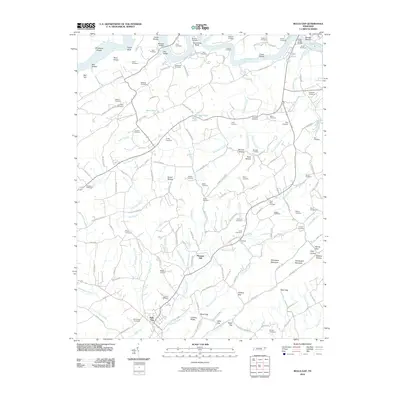 2010 Bulls Gap2010 Print · USGSBulls Gap and the ridges of East Tennessee appear here in the early twenty-first century, showing a landscape defined by narrow hollows and river bends. Genealogists can trace scores of family burial sites like Whiteside Cemetery and Burdine Cemetery near historic settlements like Pleasant Hill.
 - 2010 Map of Avondale, 2010 Print
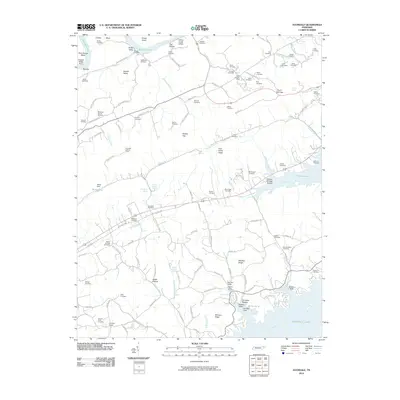 2010 Avondale2010 Print · USGSThe East Tennessee ridges and the expansive waters of Cherokee Lake define this region during the early twenty-first century. Researchers can locate dozens of family burial sites like the Slave Cemetery and landmarks such as the Avondale Lookout Tower.
 - 2010 Map of Bean Station, 2010 Print
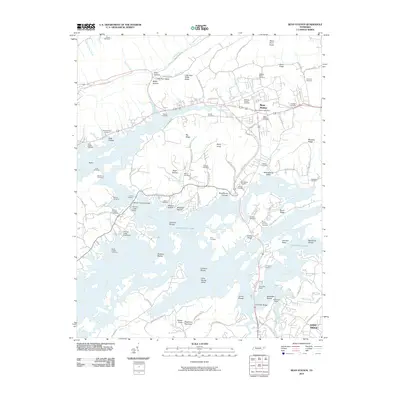 2010 Bean Station2010 Print · USGSBean Station sits at the edge of the rising Cherokee Lake in this 2010 survey of the Tennessee landscape. Genealogists and historians can trace scores of family burial grounds, including the Isenberg Cemetery and Samsel Cemetery, alongside the Holston River.
 - 2010 Map of Talbott, 2010 Print
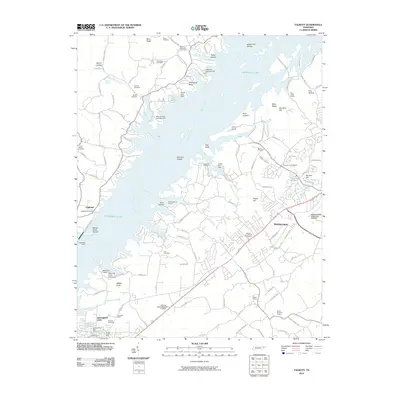 2010 Talbott2010 Print · USGSEast Tennessee's shoreline and growing towns are captured here in the early twenty-first century as the Holston River feeds the massive Cherokee Lake. Genealogists and local historians can trace family sites at Oakland Cemetery or Hull Cemetery and locate industrial landmarks like Jarnagan Mine.
 - 2010 Map of Mohawk, 2010 Print
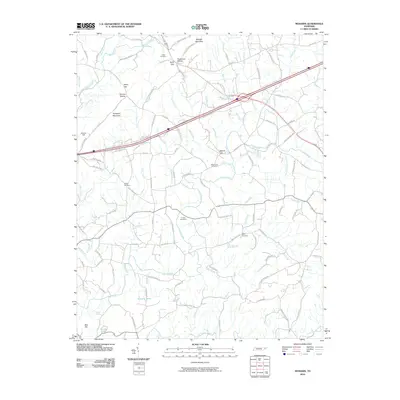 2010 Mohawk2010 Print · USGSBulls Gap and the Greene County countryside are captured here in the early twenty-first century, showing a landscape defined by historic transit and rural settlements. Researchers can trace family roots through several local landmarks including Darrow Mill, Wright Cemetery, and the Mohawk Post Office.
 - 2010 Map of Morristown, 2010 Print
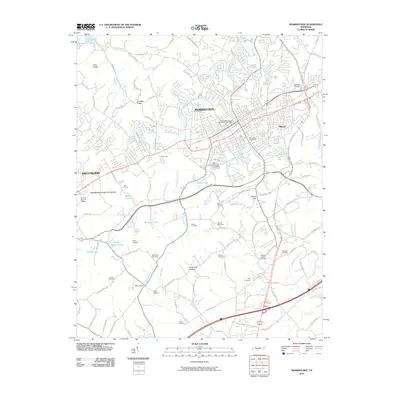 2010 Morristown2010 Print · USGSMorristown and its surrounding valleys are captured here at the turn of the millennium as the area grew around its historic ridges. Genealogists can locate numerous burial sites like Skeen Cemetery and Watkins Chapel Cemetery alongside landmarks like Masengill Lake.
 - 2010 Map of Rankin, 2010 Print
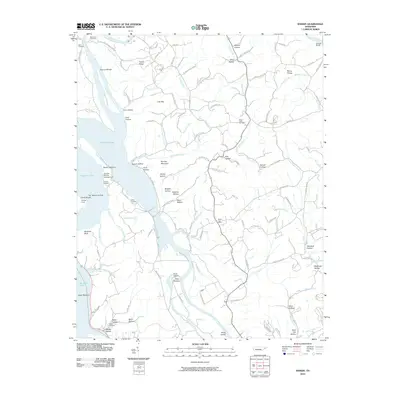 2010 Rankin2010 Print · USGSThe convergence of the French Broad and Nolichucky Rivers defines this area during the early twenty-first century. Genealogists and local historians can locate several family burial sites like Calfee Cemetery and trace the rural community around the Bybee Post Office.
 - 2010 Map of Russellville, 2010 Print
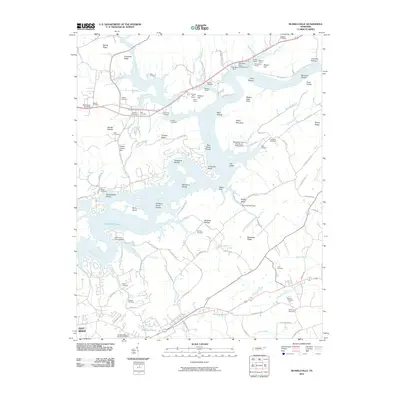 2010 Russellville2010 Print · USGSHamblen County's river-carved landscape is shown here in the early twenty-first century, featuring the expansive waters of Cherokee Lake. Genealogists can locate numerous family burial sites such as Williams Cemetery and Bent Creek Cemetery among the ridges.
 - 2010 Map of White Pine, 2010 Print
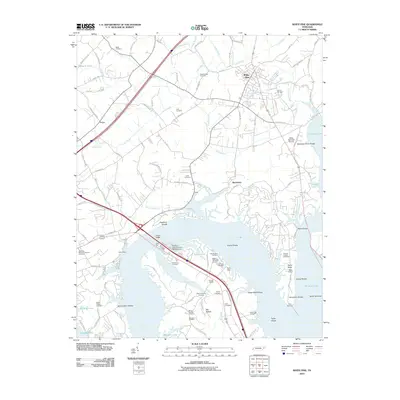 2010 White Pine2010 Print · USGSWhite Pine and the northern reaches of Douglas Lake are captured here during the first decade of the 21st century. Genealogists can trace family roots through numerous burial sites like Westminister Cemetery and Graham Chapel Cemetery or locate landmarks such as Swann Bridge.
 - 2011 Map of Springvale, 2011 Print
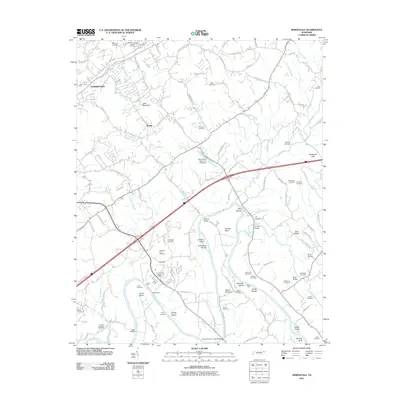 2011 Springvale2011 Print · USGSHamblen County's river-fed valley comes into focus in this early twenty-first-century survey south of Morristown. Genealogists and historians can locate numerous family burial sites like Talley Cemetery and trace river landmarks such as Inman Ford or Johnson Island.
 - 2013 Map of Morristown, 2013 Print
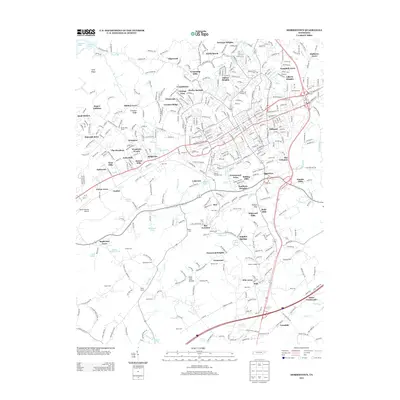 2013 Morristown2013 Print · USGSHamblen County's mix of modern development and historical rural roots is on display in this contemporary survey of the Morristown area. Genealogists and researchers can pinpoint family burial sites like Emma Jarnagin Cem and Watkins Chapel Cem or trace the geography of Sulphur Springs.
 - 2013 Map of Russellville, 2013 Print
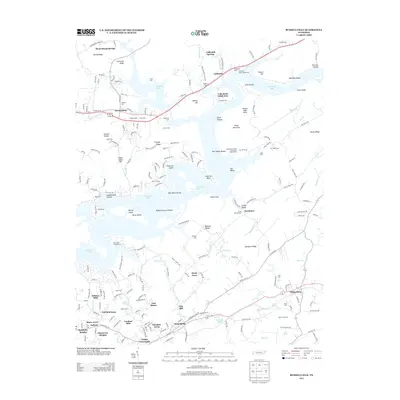 2013 Russellville2013 Print · USGSHamblen and Hawkins counties are shown in detail during the early twenty-first century as suburban growth extends into the Tennessee Valley. Researchers can locate numerous family burial sites like Bassett Cem and Lane Cem, or trace the old paths through Lee Valley and Grassy Valley.
 - 2013 Map of Mohawk, 2013 Print
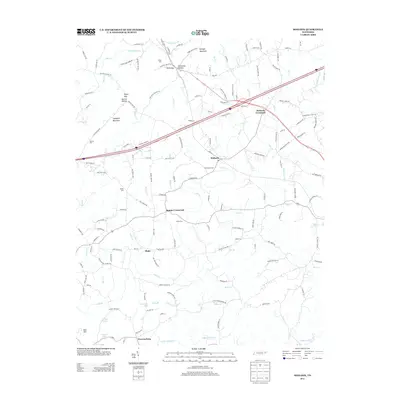 2013 Mohawk2013 Print · USGSGreene County crossroads and family settlements are captured here in the early twenty-first century as they sprawl across the valley floor. Researchers can trace ancestral roots through sites like Wisecarver Cem, Darrow Mill, and the community of Thula.
 - 2013 Map of Springvale, 2013 Print
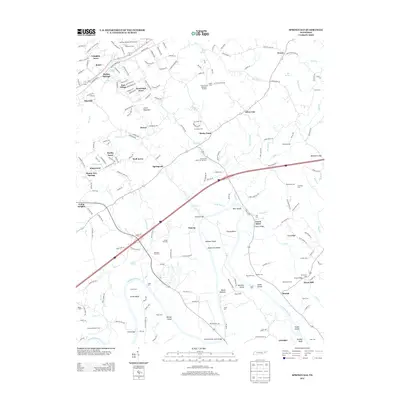 2013 Springvale2013 Print · USGSEast of Morristown in the early twenty-first century, the river valley reveals a network of long-established family homesteads and local trade centers. Genealogists can locate numerous burial sites like Bethesda Cem and trace historic river crossings at Inman Ford or Scoot Mill.
 - 2013 Map of Bulls Gap, 2013 Print
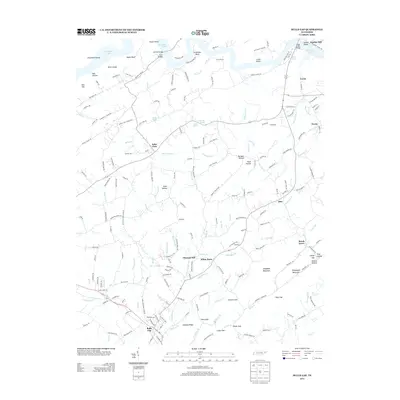 2013 Bulls Gap2013 Print · USGSBulls Gap at the start of the twenty-first century remains a critical rail corridor through the East Tennessee ridges. Genealogists and local historians can trace family locations near Austins Mill, Mount Zion Church, and the river shoals of Cherokee Lake.
 - 2013 Map of White Pine, 2013 Print
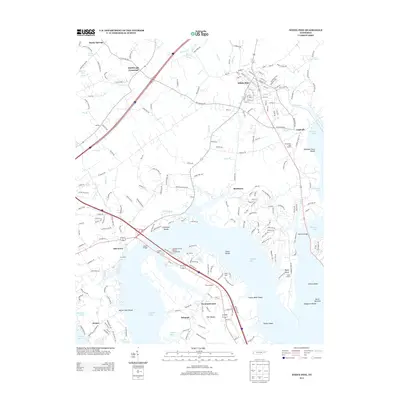 2013 White Pine2013 Print · USGSThe French Broad valley and White Pine area are shown in this modern survey, highlighting the intricate shoreline of Douglas Lake. Genealogists and historians can trace family-named points like Swannsylvania, Kimbrough Crossroad, and Halls Corner.
 - 2013 Map of Rankin, 2013 Print
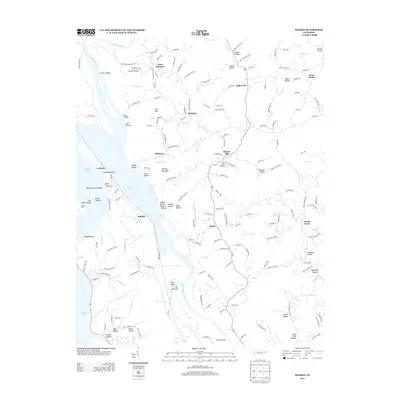 2013 Rankin2013 Print · USGSThe rivers and hollows of East Tennessee meet at the headwaters of Douglas Lake in the early twenty-first century. Genealogists and local historians can trace family land and old river crossings near Point Pleasant, Bybee, and Irish Bottoms.
 - 2013 Map of Bean Station, 2013 Print
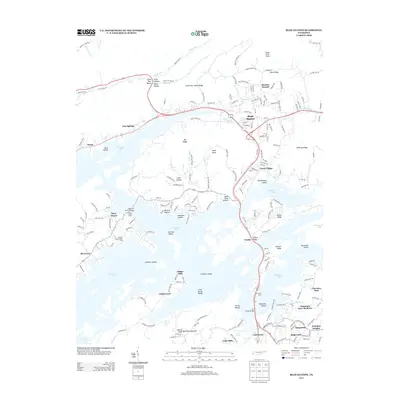 2013 Bean Station2013 Print · USGSBean Station and the surrounding ridges of Grainger and Hamblen Counties are shown here during the early twenty-first century. Researchers can trace lakeside developments like Lakemoore and Timbercrest or locate historic points such as Tate Springs and the William P Harrell Bridge.
 - 2013 Map of Avondale, 2013 Print
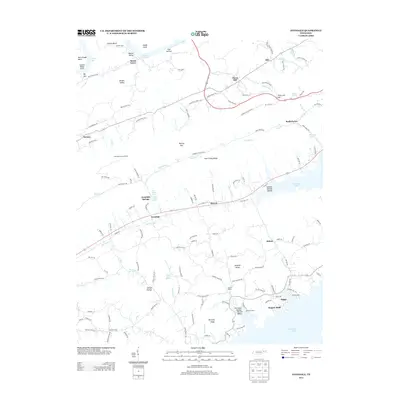 2013 Avondale2013 Print · USGSRidge-and-valley settlements and reservoirs define this East Tennessee landscape in the early twenty-first century. Genealogists and local historians can trace family-named sites and landmarks from Thorn Hill and Beech Grove to the mineral waters at White Sulfur Spring and Avondale Springs.
 - 2013 Map of Talbott, 2013 Print
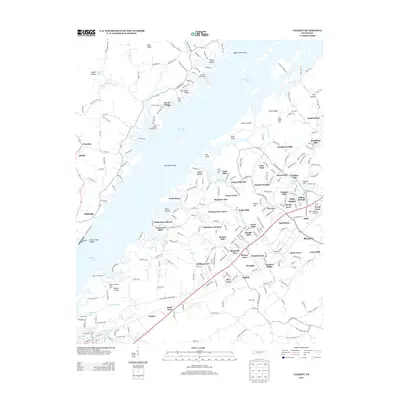 2013 Talbott2013 Print · USGSThe shorelines of Cherokee Lake near Talbott were well-established by the early twenty-first century, showing a mix of lakeside recreation and suburban growth. Genealogists and local historians can trace modern neighborhoods alongside older landmarks like Ore Mine Hill and Jarnigan Spring.
 - 2016 Map of Rankin, 2016 Print
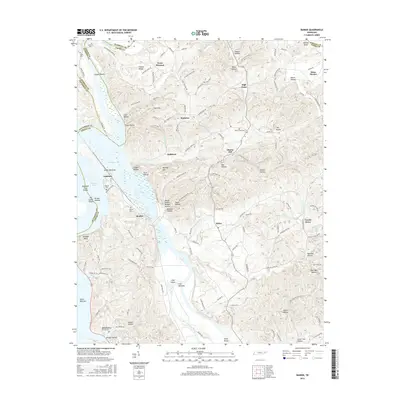 2016 Rankin2016 Print · USGSThe river valleys of Cocke and Jefferson counties are captured here in the mid-2010s, showing the intersection of Douglas Lake and the Nolichucky River. Genealogists can trace family landmarks and cemeteries like Galfee Cem, Solomon Cem, and the old settlement of Rankin.
 - 2016 Map of Talbott, 2016 Print
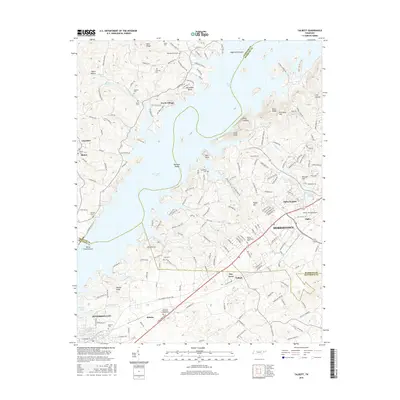 2016 Talbott2016 Print · USGSEast Tennessee's reservoir landscape and valley settlements come into focus in this mid-2010s survey of the Hamblen and Jefferson county borders. Researchers can locate numerous family burial grounds like Bacon Cem and Shiloh Cem alongside the expanding outskirts of Morristown.
 - 2016 Map of Morristown, 2016 Print
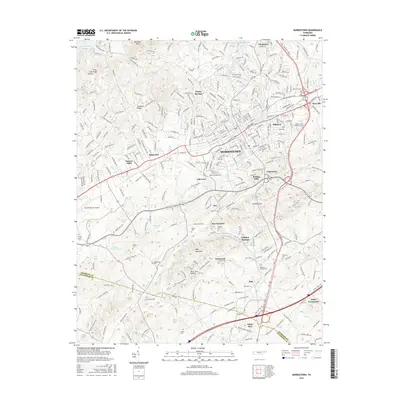 2016 Morristown2016 Print · USGSMorristown and the surrounding East Tennessee valleys are captured here during a period of modern growth. Researchers can locate family heritage sites like Emma Jarnagin Cem and Watkins Chapel Cem or trace the early paths of Hales Crossroads and Havley Springs.
 - 2016 Map of Mohawk, 2016 Print
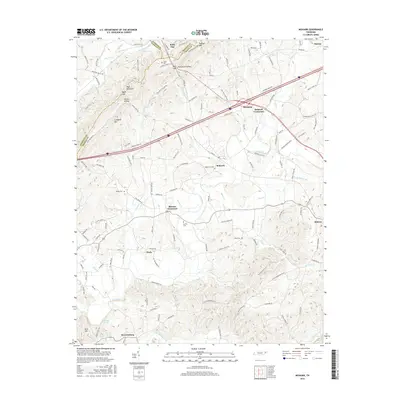 2016 Mohawk2016 Print · USGSThe borderlands of Hawkins and Greene counties come into focus in the mid-2010s, showing a transition from the ridges of Bays Mountain to rural valley settlements. Genealogists can locate family burial sites at Wisecarver Cem and Crosby Cem or trace the roads connecting Mosheim and Bulls Gap.
 - 2016 Map of Springvale, 2016 Print
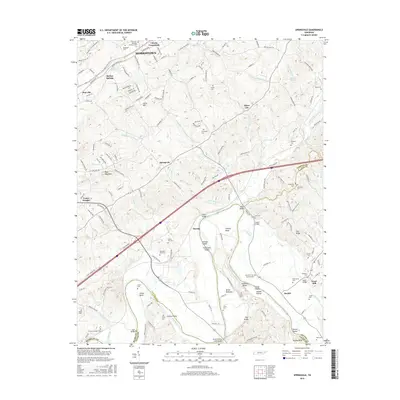 2016 Springvale2016 Print · USGSThe rural landscape east of Morristown was deeply rooted in its river and ridge geography during this era. Genealogists and local historians can trace family ties through over a dozen cemeteries, including Inman Cem, while locating landmarks like Scoot Mill and the Susong Bridge.
Showing maps 1-25 of 50
Top cities of Hamblen County
Frequently asked questions
- What are the different types of historical maps available for Hamblen County?
- What is the oldest map of Hamblen County?
- Where can I purchase historical maps of Hamblen County for my home or office?
- Where can I download high-res historical maps of Hamblen County?
- Are there historical topographic maps available for Hamblen County?
- Is there historical aerial imagery available for Hamblen County?
- Where are historical maps of Hamblen County sourced from?