Old Maps of Humphreys County, Tennessee for Academic Research
Study the evolution of Humphreys County with 129 high-resolution historic maps. Whether you're teaching, researching, or modeling changes in land use, these maps provide essential visual documentation of urban, environmental, and geographic change.
- Analyze long-term change: Track patterns in development, transportation, and natural features.
- Ideal for environmental or urban studies: Support academic projects with primary historical map data.
- Use in the classroom or lab: Educators and researchers rely on these maps to bring historical context to life.
These maps are a powerful tool for teaching, research, and visualizing how Humphreys County has changed over the decades.
Humphreys County, TN maps
(129)- 1936 Map of Gorman
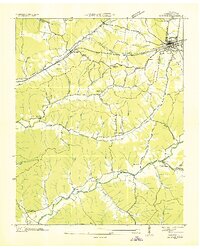 1936 Gorman1936 Print · USGSHumphreys County appears in transition during the mid-1930s as modern power lines and rail networks began to reshape this rural landscape. Genealogists and researchers can trace family landmarks and community centers like Bennyfield Cem, Bethel Ch, and Wallace Sch.
 - 1936 Map of Hurricane Mills
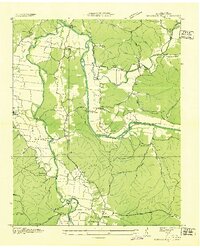 1936 Hurricane Mills1936 Print · USGSHumphreys County in the mid-1930s is a landscape defined by the winding paths of the Duck and Buffalo Rivers. Genealogists and local historians can trace the foundations of these river communities through family-named landmarks like Williams Cem, early education at Pegram Sch, and river crossings at Tanksley Bridge.
 - 1936 Map of Coble
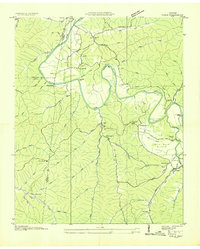 1936 Coble1936 Print · USGSHickman County settlement is centered around the sinuous path of the Duck River during the mid-thirties. Researchers can trace family history through numerous sites like Only, Coble, Perogue Ford, and the Macedonia Sch.
 - 1936 Map of Woolworth
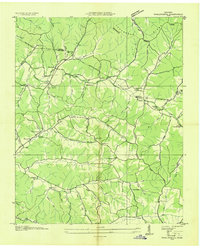 1936 Woolworth1936 Print · USGSThe borderlands of Humphreys and Houston counties are captured here in the mid-1930s as the Tennessee Valley Authority began its regional surveys. Researchers can trace rural life through numerous local landmarks, such as Woolworth Sch, Curtis Chapel, and Batson Cem.
 - 1936 Map of Camden
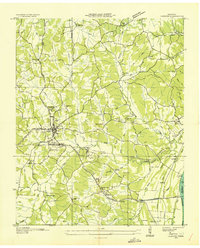 1936 Camden1936 Print · USGSBenton County centers on the town of Camden during the mid-1930s, as the local economy transitioned through New Deal infrastructure projects. Genealogists can trace family roots through numerous rural landmarks like Missionary Grove Ch, Toll Chapel Sch, and the Bethlehem Cem near the river.
 - 1936 Map of Ruskin
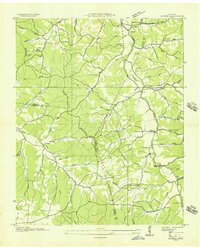 1936 Ruskin1936 Print · USGSMid-Tennessee's highland rim is captured here in the mid-1930s, showing the intersection of Dickson, Houston, and Humphreys counties. Local researchers can trace family lands near Cave Ruskin, find old rural schoolhouses like Olivet Sch, and locate family burial grounds including Dotson Cem.
 - 1936 Map of Daniels Landing
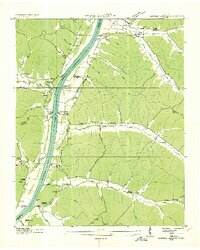 1936 Daniels Landing1936 Print · USGSLife along the Tennessee River in the mid-1930s was defined by its landings and creek-side communities before major dam projects altered the valley. Genealogists can trace family landmarks like Britt Chapel Cem, Daniels Landing, and the school at Oakview Sch.
 - 1936 Map of Bucksnort
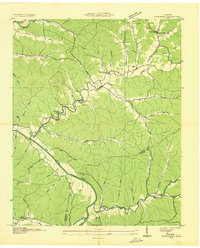 1936 Bucksnort1936 Print · USGSLife along the Humphreys and Hickman county line in the mid-1930s was defined by the winding Duck River and its deep hollows. Researchers can trace family roots at Pruett Cem or locate community hubs like Bold Spring and Old Furnace Sch.2 unique versions available
 - 1936 Map of Halls Creek
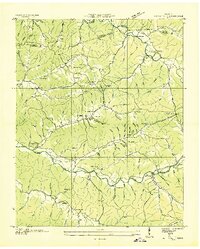 1936 Halls Creek1936 Print · USGSHumphreys and Houston Counties are mapped here in the mid-1930s as the Tennessee Valley Authority began its regional surveys. Researchers can trace ancestral farmsteads and rural landmarks near Belleview, Trinity, and the Collins Ford water crossing.
 - 1936 Map of Johnsonville
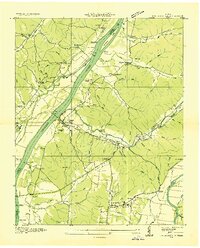 1936 Johnsonville1936 Print · USGSThe Tennessee River corridor in Humphreys County comes alive in the mid-1930s, showing the intersection of rail and river commerce. Genealogists and local historians can trace family sites like Crockett Cem or visit vanished points like Reynoldsburg Landing and Eva Station.
 - 1936 Map of Spot
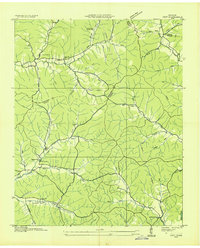 1936 Spot1936 Print · USGSHickman County is shown in the mid-1930s as a landscape of isolated hollows and rural school districts before modern development. You can trace family footprints at Wilkens Cem and Turner Cem, or locate landmarks like Spot Sch and the Lookout Tower.
 - 1936 Map of Lobelville
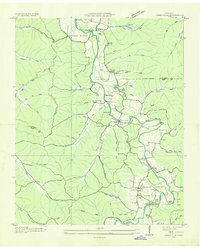 1936 Lobelville1936 Print · USGSLobelville and the surrounding Buffalo River valley are captured here in the mid-1930s as the Tennessee Valley Authority began its regional work. Researchers can trace family sites like Davidson Cem, locate the Lobelville Mill & and Power House, and find rural landmarks like Terrapin Sch.
 - 1936 Map of Harmon Creek
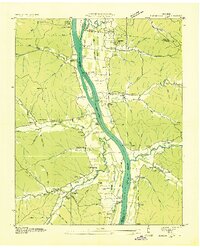 1936 Harmon Creek1936 Print · USGSBenton and Humphreys counties are captured here in the mid-1930s, documenting the riverfront landings and valley farms along the Tennessee River. Genealogists can locate family-named landmarks like the Phifer Place, Carter Cem, and the Harmon Creek Sch.
 - 1936 Map of Rockport
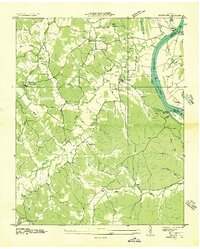 1936 Rockport1936 Print · USGSBenton County river life is captured here in the mid-1930s, showing a landscape defined by ferry crossings and upland farmsteads. Researchers can trace family sites at Trotters Ferry, Hardin Store, and schools like Tie Hill Sch.
 - 1936 Map of Waverly
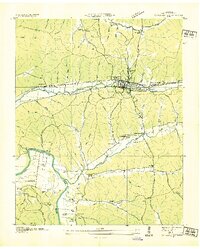 1936 Waverly1936 Print · USGSMid-1930s Humphreys County comes to life as a network of rural schools and family cemeteries. Trace the Chattanooga and St Louis Railway through Waverly and locate landmarks like the County Farm and Tubbs Ford Bridge.
 - 1936 Map of Tennessee City
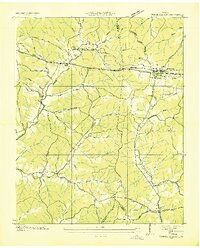 1936 Tennessee City1936 Print · USGSThe Humphreys and Dickson County borderlands were undergoing a period of rapid modernization in the mid-1930s as electricity and highways expanded across the hills. Researchers can trace rural life through landmarks like Fiftyfour, Fewville, and several country schools including Holland Sch.
 - 1936 Map of Hustburg
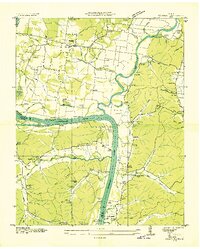 1936 Hustburg1936 Print · USGSHumphreys and Benton Counties are shown in the mid-1930s just as the Tennessee Valley Authority began its extensive survey work along the river. Genealogists can trace family connections through river landings like Dixie Landing and rural landmarks such as Oak Grove Ch or Pavatt Sch.
 - 1949 Map of Daniels Landing, 1953 Print
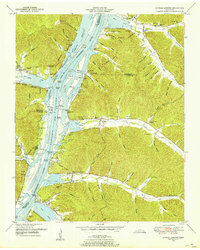 1949 Daniels Landing1953 Print · USGSWest Tennessee river life is captured here in the late 1940s as the valley adapted to the creation of Kentucky Lake. Researchers can trace old family sites and river landings such as Daniels Landing, Blue Creek School, and Britta Chapel.3 unique versions available
 - 1949 Map of Harmon Creek, 1953 Print
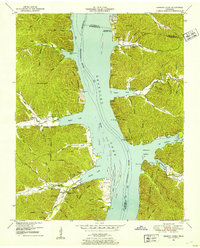 1949 Harmon Creek1953 Print · USGSThe Tennessee River valley at the junction of Benton and Humphreys counties is shown here shortly after the reservoir's formation. Researchers can locate numerous family burial sites and rural centers like Harmon Creek Church, St John School, and Melton Cem.3 unique versions available
 - 1949 Map of Hustburg, 1953 Print
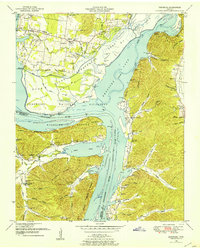 1949 Hustburg1953 Print · USGSHumphreys and Benton Counties are shown here during the transformative years following the filling of Kentucky Lake. Genealogists and local historians can locate dozens of family cemeteries and rural school sites like Tribble Sch and Byrd Sch.4 unique versions available
 - 1950 Map of Johnsonville, 1952 Print
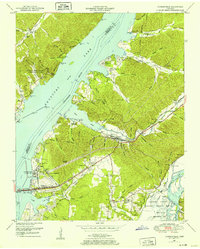 1950 Johnsonville1952 Print · USGSMid-century Tennessee geography is defined here by the creation of Kentucky Lake and the resulting relocation of river communities. Genealogists and historians can trace the transition from Old Johnsonville to New Johnsonville, alongside landmarks like Fairview Sch and Denver.4 unique versions available
 - 1950 Map of Rockport, 1953 Print
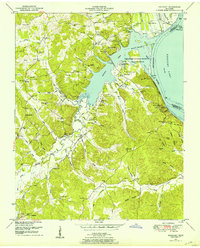 1950 Rockport1953 Print · USGSBenton and Humphreys counties are shown during the early years of the Kentucky Lake reservoir, where new shorelines met established rural communities. Researchers can locate family burial grounds like Hardin Cem or trace landmarks like Rockport Landing and Camp Mack Morris.4 unique versions available
 - 1950 Map of Halls Creek, 1953 Print
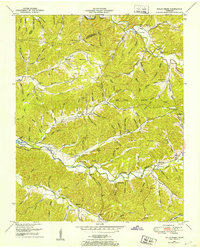 1950 Halls Creek1953 Print · USGSHumphreys and Houston Counties appear here in the early fifties, showing a rural landscape shaped by the new waters of Kentucky Lake. Genealogists can trace family landmarks and schools like Elizabeth Sch or find ancestral sites at Beecham Cem and Shiloh Cem.3 unique versions available
 - 1950 Map of Camden, 1953 Print
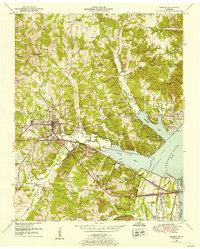 1950 Camden1953 Print · USGSMid-century Benton County shows the impact of the Tennessee Valley Authority's reservoir projects alongside the established hub of Camden. Genealogists can trace family names and rural life through landmarks like Toll Chapel School, Morris Chapel, and the Blanchard Cem.6 unique versions available
 - 1950 Map of Hurricane Mills, 1953 Print
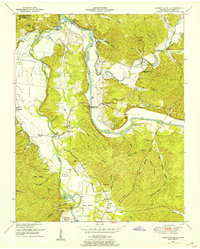 1950 Hurricane Mills1953 Print · USGSThe Tennessee river country in the early fifties shows a landscape of river-bottom farming and ridge-top settlements. Researchers can trace family history through numerous rural landmarks like Hurricane Mills School, Bone Cem, and the river crossing at Tanksley Bridge.2 unique versions available
Showing maps 1-25 of 129
Top cities of Humphreys County
Frequently asked questions
- What are the different types of historical maps available for Humphreys County?
- What is the oldest map of Humphreys County?
- Where can I purchase historical maps of Humphreys County for my home or office?
- Where can I download high-res historical maps of Humphreys County?
- Are there historical topographic maps available for Humphreys County?
- Is there historical aerial imagery available for Humphreys County?
- Where are historical maps of Humphreys County sourced from?