Old Maps of Dry Hill, Tennessee for Genealogy
Trace your family roots with 11 historic maps of Dry Hill. These high-res maps reveal old neighborhoods, homesites, landmarks, and streets — helping you uncover where your ancestors lived and how the area evolved over time.
- Explore historic neighborhoods: Identify where your relatives may have lived in the 1800s or 1900s.
- Compare maps over time: Trace the changes in streets, buildings, and landmarks for multi-generational research.
- Perfect for genealogy & ancestry research: Used by family historians and researchers to map out lineage and migration.
These maps are an incredible resource for exploring your personal connection to Dry Hill's past.
Dry Hill, TN maps
(11)- 1939 Map of Halls, 1943 Print
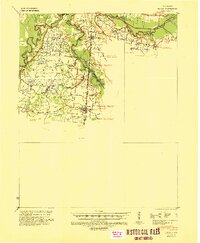 1939 Halls1943 Print · USGSLauderdale and Dyer Counties are mapped here during the late 1930s as the river-and-rail economy shaped West Tennessee life. Genealogists and researchers can trace the rural communities of Unionville, Fowlkes, and Key Corner, alongside landmark sites like Charles Chapel and the Nankipoo Sch.
 - 1952 Map of Gates, 1953 Print
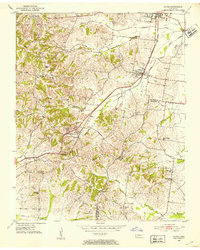 1952 Gates1953 Print · USGSLauderdale and Haywood Counties are shown in the early fifties as the rural landscape centered on the ILLINOIS CENTRAL rail line. Genealogists can trace family footprints through numerous small landmarks like Nelson Chapel, Woodville Sch, and Crossroads Cem.3 unique versions available
 - 1956 Map of Blytheville, 1964 Print
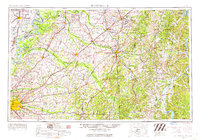 1956 Blytheville1964 Print · USGSWest Tennessee and the Arkansas Delta come alive in this mid-century survey of the river-and-rail corridor connecting Memphis to Jackson. Genealogists and historians can trace the rail lines of the Louisville and Nashville RR and locate landmarks like Western State Hospital or Fort Pillow State Prison Farm.2 unique versions available
 - 1959 Map of Blytheville
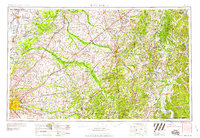 1959 Blytheville1959 Print · USGSWest Tennessee and Northeast Arkansas meet along the river in the late fifties, during a period of steady industrial and agricultural growth. Genealogists can trace the rail corridors of the Illinois Central through Jackson or explore landmarks like Shiloh National Military Park and Fort Pillow State Prison.
 - 1961 Map of Halls, 1965 Print
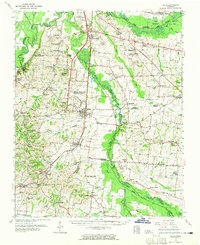 1961 Halls1965 Print · USGSLauderdale and Dyer counties are shown in the early sixties as the West Tennessee landscape hummed with activity along the Illinois Central tracks. Researchers can trace rural lineages through dozens of named sites like Miller Chapel Cem, Benton Sch, and the U. S. Military Reservation.
 - 1986 Map of Blytheville
 1986 Blytheville1986 Print · USGSThe Arkansas-Tennessee borderlands appear here in the mid-eighties, centered on the mighty Mississippi River and its shifting islands. Trace the footprints of Blytheville Air Force Base, old river towns like Golddust, and the extensive grounds of the Fort Pillow State Prison Farm.2 unique versions available
 - 2010 Map of Gates, 2010 Print
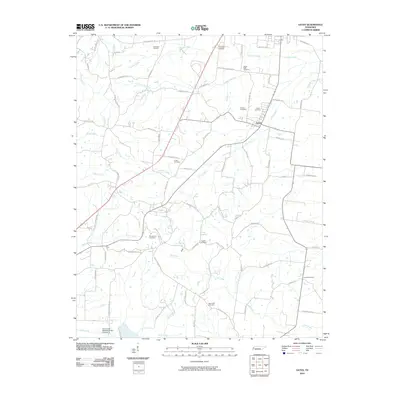 2010 Gates2010 Print · USGSLauderdale County at the start of the 21st century reflects a landscape of quiet rural endurance and family history. Researchers can locate numerous family burial grounds including Gates Cemetery, Woodville Cemetery, and Eureka Cemetery along the tributaries of Halls Creek.
 - 2013 Map of Gates, 2013 Print
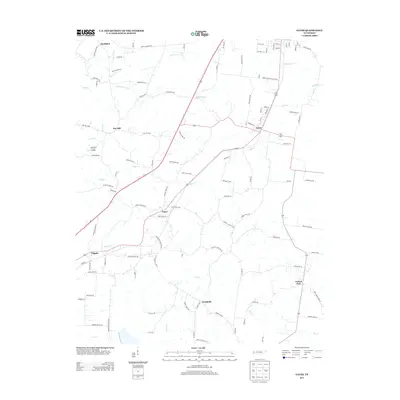 2013 Gates2013 Print · USGSWest Tennessee rural life is documented here in the early twenty-first century, showing the enduring hamlets of Lauderdale and Dyer counties. Genealogists can trace family connections through landmarks like Crossroads Cemetery Rd, Aunt Lillie Spur, and the settlement of Nankipoo.
 - 2016 Map of Gates, 2016 Print
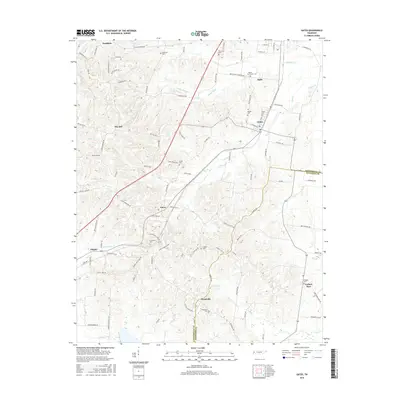 2016 Gates2016 Print · USGSLauderdale County's agricultural heartland is documented here in the mid-2010s, showing a landscape shaped by creek drainage and historic crossroads. Genealogists can trace family names through numerous rural burial sites like Crossroads Cem, Rhodes Cem, and Leggett Cem.
 - 2019 Map of Gates, 2019 Print
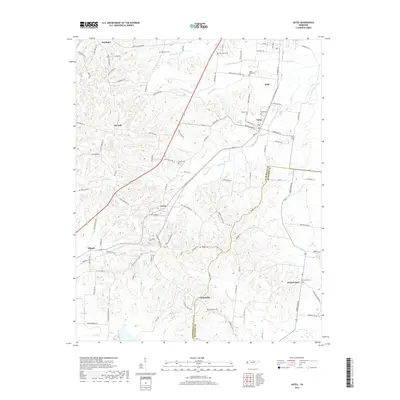 2019 Gates2019 Print · USGSLauderdale and Haywood Counties are captured here in the late twenty-tens, showing a landscape of small agricultural towns and winding creek systems. Researchers can locate family heritage sites like Woodville Cem, Crossroads Cem, and the communities of Nankipoo and Curve.
 - 2022 Map of Gates, 2022 Print
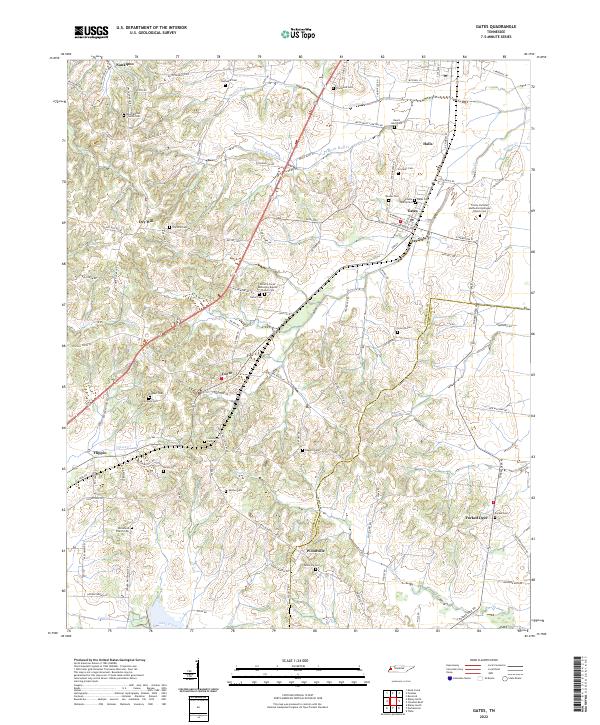 2022 Gates2022 Print · USGSLauderdale and Haywood counties are revealed in this modern era as a network of traditional Tennessee farm communities and family landmarks. Genealogists can trace decades of local history through sites like the Willette Family Cem, Crossroads Cem, and Woodville Cem.
End of results
Showing maps 1-11 of 11
Top cities near Dry Hill
- Dyersburg historical maps
- Brownsville historical maps
- Covington historical maps
- Ripley historical maps
- Halls historical maps
- Henning historical maps
See more
Frequently asked questions
- What are the different types of historical maps available for Dry Hill?
- What is the oldest map of Dry Hill?
- Where can I purchase historical maps of Dry Hill for my home or office?
- Where can I download high-res historical maps of Dry Hill?
- Are there historical topographic maps available for Dry Hill?
- Is there historical aerial imagery available for Dry Hill?
- Where are historical maps of Dry Hill sourced from?