Old Maps of Clifton, Tennessee for Academic Research
Study the evolution of Clifton with 35 high-resolution historic maps. Whether you're teaching, researching, or modeling changes in land use, these maps provide essential visual documentation of urban, environmental, and geographic change.
- Analyze long-term change: Track patterns in development, transportation, and natural features.
- Ideal for environmental or urban studies: Support academic projects with primary historical map data.
- Use in the classroom or lab: Educators and researchers rely on these maps to bring historical context to life.
These maps are a powerful tool for teaching, research, and visualizing how Clifton has changed over the decades.
Clifton, TN maps
(35)- 1905 Map of Waynesboro
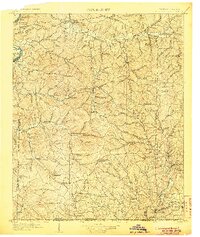 1905 Waynesboro1905 Print · USGSWayne County and the Tennessee-Alabama borderlands are captured here at the start of the century, showing a network of river landings and old stage stands. Researchers can trace the Nathez Trace and locate historic community hubs like Martins Mills, Whittens Stand, and Clifton.2 unique versions available
 - 1936 Map of Eagle Creek
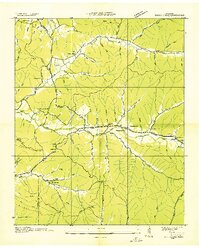 1936 Eagle Creek1936 Print · USGSThe Tennessee borderlands of Wayne and Hardin Counties appear in the mid-1930s as a landscape of rural schoolhouses and family hollows. Researchers can trace the community life of the era through sites like Shady Grove Sch, Bethany Ch, and Old Mill Spring.
 - 1936 Map of Olivehill
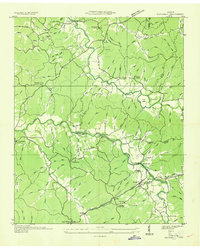 1936 Olivehill1936 Print · USGSHardin County and Wayne County meet along the ridges of the Tennessee Valley during the mid-1930s. Genealogists can trace family footprints through rural landmarks like Piney Grove, Bethlehem, and schools such as Havana Sch and Hannah Sch.
 - 1936 Map of Bath Springs
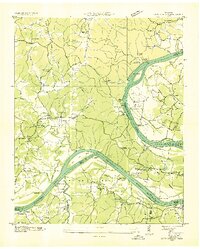 1936 Bath Springs1936 Print · USGSThe Tennessee River valley in the mid-1930s was a landscape defined by its river landings and rural crossroads. You can trace dozens of historic river access points like Furnace Landing and Jeter Landing alongside local landmarks like Bath Springs Ch.
 - 1936 Map of Clifton
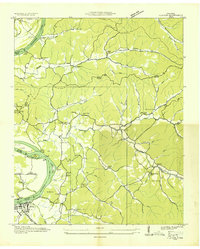 1936 Clifton1936 Print · USGSThe Tennessee River corridor around Clifton was a network of active landings and rural ridge communities during the mid-1930s. Researchers can trace ancestral locations through several family-named cemeteries like Tucker Cem and Prater Cem, or map old river crossings such as Clifton Ferry.
 - 1949 Map of Eagle Creek, 1952 Print
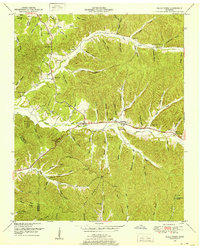 1949 Eagle Creek1952 Print · USGSWayne and Hardin counties in the late 1940s reveal a deeply rural Tennessee landscape structured by winding creek bottoms and isolated ridges. Genealogists can trace family names through numerous remote burial sites like Montague Cem and Friendship Cem, or locate landmarks such as Evans Chapel and the Lookout Tower.3 unique versions available
 - 1949 Map of Bath Springs, 1952 Print
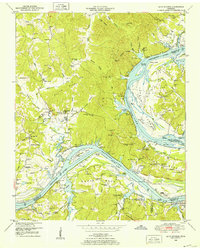 1949 Bath Springs1952 Print · USGSThe Tennessee River corridor in the late 1940s shows a landscape of river landings and ridge-top settlements along the Decatur and Perry county lines. Genealogists can locate family-named landmarks like Lafferty Cemetery and Tuckers Store or trace the rural river economy at Yarbro Landing.3 unique versions available
 - 1949 Map of Clifton, 1952 Print
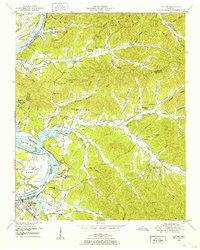 1949 Clifton1952 Print · USGSThe riverfront town of Clifton and its surrounding ridges are captured in the late 1940s as the Tennessee River valley adapted to the impacts of Kentucky Lake. Genealogists can trace family landmarks and community nodes like Peters Landing, New Zion Ch, and the Lone Chestnut Cem.4 unique versions available
 - 1949 Map of Olivehill, 1952 Print
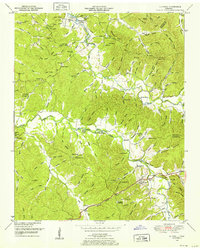 1949 Olivehill1952 Print · USGSThe Tennessee and Wayne County border comes alive in the late 1940s, showing a landscape defined by its river crossings and hollows. Genealogists can locate family landmarks like Patterson Cem, Bolden Spring, and the rural community of Olivehill.3 unique versions available
 - 1956 Map of Columbia, 1960 Print
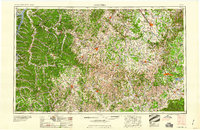 1956 Columbia1960 Print · USGSMiddle Tennessee in the mid-fifties presents a landscape of established river towns and critical rail hubs before the arrival of the modern interstate system. Researchers can trace the routes of the Louisville and Nashville railroad or locate historic landmarks like Stones River National Military Park and the Tennessee National Wildlife Refuge.6 unique versions available
 - 1956 Map of Blytheville, 1964 Print
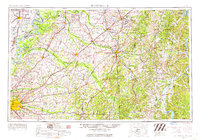 1956 Blytheville1964 Print · USGSWest Tennessee and the Arkansas Delta come alive in this mid-century survey of the river-and-rail corridor connecting Memphis to Jackson. Genealogists and historians can trace the rail lines of the Louisville and Nashville RR and locate landmarks like Western State Hospital or Fort Pillow State Prison Farm.2 unique versions available
 - 1959 Map of Blytheville
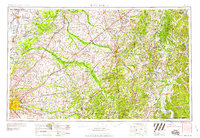 1959 Blytheville1959 Print · USGSWest Tennessee and Northeast Arkansas meet along the river in the late fifties, during a period of steady industrial and agricultural growth. Genealogists can trace the rail corridors of the Illinois Central through Jackson or explore landmarks like Shiloh National Military Park and Fort Pillow State Prison.
 - 1968 Map of Clifton, 1977 Print
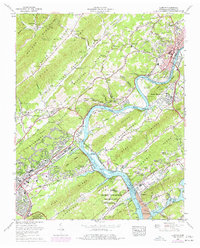 1968 Clifton1977 Print · USGSThe Clinch River corridor and the restricted atomic energy zones of the late sixties reveal a landscape of federal industry and traditional ridge settlements. Trace family roots at Sulphur Spring Cem or explore the mid-century growth of South Clinton and Oak Ridge.
 - 1985 Map of Lawrenceburg
 1985 Lawrenceburg1985 Print · USGSMiddle Tennessee and Northern Alabama are captured in the mid-1980s, showcasing a landscape of high ridges and winding river valleys. Genealogists and historians can trace rail lines like the Seaboard System Railroad or locate community landmarks such as Saint Marys Church and Three Churches.2 unique versions available
 - 1986 Map of Selmer
 1986 Selmer1986 Print · USGSThe Tennessee River valley and the West Tennessee highlands come into focus in the mid-eighties, showing the region's unique intersection of Civil War history and modern infrastructure. Genealogists and researchers can trace family landmarks like Gillisses Mills, the campus of Freed-Hardeman College, and the hallowed grounds of Shiloh National Military Park.3 unique versions available
 - 2010 Map of Olivehill, 2010 Print
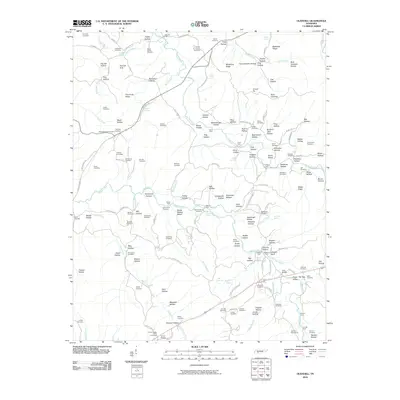 2010 Olivehill2010 Print · USGSHardin Creek and its many hollows define this rural Tennessee landscape at the start of the 21st century. Genealogists can trace family connections through a dense network of burial sites like Patterson Cemetery and historic river crossings such as Whitten Ford.
 - 2010 Map of Bath Springs, 2010 Print
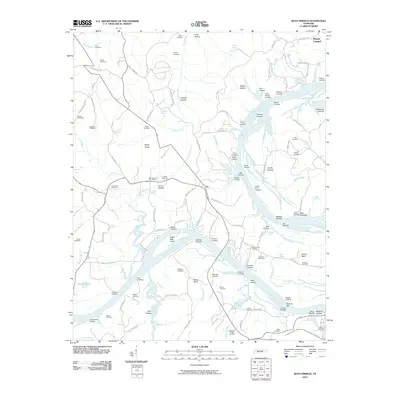 2010 Bath Springs2010 Print · USGSThe Tennessee River corridor comes alive in this survey, showing a network of historic landings and furnace sites. Genealogists can trace family roots through numerous local plots like Lafferty Cemetery or visit the site of the old Decatur Furnace.
 - 2010 Map of Eagle Creek, 2010 Print
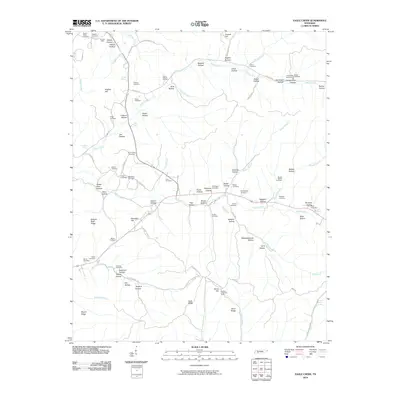 2010 Eagle Creek2010 Print · USGSWayne County’s rural hollows and creek valleys are documented here at the start of the twenty-first century. Genealogists can trace family footprints across dozens of sites like Evans Chapel, the Sanders Mine, and the Boyd-Lynch Cemetery.
 - 2010 Map of Clifton, 2010 Print
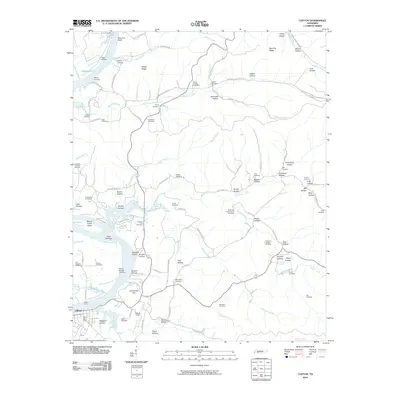 2010 Clifton2010 Print · USGSThe Tennessee River corridor in Wayne County remained a landscape of historic landings and family-named hollows into the early twenty-first century. Researchers can trace ancestral roots through the Methodist Camp Ground Cemetery, identify old river access at Clifton Ferry, and locate the Peters Landing Post Office.
 - 2013 Map of Eagle Creek, 2013 Print
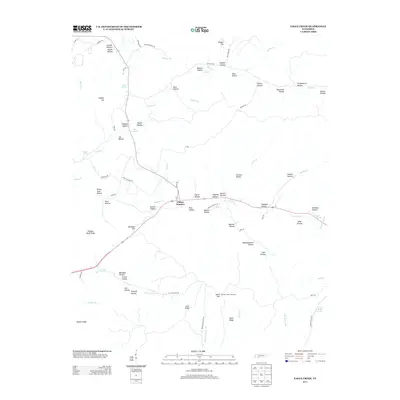 2013 Eagle Creek2013 Print · USGSWayne County's intricate landscape of ridges and hollows comes into focus in this early twenty-first-century survey. Genealogists and hikers can trace family-named landmarks and water sources like Clifton Junction, Hardins Creek Fire Tower, and Hideout Hollow.
 - 2013 Map of Olivehill, 2013 Print
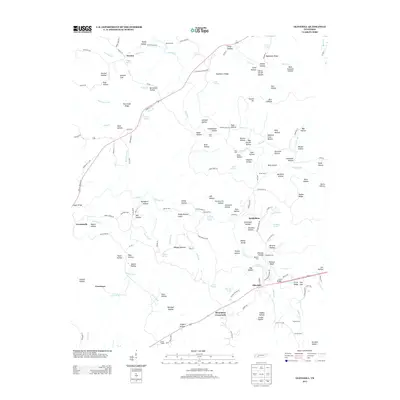 2013 Olivehill2013 Print · USGSThe Hardin Creek watershed comes into focus in this modern survey of the rural interior near Olivehill. Genealogists and researchers can trace family-named landmarks and old crossings like Schoolhouse Hollow, Union Chapel, and Whitten Ford.
 - 2013 Map of Clifton, 2013 Print
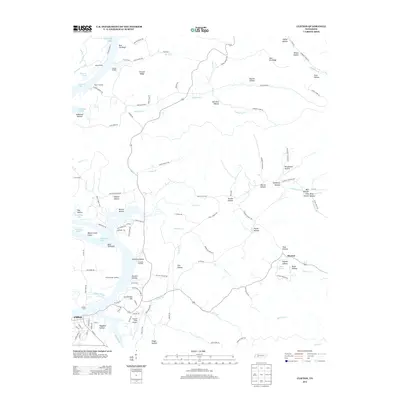 2013 Clifton2013 Print · USGSThe Tennessee River waterfront at Clifton is captured here in the early twenty-first century, showing a landscape defined by river landings and island chains. Genealogists and researchers can trace local landmarks like Clifton Ferry, Glenkirk Island, and the small community of Mooney.
 - 2013 Map of Bath Springs, 2013 Print
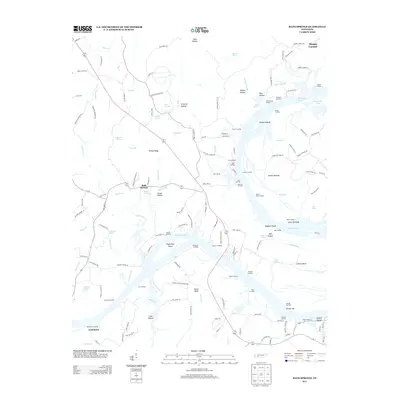 2013 Bath Springs2013 Print · USGSThe Tennessee River valley in the early 2010s reveals a landscape of river landings and small communities like Bath Springs. You can trace historical river sites from Decatur Furnace to Eagle Nest Island and explore family-named hollows and springs.
 - 2016 Map of Olivehill, 2016 Print
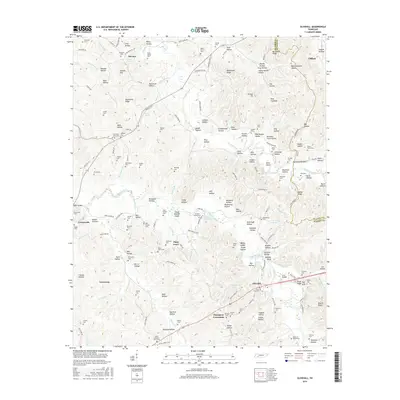 2016 Olivehill2016 Print · USGSThe Tennessee hills along the Hardin and Wayne county line are shown here in the mid-2010s, capturing a landscape of family cemeteries and remote hollows. Genealogists can trace family roots at Altum Spring Cem or Pogue Cem and find old settlements like Havana and Piney Grove.
 - 2016 Map of Bath Springs, 2016 Print
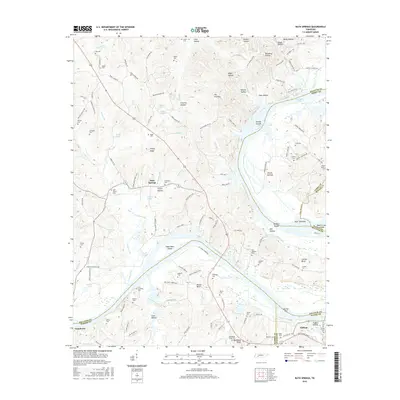 2016 Bath Springs2016 Print · USGSThe Tennessee River corridor comes alive in this survey of the mid-2010s, showing the intersection of four counties at Clifton and Bath Springs. Researchers can locate dozens of family-named landmarks and cemeteries, from Lott Landing to the McBride Cem and Yarbro Cem.
Showing maps 1-25 of 35
Top cities near Clifton
- Savannah historical maps
- Waynesboro historical maps
- Linden historical maps
- Decaturville historical maps
- Saltillo historical maps
Frequently asked questions
- What are the different types of historical maps available for Clifton?
- What is the oldest map of Clifton?
- Where can I purchase historical maps of Clifton for my home or office?
- Where can I download high-res historical maps of Clifton?
- Are there historical topographic maps available for Clifton?
- Is there historical aerial imagery available for Clifton?
- Where are historical maps of Clifton sourced from?