Old Maps of Pawnee, Texas
Explore 12 old maps of Pawnee, spanning from 1953 to today. These high-resolution historic maps reveal how streets, neighborhoods, landmarks, and natural features evolved over time — perfect for genealogy, metal detecting, research, and local history exploration.
What you can do with these maps:
- See how Pawnee changed over time: Compare historical maps to modern-day views to trace roads, homesites, rail lines & more.
- View detailed metadata: Each map includes creators, publishers, year, scale, and archive source.
- Overlay maps with satellite & LiDAR: Visualize the past alongside modern tools to explore terrain & human change.
- Trusted historical sources: Maps sourced from the USGS, Library of Congress, and other archives.
- Access maps your way: View online, download high-res files, or order prints for personal or research use.
Start exploring old maps of Pawnee to uncover forgotten places, hidden landmarks, and the deep history beneath your feet.
Pawnee, TX maps
(12)- 1953 Map of Crystal City
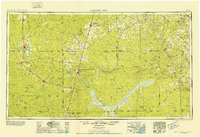 1953 Crystal City1953 Print · USGSSouth Texas in the early fifties was a landscape of expanding oil fields and vital rail connections. Genealogists and researchers can trace family lands along the Nueces River or locate heritage sites in Asherton, Big Wells, and Batesville.
 - 1955 Map of Crystal City, 1976 Print
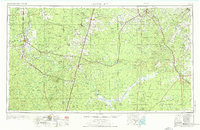 1955 Crystal City1976 Print · USGSSouth Texas ranching and oil country come into focus in the mid-fifties as the rail lines and rivers connect growing hubs. Researchers can trace the development of energy fields like Washburn Oil Field or locate historic settlements from Asherton to Three Rivers.
 - 1956 Map of Suniland
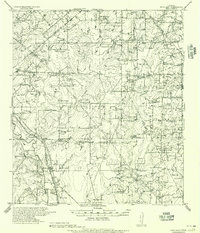 1956 Suniland1956 Print · USGSLive Oak County ranching culture and rural infrastructure are captured here in the mid-fifties, just as the region’s landscape was maturing. Genealogists can trace family legacies through properties like the Poe Ranch and find defunct community hubs like North School and the Whitsett Pump Station.
 - 1961 Map of Crystal City
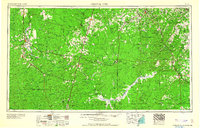 1961 Crystal City1961 Print · USGSSouth Texas in the early sixties reveals a landscape of massive cattle ranches and emerging oil fields. Genealogists and historians can trace the Missouri Pacific rail lines through Crystal City, or locate water features like Espantosa Lake and Boynton Reservoir.
 - 1965 Map of Pawnee, 1968 Print
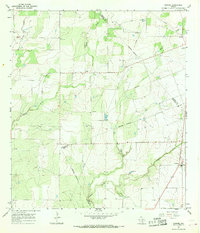 1965 Pawnee1968 Print · USGSPawnee and the surrounding ranch lands of Bee and Karnes counties are captured here in the mid-1960s. Family historians and researchers can trace the rural communities of Nell and El Oso or locate burials at the Nell Cem and Pawnee Cem.2 unique versions available
 - 1968 Map of Crystal City
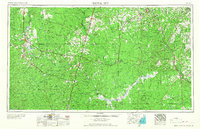 1968 Crystal City1968 Print · USGSSouth Texas in the late sixties reveals a landscape shaped by ranching roots and the vital waters of the Nueces River. Researchers can trace the rail-driven growth of Crystal City or locate landmarks like Pilot Knob and Espantosa Lake.
 - 1985 Map of Pleasanton
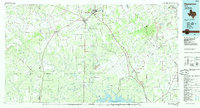 1985 Pleasanton1985 Print · USGSSouth Texas in the mid-1980s is characterized by the rise of petroleum and new water projects like the Choke Canyon Reservoir. Genealogists and historians can trace rail-side settlements along the Missouri Pacific and rural hubs such as Amphion, Fashing, and Campbellton.2 unique versions available
 - 2010 Map of Pawnee, 2010 Print
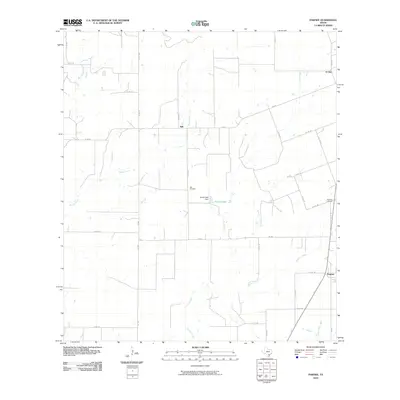 2010 Pawnee2010 Print · USGSThe ranchlands of Live Oak County appear here in the early twenty-first century, showing a landscape shaped by rural roads and creek drainages. Genealogists can trace the location of community burial sites at Nell Cemetery and Pawnee Cemetery or explore the settlements of Nell and El Oso.
 - 2012 Map of Pawnee, 2012 Print
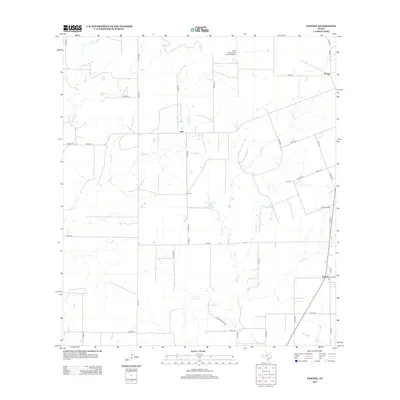 2012 Pawnee2012 Print · USGSCoastal plains ranching and rural life come into focus in this recent study of the Bee and Live Oak county line. Genealogists and local historians can locate family sites near Nell Cem, Pawnee Cem, and the small settlement of El Oso.
 - 2016 Map of Pawnee, 2016 Print
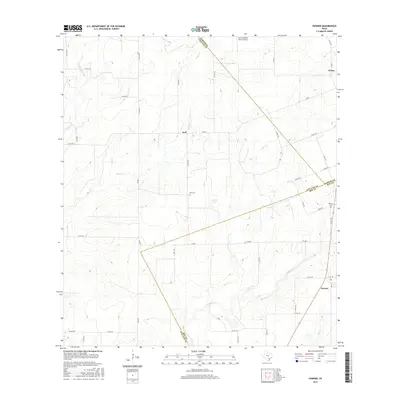 2016 Pawnee2016 Print · USGSCoastal Plain ranchlands at the junction of Karnes, Bee, and Live Oak Counties are shown here during the mid-2010s. Researchers can trace rural cemeteries and local transit routes such as Nell Cem, Pawnee Cem, and the path of Sulphur Cr through the brush country.
 - 2019 Map of Pawnee, 2019 Print
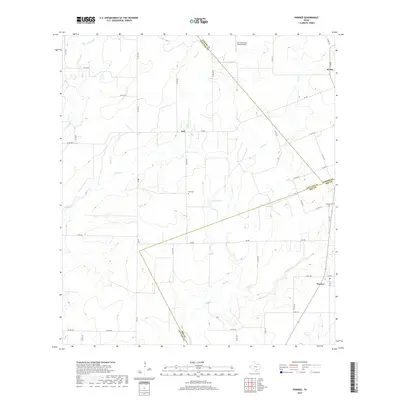 2019 Pawnee2019 Print · USGSThe ranching country of South Texas comes into focus in this recent survey of the Bee and Live Oak county lines. Genealogists and researchers can locate the Nell Cem, Pawnee Cem, and the small community of El Oso along the local creek beds.
 - 2022 Map of Pawnee, 2022 Print
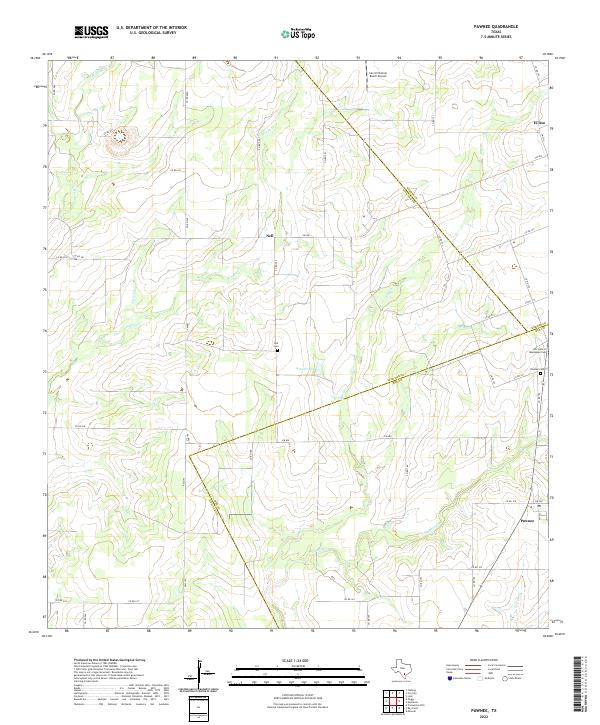 2022 Pawnee2022 Print · USGSThe ranchlands of Bee, Live Oak, and Karnes Counties are mapped here in the early 2020s. Researchers can locate local burial sites such as Nell Cem and Our Lady of Guadalupe Cem, or trace the paths of Weedy Cr and Elm Cr.
End of results
Showing maps 1-12 of 12
Top cities near Pawnee
Frequently asked questions
- What are the different types of historical maps available for Pawnee?
- What is the oldest map of Pawnee?
- Where can I purchase historical maps of Pawnee for my home or office?
- Where can I download high-res historical maps of Pawnee?
- Are there historical topographic maps available for Pawnee?
- Is there historical aerial imagery available for Pawnee?
- Where are historical maps of Pawnee sourced from?