Old Maps of Zunkerville, Texas for Academic Research
Study the evolution of Zunkerville with 12 high-resolution historic maps. Whether you're teaching, researching, or modeling changes in land use, these maps provide essential visual documentation of urban, environmental, and geographic change.
- Analyze long-term change: Track patterns in development, transportation, and natural features.
- Ideal for environmental or urban studies: Support academic projects with primary historical map data.
- Use in the classroom or lab: Educators and researchers rely on these maps to bring historical context to life.
These maps are a powerful tool for teaching, research, and visualizing how Zunkerville has changed over the decades.
Zunkerville, TX maps
(12)- 1936 Map of Pettus
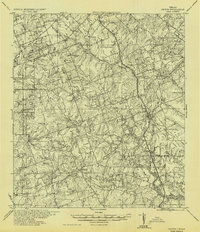 1936 Pettus1936 Print · USGSCoastal plains ranching meets the 1930s oil boom in this detailed survey of Bee and Karnes counties. Genealogists can locate family-named landmarks and rural hubs such as Zunkerville, Salt Branch Church, and the Pettus Oil Field.
 - 1953 Map of Beeville
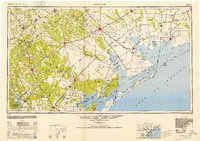 1953 Beeville1953 Print · USGSThe Texas Coastal Bend in the early fifties shows a landscape of growing regional hubs and vital maritime corridors. Trace the rail-and-river economy through Goliad, locate the Matagorda Lighthouse, and explore the sprawling Aransas National Wildlife Refuge.
 - 1956 Map of Beeville
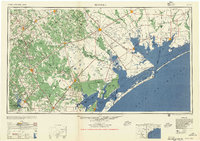 1956 Beeville1956 Print · USGSCoastal Texas and the brush country interior are shown in the mid-fifties, from the coastal bays to the inland oil fields. Trace the old rail lines of the Southern Pacific RR or locate the historic Matagorda Lighthouse and the Aransas National Wildlife Refuge.2 unique versions available
 - 1956 Map of Pettus
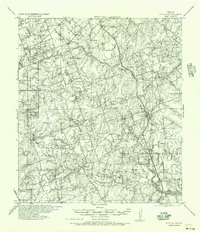 1956 Pettus1956 Print · USGSBee and Karnes counties are shown during the mid-century oil boom, when petroleum production and rail transport defined the landscape. Researchers can trace family homesteads and vanished schools such as Richland School, the North Pettus Oil Field, and the Salt Branch Church.
 - 1960 Map of Beeville
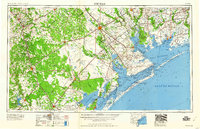 1960 Beeville1960 Print · USGSCoastal Texas in the mid-fifties reveals a landscape of growing towns and vital military outposts like Foster AFB. Researchers can trace old rail lines including the Missouri Pacific and explore the vast Aransas National Wildlife Refuge.
 - 1963 Map of Monteola, 1965 Print
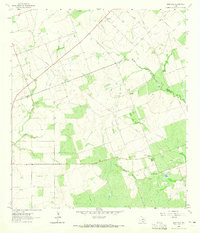 1963 Monteola1965 Print · USGSThe Bee and Karnes County line comes alive in the early sixties as the oil industry shapes the rural landscape. Researchers can locate family landmarks like Pullin Livingston Cem and Elim Ch or trace the early footprint of the Caesar Oil Field.3 unique versions available
 - 1985 Map of Goliad, 1992 Print
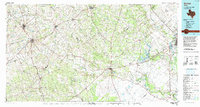 1985 Goliad1992 Print · USGSThe South Texas plains during the mid-eighties reveal a landscape of deep-rooted ranching towns and historic river crossings. Genealogists and historians can trace family locations through Upper Meyersville, follow the Southern Pacific rail line, or locate landmarks like OLF Goliad and Goliad State Park.
 - 2010 Map of Monteola, 2010 Print
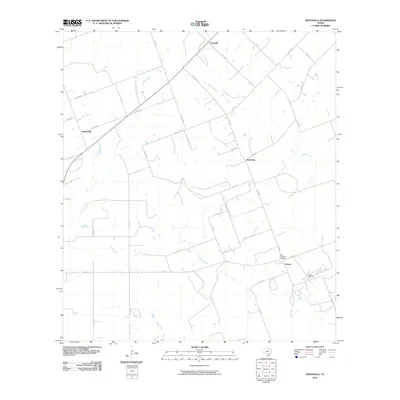 2010 Monteola2010 Print · USGSKarnes County remains a landscape of quiet ranching and oil production in this early twenty-first-century survey. Genealogists and historians can trace family ties at the Pullin-Livingston Cemetery and locate small communities like Zunkerville and Caesar.
 - 2013 Map of Monteola, 2013 Print
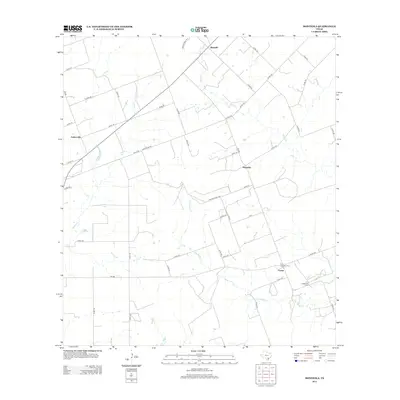 2013 Monteola2013 Print · USGSThe ranching and oil country of Karnes County comes into focus in this early 21st-century survey. Researchers can trace family history at the Pullin -Livingston Cem or locate the industrial sites of the Caesar Oil Field near Caesar.
 - 2016 Map of Monteola, 2016 Print
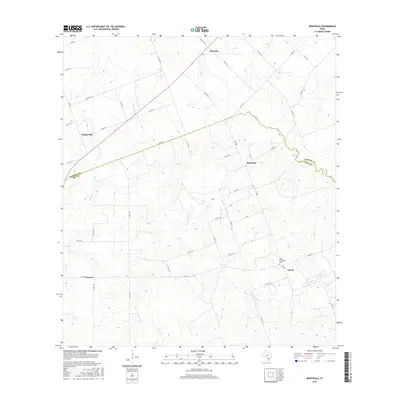 2016 Monteola2016 Print · USGSThe rural borderlands between Bee and Karnes Counties are depicted here in the early twenty-first century. Genealogists and local historians can trace family roots through the Pullin-Livingston Cemetery and small communities like Monteola, Zunkerville, and Caesar.
 - 2019 Map of Monteola, 2019 Print
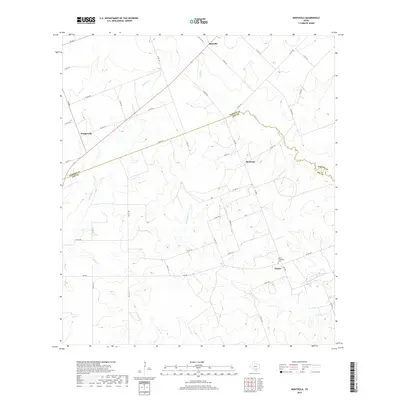 2019 Monteola2019 Print · USGSThe South Texas borderlands between Karnes and Bee Counties are captured here during a period of modern ranching and rural transition. Researchers can pinpoint the Pullin-Livingston Cem and trace the drainage of Medio Cr near Monteola and Caesar.
 - 2022 Map of Monteola, 2022 Print
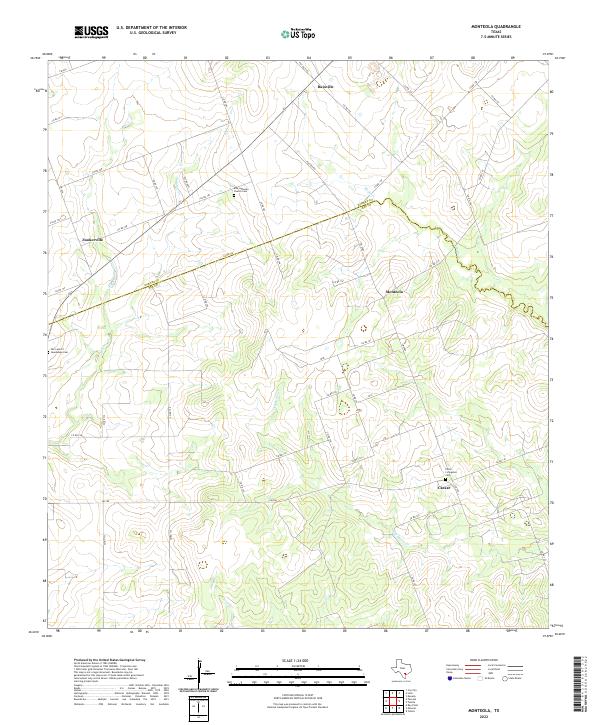 2022 Monteola2022 Print · USGSSouth Texas ranching country along the Bee and Karnes county line comes into focus in this recent survey. Local researchers can trace family landmarks and rural hamlets like Monteola, Zunkerville, and the Pullin - Livingston Cem among the creek beds.
End of results
Showing maps 1-12 of 12
Top cities near Zunkerville
Frequently asked questions
- What are the different types of historical maps available for Zunkerville?
- What is the oldest map of Zunkerville?
- Where can I purchase historical maps of Zunkerville for my home or office?
- Where can I download high-res historical maps of Zunkerville?
- Are there historical topographic maps available for Zunkerville?
- Is there historical aerial imagery available for Zunkerville?
- Where are historical maps of Zunkerville sourced from?