Old Maps of Live Oak County, Texas for Academic Research
Study the evolution of Live Oak County with 189 high-resolution historic maps. Whether you're teaching, researching, or modeling changes in land use, these maps provide essential visual documentation of urban, environmental, and geographic change.
- Analyze long-term change: Track patterns in development, transportation, and natural features.
- Ideal for environmental or urban studies: Support academic projects with primary historical map data.
- Use in the classroom or lab: Educators and researchers rely on these maps to bring historical context to life.
These maps are a powerful tool for teaching, research, and visualizing how Live Oak County has changed over the decades.
Live Oak County, TX maps
(189)- 1920 Map of Mikeska
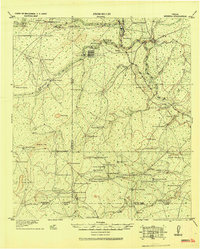 1920 Mikeska1920 Print · USGSSouth Texas ranching country comes to life in this post-World War I tactical survey of the Live Oak County area. Genealogists and historians can trace family landholdings from OAKVILLE to George West, locating ancestral landmarks like Simmons City, Mikeska, and the O'Connor Ranch.
 - 1925 Map of Oakville No. 4
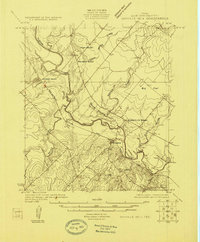 1925 Oakville No. 41925 Print · USGSDuring the mid-twenties, Live Oak County was a landscape defined by the Nueces River and competing rail lines. Family historians can locate rural landmarks like Marbach School and Gussettville School or the settlement of Mikeska.
 - 1925 Map of Mathis No. 2
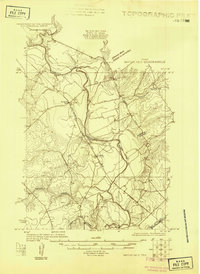 1925 Mathis No. 21925 Print · USGSThe Nueces River valley in the mid-1920s is captured here just as aerial photography began to transform mapping. Researchers can trace the San Antonio Uvalde and Gulf railroad through old Dinero or follow the historic Old Spanish Trail.
 - 1925 Map of Simmons No. 1
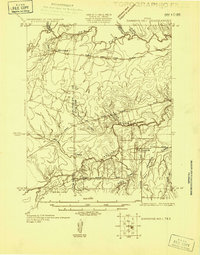 1925 Simmons No. 11925 Print · USGSThe South Texas ranching country of Live Oak and McMullen counties comes into focus during the mid-twenties. Genealogists and researchers can trace the routes of Rocky Reagan Road and find early locations for Calliham and Simmons.
 - 1925 Map of Mathis No. 3
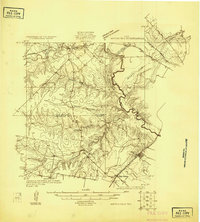 1925 Mathis No. 31925 Print · USGSSouth Texas ranching country and the winding banks of the river come alive in this mid-twenties survey of the Live Oak and Jim Wells county line. Genealogy researchers can trace the early footprints of Lagarto and Sandia near the Nueces River.
 - 1927 Map of Mathis
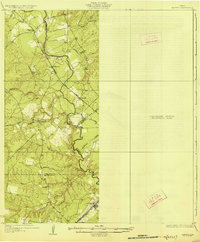 1927 Mathis1927 Print · USGSSouth Texas at the height of the railroad era reveals a landscape of cattle-ranching hubs and river crossings. Genealogists can trace family connections to rural settlements like Lagarto and Sandia, or follow the path of the old Alice and Beeville Road.2 unique versions available
 - 1927 Map of Oakville
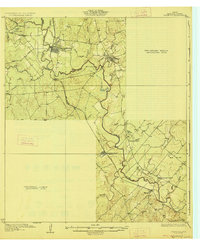 1927 Oakville1927 Print · USGSLive Oak County during the mid-twenties shows a landscape of river-confluence towns and rail-connected hubs. Researchers can trace the development of Three Rivers and George West alongside rural landmarks like Marbach School and Gussettville School.2 unique versions available
 - 1929 Map of Simmons
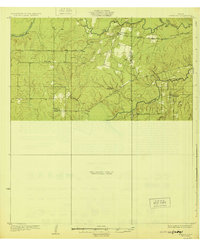 1929 Simmons1929 Print · USGSSouth Texas ranching and river country are captured here in the late 1920s, showing the early road networks and small outposts. Researchers can trace family sites near Wentz, the isolated Brice Sch, and the old George West Road.2 unique versions available
 - 1930 Map of Whitsett
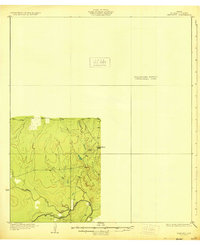 1930 Whitsett1930 Print · USGSThe South Texas brush country unfolds in this late-1920s survey of McMullin County, showing the region as it appeared before widespread development. Trace early drainage routes like San Miguel Creek and find the small settlement of Crowther near Opossum Hill.2 unique versions available
 - 1931 Map of Falls City
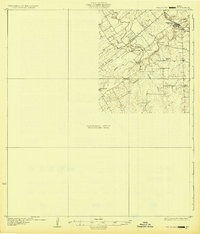 1931 Falls City1931 Print · USGSSouth Texas river life and rail transport meet in this early thirties survey of Karnes and Wilson Counties. Trace the Southern Pacific through Falls City or locate rural landmarks like Froshinn Hall and Laake Sch.4 unique versions available
 - 1936 Map of Pettus
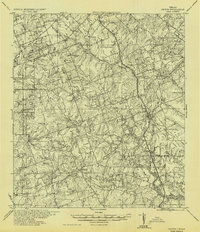 1936 Pettus1936 Print · USGSCoastal plains ranching meets the 1930s oil boom in this detailed survey of Bee and Karnes counties. Genealogists can locate family-named landmarks and rural hubs such as Zunkerville, Salt Branch Church, and the Pettus Oil Field.
 - 1942 Map of Whitsett
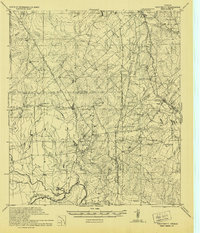 1942 Whitsett1942 Print · USGSRanching and early oil exploration define this South Texas landscape during the early years of the war. Genealogists can trace family holdings like the Peeler Ranch and Jacob Ranch or locate the Old Oil Field near the settlement of Crowther.
 - 1953 Map of Crystal City
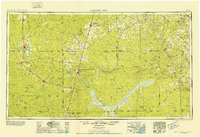 1953 Crystal City1953 Print · USGSSouth Texas in the early fifties was a landscape of expanding oil fields and vital rail connections. Genealogists and researchers can trace family lands along the Nueces River or locate heritage sites in Asherton, Big Wells, and Batesville.
 - 1953 Map of Beeville
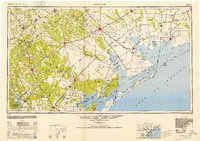 1953 Beeville1953 Print · USGSThe Texas Coastal Bend in the early fifties shows a landscape of growing regional hubs and vital maritime corridors. Trace the rail-and-river economy through Goliad, locate the Matagorda Lighthouse, and explore the sprawling Aransas National Wildlife Refuge.
 - 1954 Map of Fleming, 1956 Print
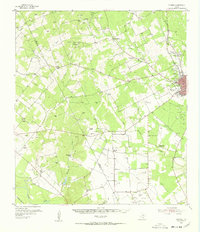 1954 Fleming1956 Print · USGSBee County is shown here at the peak of its mid-century petroleum and ranching era. Local researchers can trace family landmarks and rural hubs like Friendship Ch, Lebanon Cem, and the specialized Fleming Oil Field infrastructure.2 unique versions available
 - 1954 Map of Mathis, 1956 Print
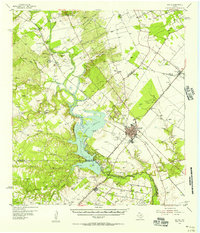 1954 Mathis1956 Print · USGSThe Mathis area in the mid-1950s shows a landscape defined by the Nueces River and an expanding petroleum industry. Researchers can trace family-named sites like Wade Ranch and the lost siding at Swinney Switch or locate the old Drive-in Theater.2 unique versions available
 - 1955 Map of Crystal City, 1976 Print
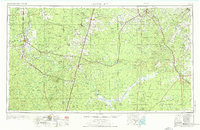 1955 Crystal City1976 Print · USGSSouth Texas ranching and oil country come into focus in the mid-fifties as the rail lines and rivers connect growing hubs. Researchers can trace the development of energy fields like Washburn Oil Field or locate historic settlements from Asherton to Three Rivers.
 - 1956 Map of Suniland
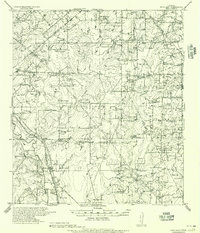 1956 Suniland1956 Print · USGSLive Oak County ranching culture and rural infrastructure are captured here in the mid-fifties, just as the region’s landscape was maturing. Genealogists can trace family legacies through properties like the Poe Ranch and find defunct community hubs like North School and the Whitsett Pump Station.
 - 1956 Map of Beeville
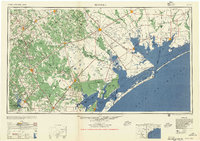 1956 Beeville1956 Print · USGSCoastal Texas and the brush country interior are shown in the mid-fifties, from the coastal bays to the inland oil fields. Trace the old rail lines of the Southern Pacific RR or locate the historic Matagorda Lighthouse and the Aransas National Wildlife Refuge.2 unique versions available
 - 1956 Map of Pettus
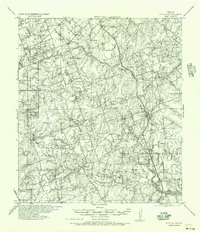 1956 Pettus1956 Print · USGSBee and Karnes counties are shown during the mid-century oil boom, when petroleum production and rail transport defined the landscape. Researchers can trace family homesteads and vanished schools such as Richland School, the North Pettus Oil Field, and the Salt Branch Church.
 - 1960 Map of Beeville
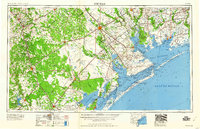 1960 Beeville1960 Print · USGSCoastal Texas in the mid-fifties reveals a landscape of growing towns and vital military outposts like Foster AFB. Researchers can trace old rail lines including the Missouri Pacific and explore the vast Aransas National Wildlife Refuge.
 - 1961 Map of Crystal City
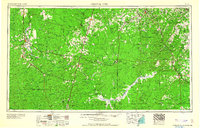 1961 Crystal City1961 Print · USGSSouth Texas in the early sixties reveals a landscape of massive cattle ranches and emerging oil fields. Genealogists and historians can trace the Missouri Pacific rail lines through Crystal City, or locate water features like Espantosa Lake and Boynton Reservoir.
 - 1961 Map of Coy City, 1963 Print
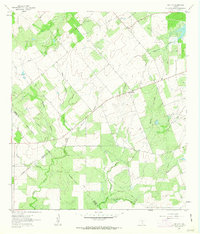 1961 Coy City1963 Print · USGSThe Karnes County brush country is captured here in the early sixties, showing the rural crossroads of Coy City and Fashing. Researchers can trace the development of the local oil industry through a network of Pipelines and an isolated Landing Strip.
 - 1961 Map of Fashing, 1964 Print
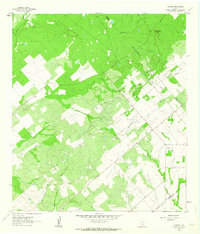 1961 Fashing1964 Print · USGSThe South Texas brush country at the dawn of the 1960s reveals an landscape shaped by the Fashing Edwards Gas Field. Trace the development of Fashing and search for family roots at Brister Cem or Fashing Cem near Tordillo Hill.
 - 1963 Map of Anna Rose, 1964 Print
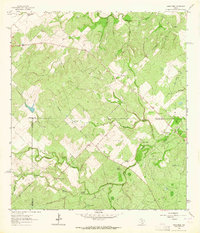 1963 Anna Rose1964 Print · USGSSouth Texas ranching and oil production are on full display in the early 1960s at the junction of Live Oak and Jim Wells counties. Trace family history and land use through landmarks like Rancho de la Parrita, Anna Rose, and the Calabaza Windmill.2 unique versions available
Showing maps 1-25 of 189
Top cities of Live Oak County
Frequently asked questions
- What are the different types of historical maps available for Live Oak County?
- What is the oldest map of Live Oak County?
- Where can I purchase historical maps of Live Oak County for my home or office?
- Where can I download high-res historical maps of Live Oak County?
- Are there historical topographic maps available for Live Oak County?
- Is there historical aerial imagery available for Live Oak County?
- Where are historical maps of Live Oak County sourced from?