Old Maps of Esseville, Texas for Academic Research
Study the evolution of Esseville with 12 high-resolution historic maps. Whether you're teaching, researching, or modeling changes in land use, these maps provide essential visual documentation of urban, environmental, and geographic change.
- Analyze long-term change: Track patterns in development, transportation, and natural features.
- Ideal for environmental or urban studies: Support academic projects with primary historical map data.
- Use in the classroom or lab: Educators and researchers rely on these maps to bring historical context to life.
These maps are a powerful tool for teaching, research, and visualizing how Esseville has changed over the decades.
Esseville, TX maps
(12)- 1953 Map of Crystal City
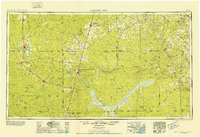 1953 Crystal City1953 Print · USGSSouth Texas in the early fifties was a landscape of expanding oil fields and vital rail connections. Genealogists and researchers can trace family lands along the Nueces River or locate heritage sites in Asherton, Big Wells, and Batesville.
 - 1955 Map of Crystal City, 1976 Print
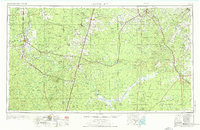 1955 Crystal City1976 Print · USGSSouth Texas ranching and oil country come into focus in the mid-fifties as the rail lines and rivers connect growing hubs. Researchers can trace the development of energy fields like Washburn Oil Field or locate historic settlements from Asherton to Three Rivers.
 - 1956 Map of Suniland
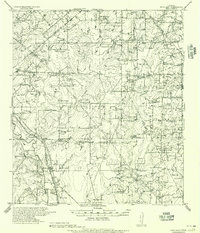 1956 Suniland1956 Print · USGSLive Oak County ranching culture and rural infrastructure are captured here in the mid-fifties, just as the region’s landscape was maturing. Genealogists can trace family legacies through properties like the Poe Ranch and find defunct community hubs like North School and the Whitsett Pump Station.
 - 1961 Map of Crystal City
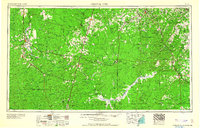 1961 Crystal City1961 Print · USGSSouth Texas in the early sixties reveals a landscape of massive cattle ranches and emerging oil fields. Genealogists and historians can trace the Missouri Pacific rail lines through Crystal City, or locate water features like Espantosa Lake and Boynton Reservoir.
 - 1965 Map of Peggy, 1969 Print
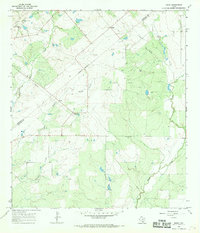 1965 Peggy1969 Print · USGSThe South Texas brush country at the Atascosa and Live Oak county line comes into focus in the mid-1960s. Genealogists and local historians can trace small settlements like Peggy, McCoy, and Esseville or locate the rural cemetery near Salt Hollow.2 unique versions available
 - 1968 Map of Crystal City
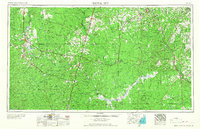 1968 Crystal City1968 Print · USGSSouth Texas in the late sixties reveals a landscape shaped by ranching roots and the vital waters of the Nueces River. Researchers can trace the rail-driven growth of Crystal City or locate landmarks like Pilot Knob and Espantosa Lake.
 - 1985 Map of Pleasanton
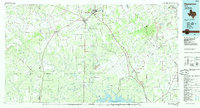 1985 Pleasanton1985 Print · USGSSouth Texas in the mid-1980s is characterized by the rise of petroleum and new water projects like the Choke Canyon Reservoir. Genealogists and historians can trace rail-side settlements along the Missouri Pacific and rural hubs such as Amphion, Fashing, and Campbellton.2 unique versions available
 - 2010 Map of Peggy, 2010 Print
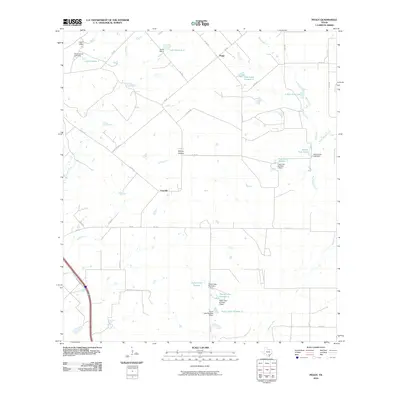 2010 Peggy2010 Print · USGSAtascosa County ranching country is mapped here in the early twenty-first century, showing the intricate system of dams and reservoirs vital to the region. Researchers can trace land use through features like Esseville, Hacienda de la Tordilla, and the Lipan Hills.
 - 2012 Map of Peggy, 2012 Print
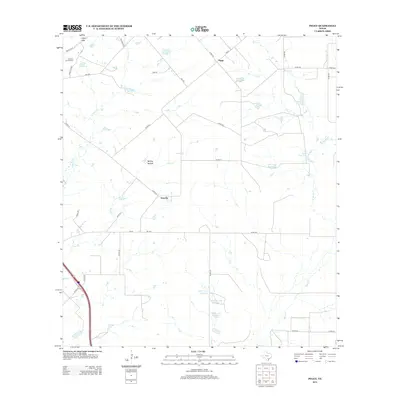 2012 Peggy2012 Print · USGSAtascosa County ranch lands and intermittent creeks are captured here during the early twenty-first century. Genealogists and local historians can trace family-named landmarks and rural settlements like Esseville, Hacienda de la Tordilla, and James Esse Lake.
 - 2016 Map of Peggy, 2016 Print
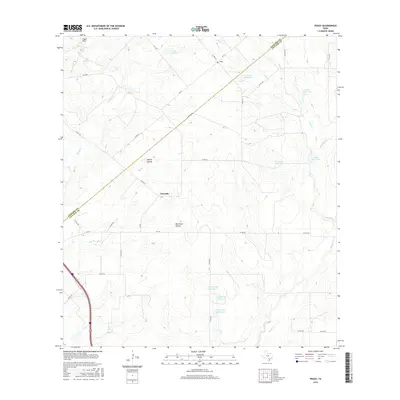 2016 Peggy2016 Print · USGSThe Atascosa and Live Oak County line runs through this South Texas ranching country in the mid-2010s. Local researchers can trace family-named landmarks and rural hubs like Peggy, Esseville, and James Esse Lake across a landscape of hollows and seasonal creeks.
 - 2019 Map of Peggy, 2019 Print
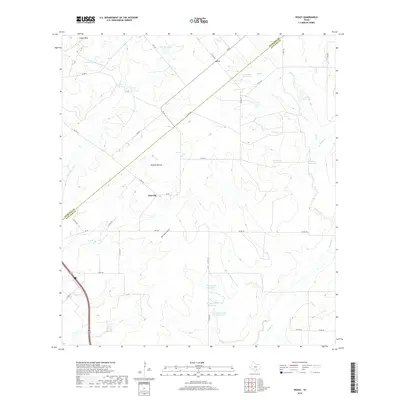 2019 Peggy2019 Print · USGSSouth-central Texas ranching country comes into focus at the Atascosa and Live Oak county line in the late twenty-teens. Genealogists and local historians can locate specific family-named landmarks such as Lillian Esse Lake, McCoy Hollow, and the settlement of Esseville.
 - 2022 Map of Peggy, 2022 Print
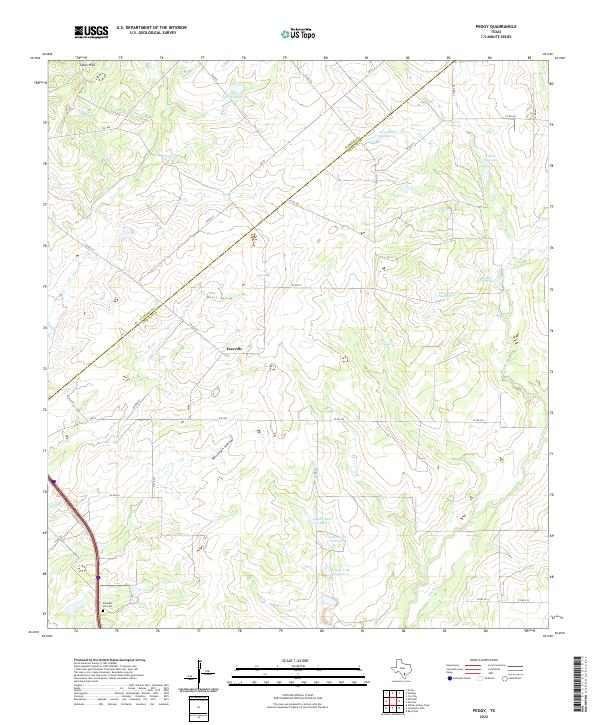 2022 Peggy2022 Print · USGSCrossing the Atascosa and Live Oak county line in the 2020s, this area shows a landscape of family-owned ranch land and managed water. Researchers can trace local history at Pleasant Hill Cem and identify historical landholdings near Esseville and Lillian Esse Lake.
End of results
Showing maps 1-12 of 12
Top cities near Esseville
Frequently asked questions
- What are the different types of historical maps available for Esseville?
- What is the oldest map of Esseville?
- Where can I purchase historical maps of Esseville for my home or office?
- Where can I download high-res historical maps of Esseville?
- Are there historical topographic maps available for Esseville?
- Is there historical aerial imagery available for Esseville?
- Where are historical maps of Esseville sourced from?