Old Maps of Lubbock County, Texas for Academic Research
Study the evolution of Lubbock County with 142 high-resolution historic maps. Whether you're teaching, researching, or modeling changes in land use, these maps provide essential visual documentation of urban, environmental, and geographic change.
- Analyze long-term change: Track patterns in development, transportation, and natural features.
- Ideal for environmental or urban studies: Support academic projects with primary historical map data.
- Use in the classroom or lab: Educators and researchers rely on these maps to bring historical context to life.
These maps are a powerful tool for teaching, research, and visualizing how Lubbock County has changed over the decades.
Lubbock County, TX maps
(142)- 1954 Map of Lubbock, 1958 Print
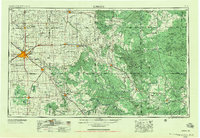 1954 Lubbock1958 Print · USGSThe High Plains and Caprock region of West Texas come alive in the mid-1950s, showing a landscape defined by oil discovery and the Brazos River headwaters. Genealogists and historians can trace rail-connected towns like Roaring Springs, find the Pleasant Valley church, or locate family-named landmarks such as Soldier Mound.4 unique versions available
 - 1954 Map of Brownfield, 1975 Print
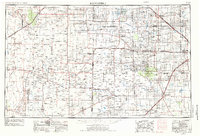 1954 Brownfield1975 Print · USGSThe High Plains of the Texas-New Mexico border are captured here in the mid-twentieth century, as ranching and oil extraction shaped the Llano Estacado. Genealogists and historians can trace small rural centers like Lums Chapel, Hillburn City, and the Friendship Sch amid a landscape of windmills.2 unique versions available
 - 1956 Map of Shallowater, 1957 Print
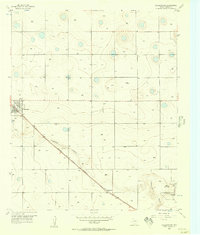 1956 Shallowater1957 Print · USGSThe Lubbock County plains of the mid-fifties center on the rail-side community of Shallowater. Researchers can trace the path of the Panhandle and Santa Fe railroad and locate local landmarks like the DRAG STRIP and Broadview.3 unique versions available
 - 1956 Map of New Deal, 1957 Print
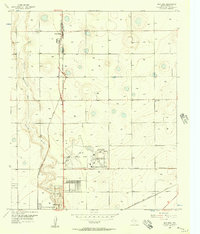 1956 New Deal1957 Print · USGSLubbock and its northern environs are shown in the mid-1950s as a burgeoning center of Texas industry and aviation. Researchers can trace the layout of the Lubbock Municipal Airport and early developments like the New Deal settlement and the Lubbock Country Club.3 unique versions available
 - 1957 Map of Lubbock East, 1958 Print
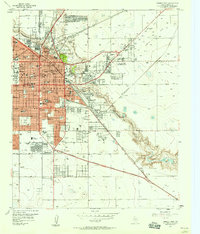 1957 Lubbock East1958 Print · USGSLubbock emerges as a major West Texas center in the late fifties, showcasing the city's expansion alongside the Double Mountain Fork. Researchers can locate mid-century institutions like Texas Technological College, the City Cemetery, and Mac Kenzie State Park.4 unique versions available
 - 1957 Map of New Home, 1958 Print
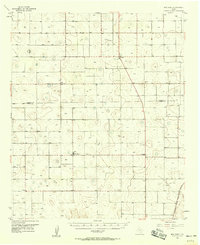 1957 New Home1958 Print · USGSThe rural High Plains of West Texas are meticulously detailed in the late 1950s, showing the early infrastructure of several crossroads communities. Genealogists and researchers can locate landmarks like Dixie Sch (Aband), the settlement of Slide, and the Athletic Field at New Home.
 - 1957 Map of Lubbock West, 1958 Print
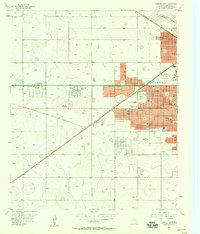 1957 Lubbock West1958 Print · USGSLubbock and its western fringes are shown in the late fifties during a period of rapid institutional and residential growth. Genealogists and local historians can trace the early layout of the Texas Technological College campus and locate community landmarks like Resthaven Cemetery and Carlisle.3 unique versions available
 - 1957 Map of Lubbock, 1958 Print
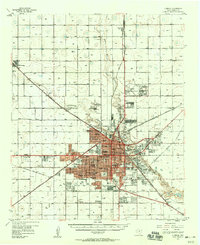 1957 Lubbock1958 Print · USGSLubbock and its surrounding High Plains communities are captured here in the late fifties during a period of steady growth. Researchers can trace local genealogy and land use through landmarks like City Cemetery, Antioch Sch, and the Lubbock Municipal Airport.
 - 1957 Map of Anton, 1958 Print
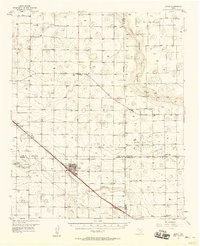 1957 Anton1958 Print · USGSThe South Plains of Texas come alive in the late fifties, showcasing the intersection of ranching and oil production. Trace family roots and vanished infrastructure through the Anton-Irish Oil Field, the Hardy Sch, and the depot at Anton.
 - 1957 Map of Abernathy, 1958 Print
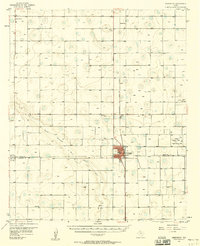 1957 Abernathy1958 Print · USGSThe High Plains of the Texas Panhandle appear here in the mid-fifties as a landscape of emerging oil fields and steady rail commerce. Researchers can trace rural genealogy through the IOOF Cem, Center Ch, and the outlying community of Cotton Center.2 unique versions available
 - 1957 Map of Meadow, 1958 Print
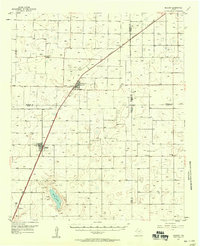 1957 Meadow1958 Print · USGSThe West Texas cotton and rail corridor comes alive in this mid-century survey of the High Plains. Genealogists and local historians can trace the foundations of Meadow and Ropesville or locate family sites near Lakeview Ch and the Meadow Cem.
 - 1957 Map of Wolfforth, 1958 Print
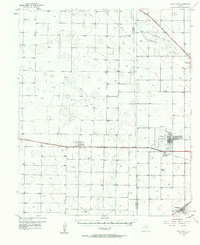 1957 Wolfforth1958 Print · USGSThe High Plains of West Texas are captured here in the late fifties as military and oil interests expanded. Researchers can trace the layout of Reese Air Force Base, find the Smyer Oil Field, and locate the Bradford Sch.
 - 1958 Map of Brownfield
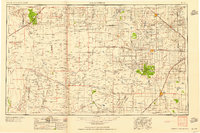 1958 Brownfield1958 Print · USGSThe High Plains of the Texas-New Mexico border are captured here during a mid-century oil boom. Genealogists and historians can trace old community sites like Lums Chapel and Tokio alongside the vast Levelland and Slaughter Oil and Gas Field.
 - 1962 Map of Brownfield
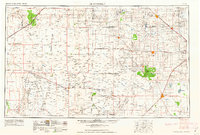 1962 Brownfield1962 Print · USGSThe High Plains of Texas and New Mexico are captured in the early sixties as a thriving hub of oil production and ranching. Researchers can trace the industrial footprint of the Levelland and Slaughter Oil and Gas Field or locate smaller towns like Sundown and Littlefield.
 - 1965 Map of Acuff, 1966 Print
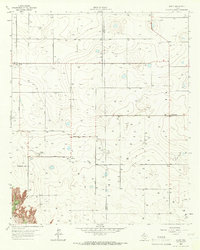 1965 Acuff1966 Print · USGSThe Lubbock and Crosby county line during the mid-sixties shows a landscape shaped by petroleum and agricultural development. Genealogists and local historians can trace family-named roads and rural hubs like Acuff, Robertson, and the Ha-Na Field.
 - 1965 Map of Slaton, 1966 Print
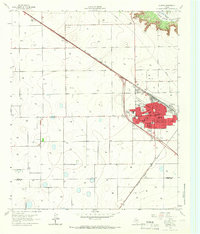 1965 Slaton1966 Print · USGSSlaton and the South Plains are captured in the mid-sixties as the railroad and agriculture define the landscape. Researchers can trace the community through Englewood Cem, Mercy Hospital, and local schools like Lubbock Sch.2 unique versions available
 - 1965 Map of Buffalo Springs Lake, 1966 Print
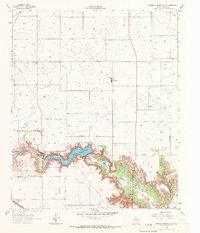 1965 Buffalo Springs Lake1966 Print · USGSThe Lubbock area during the mid-sixties reveals the dramatic carving of Yellow House Canyon through the Llano Estacado. Local researchers can trace the development of Buffalo Springs Lake and the rural community of Roosevelt at its mid-century peak.2 unique versions available
 - 1965 Map of Slaton NE, 1966 Print
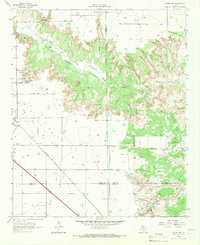 1965 Slaton NE1966 Print · USGSThe West Texas caprock country comes into focus in the mid-1960s as the rail lines and ranch lands around Lubbock County were being mapped in detail. Genealogists and local historians can trace the tracks of the Atchison Topeka and Santa Fe and locate family-named landmarks like Wood Ranch or the Katy K Ranch.2 unique versions available
 - 1965 Map of Idalou, 1966 Print
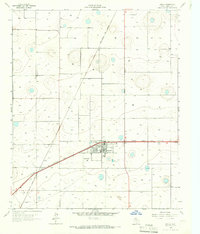 1965 Idalou1966 Print · USGSLubbock County agricultural life is centered on Idalou in the mid-sixties, where two major rail lines intersect among the plains. Researchers can locate the Idalou Cem, the local Cotton Gin, and the small siding at Kitalou.2 unique versions available
 - 1965 Map of Petersburg, 1966 Print
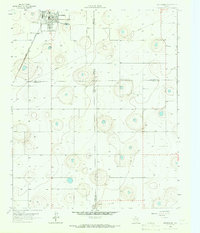 1965 Petersburg1966 Print · USGSThe South Plains of West Texas appear in the mid-1960s as a landscape of rural town centers and rail-side industry. Genealogists and historians can trace the Petersburg townsite and Estacado settlement, or locate the local Cemetery and the Fort Worth and Denver railroad.
 - 1965 Map of Lorenzo, 1966 Print
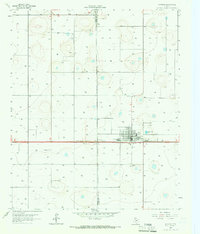 1965 Lorenzo1966 Print · USGSTexas high plains life in the mid-sixties centered on the rail lines and agricultural hubs near the Lubbock County line. Genealogists and local historians can trace the foundations of Lorenzo through its Lorenzo Cem, Cotton Gin, and the Ralph Bunche Sch.
 - 1965 Map of Heckville, 1966 Print
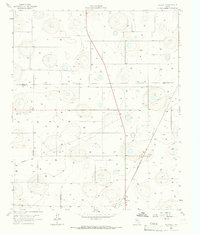 1965 Heckville1966 Print · USGSLubbock and Hale County farm life in the mid-sixties is centered on the railway and irrigation wells of the High Plains. Trace the path of the Fort Worth and Denver railroad through Becton and locate the historic Becton Cem and Heckville settlement.
 - 1976 Map of Wolfforth SE, 1978 Print
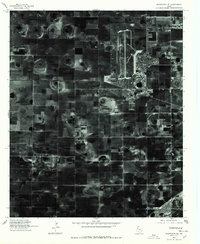 1976 Wolfforth SE1978 Print · USGSLubbock County agricultural and military life are preserved in this 1970s aerial survey. Trace the layout of the airfield at Reese Village and see the early development of Wolfforth amidst a patchwork of center-pivot irrigation fields.
 - 1976 Map of New Home NW, 1978 Print
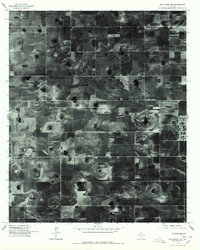 1976 New Home NW1978 Print · USGSLubbock County agricultural life is frozen in time during the late 1970s on this detailed orthophotoquad. Local historians and land researchers can trace the settlement at Slide and the evolution of irrigation patterns across the South Plains landscape.2 unique versions available
 - 1976 Map of Abernathy SE, 1978 Print
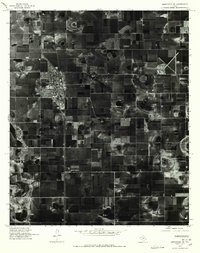 1976 Abernathy SE1978 Print · USGSThe Lubbock area appears in sharp detail during the mid-seventies, defined by the industrial grid of the High Plains. Trace the early footprint of Abernathy and the natural drainage of Blackwater amid a landscape of circular irrigation fields.
Showing maps 1-25 of 142
Top cities of Lubbock County
- Lubbock historical maps
- Slaton historical maps
- Wolfforth historical maps
- Shallowater historical maps
- Idalou historical maps
- Ransom Canyon historical maps
See more
Frequently asked questions
- What are the different types of historical maps available for Lubbock County?
- What is the oldest map of Lubbock County?
- Where can I purchase historical maps of Lubbock County for my home or office?
- Where can I download high-res historical maps of Lubbock County?
- Are there historical topographic maps available for Lubbock County?
- Is there historical aerial imagery available for Lubbock County?
- Where are historical maps of Lubbock County sourced from?