Old Maps of Monahans, Texas
Explore 46 old maps of Monahans, spanning from 1954 to today. These high-resolution historic maps reveal how streets, neighborhoods, landmarks, and natural features evolved over time — perfect for genealogy, metal detecting, research, and local history exploration.
What you can do with these maps:
- See how Monahans changed over time: Compare historical maps to modern-day views to trace roads, homesites, rail lines & more.
- View detailed metadata: Each map includes creators, publishers, year, scale, and archive source.
- Overlay maps with satellite & LiDAR: Visualize the past alongside modern tools to explore terrain & human change.
- Trusted historical sources: Maps sourced from the USGS, Library of Congress, and other archives.
- Access maps your way: View online, download high-res files, or order prints for personal or research use.
Start exploring old maps of Monahans to uncover forgotten places, hidden landmarks, and the deep history beneath your feet.
Monahans, TX maps
(46)- 1954 Map of Pecos, 1964 Print
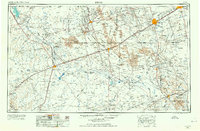 1954 Pecos1964 Print · USGSMid-century West Texas reveals a landscape of expanding oil fields and cattle ranching along the winding Pecos River. Local historians can trace family ranch lands like Goodrich Ranch, follow the Texas and Pacific rails, or locate the historic Horsehead Crossing.3 unique versions available
 - 1957 Map of Pecos
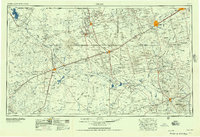 1957 Pecos1957 Print · USGSWest Texas in the mid-fifties is a landscape of desert oil fields and vital rail corridors. Researchers can trace the sprawling Pyote Air Force Base, the historic Horsehead Crossing, and the rail stops at Mentone and Saragosa.
 - 1968 Map of Monahans SE, 1970 Print
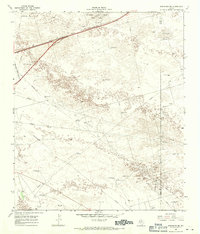 1968 Monahans SE1970 Print · USGSThe West Texas dunes and oil fields of Ward County are captured here in the late sixties. Trace the intersection of energy and ranching through landmarks like the Janelle Oil Field, High Lonesome Windmill, and the Texas and Pacific rail line.
 - 1968 Map of Wink South, 1971 Print
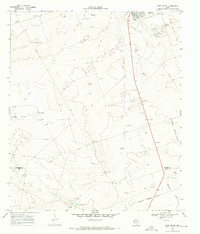 1968 Wink South1971 Print · USGSWinkler County ranching and petroleum interests intersect in the Permian Basin during the late sixties. Researchers can trace the layout of the Old Railroad Grade and locate named rural landmarks like Oats Windmill and the Waldron site.2 unique versions available
 - 1968 Map of China Ranch, 1971 Print
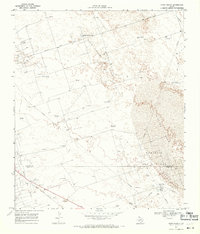 1968 China Ranch1971 Print · USGSThe high desert of Winkler and Ward counties is shown here during the peak of the late-sixties oil boom. Researchers can trace the industrial footprint of Halley Field, the Texas New Mexico railroad, and family-named landmarks like China Ranch and Mitchell Windmill.2 unique versions available
 - 1969 Map of Pyote NE, 1971 Print
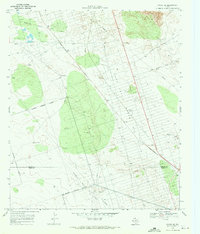 1969 Pyote NE1971 Print · USGSWinkler and Ward Counties are defined by the mid-century petroleum boom in these expansive West Texas oil fields. Researchers can trace the industrial footprint of the Halley Oil Field and locate remote water sources like Red Tank Windmill and Wildcat Windmill.
 - 1969 Map of Pyote East, 1971 Print
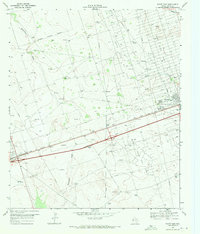 1969 Pyote East1971 Print · USGSWard County during the late sixties shows a landscape transformed by the West Texas oil boom. Researchers can trace the industrial footprint of the refinery at Wickett or locate family ranching landmarks like Tie Ranch and Thorton Ranch.2 unique versions available
 - 1969 Map of Monahans, 1971 Print
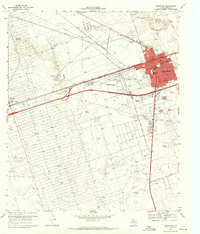 1969 Monahans1971 Print · USGSMonahans and Ward County are shown in the late sixties as the regional oil and ranching economy flourished along the Texas and Pacific line. Researchers can trace local landmarks like Hurd Memorial Airfield, Municipal Cem, and the Wagonwheel Ranch.2 unique versions available
 - 1969 Map of Pyote West, 1971 Print
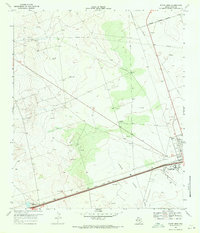 1969 Pyote West1971 Print · USGSWestern Ward County at the end of the 1960s was a hub for energy extraction and specialized institutions. Researchers can trace the layout of Pyote and the West Texas Childrens Home alongside the Texas and Pacific railroad and family sites like Wilson Ranch.2 unique versions available
 - 1986 Map of Kermit
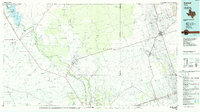 1986 Kermit1986 Print · USGSWest Texas during the mid-eighties was a landscape defined by the energy industry and the winding Pecos River. Trace the development of Oil Field networks near Kermit, the historic Horsehead Crossing, and the rail lines of the Missouri Pacific.2 unique versions available
 - 1986 Map of Odessa
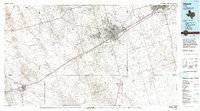 1986 Odessa1986 Print · USGSThe Permian Basin’s oil-driven landscape is revealed in the mid-eighties, showing the sprawl of Odessa and Midland. Trace the growth of energy infrastructure at the South Cowden Oil Field or explore the unique Sand Dunes of Monahans Sand Hills State Park.2 unique versions available
 - 2010 Map of Pyote NE, 2010 Print
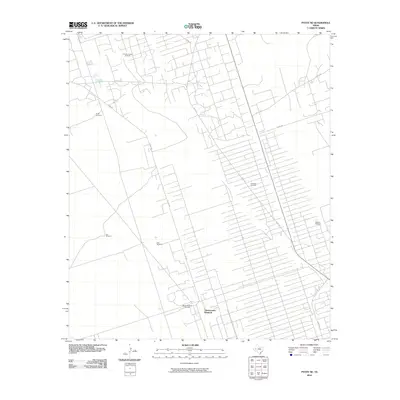 2010 Pyote NE2010 Print · USGSThe West Texas oil country comes into sharp focus during the modern energy boom, showing a landscape defined by industrial development. Trace the intersection of resource extraction and local infrastructure through landmarks like the Magnolia Sealy Oil Field and the ThreeCorner Windmill.
 - 2010 Map of Wink South, 2010 Print
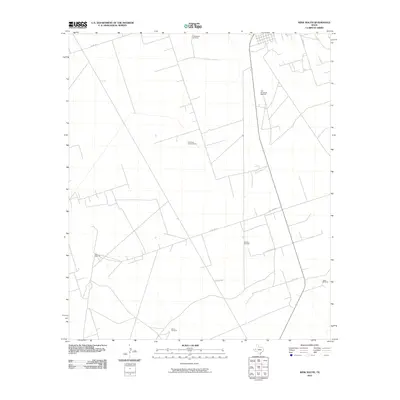 2010 Wink South2010 Print · USGSThe West Texas range south of Wink appears in the early twenty-first century as a land of isolated ranch outposts and vital water points. Researchers can trace rural routes like Little Joe Rd to find landmarks such as the Old Brookfield Windmill and Jakes Windmill.
 - 2010 Map of China Ranch, 2010 Print
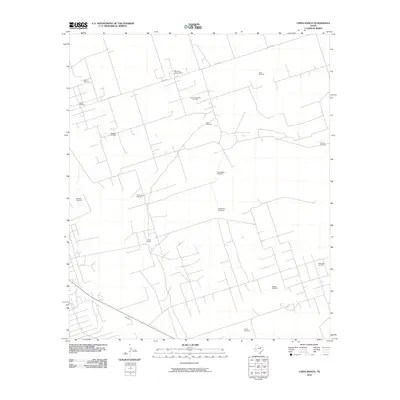 2010 China Ranch2010 Print · USGSTexas petroleum and ranching history converge north of Monahans during the first decade of the 21st century. Researchers can trace the layout of the North Monahans Oil Field and locate local landmarks such as China Ranch and Old Redtop Windmill.
 - 2010 Map of Monahans SE, 2010 Print
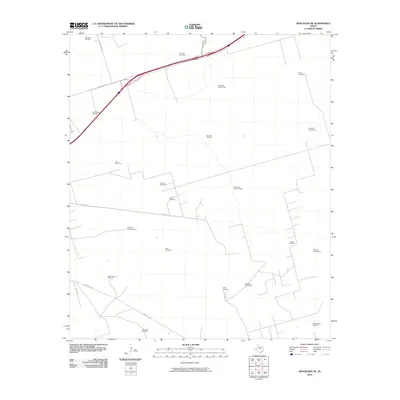 2010 Monahans SE2010 Print · USGSMonahans in the late 2000s shows a working landscape where the oil industry meets historic ranching grounds. Researchers can trace land use through named water features like HighLonesome Windmill and petroleum production at the Janelle Oil Field.
 - 2010 Map of Monahans, 2010 Print
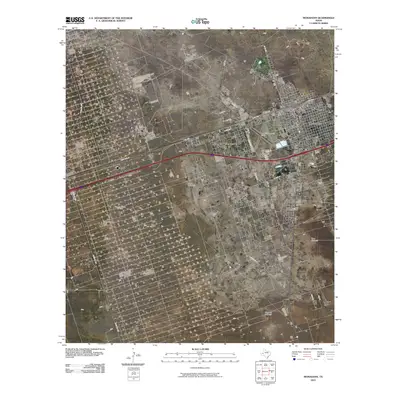 2010 Monahans2010 Print · USGSMonahans and the surrounding Permian Basin plains are captured here in the early twenty-first century as energy and ranching define the landscape. Trace the growth of the community near Thorntonville or locate landmarks like the Ward Estes North Oil Field and Wagonwheel Ranch.
 - 2010 Map of Pyote East, 2010 Print
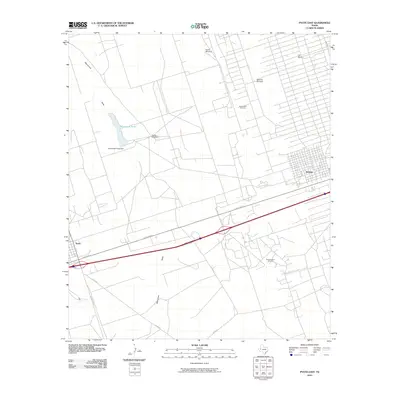 2010 Pyote East2010 Print · USGSMonahans and the surrounding West Texas oil country come to life in this survey from the early 2000s. Genealogists and industrial historians can trace the intersection of ranching and energy at Tie Ranch, the South Sealy Oil Field, and Monument Pond.
 - 2010 Map of Pyote West, 2010 Print
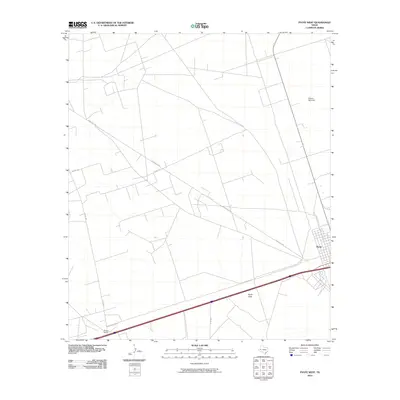 2010 Pyote West2010 Print · USGSPyote and the surrounding West Texas plains are captured here in the early twenty-first century. Researchers can trace the layout of the Pyote townsite and locate outlying markers of ranching life like the Wilson Ranch and Rogers Windmill.
 - 2012 Map of Pyote West, 2012 Print
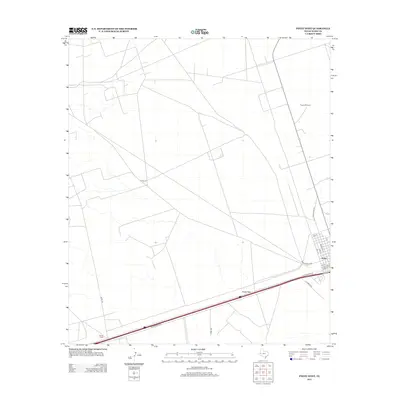 2012 Pyote West2012 Print · USGSThe West Texas town of Pyote and the surrounding ranchlands are documented here just after the turn of the century. Researchers can trace the local street grid and find landmarks like Wilson Ranch, Rogers Windmill, and the Pyote Flats.
 - 2012 Map of China Ranch, 2012 Print
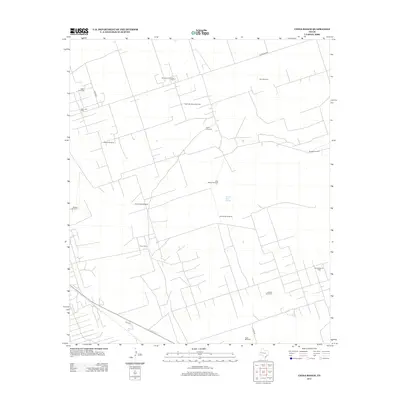 2012 China Ranch2012 Print · USGSMonahans, Texas, is captured here during the height of modern petroleum production, where vast oil fields meet traditional ranching lands. Researchers can trace the layout of the Halley Oil Field or locate named landmarks like China Ranch and the Monahans Gasoline Plant.
 - 2012 Map of Monahans, 2012 Print
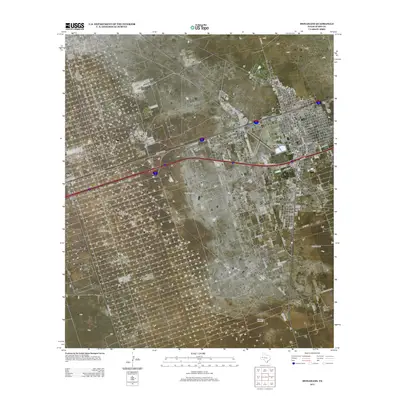 2012 Monahans2012 Print · USGSMonahans and the surrounding Permian Basin plains are captured here in the early twenty-first century as a center of oil production and ranching. Researchers can trace the layout of the Ward Estes North Oil Field and landmarks like the Roy Hurd Memorial Airport.
 - 2012 Map of Monahans SE, 2012 Print
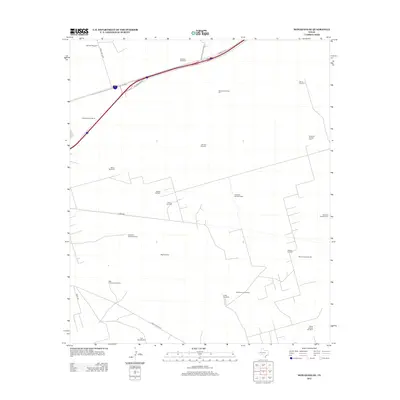 2012 Monahans SE2012 Print · USGSMonahans, Texas, is shown here during a period of active oil extraction and traditional ranching in the early twenty-first century. Researchers can locate named landmarks like the High Lonesome Windmill and Bill Vest Windmill or trace the reach of the Janelle Oil Field.
 - 2012 Map of Pyote NE, 2012 Print
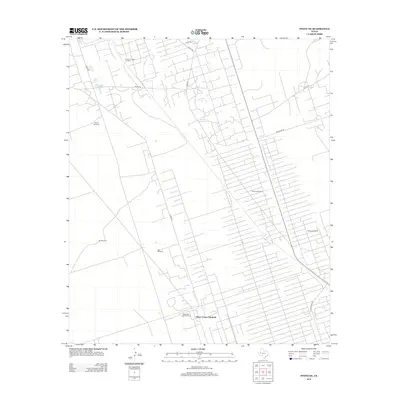 2012 Pyote NE2012 Print · USGSThe West Texas oil country of the Permian Basin is captured here in the early 2010s, defined by its intensive industrial footprint. Researchers can trace the layout of the Winkler County Oil Field and locate localized landmarks like the Red Tank Windmill and Magnolia Sealy Oil Field.
 - 2013 Map of Wink South, 2013 Print
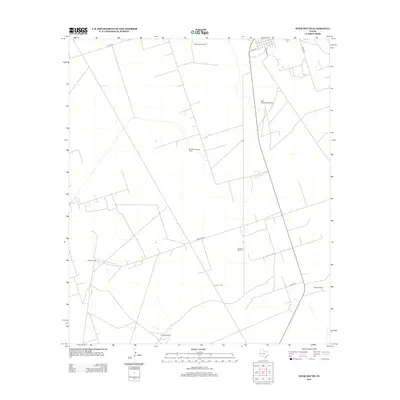 2013 Wink South2013 Print · USGSThis part of West Texas shows a landscape dedicated to ranching and resource management during the early twenty-first century. Researchers can trace rural development and water infrastructure through family-named sites like Harvel Windmill, Oats Windmill, and Old Brookfield Windmill.
 - 2013 Map of Pyote East, 2013 Print
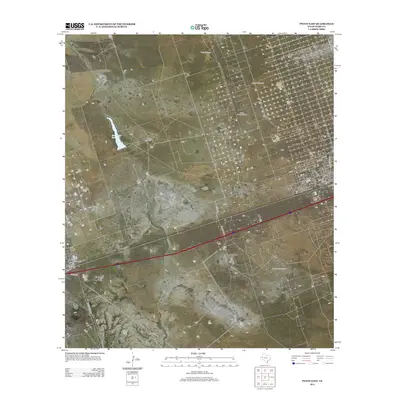 2013 Pyote East2013 Print · USGSThe industrial energy of the Permian Basin meets West Texas ranch land in this early twenty-first-century survey of Ward County. Researchers can trace the grid of Wickett and the expansive infrastructure of the Wickett South Oil Field or the South Sealy Oil Field.
Showing maps 1-25 of 46
Top cities near Monahans
- Kermit historical maps
- Wink historical maps
- Thorntonville historical maps
- Wickett historical maps
- Pyote historical maps
Top neighborhoods of Monahans
- Airport historical maps
- Ballard historical maps
- Quail View historical maps
- Bellaire historical maps
- Ranchero Heights No. 1 historical maps
- Buddy historical maps
See more
Frequently asked questions
- What are the different types of historical maps available for Monahans?
- What is the oldest map of Monahans?
- Where can I purchase historical maps of Monahans for my home or office?
- Where can I download high-res historical maps of Monahans?
- Are there historical topographic maps available for Monahans?
- Is there historical aerial imagery available for Monahans?
- Where are historical maps of Monahans sourced from?