Old Maps of Panola County, Texas for Metal Detecting
Plan your next treasure hunt with 157 historic maps of Panola County. Find old homesites, ghost towns, trails, and gathering spots that may be lost to time — perfect for identifying promising metal detecting locations.
- Locate forgotten sites: Uncover places like long-lost settlements, abandoned rail lines, or gathering spots.
- Plan better hunts: Use map overlays combined with LiDAR or satellite views to narrow in on historically rich areas.
- Made for detectorists: Thousands of hobbyists use these maps to discover relics, coins, and hidden history.
Use these historic maps to boost your research and find new opportunities beneath the surface of Panola County.
Panola County, TX maps
(157)- 1943 Map of Waskom, 1954 Print
 1943 Waskom1954 Print · USGSThe Texas-Louisiana borderlands in the 1940s were a network of rural schools and rail-side settlements. Genealogists can trace family footprints through numerous sites like Union Chapel, Richmond Sch, and Forest Park Cem along the interstate line.
 - 1945 Map of Waskom
 1945 Waskom1945 Print · USGSThe Texas-Louisiana borderlands come into focus during the mid-1940s as rail and road networks began to reshape rural Harrison and Panola counties. Genealogists can trace family landmarks like Forest Park Cem, Union Chapel, and numerous schools including Waco Sch and Liberty Sch.
 - 1945 Map of Socagee Bayou
 1945 Socagee Bayou1945 Print · USGSThe Texas-Louisiana borderlands come alive in the mid-1940s as the Sabine River winds past rural homesteads and timber tracks. Researchers can trace the foundations of local life through the Southern Pacific rail line at Logansport and historic sites like Hogeye Cem and Shiloh Sch.2 unique versions available
 - 1953 Map of Palestine, 1964 Print
 1953 Palestine1964 Print · USGSEast Texas was defined by its deep pine forests and burgeoning energy sector in the mid-1950s. Genealogists and historians can trace the rail-and-river economy through settlements like Tennessee Colony and Pollok or explore the early footprints of the Cayuga Oil Field and Davy Crockett National Forest.2 unique versions available
 - 1956 Map of Tyler
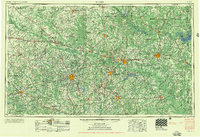 1956 Tyler1956 Print · USGSEast Texas was a powerhouse of oil production and rail transport during the mid-fifties, centered on the sprawling East Texas Oil Field. Researchers can trace the heritage of industrial hubs like Kilgore, military sites such as the Longhorn Ordnance Works, and many rural landmarks like Mount Enterprise.5 unique versions available
 - 1956 Map of Deadwood, 1957 Print
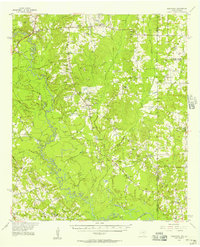 1956 Deadwood1957 Print · USGSThe Texas-Louisiana borderlands along the Sabine River are shown here in the mid-fifties as the Carthage Gas Field reshaped the local landscape. Genealogists can trace family roots through numerous rural landmarks, including the Centennial Cem, Shiloh Baptist Ch, and the settlement at Deadwood.4 unique versions available
 - 1957 Map of Palestine
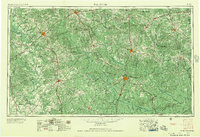 1957 Palestine1957 Print · USGSEast Texas in the mid-fifties reveals a landscape of deep pine forests and winding river valleys before the era of massive reservoir construction. Researchers can trace the legacy of the timber and rail industries through labels for the Missouri Pacific RR, Davy Crockett National Forest, and Nacogdoches.
 - 1958 Map of Center, 1959 Print
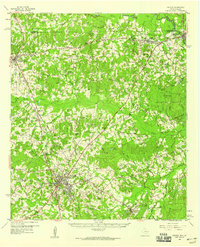 1958 Center1959 Print · USGSShelby County in the late fifties remains a landscape of timbered hills and rail-connected crossroads. Researchers can trace family roots through numerous rural sites like Newhope Ch, Union Cem, and the small community of Shelbyville near the Sabine River.3 unique versions available
 - 1958 Map of Timpson, 1959 Print
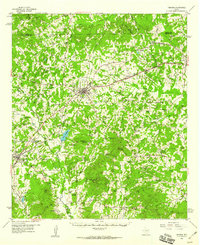 1958 Timpson1959 Print · USGSShelby and Nacogdoches counties appear here during the late fifties, defined by a landscape of small timber-and-oil settlements and diverging rail lines. Genealogists can locate family landmarks such as Todd Spring Ch, Huber Sch, and Lake Timpson.2 unique versions available
 - 1958 Map of Darco, 1960 Print
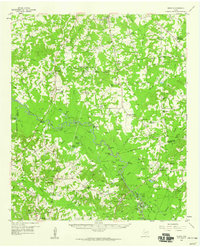 1958 Darco1960 Print · USGSThe Sabine River bottomlands of East Texas are captured here in the late fifties, showing a landscape defined by gas fields and lignite mining. Genealogists can locate family landmarks like the Rosenwald Vocational and Agriculture Sch, Harris Chapel, and the historical Boards Ferry.2 unique versions available
 - 1958 Map of Carthage, 1960 Print
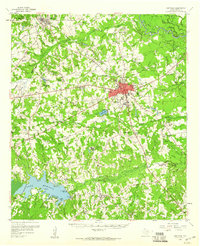 1958 Carthage1960 Print · USGSMid-century Panola County comes to life as the city of Carthage grows and the waters of Lake Murvaul fill the southern valleys. Genealogists and historians can trace dozens of rural landmarks, from Liberty Chapel Cem to the AT & SF RR rail stops at Gary and Beckville.2 unique versions available
 - 1958 Map of Tatum, 1960 Print
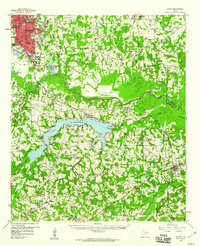 1958 Tatum1960 Print · USGSEast Texas in the late fifties is captured here as the industrial reach of Longview meets the rural landscapes of Rusk and Harrison counties. Genealogists and historians can trace the foundations of local communities at Lake Cherokee, Sweet Home Ch, and the Tatum Gas Field.4 unique versions available
 - 1960 Map of Minden, 1962 Print
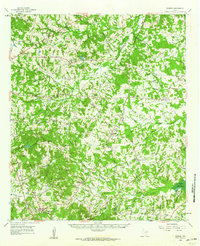 1960 Minden1962 Print · USGSRusk and Panola counties are shown at the start of the sixties, capturing the intricate network of country roads and family burial grounds. Researchers can find old rural schoolhouses like Willow Springs Sch and trace landmarks from Minden to Fair Play.
 - 1960 Map of Mount Enterprise, 1962 Print
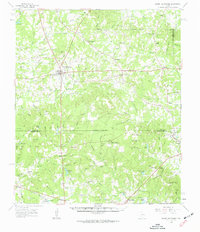 1960 Mount Enterprise1962 Print · USGSMount Enterprise and the surrounding Piney Woods of East Texas are captured here at the dawn of the 1960s. Genealogists and historians can trace family locations through numerous rural landmarks like Isabell Chapel, Caledonia, and the Helpenstell Cemetery.2 unique versions available
 - 1962 Map of Stricklin Springs, 1964 Print
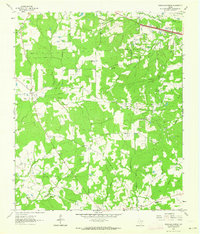 1962 Stricklin Springs1964 Print · USGSEast Texas energy and rural life converge in the early sixties as the Elysian Gas Field expands through Harrison County. Genealogists and local historians can trace community roots at the Elysian Fields Sch, Granbury Cem, and Stricklin Springs.2 unique versions available
 - 1962 Map of De Berry, 1964 Print
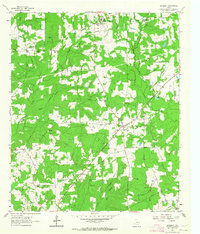 1962 De Berry1964 Print · USGSPanola and Harrison counties at the dawn of the 1960s reveal a landscape of rural congregations and a growing energy sector. Genealogists can trace family sites at Evergreen Cem and Woodley Cem or locate the old Mims Chapel and Wayside Ch.
 - 1962 Map of Panola, 1964 Print
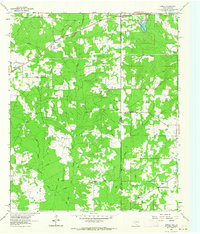 1962 Panola1964 Print · USGSThe borderlands of Panola County and Caddo Parish are captured here in the early sixties as rural life met the growing energy industry. Genealogists and local historians can trace family sites like Jernigan Cem, Mt Zion Ch, and the De Berry Sch along the Old Railroad Grade.3 unique versions available
 - 1962 Map of Waskom, 1964 Print
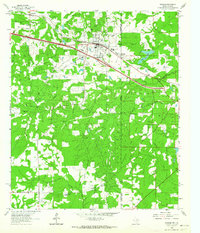 1962 Waskom1964 Print · USGSThe borderlands of East Texas and Western Louisiana were a hub of railroad and petroleum activity in the early sixties. Genealogists and historians can trace the foundations of Waskom through local landmarks like Union Chapel and the Abney High Sch.4 unique versions available
 - 1983 Map of Grand Bluff
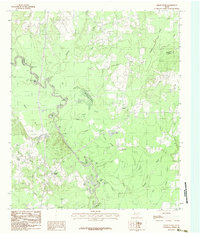 1983 Grand Bluff1983 Print · USGSPanola County bottomlands come into focus in the early 1980s as the Sabine River meanders through a landscape of sloughs and bluffs. Researchers can trace the river's winding course through Watt Shoals and identify local landmarks like Grand Bluff and Alligator Lake.
 - 1983 Map of Tatum
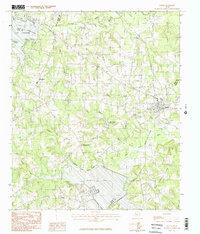 1983 Tatum1983 Print · USGSEast Texas at the start of the 1980s reveals a landscape where timber and water resources meet growing recreation. Researchers can trace rural lineages through local settlements like Harmony Hill and Mayflower or explore the lakeside development of Martin Lake.2 unique versions available
 - 1983 Map of Harris Chapel
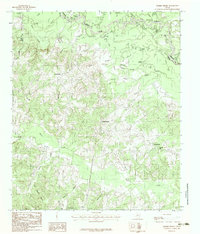 1983 Harris Chapel1983 Print · USGSPanola County in the early eighties shows a landscape defined by the winding Sabine River and its many oxbow lakes. You can trace the rural layout of Harris Chapel and Beckville, or locate landmarks like Sterrett Hill and The Sandy Hills.
 - 1983 Map of River Hill
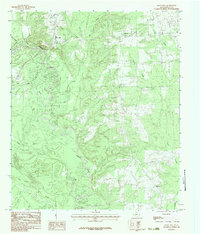 1983 River Hill1983 Print · USGSPanola County river country is captured here in the early 1980s, centered on the winding Sabine River and its bottomland sloughs. Researchers can trace the rural communities of River Hill, Deadwood, and Midyett along with landmarks like the Lookout Tower.
 - 1983 Map of Logan
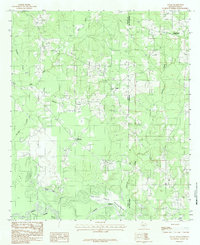 1983 Logan1983 Print · USGSThe Texas-Louisiana borderlands appear here in the early 1980s, documenting the rural communities north of the large reservoir. Local researchers can trace family sites near Logan, Galloway, and Belle Bower, or follow the winding Socagee Creek down to the Sabine River.2 unique versions available
 - 1983 Map of Long Branch
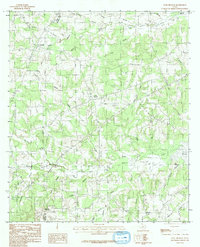 1983 Long Branch1983 Print · USGSThe rural borderlands between Panola and Rusk Counties are captured here in the early 1980s, centered on the small crossroads of Long Branch. Genealogists and local historians can trace family-named landmarks such as Hord Slough, Greens Mountain, and the isolated Cem.
 - 1983 Map of Old Panola
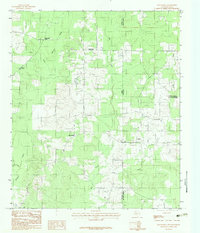 1983 Old Panola1983 Print · USGSThe Texas-Louisiana state line comes alive in the early eighties as a network of rural parishes and quiet creek bottoms. Genealogists and historians can trace family locations through Centennial Cem, Shiloh Ch, and the old settlement of Old Panola.
Showing maps 1-25 of 157
Top cities of Panola County
Frequently asked questions
- What are the different types of historical maps available for Panola County?
- What is the oldest map of Panola County?
- Where can I purchase historical maps of Panola County for my home or office?
- Where can I download high-res historical maps of Panola County?
- Are there historical topographic maps available for Panola County?
- Is there historical aerial imagery available for Panola County?
- Where are historical maps of Panola County sourced from?