Old Maps of San Patricio County, Texas for Hiking & Exploration
Hike through history with 172 historic maps of San Patricio County. Explore old trails, ghost towns, and forgotten backroads — perfect for outdoor adventurers and local explorers.
- Rediscover forgotten places: Map out old mining camps, roads, and footpaths that no longer exist on modern maps.
- Layer with modern tools: Combine with LiDAR or satellite views to plan hikes through historical terrain.
- Made for exploration: Popular among hikers, overlanders, and local history lovers.
Use these maps to find adventure and explore the hidden past of San Patricio County.
San Patricio County, TX maps
(172)- 1925 Map of Mathis No. 2
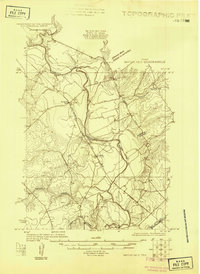 1925 Mathis No. 21925 Print · USGSThe Nueces River valley in the mid-1920s is captured here just as aerial photography began to transform mapping. Researchers can trace the San Antonio Uvalde and Gulf railroad through old Dinero or follow the historic Old Spanish Trail.
 - 1925 Map of Robstown
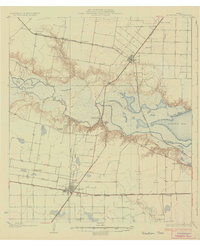 1925 Robstown1925 Print · USGSCoastal Texas near the Nueces River delta was a landscape of rail junctions and riverine wetlands during the mid-1920s. Genealogists can locate family landmarks like Ward 1 School or trace the early development of Robstown and Nuecestown.3 unique versions available
 - 1925 Map of Aransas Pass
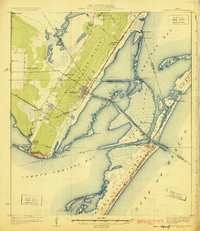 1925 Aransas Pass1925 Print · USGSThe Texas Gulf Coast comes to life in the mid-1920s, showing the early railroad developments and barrier island geography of the coastal bend. Trace the original footprints of Aransas Pass, the Aransas Pass Lighthouse, and local landmarks like Mc Campbell School.3 unique versions available
 - 1925 Map of Mathis No. 3
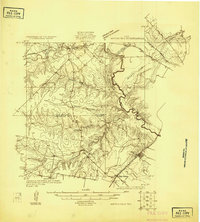 1925 Mathis No. 31925 Print · USGSSouth Texas ranching country and the winding banks of the river come alive in this mid-twenties survey of the Live Oak and Jim Wells county line. Genealogy researchers can trace the early footprints of Lagarto and Sandia near the Nueces River.
 - 1925 Map of Corpus Christi, 1949 Print
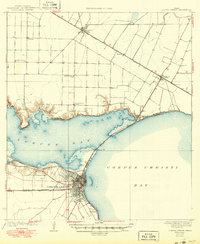 1925 Corpus Christi1949 Print · USGSCorpus Christi and the surrounding coastal plains are captured here in the 1920s, showing the early rail-and-port network of the Texas coast. Researchers can trace rural school locations like Sodville School and early industry at the West Portland Gin.
 - 1927 Map of Mathis
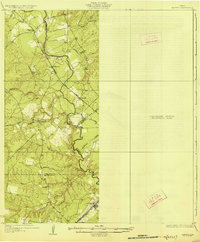 1927 Mathis1927 Print · USGSSouth Texas at the height of the railroad era reveals a landscape of cattle-ranching hubs and river crossings. Genealogists can trace family connections to rural settlements like Lagarto and Sandia, or follow the path of the old Alice and Beeville Road.2 unique versions available
 - 1950 Map of Corpus Christi, 1953 Print
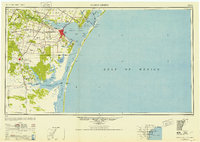 1950 Corpus Christi1953 Print · USGSThe South Texas coast comes into focus during the early fifties, showing the interplay between booming oil fields and expansive ranching operations. Genealogists and historians can trace the Texas Mexican rail line through Kingsville or locate heritage sites like Chapman Ranch and Riviera Beach.
 - 1951 Map of Portland, 1952 Print
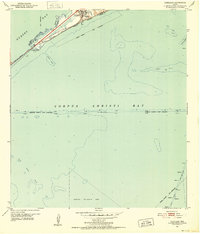 1951 Portland1952 Print · USGSCoastal Texas in the early fifties is defined here by the maritime and rail activity surrounding Portland. Local historians can trace the original path of the Nueces Bay Causeway, the Southern Pacific line, and the dredging of the Corpus Christi Ship Channel.
 - 1951 Map of Corpus Christi, 1952 Print
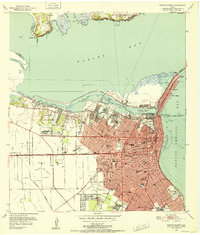 1951 Corpus Christi1952 Print · USGSCorpus Christi at the dawn of the fifties showcases a bustling deep-water port and a rapidly expanding Texas coastal city. Genealogists and local historians can trace family locations through dozens of neighborhood landmarks, including Rose Hill Cem, St Therese Sch, and Cliff Maus Airport.
 - 1951 Map of Corpus Christi, 1952 Print
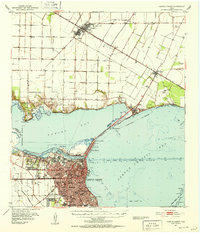 1951 Corpus Christi1952 Print · USGSCorpus Christi and its surrounding bays were undergoing significant industrial and maritime growth in the early fifties. Genealogists and local historians can trace family roots at Bellevue Cem or locate former landmarks like Rosita Ranch and the Cliff Maus Airport.2 unique versions available
 - 1953 Map of Beeville
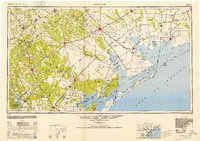 1953 Beeville1953 Print · USGSThe Texas Coastal Bend in the early fifties shows a landscape of growing regional hubs and vital maritime corridors. Trace the rail-and-river economy through Goliad, locate the Matagorda Lighthouse, and explore the sprawling Aransas National Wildlife Refuge.
 - 1954 Map of Orange Grove, 1956 Print
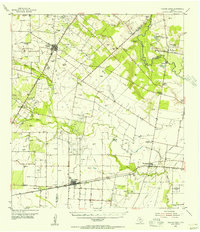 1954 Orange Grove1956 Print · USGSSouth Texas at the height of the mid-century oil boom reveals a landscape defined by ranching heritage and energy extraction. Genealogists and historians can trace family-named sites and vanished landmarks like Leona Sch, Fort Lipantitlan, and the Old San Patricio Cemetery.
 - 1954 Map of Rockport, 1956 Print
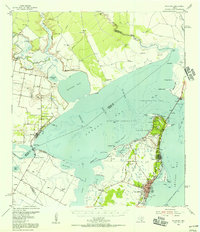 1954 Rockport1956 Print · USGSThe Aransas County coast comes to life in the mid-fifties, showing the growth of Rockport and the expansion of the Fulton Beach Oil Field. Researchers can locate family landmarks like Mc Lester Cem and trace the early layout of the Aransas County Airport.2 unique versions available
 - 1954 Map of Aransas Pass, 1956 Print
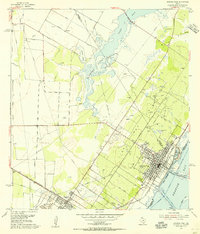 1954 Aransas Pass1956 Print · USGSMid-century Aransas Pass and Ingleside are documented here during a period of significant industrial and maritime growth along the Texas coast. Researchers can trace the layout of the Aransas Pass Oil Field, locate Kleberg Sch, and identify old sites like the Tarpon Drive-in Theater.2 unique versions available
 - 1954 Map of Port Ingleside, 1956 Print
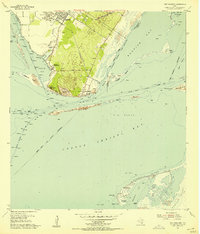 1954 Port Ingleside1956 Print · USGSThe Texas coast near Corpus Christi is captured here in the mid-1950s during a period of significant industrial and maritime expansion. Researchers can trace early energy infrastructure at the Tank Farm and follow the old Southern Pacific line near Ingleside.
 - 1954 Map of Woodsboro, 1956 Print
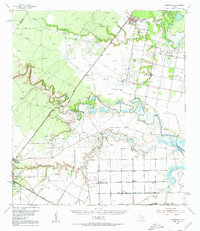 1954 Woodsboro1956 Print · USGSCoastal Texas in the mid-fifties reveals a landscape defined by the booming oil industry and traditional cotton farming. Researchers can trace the layout of Woodsboro and Sinton, or locate rural landmarks like St Bernard Cem, the Baldwin Cotton Gin, and Roche Ranch.
 - 1954 Map of Robstown, 1956 Print
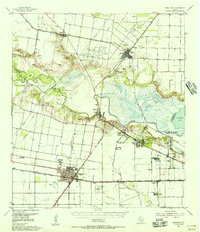 1954 Robstown1956 Print · USGSCoastal Texas in the mid-fifties comes alive through this detailed survey of the rail and petroleum corridor between Robstown and Odem. Genealogists and historians can trace family-named sites like Hudson Acres, old schools like Tuloso-Midway Sch, and the Moravian Community Hall.
 - 1954 Map of Mathis, 1956 Print
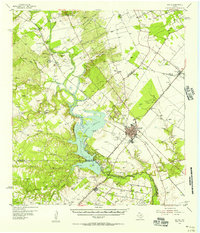 1954 Mathis1956 Print · USGSThe Mathis area in the mid-1950s shows a landscape defined by the Nueces River and an expanding petroleum industry. Researchers can trace family-named sites like Wade Ranch and the lost siding at Swinney Switch or locate the old Drive-in Theater.2 unique versions available
 - 1954 Map of Sinton, 1956 Print
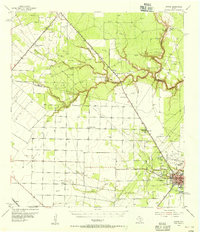 1954 Sinton1956 Print · USGSSan Patricio County at the height of the mid-century oil boom is centered on the rail junction at Sinton. You can trace energy and transport history through the Plymouth Oil Camp, Papalote Cem, and the Sinton Oil Field.2 unique versions available
 - 1954 Map of Aransas Pass, 1964 Print
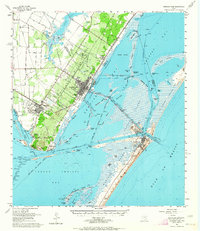 1954 Aransas Pass1964 Print · USGSThe Texas Gulf Coast comes alive in the mid-fifties, showing the growth of Aransas Pass and Port Aransas alongside vital rail and shipping corridors. Trace old routes like the Toll Road on Mustang Island and locate sites such as Prairie View Cem or the Coast Guard Station.2 unique versions available
 - 1956 Map of Corpus Christi
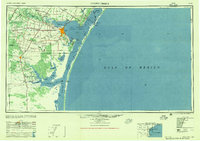 1956 Corpus Christi1956 Print · USGSThe South Texas coast and the burgeoning port of Corpus Christi are captured here during the mid-fifties. Genealogists and historians can trace the rail-and-oil economy through labels like Robstown Airpark, Chapman Ranch, and the Missouri Pacific railroad.
 - 1956 Map of Beeville
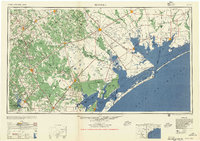 1956 Beeville1956 Print · USGSCoastal Texas and the brush country interior are shown in the mid-fifties, from the coastal bays to the inland oil fields. Trace the old rail lines of the Southern Pacific RR or locate the historic Matagorda Lighthouse and the Aransas National Wildlife Refuge.2 unique versions available
 - 1960 Map of Beeville
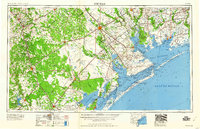 1960 Beeville1960 Print · USGSCoastal Texas in the mid-fifties reveals a landscape of growing towns and vital military outposts like Foster AFB. Researchers can trace old rail lines including the Missouri Pacific and explore the vast Aransas National Wildlife Refuge.
 - 1960 Map of Corpus Christi
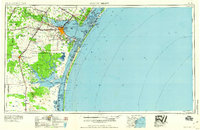 1960 Corpus Christi1960 Print · USGSCoastal South Texas and the Nueces County hinterlands are detailed in this mid-century survey. Genealogists and historians can trace early settlement patterns and rural landmarks like Casa Blanca during a period of steady regional growth.
 - 1966 Map of Corpus Christi
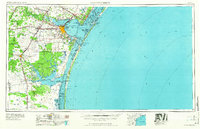 1966 Corpus Christi1966 Print · USGSThe Texas Coastal Bend in the mid-1960s reveals a landscape where massive cattle empires and strategic military bases meet the Gulf. Trace the vast reaches of King Ranch or locate aviation history at the Corpus Christi Air Station and Kingsville Air Station.
Showing maps 1-25 of 172
Top cities of San Patricio County
- Ingleside historical maps
- Sinton historical maps
- Mathis historical maps
- Taft historical maps
- Odem historical maps
- Gregory historical maps
See more
Frequently asked questions
- What are the different types of historical maps available for San Patricio County?
- What is the oldest map of San Patricio County?
- Where can I purchase historical maps of San Patricio County for my home or office?
- Where can I download high-res historical maps of San Patricio County?
- Are there historical topographic maps available for San Patricio County?
- Is there historical aerial imagery available for San Patricio County?
- Where are historical maps of San Patricio County sourced from?