Old Maps of Joplin, Virginia for Genealogy
Trace your family roots with 23 historic maps of Joplin. These high-res maps reveal old neighborhoods, homesites, landmarks, and streets — helping you uncover where your ancestors lived and how the area evolved over time.
- Explore historic neighborhoods: Identify where your relatives may have lived in the 1800s or 1900s.
- Compare maps over time: Trace the changes in streets, buildings, and landmarks for multi-generational research.
- Perfect for genealogy & ancestry research: Used by family historians and researchers to map out lineage and migration.
These maps are an incredible resource for exploring your personal connection to Joplin's past.
Joplin, VA maps
(23)- 1890 Map of Mt. Vernon
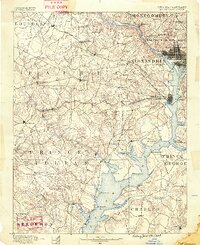 1890 Mt. Vernon1890 Print · USGSNorthern Virginia and the capital region appear here in the decade before the turn of the century, showing a landscape of river estates and rail-connected villages. Researchers can trace early property sites and historic river landings from Mt. Vernon to Occoquan and Falls Church.
 - 1891 Map of Mt. Vernon
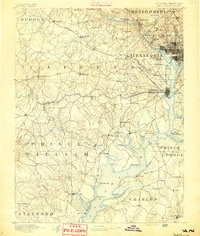 1891 Mt. Vernon1891 Print · USGSNorthern Virginia and the D.C. area appear here in the late nineteenth century, as the rail-and-river economy connected rural counties to the capital. Researchers can trace ancestral roots through dozens of local landmarks, including Arlington National Cemetery, the Fox Ferry, and historic towns like Occoquan and Vienna.
 - 1894 Map of Mt. Vernon, 1904 Print
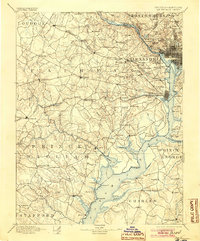 1894 Mt. Vernon1904 Print · USGSThe Potomac River valley south of the capital was still largely a landscape of crossroads and rail depots in the late nineteenth century. Genealogists can trace the rural reaches of Fairfax through landmarks like Arlington National Cemetery, Mt. Vernon, and Tyson Cross Roads.6 unique versions available
 - 1897 Map of Mt. Vernon
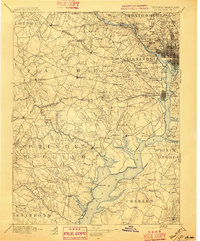 1897 Mt. Vernon1897 Print · USGSNorthern Virginia and the Potomac River appear in the late nineteenth century as a landscape of rural crossroads and strategic fortifications. Trace the early footprints of Vienna, Herndon, and Manassas along the path of the Southern R. R.2 unique versions available
 - 1927 Map of Quantico
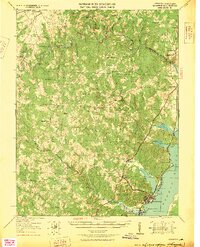 1927 Quantico1927 Print · USGSPrince William County and the Potomac riverfront appear here in the late twenties, captured just as military and transit corridors began to reshape the rural landscape. Researchers can trace the early foundations of the Marine Corps Reservation and locate vanished local landmarks like Minnieville Store and the Sinclairs Mill.
 - 1940 Map of Quantico
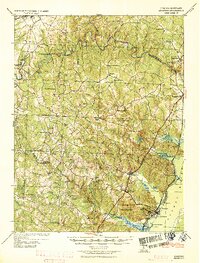 1940 Quantico1940 Print · USGSCoastal Virginia and Maryland are captured here during the late pre-war era, showing the growing military footprint around the Potomac. Genealogists can trace family names and landmarks like Sinclairs Mill, Bacon Race School, and the historic Dumfries settlement.2 unique versions available
 - 1943 Map of Quantico
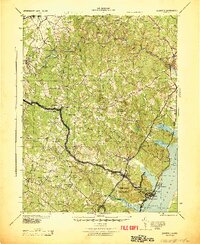 1943 Quantico1943 Print · USGSCoastal Northern Virginia in the mid-1940s reveals a region transitioning from a rural riverfront to a strategic military hub. Researchers can trace the early layout of the Marine Corps Reservation or locate family sites like Shacklet PO and Old Chopawamsic Ch.
 - 1948 Map of Washington
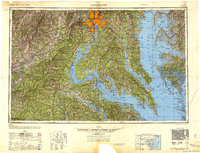 1948 Washington1948 Print · USGSThe Potomac and Chesapeake regions in the late 1940s reveal a landscape of expanding military reach and deep-rooted Tidewater settlements. Trace old rail corridors like the Richmond Fredericksburg & Potomac RR or locate landmarks like the Wakefield Washington Monument and St. Marys College.2 unique versions available
 - 1951 Map of Joplin, 1953 Print
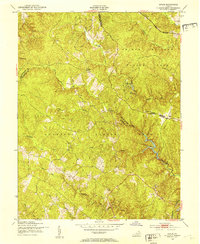 1951 Joplin1953 Print · USGSStafford and Prince William counties in the early fifties show a transition from rural crossroads to federal parkland and military use. Researchers can locate the small settlements of Joplin and Kopp, or trace family landmarks like Mt Zion Ch and Chestnut Br.
 - 1957 Map of Joplin, 1959 Print
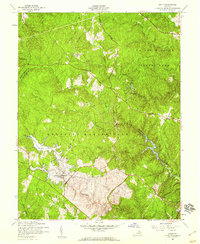 1957 Joplin1959 Print · USGSStafford and Prince William counties appear during the late fifties as a landscape of dense woods and military expansion. Genealogists and historians can locate the crossroads of Kopp and Joplin or trace the early development of Prince William Forest Park.
 - 1957 Map of Quantico, 1961 Print
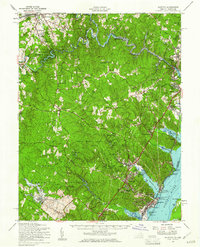 1957 Quantico1961 Print · USGSPrince William County in the late fifties shows the expansion of military and park lands along the Potomac. Trace the footprint of Quantico Marine Base and Prince William Forest Park, or locate landmarks like Lebeau Airport and Woodbine Ch.2 unique versions available
 - 1957 Map of Washington, 1966 Print
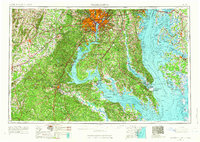 1957 Washington1966 Print · USGSThe mid-Atlantic region during the mid-fifties and early sixties reveals a landscape of growing suburbs and vital military outposts. Researchers can trace historic river towns and shorelines from Alexandria to the Hooper Islands and St Clements Island.5 unique versions available
 - 1961 Map of Washington
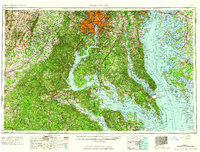 1961 Washington1961 Print · USGSThe mid-Atlantic region in the late fifties is presented in remarkable detail, from the Blue Ridge foothills to the Chesapeake Eastern Shore. Researchers can trace historic river landings and military sites like Mount Vernon, Fort Belvoir, and Point Lookout.2 unique versions available
 - 1966 Map of Joplin, 1968 Print
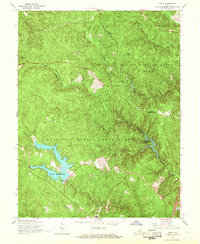 1966 Joplin1968 Print · USGSStafford and Prince William counties are shown in the mid-1960s as the regional landscape was split between military use and conservation. Genealogists and historians can trace old community sites like Joplin and Kopp alongside features like Lunga Reservoir.4 unique versions available
 - 1982 Map of Washington West, 1983 Print
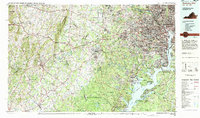 1982 Washington West1983 Print · USGSThe Virginia and Maryland suburbs were undergoing intense development in the early eighties as the capital region expanded outward. Researchers can trace the footprint of Cold War-era defense sites like Fort Belvoir and Vint Hill Farms Station alongside growing academic centers like George Mason University.
 - 1986 Map of Washington West
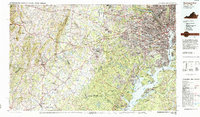 1986 Washington West1986 Print · USGSNorthern Virginia and the D.C. metro area are captured here in the mid-eighties as suburban growth began to meet rural Fauquier County. Trace the development of the corridor from Alexandria out to Dulles and the preserved lands of Prince William Forest Park.2 unique versions available
 - 1989 Map of Washington
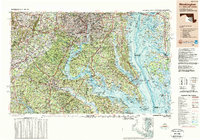 1989 Washington1989 Print · USGSThe Potomac River valley and Chesapeake Bay are shown in comprehensive detail during the late 1980s. Genealogists and historians can trace the transition from urban Alexandria to the rural Northern Neck, locating landmarks like Mount Vernon and Stratford Hall.
 - 1997 Map of Joplin, 2000 Print
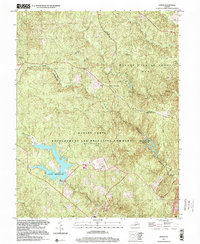 1997 Joplin2000 Print · USGSStafford and Prince William counties are shown here in the late nineties, featuring the expansive military grounds and protected forests south of D.C. Researchers can locate small settlements like Joplin or Kopp, and trace training sites such as Combat Village.
 - 2010 Map of Joplin, 2010 Print
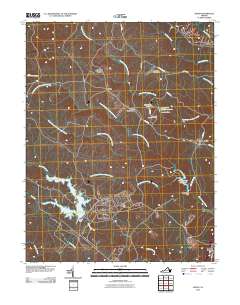 2010 Joplin2010 Print · USGSThe northern Virginia woodlands near the Potomac watershed are shown here in the years following the turn of the millennium. Researchers can trace the development of localized sites like Combat Village and Belfair Crossroads or locate the Happyland Camp Five Lake.
 - 2013 Map of Joplin, 2013 Print
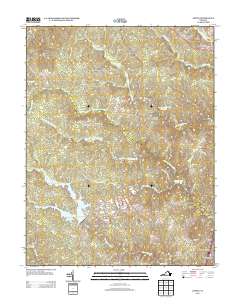 2013 Joplin2013 Print · USGSStafford County is shown in detail during the early 21st century as a hub of military training and residential growth. Genealogists and historians can trace the landscape of Quantico Marine Corps Base alongside settlements like Kopp and Joplin.
 - 2016 Map of Joplin, 2016 Print
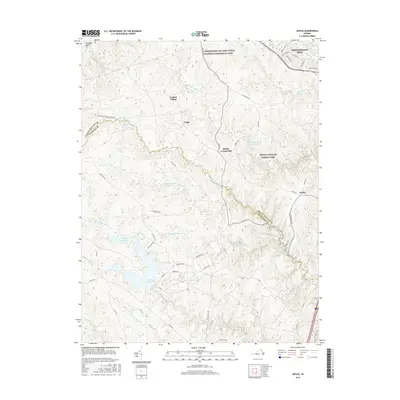 2016 Joplin2016 Print · USGSThe Prince William and Stafford County line comes into focus in this recent survey of the Quantico training grounds and forest parks. Researchers can trace the military landscape of Combat Village alongside civilian landmarks like Lunga Reservoir and Independent Hill.
 - 2019 Map of Joplin, 2019 Print
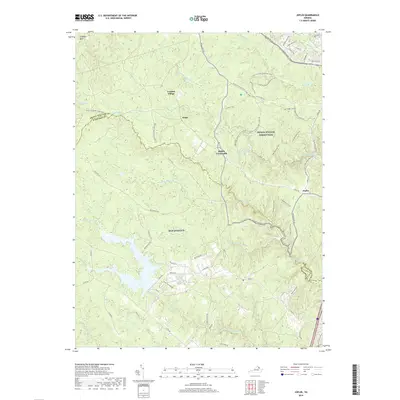 2019 Joplin2019 Print · USGSStafford and Prince William Counties are shown here during the late 2010s, where military training grounds meet protected forest. Trace old crossroads and settlements like Belfair Crossroads and Joplin alongside the modern trails of Prince William Forest Park.
 - 2022 Map of Joplin, 2022 Print
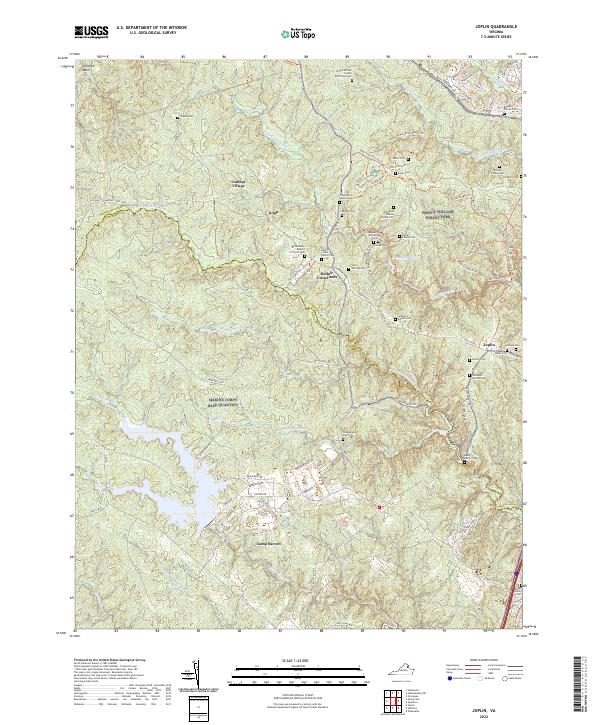 2022 Joplin2022 Print · USGSStafford and Prince William Counties are shown here as a landscape of federal forest and military training grounds in the modern era. Genealogists can trace numerous family burial grounds including the Russell Family Cem and Mawavi Battlefield Cem.
End of results
Showing maps 1-23 of 23
Top cities near Joplin
- Stafford historical maps
- Dale City historical maps
- Lake Ridge historical maps
- Woodbridge historical maps
- Manassas historical maps
- Linton Hall historical maps
See more
Frequently asked questions
- What are the different types of historical maps available for Joplin?
- What is the oldest map of Joplin?
- Where can I purchase historical maps of Joplin for my home or office?
- Where can I download high-res historical maps of Joplin?
- Are there historical topographic maps available for Joplin?
- Is there historical aerial imagery available for Joplin?
- Where are historical maps of Joplin sourced from?