Old Maps of Youngstown, West Virginia for Metal Detecting
Plan your next treasure hunt with 18 historic maps of Youngstown. Find old homesites, ghost towns, trails, and gathering spots that may be lost to time — perfect for identifying promising metal detecting locations.
- Locate forgotten sites: Uncover places like long-lost settlements, abandoned rail lines, or gathering spots.
- Plan better hunts: Use map overlays combined with LiDAR or satellite views to narrow in on historically rich areas.
- Made for detectorists: Thousands of hobbyists use these maps to discover relics, coins, and hidden history.
Use these historic maps to boost your research and find new opportunities beneath the surface of Youngstown.
Youngstown, WV maps
(18)- 1897 Map of Kanawha Falls
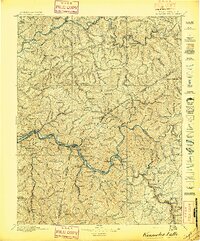 1897 Kanawha Falls1897 Print · USGSWest Virginia's river valleys and burgeoning industrial corridors are captured here in the late nineteenth century. You can trace the early rail networks and riverside settlements such as Montgomery, Clendenin, and the river engineering at Lock 2.
 - 1900 Map of Kanawha Falls
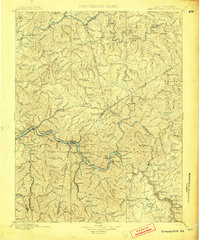 1900 Kanawha Falls1900 Print · USGSThe Kanawha and Elk rivers converge here at the turn of the century as the coal and rail industries were rapidly transforming the West Virginia landscape. Genealogists and historians can trace riverside settlements like Montgomery and Coalburg or follow the paths of the Chesapeake and Ohio RR and early river navigation at Lock 2.
 - 1901 Map of Kanawha Falls
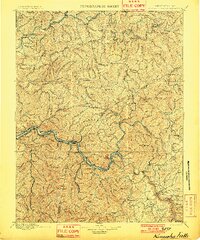 1901 Kanawha Falls1901 Print · USGSWest Virginia's coal and rail heartland is captured here at the end of the nineteenth century, as river navigation and railroads transformed the Kanawha Valley. Genealogists and historians can trace the early footprints of Montgomery, find family sites near Kanawha Falls, and locate landmarks like Hawks Nest or Powellton.3 unique versions available
 - 1908 Map of Fayetteville
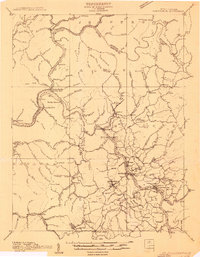 1908 Fayetteville1908 Print · USGSFayette County was at the heart of the coal and rail boom when this survey was conducted. Researchers can trace the early industrial footprint of the Chesapeake and Ohio Railroad through settlements like Ansted, Gauley Bridge, and Kanawha Falls.
 - 1910 Map of Fayetteville
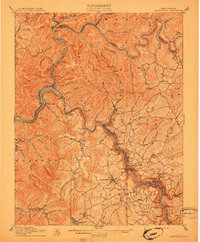 1910 Fayetteville1910 Print · USGSThe West Virginia coalfields were in full operation when this survey was conducted, showing the dense rail networks along the Gauley River. Local historians can trace family-named sites and industrial hamlets like Nuttallburg, Gauley Bridge, and Kaymoor.4 unique versions available
 - 1928 Map of Fayetteville, 1955 Print
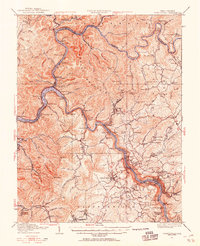 1928 Fayetteville1955 Print · USGSFayette County was a hub of river-and-rail activity in the late twenties as the coal industry matured. Genealogists and historians can locate old landmarks like Kanawha Falls, the Blue Hole Tunnel, and rural centers such as Ansted and Gauley Bridge.4 unique versions available
 - 1931 Map of Fayetteville
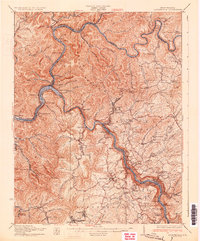 1931 Fayetteville1931 Print · USGSThe convergence of the New and Gauley rivers at the start of the 1930s reveals a bustling rail and coal corridor. Trace the path of the New York Central Railroad through mountain hamlets like Gauley Bridge, Nuttallburg, and South Caperton.3 unique versions available
 - 1954 Map of Charleston
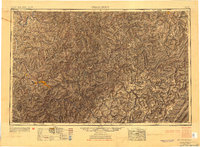 1954 Charleston1954 Print · USGSWest Virginia’s industrial heart and mountain highlands are captured here during the mid-fifties, centered on the capital city. Researchers can trace historic river-and-rail corridors along the Kanawha River and locate remote peaks within the Monongahela National Forest.
 - 1957 Map of Charleston, 1966 Print
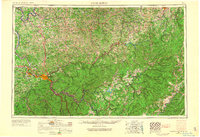 1957 Charleston1966 Print · USGSMid-century West Virginia unfolds along the industrial Kanawha River valley and into the high Allegheny Mountains. Genealogists and historians can trace the vital rail lines of the Chesapeake and Ohio and locate riverside settlements from Saint Albans to Buckhannon.3 unique versions available
 - 1958 Map of Charleston
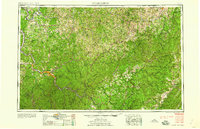 1958 Charleston1958 Print · USGSMid-century West Virginia is defined here by the industrial corridor of the Kanawha River and the high ridges of the Allegheny Mountains. Researchers can trace the rail networks of the New York Central or locate remote highland communities like Pickens and Hillsboro.
 - 1961 Map of Charleston
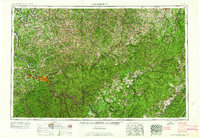 1961 Charleston1961 Print · USGSWest Virginia's capital region and the highlands to the east are shown in detail during the early sixties. Genealogists and historians can trace rail networks like the Baltimore and Ohio RR and find early state parks such as Watoga State Park.
 - 1969 Map of Beckwith, 1972 Print
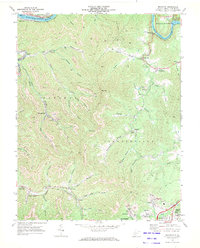 1969 Beckwith1972 Print · USGSFayette County was at its industrial peak in the late sixties, where coal mining and rail transport defined every valley. Genealogists and local historians can trace family-named sites and vanished industrial works from Beards Fork to the Harlem Heights Drive-in Theater and Lochgelly.2 unique versions available
 - 1984 Map of Charleston
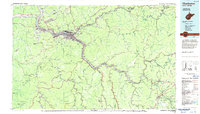 1984 Charleston1984 Print · USGSWest Virginia's capital and the industrial Kanawha Valley are shown here in the mid-eighties as modern interstates began to reshape the region. Local researchers can locate family-named landmarks like Reamer (Sybial PO) and institutional anchors like West Virginia State College.2 unique versions available
 - 2011 Map of Beckwith, 2011 Print
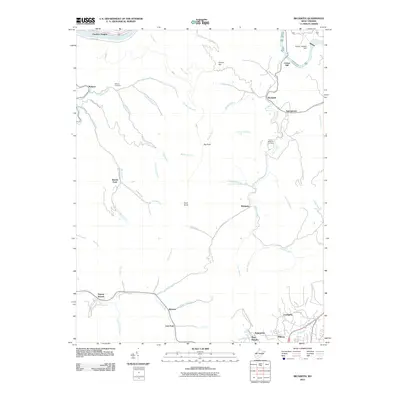 2011 Beckwith2011 Print · USGSFayette County coal and rail communities are captured here in the early twenty-first century, showcasing the tight relationship between the terrain and local settlement. Genealogists and historians can trace the Norfolk and Western Railway line connecting Lochgelly, Summerlee, and Beards Fork.
 - 2014 Map of Beckwith, 2014 Print
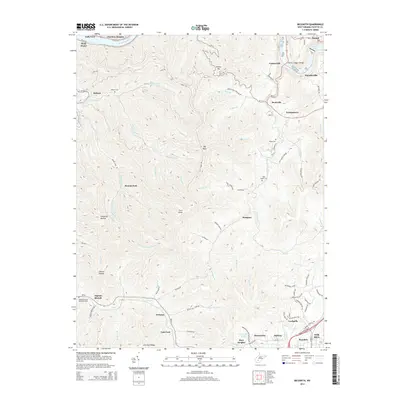 2014 Beckwith2014 Print · USGSThe West Virginia coal and river country near Fayetteville is documented here in the early twenty-first century. Researchers can trace family history at John Nugen Cemetery or follow the rail lines through Cokeoven Hollow and Ingram Branch.
 - 2016 Map of Beckwith, 2016 Print
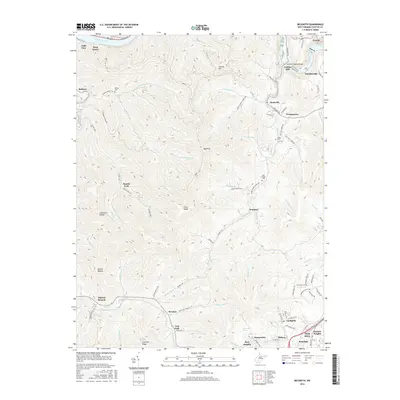 2016 Beckwith2016 Print · USGSFayette County communities like Oak Hill and Ansted are shown in detail during the mid-2010s. Genealogists and local historians can trace family sites like Robson Cem or follow the historic Midland Trl through Beckwith.
 - 2019 Map of Beckwith, 2019 Print
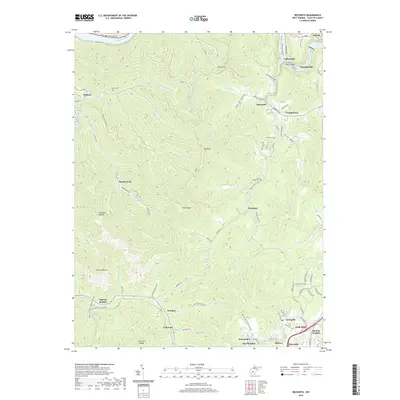 2019 Beckwith2019 Print · USGSThe West Virginia coal plateau and New River Gorge foothills are shown in this modern survey. Genealogists and local historians can trace the foundations of coal-field life through Oak Hill, Summerlee, and the John Nugen Cem.
 - 2023 Map of Beckwith, 2023 Print
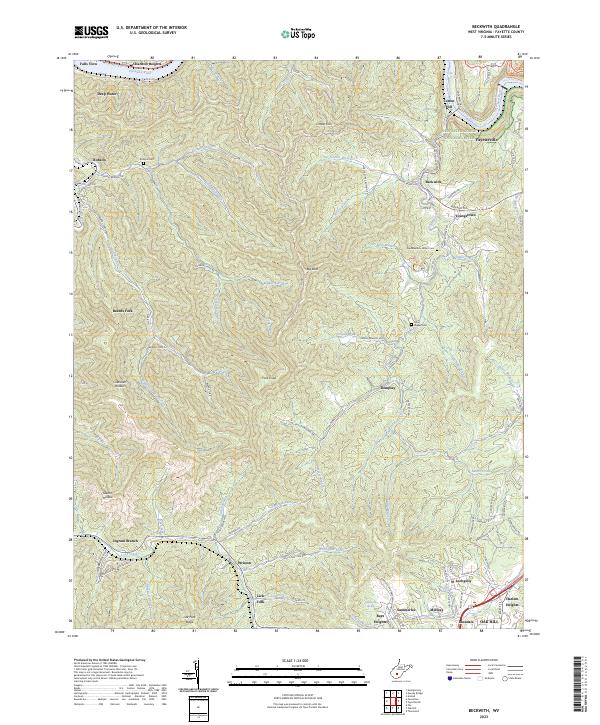 2023 Beckwith2023 Print · USGSFayette County's coal and rail corridor comes into focus here during the early twenty-first century. Genealogists and historians can trace family roots through the Robson Cem and John Nugen Cem or locate former industrial sites at Cokeoven Hollow and Beards Fork.
End of results
Showing maps 1-18 of 18
Top cities near Youngstown
- Oak Hill historical maps
- Fayetteville historical maps
- Montgomery historical maps
- Ansted historical maps
- Mount Hope historical maps
- Gauley Bridge historical maps
See more
Frequently asked questions
- What are the different types of historical maps available for Youngstown?
- What is the oldest map of Youngstown?
- Where can I purchase historical maps of Youngstown for my home or office?
- Where can I download high-res historical maps of Youngstown?
- Are there historical topographic maps available for Youngstown?
- Is there historical aerial imagery available for Youngstown?
- Where are historical maps of Youngstown sourced from?