Old Maps of Harding, West Virginia for Metal Detecting
Plan your next treasure hunt with 12 historic maps of Harding. Find old homesites, ghost towns, trails, and gathering spots that may be lost to time — perfect for identifying promising metal detecting locations.
- Locate forgotten sites: Uncover places like long-lost settlements, abandoned rail lines, or gathering spots.
- Plan better hunts: Use map overlays combined with LiDAR or satellite views to narrow in on historically rich areas.
- Made for detectorists: Thousands of hobbyists use these maps to discover relics, coins, and hidden history.
Use these historic maps to boost your research and find new opportunities beneath the surface of Harding.
Harding, WV maps
(12)- 1889 Map of Beverly
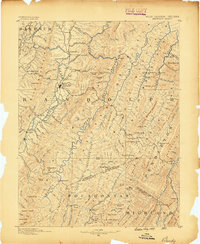 1889 Beverly1889 Print · USGSThe high Allegheny ridges and river forks of West Virginia are mapped here in the late 1880s, highlighting the rugged settlement patterns of Randolph and Pocahontas counties. Researchers can trace early family-named locations such as Days Mills, locate the Boundary Line In Dispute, and find remote outposts like Traveller's Repose.
 - 1892 Map of Beverly
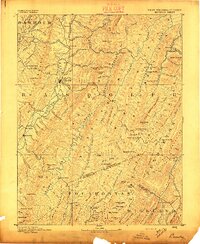 1892 Beverly1892 Print · USGSCentral West Virginia's high-mountain settlements and disputed county lines are captured here in the late nineteenth century. Genealogists and historians can trace family locations and early industry near Beverly, Huttonsville, and the remote Days Mills.5 unique versions available
 - 1909 Map of Elkins
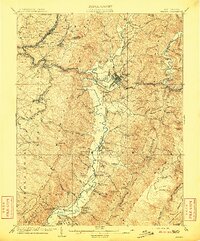 1909 Elkins1909 Print · USGSRandolph County's river valleys and mountain ridges are captured here during the peak of the regional railroad and timber era. Genealogists can trace family roots through numerous named schools and churches, from Trinity Church to the Goff School, while following the paths of the Coal and Coke Ry and Staunton and Parkersburg Pike.4 unique versions available
 - 1949 Map of Charlottesville
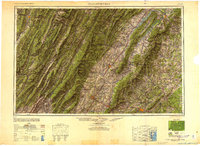 1949 Charlottesville1949 Print · USGSThe Shenandoah Valley and Blue Ridge appear in the late 1940s as a thriving corridor of rail and river commerce. Researchers can trace the mid-century footprints of Harrisonburg, Staunton, and Culpeper alongside the historic routes of the Southern Railway.2 unique versions available
 - 1956 Map of Charlottesville, 1966 Print
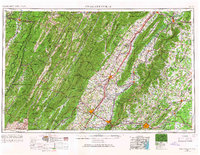 1956 Charlottesville1966 Print · USGSThe Shenandoah Valley and Blue Ridge are captured in detail during the mid-1960s as the modern interstate system began to emerge. Genealogists and historians can trace rail-connected hubs like Waynesboro or follow the river paths of the Rapidan River and Rivanna River.4 unique versions available
 - 1969 Map of Junior, 1971 Print
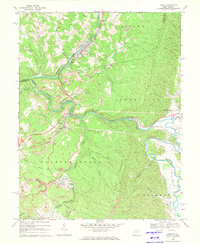 1969 Junior1971 Print · USGSThe coalfields of Barbour and Randolph counties are revealed here in the late sixties as the rail-and-river economy hummed along the Tygart Valley River. Researchers can trace local lineage through Mountain View Cem and old settlements like Coalton, Dartmoor, and Harding.3 unique versions available
 - 1981 Map of Elkins, 1983 Print
 1981 Elkins1983 Print · USGSThe West Virginia mountains in the early eighties were a hub of rail-based industry and emerging conservation lands. Genealogists and historians can trace the paths of the Western Maryland RR through Elkins and locate small upland communities like Harpertown, Bowden, and Wymer.
 - 2010 Map of Junior, 2010 Print
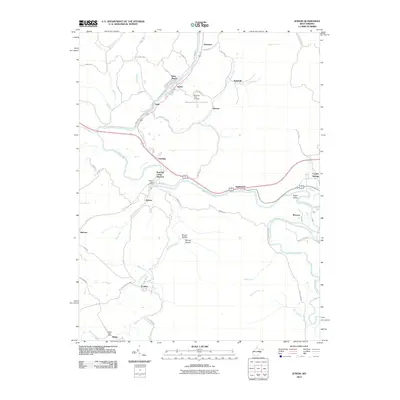 2010 Junior2010 Print · USGSThe Tygart Valley at the start of the millennium was a network of close-knit river towns and mountain hollows. Researchers can locate specific community centers like the Norton Post Office and trace the paths of Roaring Creek Junction and Crystal Springs.
 - 2014 Map of Junior, 2014 Print
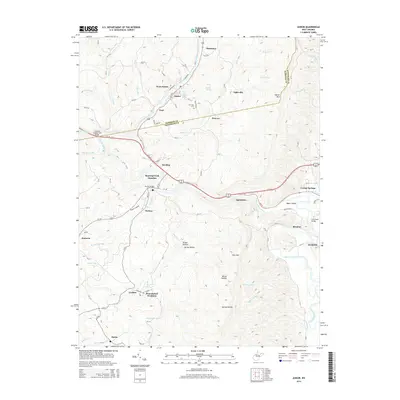 2014 Junior2014 Print · USGSThe Tygart Valley at the Randolph and Barbour county line comes into focus in this contemporary survey of West Virginia's mountain communities. Researchers can trace the layout of small settlements like Coalton, Junior, and Norton alongside the Mtn View Cem.
 - 2016 Map of Junior, 2016 Print
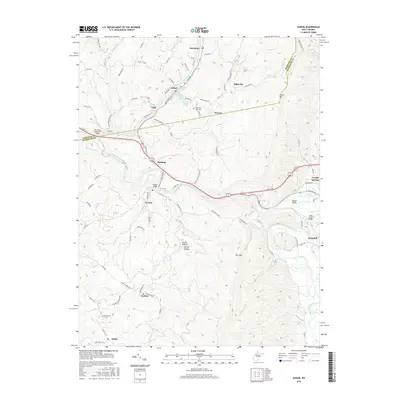 2016 Junior2016 Print · USGSThe Tygart Valley at the turn of the 21st century remains defined by its winding river and the steep ridgelines of the Appalachians. Genealogists and local historians can trace family locations near Mountain View Cem, the Norton Bridge, and the community of Coalton.
 - 2019 Map of Junior, 2019 Print
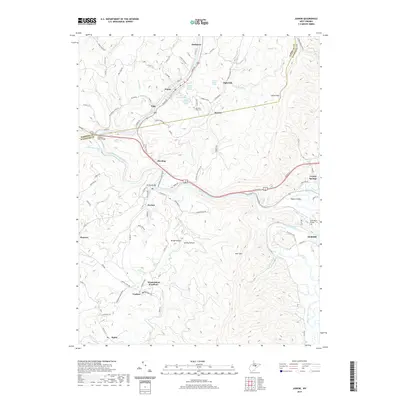 2019 Junior2019 Print · USGSThe Tygart Valley at the turn of the 21st century reveals a landscape shaped by coal-country history along the river's winding path. Researchers can trace family ties through Womelsdorf (Coalton), Mountain View Cem, and the river crossing at Norton Bridge.
 - 2023 Map of Junior, 2023 Print
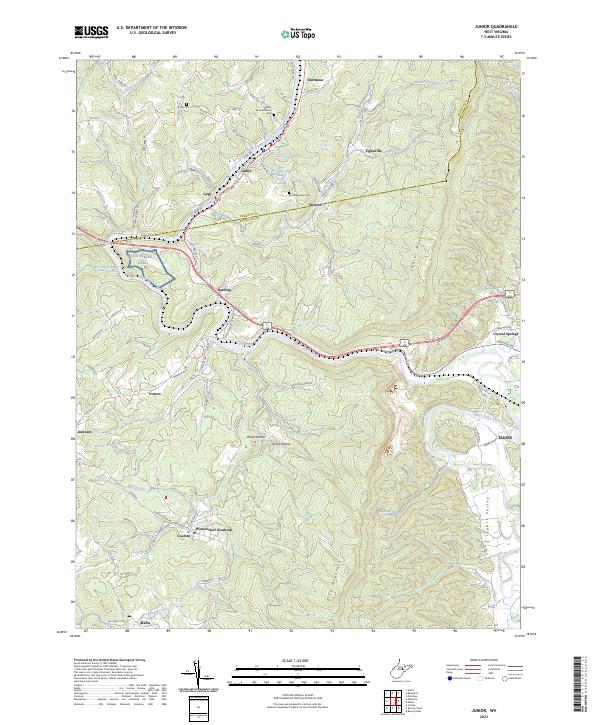 2023 Junior2023 Print · USGSThe Tygart Valley River corridor near the Barbour and Randolph county line is captured in this recent survey. Local historians can trace family roots at Valley River Brethren Cem and explore the dual-named settlement of Womelsdorf (Coalton).
End of results
Showing maps 1-12 of 12
Top cities near Harding
- Elkins historical maps
- Philippi historical maps
- Beverly historical maps
- Mill Creek historical maps
- Valley Bend historical maps
- East Dailey historical maps
See more
Frequently asked questions
- What are the different types of historical maps available for Harding?
- What is the oldest map of Harding?
- Where can I purchase historical maps of Harding for my home or office?
- Where can I download high-res historical maps of Harding?
- Are there historical topographic maps available for Harding?
- Is there historical aerial imagery available for Harding?
- Where are historical maps of Harding sourced from?