Old Maps of White River, Wisconsin for Academic Research
Study the evolution of White River with 43 high-resolution historic maps. Whether you're teaching, researching, or modeling changes in land use, these maps provide essential visual documentation of urban, environmental, and geographic change.
- Analyze long-term change: Track patterns in development, transportation, and natural features.
- Ideal for environmental or urban studies: Support academic projects with primary historical map data.
- Use in the classroom or lab: Educators and researchers rely on these maps to bring historical context to life.
These maps are a powerful tool for teaching, research, and visualizing how White River has changed over the decades.
White River, WI maps
(43)- 1942 Map of Ashland
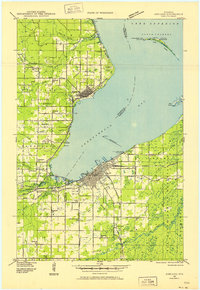 1942 Ashland1942 Print · USGSThe South Shore of Lake Superior comes alive in the early 1940s, showing the bustling rail hubs and maritime ports of Chequamegon Bay. Genealogists and historians can trace local family roots through sites like Northland College, St Agnes Cem, and Ondassagon Sch.
 - 1942 Map of Mellen, 1959 Print
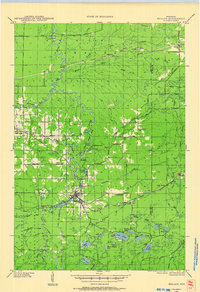 1942 Mellen1959 Print · USGSAshland County and the Iron County border come alive in the early 1940s as a landscape of timber, iron rails, and deep Northwoods lakes. Researchers can trace the path of the Minneapolis St Paul and Sault Ste Marie railroad or locate family sites like Sedgwick and the St Johns Cem.
 - 1942 Map of Marengo, 1964 Print
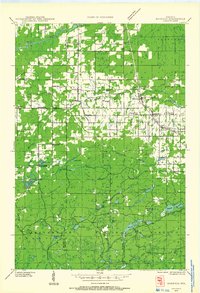 1942 Marengo1964 Print · USGSNorthern Wisconsin's timber and rail landscape is captured here in the early 1940s, showing the intersection of federal forest land and tribal territory. Genealogists can locate specific rural schools like Maple Ridge Sch and communities like Sanborn or North York.
 - 1945 Map of Marengo
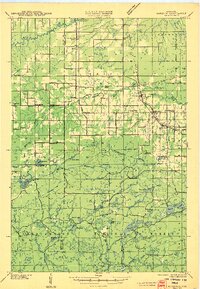 1945 Marengo1945 Print · USGSAshland County and the Chequamegon National Forest are captured here in the mid-1940s, showing a landscape shaped by timber and rail. Researchers can locate rural landmarks like Ebenezer Ch and vanished local schools including Agnew Sch and Section Five Sch.2 unique versions available
 - 1945 Map of Mellen, 1950 Print
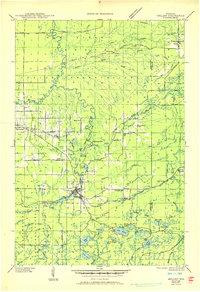 1945 Mellen1950 Print · USGSAshland and Iron Counties come alive in the mid-1940s, showing a rugged landscape of iron-range railways and remote forest schools. Genealogists can trace family landmarks like Coria Sch, St Johns Sch, and the rail junction at Mellen.
 - 1947 Map of Ashland
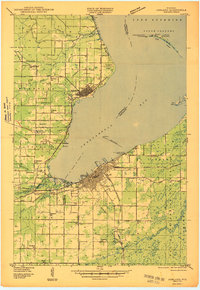 1947 Ashland1947 Print · USGSCoastal Wisconsin thrived on the shores of Lake Superior in the late 1940s, balancing industrial power with small-town education. Genealogists can trace family roots through numerous country schools like Olson Sch and local sites like St Agnes Cem.
 - 1953 Map of Ashland, 1964 Print
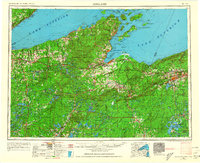 1953 Ashland1964 Print · USGSNorthern Wisconsin's lakefront and timberlands are seen here in the mid-1950s, showing the intersection of industrial rail lines and vast wilderness. Genealogists and historians can trace the Soo Line through rail towns like Mellen or locate family roots in the Apostle Islands and Bad River Indian Reservation.3 unique versions available
 - 1958 Map of Ashland
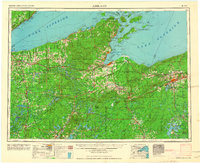 1958 Ashland1958 Print · USGSCoastal Wisconsin and the Michigan borderlands meet here in the late fifties, dominated by the timbered expanses and iron-rich ranges. Genealogists can trace family footprints in settlements like Odanah and Montreal, or locate landmarks such as the Coast Guard Station and Agricultural Experiment Station.
 - 1964 Map of Ashland West, 1965 Print
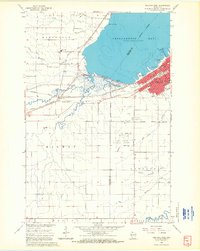 1964 Ashland West1965 Print · USGSThe Lake Superior shoreline at the mid-century shows the city of Ashland as a vital rail and educational center. Researchers can trace the legacy of the Chicago and North Western lines, local schools like Ondassagon Sch, and the grounds of the University of Wisconsin Experiment Station.4 unique versions available
 - 1964 Map of Ashland East, 1965 Print
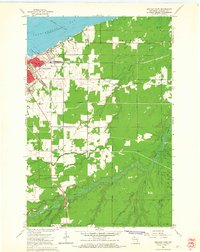 1964 Ashland East1965 Print · USGSAshland and its lakefront surroundings are captured in the mid-1960s as the city expanded toward the Bad River Indian Reservation. Researchers can trace the mid-century campuses of Northland College and the County Teachers College or locate the old Drive-in Theater.2 unique versions available
 - 1964 Map of Ashland, 1965 Print
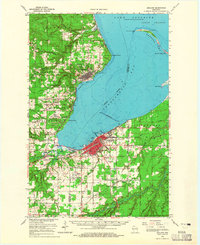 1964 Ashland1965 Print · USGSChequamegon Bay was a bustling hub of maritime and rail transport in the mid-sixties. Researchers can trace the extensive rail lines at Ashland Junction, find local heritage sites like Northland College, and locate family names at St Agnes Cem.2 unique versions available
 - 1967 Map of Marengo, 1969 Print
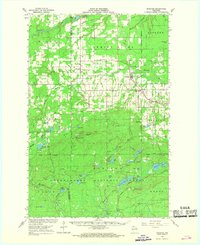 1967 Marengo1969 Print · USGSAshland and Bayfield counties are shown in the late sixties, a landscape of northwoods settlements and the Chequamegon National Forest. Genealogists and hikers can locate Sanborn Cemetery, the Finnish Church, and the scenic Morgan Falls.2 unique versions available
 - 1967 Map of Mellen, 1969 Print
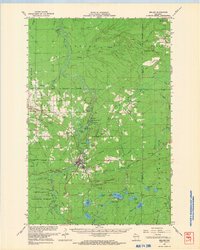 1967 Mellen1969 Print · USGSThe Mellen area in the late sixties reveals a landscape of deep-woods industry and northern rail towns. Genealogists and historians can trace the Soo Line through High Bridge or locate the Berkshire Mine Ruins and St Johns Cem.
 - 1980 Map of Ironwood
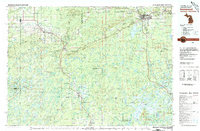 1980 Ironwood1980 Print · USGSThe Michigan-Wisconsin borderlands appear in the late twentieth century as a landscape defined by iron mining and deep forests. Researchers can trace the rail-and-river economy through the Soo Line and Chicago and North Western tracks connecting Mellen, Glidden, and Hurley.
 - 1984 Map of Sanborn
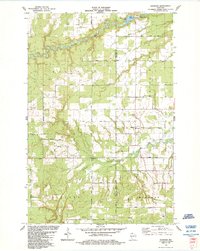 1984 Sanborn1984 Print · USGSThe rural landscape of Ashland and Bayfield Counties in the mid-1980s reveals a quiet network of north woods settlements and timber history. Genealogists and local historians can trace family landmarks like Moe Cem and Moland Ch or follow the Old Railroad Grade through Sanborn.
 - 1984 Map of Marengo
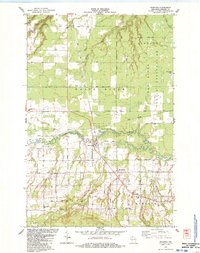 1984 Marengo1984 Print · USGSNorthern Wisconsin's rural landscape is captured here in the mid-1980s, centered on the confluence of the Marengo River. Researchers can locate family landmarks like Maple Grove Cem, St Pauls Ch, and the old Marengo Valley Sch.
 - 1984 Map of High Bridge
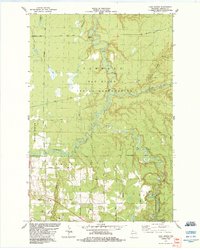 1984 High Bridge1984 Print · USGSAshland County in the mid-1980s reveals a landscape where the river and rail economy shaped the rural township of Morse. Local researchers can find the Soo Line junction at High Bridge, trace family-named roads like Kleinsteiber Road, and locate the old Cem.
 - 1989 Map of Ashland
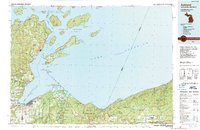 1989 Ashland1989 Print · USGSCoastal Wisconsin and Michigan at the end of the 1980s show a landscape of deep-water bays, island preserves, and industrial timber towns. Researchers can trace the rail lines of the Soo Line and identify landmarks from Big Bay State Park to the Bad River Indian Reservation.
 - 2010 Map of Marengo, 2010 Print
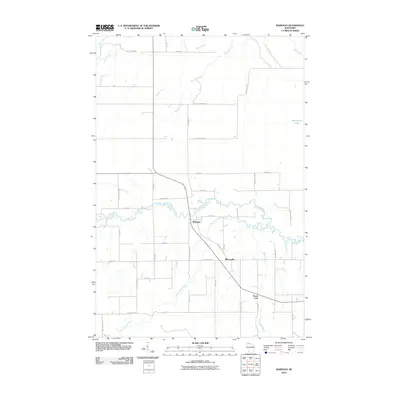 2010 Marengo2010 Print · USGSAshland County's rural townships and river valleys are captured here in the decade before the modern era. Genealogists can trace family connections along Jolma Rd and Riemer Rd, or locate historical sites near Marengo and Minersville.
 - 2010 Map of Ashland East, 2010 Print
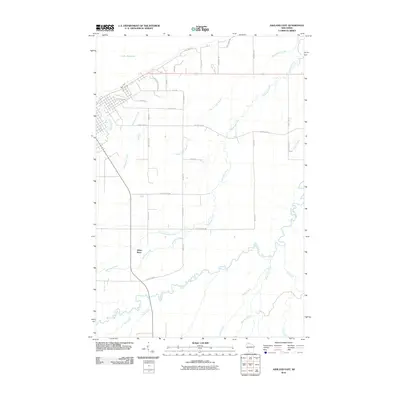 2010 Ashland East2010 Print · USGSThe eastern shores of Chequamegon Bay meet the rural hinterlands of Wisconsin during the early twenty-first century. Researchers can trace the meandering White River and its many tributaries, alongside local landmarks like Wood Creek Slough and Lake Superior.
 - 2010 Map of Sanborn, 2010 Print
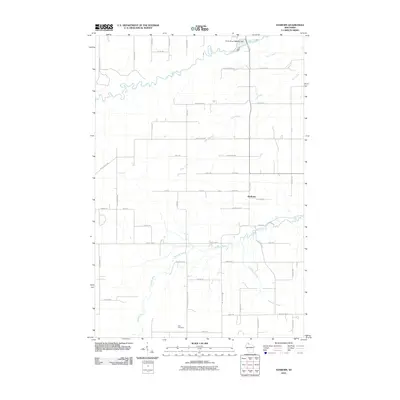 2010 Sanborn2010 Print · USGSNorthern Wisconsin's rural landscape is captured here at the start of the decade, centered on the community of Sanborn. Researchers can trace local family history through the road network and locate landmarks like Moe Cemetery and the White River 1893C99 Dam.
 - 2010 Map of Ashland West, 2010 Print
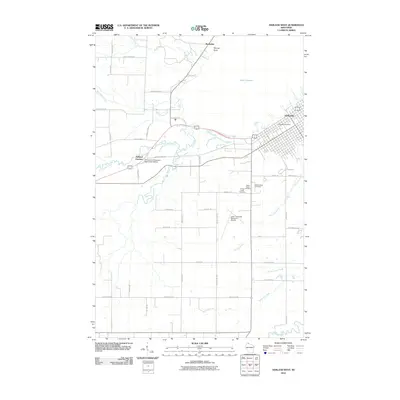 2010 Ashland West2010 Print · USGSCoastal Wisconsin where the forest meets the bay, this survey captures the western expansion of the city during the early 2000s. Researchers can trace family sites at Mount Hope Cemetery or locate regional infrastructure like the John F Kennedy Memorial Airport and Ashland Junction.
 - 2010 Map of High Bridge, 2010 Print
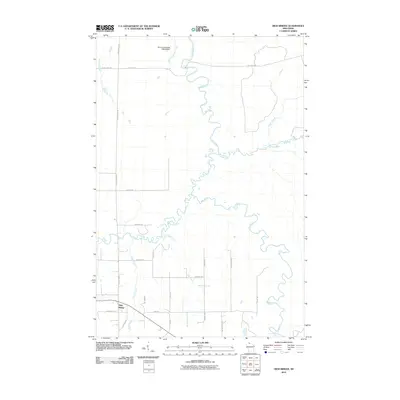 2010 High Bridge2010 Print · USGSNorth of Mellen in the early twenty-first century, this area of Ashland County is defined by the winding Bad River and its many tributaries. Researchers can trace rural family routes along County Hwy C and locate landmarks like High Bridge and Brownstone Falls.
 - 2013 Map of Ashland West, 2013 Print
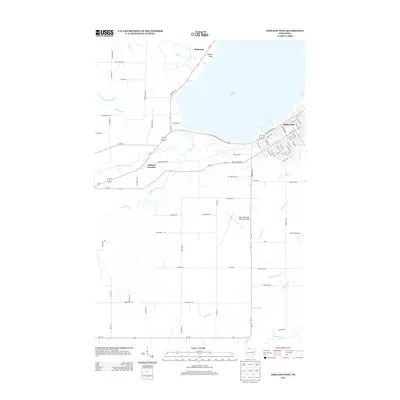 2013 Ashland West2013 Print · USGSThe south shore of Lake Superior comes into focus in this early twenty-first-century survey of the Chequamegon Bay area. Local historians can trace the development of the Ashland city grid and rural junctions like Barksdale and Ashland Junction near the banks of Fish Creek.
 - 2013 Map of Ashland East, 2013 Print
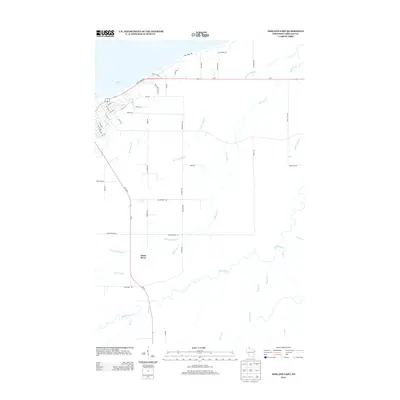 2013 Ashland East2013 Print · USGSThe eastern shores of Ashland meet the waters of Chequamegon Bay during the early twenty-first century. Local historians can trace the paths of Bay City Cr and Bishigokwe Cr as they flow toward Lake Superior past old routes like Toll Rd.
Showing maps 1-25 of 43
Top cities near White River
- Ashland historical maps
- Washburn historical maps
- Sanborn historical maps
- White River historical maps
- Mellen historical maps
- New Odanah historical maps
See more
Top neighborhoods of White River
Frequently asked questions
- What are the different types of historical maps available for White River?
- What is the oldest map of White River?
- Where can I purchase historical maps of White River for my home or office?
- Where can I download high-res historical maps of White River?
- Are there historical topographic maps available for White River?
- Is there historical aerial imagery available for White River?
- Where are historical maps of White River sourced from?