Old Maps of Estella, Wisconsin for Genealogy
Trace your family roots with 28 historic maps of Estella. These high-res maps reveal old neighborhoods, homesites, landmarks, and streets — helping you uncover where your ancestors lived and how the area evolved over time.
- Explore historic neighborhoods: Identify where your relatives may have lived in the 1800s or 1900s.
- Compare maps over time: Trace the changes in streets, buildings, and landmarks for multi-generational research.
- Perfect for genealogy & ancestry research: Used by family historians and researchers to map out lineage and migration.
These maps are an incredible resource for exploring your personal connection to Estella's past.
Estella, WI maps
(28)- 1951 Map of Cornell, 1953 Print
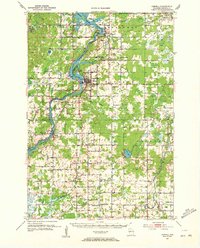 1951 Cornell1953 Print · USGSCentral Chippewa County in the early fifties shows a landscape of river-driven industry and rural community life. Genealogists can trace family roots at Bohemia Cem or St Joseph Cem, and locate numerous schools like Firth Sch (Aband).
 - 1953 Map of Rice Lake, 1967 Print
 1953 Rice Lake1967 Print · USGSNorthwest Wisconsin during the mid-fifties reveals a landscape defined by timber, rail, and water. Genealogists and historians can trace the development of river towns like Ladysmith and Rice Lake along the Soo Line and Chicago and North Western railroads.2 unique versions available
 - 1959 Map of Rice Lake
 1959 Rice Lake1959 Print · USGSNorthwest Wisconsin in the late fifties was a land of expanding road networks and deep-seated timber history. Genealogists and historians can trace rail lines like the Soo Line RR and Chicago St Paul Minneapolis and Omaha Ry as they link settlements from Spooner to Medford.
 - 1973 Map of Colburn, 1976 Print
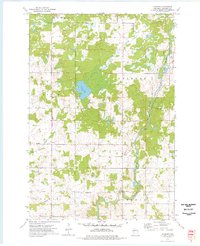 1973 Colburn1976 Print · USGSChippewa County is captured here in the early seventies, showing a landscape defined by the winding Yellow River and the township boundaries of Estella and Delmar. Researchers can locate the small settlement of Colburn and trace family roots at the Walker-Jackson Cem near the riverbanks.
 - 1973 Map of Holcombe, 1976 Print
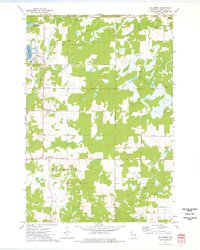 1973 Holcombe1976 Print · USGSThe Holcombe area and the eastern Chippewa River valley are captured here in the early 1970s. Researchers can trace family sites at Estella Cem, follow the Old Railroad Grade, or locate landmarks like the Martle Ch.
 - 1973 Map of Cornell, 1977 Print
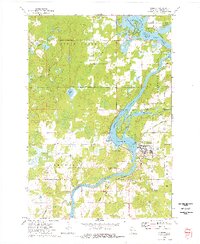 1973 Cornell1977 Print · USGSIn the early seventies, the Chippewa River valley centered around Cornell as a hub of industry and recreation. Local researchers can trace the Chicago and North Western rail line and explore the islands of Brunet Island State Park or the shores of Lake Holcombe.
 - 1973 Map of Crescent, 1977 Print
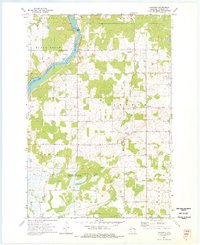 1973 Crescent1977 Print · USGSChippewa County in the early seventies remains defined by its winding river valleys and rural crossroads settlements. Researchers can trace the heritage of small communities through landmarks like the Bohemian Cem, Cobban, and the Big Drywood Ch.
 - 1980 Map of Bloomer
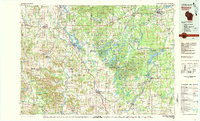 1980 Bloomer1980 Print · USGSNorthwestern Wisconsin at the start of the eighties shows a landscape deeply connected to its rivers and rail lines. Genealogists and historians can trace the growth of Bloomer, Ladysmith, and Chetek or locate local landmarks like Brunet Island State Park and the Soo Line rail corridors.
 - 2010 Map of Cornell, 2010 Print
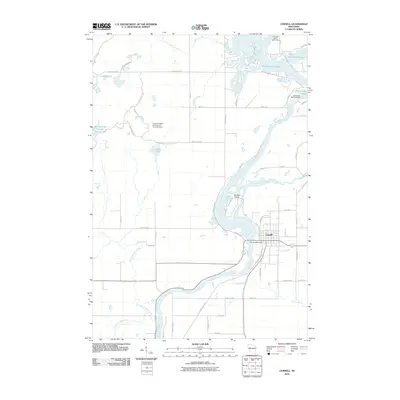 2010 Cornell2010 Print · USGSWisconsin's river-driven landscape is on display in this Chippewa County survey at the start of the 2010s. Researchers can trace the development of Cornell and identify local landmarks like the Cornell 2WP7 Dam and the shoreline of Brunet Island.
 - 2010 Map of Colburn, 2010 Print
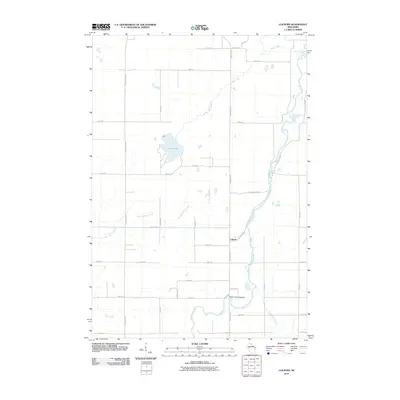 2010 Colburn2010 Print · USGSChippewa County agriculture and the winding Yellow River define this rural landscape in the early twenty-first century. Genealogists and local historians can locate the Walker-Jackson Cemetery and trace the paths of Pike Creek and Big Drywood Creek.
 - 2010 Map of Crescent, 2010 Print
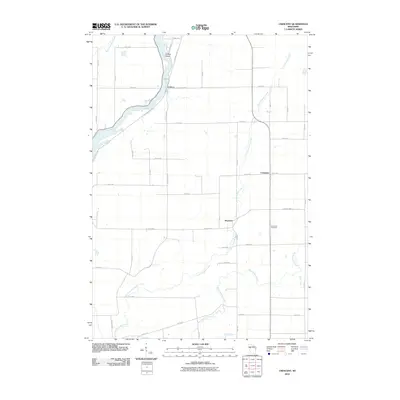 2010 Crescent2010 Print · USGSChippewa County is shown here in the early twenty-first century, centered on the river valleys and rural crossroads of Eagle Point. Genealogists and local historians can trace family land near the Bohemian Cemetery or follow the river from Cobban to Willow Island.
 - 2010 Map of Holcombe, 2010 Print
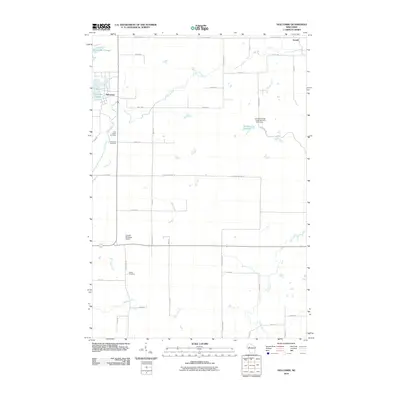 2010 Holcombe2010 Print · USGSUpper Chippewa County in the early twenty-first century is defined by its expansive waterways and rural townships. Genealogists and researchers can locate Saint Joseph Cemetery, trace the banks of Holcombe Flowage, and find the small settlement of Arnold.
 - 2013 Map of Cornell, 2013 Print
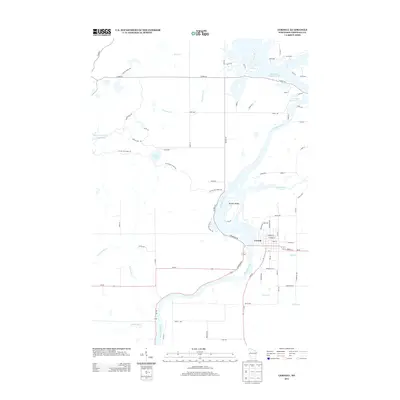 2013 Cornell2013 Print · USGSThe riverfront town of Cornell is depicted in the early twenty-first century as it sits nestled between the Chippewa River and the massive Holcombe Flowage 4700. Researchers can trace the path of the Ice Age Natl Scenic Trl past Firth Lake and explore the unique geography of Brunet Island.
 - 2013 Map of Holcombe, 2013 Print
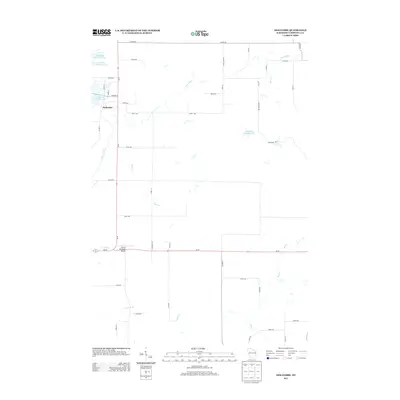 2013 Holcombe2013 Print · USGSUpper Chippewa County appears here in the early 2010s, centered on the waterfront community of Holcombe. Researchers can trace local landmarks like the Cornell Municipal Airport and follow the intricate paths of the Fisher River and Hay Cr.
 - 2013 Map of Crescent, 2013 Print
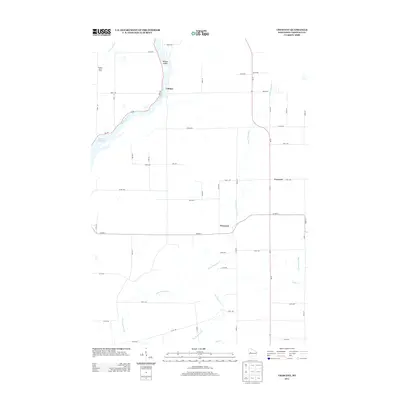 2013 Crescent2013 Print · USGSChippewa County is documented here in the early twenty-first century as the landscape shifts from the Chippewa River banks to inland farming communities. Researchers can trace rural property patterns and local landmarks from Cobban to the namesake settlement of Crescent.
 - 2013 Map of Colburn, 2013 Print
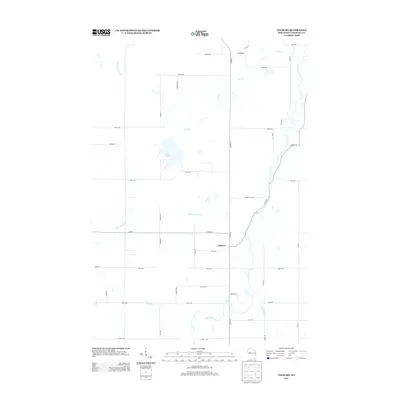 2013 Colburn2013 Print · USGSChippewa County is captured here in the early twenty-first century, showing a landscape defined by the winding Yellow River and rural farmsteads. Local historians can trace the drainage of Big Drywood Cr and locate family landmarks like Pike Lake or Quimet Hills Rd.
 - 2015 Map of Crescent, 2015 Print
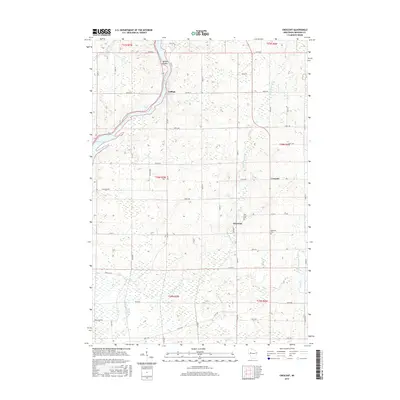 2015 Crescent2015 Print · USGSChippewa County in the mid-2010s remains a landscape of river-fed valleys and quiet rural crossroads. Researchers can trace family ties at the Bohemian Cem or locate old homestead sites near Cobban, Drywood, and the Chippewa River.
 - 2015 Map of Holcombe, 2015 Print
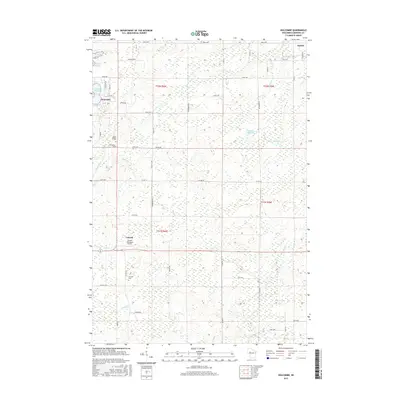 2015 Holcombe2015 Print · USGSChippewa County settlements and waterways are captured here during the mid-2010s, showing the intersection of rural life and the Fisher River. Family researchers can pinpoint Saint Joseph Cem or Estella Cem and trace roads like Rufledt Rd near Cornell.
 - 2015 Map of Colburn, 2015 Print
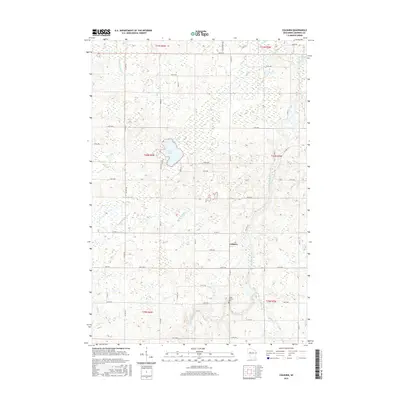 2015 Colburn2015 Print · USGSIn the mid-2010s, this area of Chippewa County remained a landscape of rural roads and meandering river valleys. Researchers can locate family landmarks like the Walker-Jackson Cem or trace the drainage of the Yellow River and Pike Lake.
 - 2015 Map of Cornell, 2015 Print
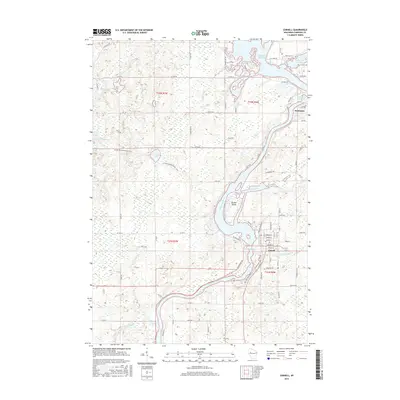 2015 Cornell2015 Print · USGSChippewa County river life and glacial terrain are captured here in the mid-2010s, centered on the dammed waters of the Chippewa River. Researchers can trace the path of the Ice Age National Scenic Trail or locate property boundaries near Brunet Island and the Holcombe settlement.
 - 2018 Map of Crescent, 2018 Print
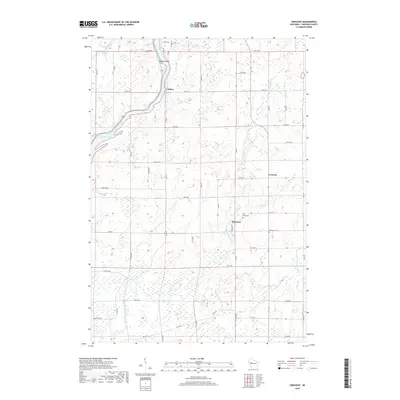 2018 Crescent2018 Print · USGSChippewa County is shown in the late 2010s, where the winding Chippewa River meets rural farmland. Genealogists can locate family sites near the Bohemian Cem or trace old routes through Cobban, Drywood, and the waters of Old Abe Lake.
 - 2018 Map of Colburn, 2018 Print
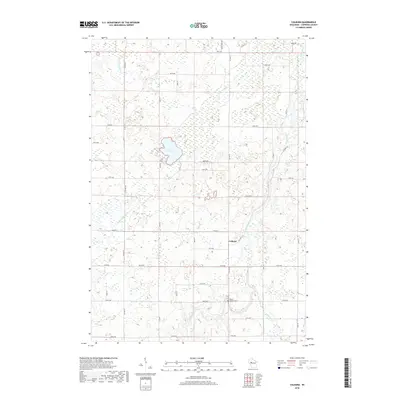 2018 Colburn2018 Print · USGSChippewa County is shown here in the late 2010s, defined by the winding Yellow River and a grid of rural homestead roads. Genealogists and local historians can locate the Walker-Jackson Cem and explore the area around Colburn and Pike Lake.
 - 2018 Map of Holcombe, 2018 Print
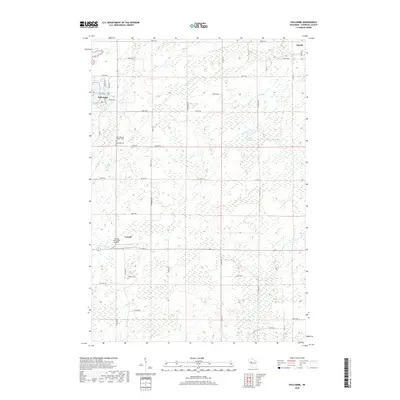 2018 Holcombe2018 Print · USGSThe Wisconsin river valley near Cornell and Holcombe is captured here in the late 2010s. Local historians can trace family ties at Saint Joseph's Catholic Cem and Estella Cem or explore the wetlands around Mallard Flowage.
 - 2018 Map of Cornell, 2018 Print
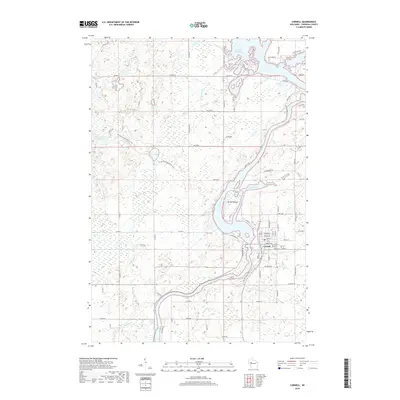 2018 Cornell2018 Print · USGSWisconsin's river-country geography is on full display in this recent look at the Chippewa Valley and the city of Cornell. Local historians can trace the paths of the Ice Age National Scenic Trail and the Old Abe State Trail near Brunet Island.
 - 2022 Map of Crescent, 2022 Print
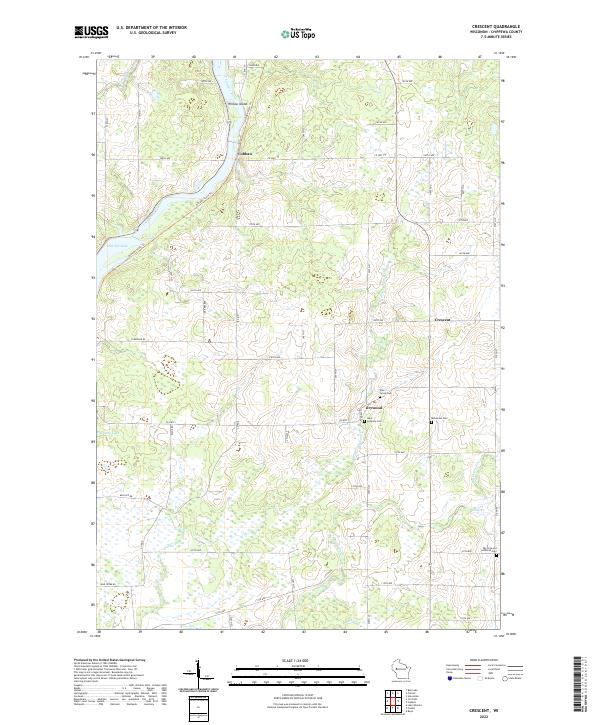 2022 Crescent2022 Print · USGSChippewa County is documented here during the early twenty-first century, centered on the riverfront hamlets of Cobban and Drywood. Family historians can locate several rural burial sites like Bohemian Cem and trace the path of the Old Abe State Trl along the river.
Showing maps 1-25 of 28
Top cities near Estella
- Chippewa Falls historical maps
- Stanley historical maps
- Eagle Point historical maps
- Anson historical maps
- Cornell historical maps
- Cadott historical maps
See more
Frequently asked questions
- What are the different types of historical maps available for Estella?
- What is the oldest map of Estella?
- Where can I purchase historical maps of Estella for my home or office?
- Where can I download high-res historical maps of Estella?
- Are there historical topographic maps available for Estella?
- Is there historical aerial imagery available for Estella?
- Where are historical maps of Estella sourced from?