Old Maps of Thorp, Wisconsin for Metal Detecting
Plan your next treasure hunt with 35 historic maps of Thorp. Find old homesites, ghost towns, trails, and gathering spots that may be lost to time — perfect for identifying promising metal detecting locations.
- Locate forgotten sites: Uncover places like long-lost settlements, abandoned rail lines, or gathering spots.
- Plan better hunts: Use map overlays combined with LiDAR or satellite views to narrow in on historically rich areas.
- Made for detectorists: Thousands of hobbyists use these maps to discover relics, coins, and hidden history.
Use these historic maps to boost your research and find new opportunities beneath the surface of Thorp.
Thorp, WI maps
(35)- 1951 Map of Gilman, 1969 Print
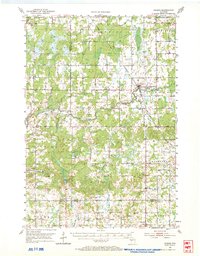 1951 Gilman1969 Print · USGSTaylor and Clark counties are captured here in the early fifties, showing a rural landscape defined by the Yellow River and the Soo Line railroad. Genealogists can locate numerous landmarks including the Russian Ch, Meadowbrook Cem, and the Sunnyview Sch.
 - 1952 Map of Stanley, 1954 Print
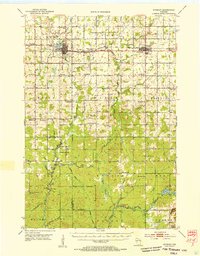 1952 Stanley1954 Print · USGSStanley and Thorp anchor this central Wisconsin landscape in the early fifties as the rural schoolhouse system reaches its peak. Genealogists can locate family names at the Evergreen Cem or trace rural education at Busy Bee Sch and Sol Mohr Sch.
 - 1953 Map of Eau Claire, 1965 Print
 1953 Eau Claire1965 Print · USGSWest-central Wisconsin in the mid-fifties shows a landscape of river-valley industry and vast wildlife refuges during the transition from rails to modern highways. Genealogists and historians can trace the rail corridors of the Chicago and North Western or locate family-named landmarks like Decorah Mound and Chippewa Island.4 unique versions available
 - 1953 Map of Rice Lake, 1967 Print
 1953 Rice Lake1967 Print · USGSNorthwest Wisconsin during the mid-fifties reveals a landscape defined by timber, rail, and water. Genealogists and historians can trace the development of river towns like Ladysmith and Rice Lake along the Soo Line and Chicago and North Western railroads.2 unique versions available
 - 1958 Map of Eau Claire
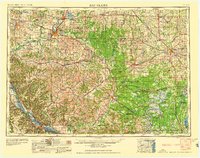 1958 Eau Claire1958 Print · USGSWestern Wisconsin in the late fifties shows a landscape of growing regional hubs and massive wildlife refuges. Trace the rail lines of the Chicago and North Western between Eau Claire and Marshfield, or explore the terrain around Iron Mound and Lake Wissota.
 - 1959 Map of Rice Lake
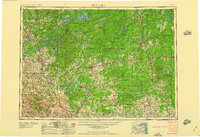 1959 Rice Lake1959 Print · USGSNorthwest Wisconsin in the late fifties was a land of expanding road networks and deep-seated timber history. Genealogists and historians can trace rail lines like the Soo Line RR and Chicago St Paul Minneapolis and Omaha Ry as they link settlements from Spooner to Medford.
 - 1964 Map of Eau Claire
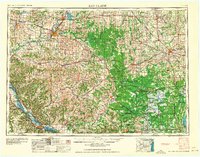 1964 Eau Claire1964 Print · USGSWest-central Wisconsin in the mid-1960s was a hub of river-driven industry and expanding rail networks. Researchers can trace historic homesteads near Menomonie, follow the Soo Line RR through Marshfield, or explore the grounds of the Camp McCoy Military Reservation.
 - 1973 Map of Bellinger, 1976 Print
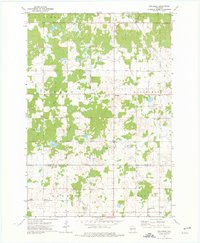 1973 Bellinger1976 Print · USGSTaylor and Clark counties are captured here in the early 1970s, showing a transition from the logging era to a quiet rural landscape. Researchers can trace the Old Railroad Grade and locate local landmarks like the Ukrainian Orthodox Ch and the settlement of Bellinger.
 - 1973 Map of Huron, 1976 Print
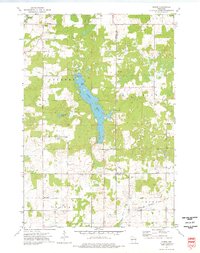 1973 Huron1976 Print · USGSWisconsin's lake country in the early 1970s is shown here at the intersection of Chippewa, Taylor, and Clark counties. Researchers can trace the Old Railroad Grade near Brownville or locate local landmarks like the Gilman Lookout Tower and Huron.
 - 1976 Map of Stanley NE, 1979 Print
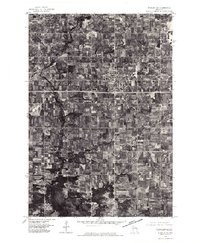 1976 Stanley NE1979 Print · USGSClark County dairy country is captured in high-detail aerial photography during the mid-seventies. Researchers can trace land use patterns around Thorp and locate rural sites near Eidsvold and the North Fork Eau Claire River.
 - 1976 Map of Stanley NW, 1979 Print
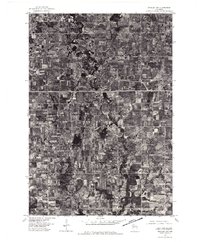 1976 Stanley NW1979 Print · USGSNear the close of the 1970s, the area around Stanley was a patchwork of active dairy farms and river bottomlands. This aerial survey allows for a detailed study of mid-century rural development along the Wolf River and its surrounding woodlots.
 - 1979 Map of Thorp, 1980 Print
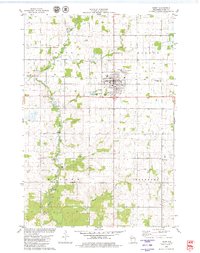 1979 Thorp1980 Print · USGSThorp and the surrounding dairy lands of Clark County are captured here in the late seventies as the rail-and-river economy persisted. Researchers can trace family heritage through numerous rural burial sites like St Hedwig Cem and the Norwegian Cem.
 - 1979 Map of Stanley, 1980 Print
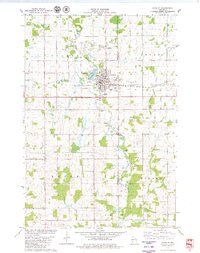 1979 Stanley1980 Print · USGSThe town of Stanley and the surrounding Wisconsin dairy country are captured in the late seventies. Genealogists and researchers can trace local family landmarks like Evergreen Cem, St Marys Ch, and the rail corridor of the SOO LINE RAILROAD.
 - 1980 Map of Medford
 1980 Medford1980 Print · USGSNorth-central Wisconsin in the early eighties shows a landscape of dense timber and rail-linked settlements. Genealogists and historians can trace the Soo Line through towns like Medford and Westboro or locate family homesteads near Perkinstown and Athens.
 - 1984 Map of Marshfield, 1985 Print
 1984 Marshfield1985 Print · USGSCentral Wisconsin's dairy heartland comes into focus during the mid-eighties as a busy network of rail and farm towns. Researchers can trace the path of the Soo Line, identify the grounds of McMillan State Wildlife Area, and locate smaller settlements like Spokeville and Tioga.2 unique versions available
 - 2010 Map of Stanley, 2010 Print
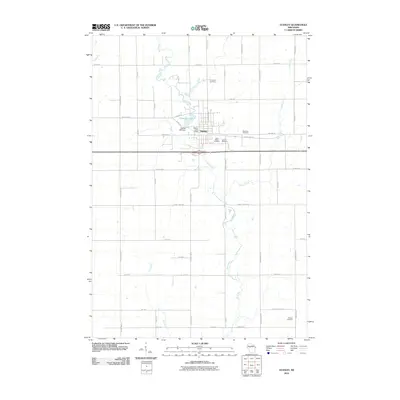 2010 Stanley2010 Print · USGSThe city of Stanley is documented here at the end of the first decade of the 2000s, centered on the Wolf River. Researchers can trace local heritage through five distinct burial grounds including Worden Cemetery or locate the site of the Stanley Mill Dam.
 - 2010 Map of Thorp, 2010 Print
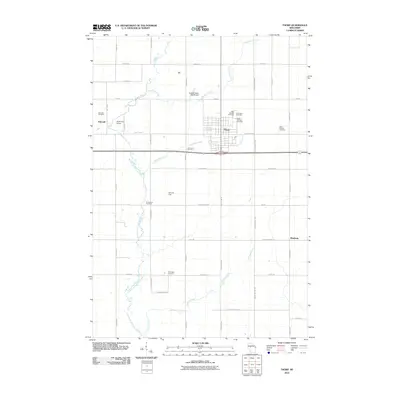 2010 Thorp2010 Print · USGSThorp and its surrounding Clark County townships are shown here in the early twenty-first century, featuring a well-developed grid of rural roads and established settlements. Genealogists can locate several family and community burial sites, including the Germanian, Norwegian, and Saint Hedwig cemeteries.
 - 2010 Map of Bellinger, 2010 Print
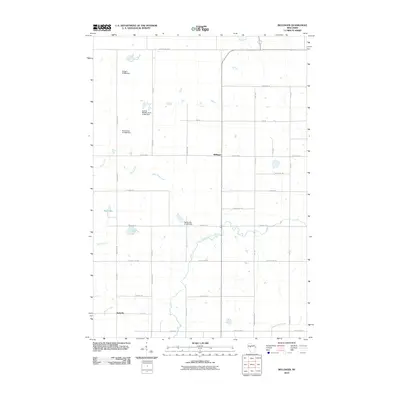 2010 Bellinger2010 Print · USGSThe Taylor County countryside at the turn of the decade reveals a landscape shaped by the North Fork Eau Claire River and its many tributaries. Genealogists and local historians can trace the small settlements of Bellinger and Eadsville alongside local landmarks like Mud Lake and the Propst G1976 Dam.
 - 2010 Map of Huron, 2010 Print
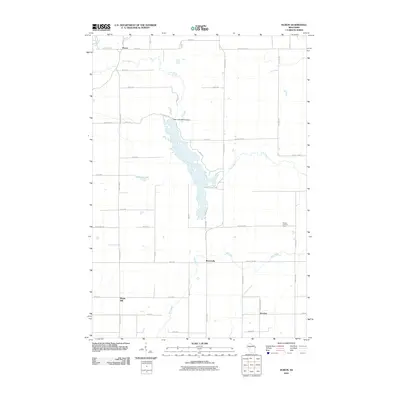 2010 Huron2010 Print · USGSChippewa County settlements and waterways are documented in this late-career survey of the rural Wisconsin landscape. Genealogists and local researchers can locate landmarks like Huron, the Otter Lake 2WP315 Dam, and the Gilman Lookout Tower.
 - 2013 Map of Huron, 2013 Print
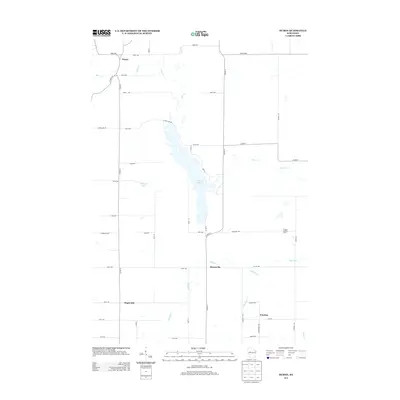 2013 Huron2013 Print · USGSChippewa County settlements and watercourses are documented here in the early twenty-first century. Genealogists and local historians can trace the rural landscape around Huron, Brownville, and Junction, or locate the Gilman Lookout Tower and Otter Lake 27.
 - 2013 Map of Bellinger, 2013 Print
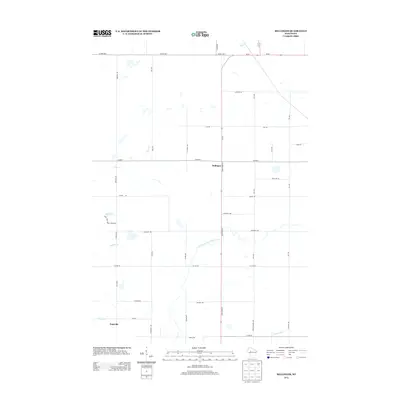 2013 Bellinger2013 Print · USGSTaylor County agriculture meets the river valleys of central Wisconsin in this 2013 survey. Genealogists and local researchers can trace old family road names and locate the small settlements of Bellinger and Eadsville along the North Fork Eau Claire River.
 - 2013 Map of Stanley, 2013 Print
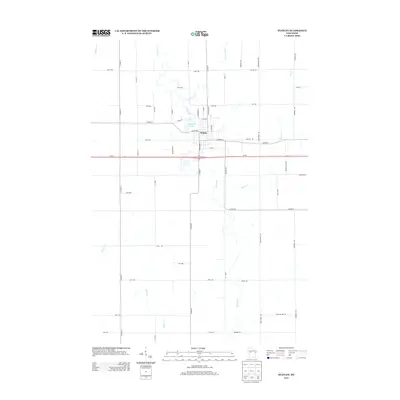 2013 Stanley2013 Print · USGSStanley and its surrounding Wisconsin countryside are captured here in the early 21st century, centered on the community's relationship with Chapman Lake. Local historians can trace the town's layout and its connection to the Wolf River, Little Otter Cr, and the regional corridor of WI-29.
 - 2013 Map of Thorp, 2013 Print
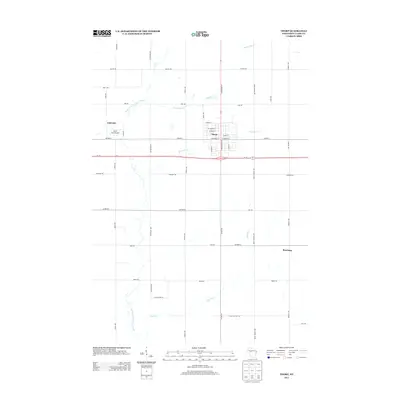 2013 Thorp2013 Print · USGSWisconsin's dairy country in Clark County is shown here in the early 21st century, centered on the crossroads of Thorp. Researchers can trace rural lineages through local landmarks like the North Fork Airport and the small outlying communities of Eidsvold and Reseburg.
 - 2015 Map of Huron, 2015 Print
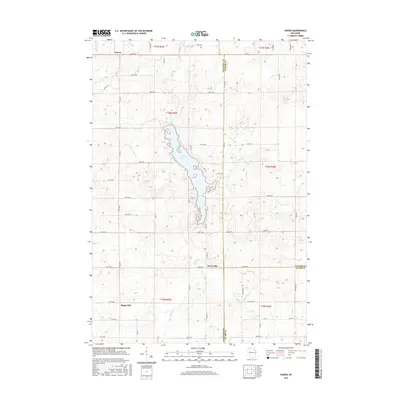 2015 Huron2015 Print · USGSChippewa County settlements and waterways are documented here in the mid-2010s, showing the rural layout of north-central Wisconsin. Researchers can trace family locations near Huron, Brownville, and Maple Hill, or follow the course of the Wolf River.
 - 2015 Map of Bellinger, 2015 Print
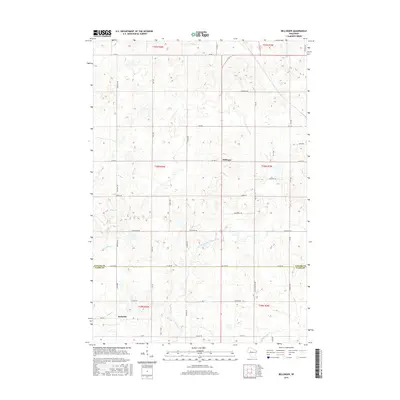 2015 Bellinger2015 Print · USGSThe Taylor and Clark County border comes into focus in this mid-2010s survey of central Wisconsin. Genealogists and local historians can trace family properties near Bellinger, Eadsville, and the banks of the North Fork Eau Claire River.
Showing maps 1-25 of 35
Top cities near Thorp
- Stanley historical maps
- Thorp historical maps
- Edson historical maps
- Colburn historical maps
- Reseburg historical maps
- Longwood historical maps
See more
Top neighborhoods of Thorp
Frequently asked questions
- What are the different types of historical maps available for Thorp?
- What is the oldest map of Thorp?
- Where can I purchase historical maps of Thorp for my home or office?
- Where can I download high-res historical maps of Thorp?
- Are there historical topographic maps available for Thorp?
- Is there historical aerial imagery available for Thorp?
- Where are historical maps of Thorp sourced from?