Old Maps of Oma, Wisconsin for Academic Research
Study the evolution of Oma with 60 high-resolution historic maps. Whether you're teaching, researching, or modeling changes in land use, these maps provide essential visual documentation of urban, environmental, and geographic change.
- Analyze long-term change: Track patterns in development, transportation, and natural features.
- Ideal for environmental or urban studies: Support academic projects with primary historical map data.
- Use in the classroom or lab: Educators and researchers rely on these maps to bring historical context to life.
These maps are a powerful tool for teaching, research, and visualizing how Oma has changed over the decades.
Oma, WI maps
(60)- 1939 Map of Winchester
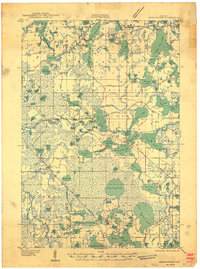 1939 Winchester1939 Print · USGSWisconsin's lake-strewn Northwoods are documented here in the late thirties as the region transitioned into a destination for conservation and recreation. Researchers can locate Depression-era infrastructure like the CCC Camp or trace family roots near Winchester, Spider Lake Sch, and Powell.2 unique versions available
 - 1940 Map of Mercer, 1953 Print
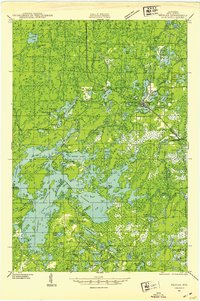 1940 Mercer1953 Print · USGSIron County’s lake-rich landscape is captured in the early 1940s, showing the early growth of Northwoods tourism and timber management. Researchers can trace the rail corridor of the Chicago and Northwestern, find the rural Springstead Sch, and locate the historic Mercer Fire Tower.
 - 1943 Map of Ironwood
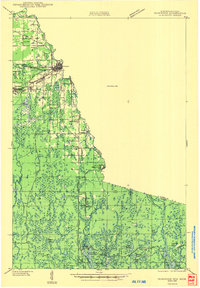 1943 Ironwood1943 Print · USGSThe border country between Wisconsin and Michigan comes alive in this wartime survey of the iron range and timberlands. Researchers can trace early rural life through vanished sites like the Mosinee Lumber Camp, the Chicago and Northwestern Line, and local hubs like Buskirk.2 unique versions available
 - 1945 Map of Mercer
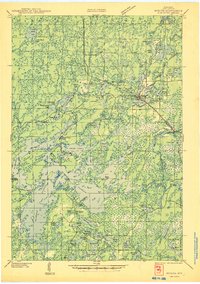 1945 Mercer1945 Print · USGSIron County in the mid-1940s is defined by its massive flowage systems and transition from rail to highway travel. Genealogists and researchers can trace the rural infrastructure of Mercer via the Springstead Sch, Mercer Fire Tower, and the Chicago and Northwestern tracks.
 - 1946 Map of Winchester
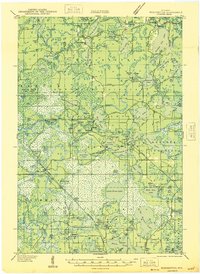 1946 Winchester1946 Print · USGSNorthern Wisconsin's lake country was a landscape of remote settlements and timber management during the mid-forties. Genealogists and local historians can trace the footprint of early communities at Winchester and Presque Isle, or locate the Winegar Church and the regional CCC Camp.
 - 1947 Map of Mercer
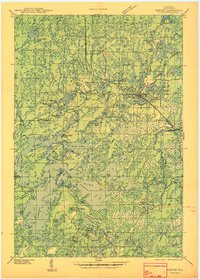 1947 Mercer1947 Print · USGSIron County’s lake country is captured here during the post-war years as the regional transport network evolved. Researchers can trace family roots through settlements like Mercer and Springstead, or locate landmarks such as the Springstead Sch and the Mercer Fire Tower.
 - 1953 Map of Ashland, 1964 Print
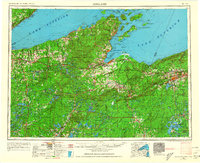 1953 Ashland1964 Print · USGSNorthern Wisconsin's lakefront and timberlands are seen here in the mid-1950s, showing the intersection of industrial rail lines and vast wilderness. Genealogists and historians can trace the Soo Line through rail towns like Mellen or locate family roots in the Apostle Islands and Bad River Indian Reservation.3 unique versions available
 - 1955 Map of Mercer, 1957 Print
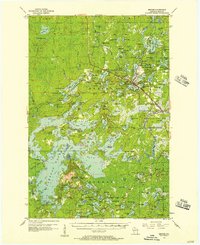 1955 Mercer1957 Print · USGSIron County in the mid-1950s is a landscape of expansive forests and interconnected waterways. Researchers can trace the path of the CHICAGO AND NORTHWESTERN railroad or locate local landmarks like Springstead Sch and Murrays Landing.4 unique versions available
 - 1955 Map of Ironwood, 1957 Print
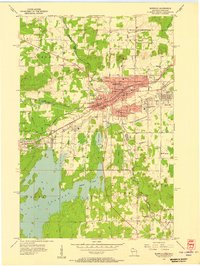 1955 Ironwood1957 Print · USGSIronwood and Hurley stand at the center of the Gogebic Range during the mid-fifties, where Michigan mining meets Wisconsin timber. Genealogists can locate family homes near Sleight Sch, trace the Cary Mine operations, or find rural landmarks like the Finnish Ch and Van Buskirk.5 unique versions available
 - 1955 Map of Winchester, 1957 Print
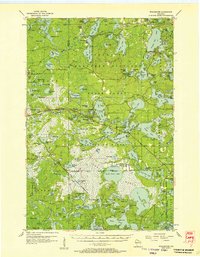 1955 Winchester1957 Print · USGSVilas County's lake country is captured here during the mid-fifties, showing the intersection of state forest lands and tribal geography. Trace the old rail lines of the Chicago and Northwestern or locate landmarks like Birch Lake Sch and the Cranberry Bogs.4 unique versions available
 - 1955 Map of Wakefield, 1957 Print
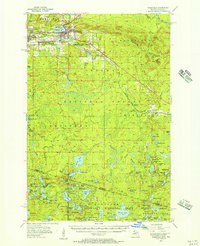 1955 Wakefield1957 Print · USGSThe iron country of the Upper Peninsula is frozen in time during the mid-fifties, showing the industrial core of the Gogebic Range. Genealogists and historians can trace the early layout of Wakefield and its surrounding mining hubs like Ramsay and Verona before the landscape of the Sunday Lake Mine was further altered.3 unique versions available
 - 1955 Map of Ironwood, 1961 Print
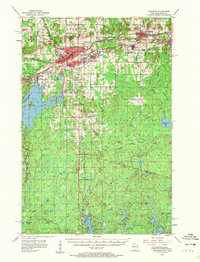 1955 Ironwood1961 Print · USGSThe Gogebic Range iron district comes to life in this mid-century study of the Michigan-Wisconsin borderlands. Trace the industrial rail networks and mines like Newport Mine alongside the Finnish Ch and vanished local schools.2 unique versions available
 - 1958 Map of Ashland
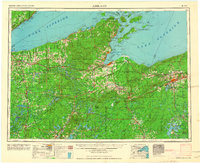 1958 Ashland1958 Print · USGSCoastal Wisconsin and the Michigan borderlands meet here in the late fifties, dominated by the timbered expanses and iron-rich ranges. Genealogists can trace family footprints in settlements like Odanah and Montreal, or locate landmarks such as the Coast Guard Station and Agricultural Experiment Station.
 - 1958 Map of Iron River, 1968 Print
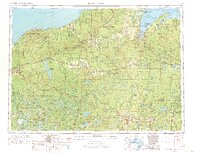 1958 Iron River1968 Print · USGSThe Upper Peninsula in the late fifties is captured here as a landscape of timber, iron, and rail. Genealogists and historians can trace rail stops like Mass Station or explore the coastlines of Lake Gogebic and Keweenaw Bay.3 unique versions available
 - 1960 Map of Iron River
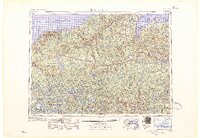 1960 Iron River1960 Print · USGSThe Upper Peninsula’s western reaches are shown in the late fifties, featuring the industrial infrastructure of the Copper Country and the vast Ottawa National Forest. Researchers can trace the rail lines of the Milwaukee Road through settlements like Bruce Crossing and the White Pine Mine.
 - 1961 Map of Iron River
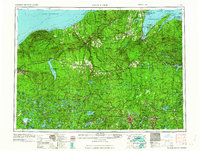 1961 Iron River1961 Print · USGSThe Upper Peninsula and northern Wisconsin are shown here in the early 1960s, a landscape defined by the iron range and vast timberlands. Researchers can trace the legacy of mining and rail transport through Caspian, the Lac Du Flambeau Indian Reservation, and the Milwaukee Road.
 - 1967 Map of Iron River, 1968 Print
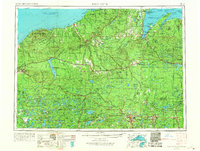 1967 Iron River1968 Print · USGSThe Upper Peninsula and northern Wisconsin borderlands are shown here in the late sixties, a landscape of deep woods and iron-country rail lines. Genealogists and historians can trace the lakeside settlements of L'Anse and Ontonagon or follow the Soo Line through towns like Michigamme and Nestoria.
 - 1973 Map of Lake of The Falls, 1976 Print
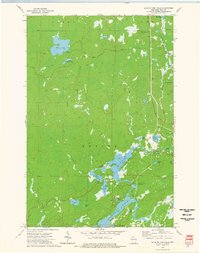 1973 Lake of The Falls1976 Print · USGSIron County's lake country in the early seventies shows a landscape shaped by water and the timber-era rail network. Researchers can trace the Chicago and North Western line through Carter or locate the Winter Trail near Moose Lake.
 - 1973 Map of Mercer, 1976 Print
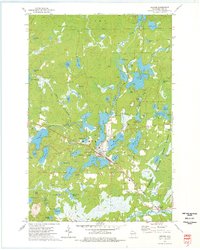 1973 Mercer1976 Print · USGSNorthern Wisconsin's lake country is captured here during the 1970s, centered on the rail-side settlement of Mercer. Genealogists and local historians can trace the Chicago and North Western line, Mercer Cem, and the Lookout Tower near the Turtle River.2 unique versions available
 - 1973 Map of Lake Evelyn, 1976 Print
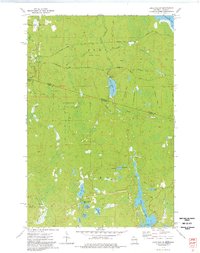 1973 Lake Evelyn1976 Print · USGSThe Michigan-Wisconsin borderlands in the early 1970s reveal a landscape shaped by the logging industry and conservation efforts. Researchers can trace defunct timber routes along several Old Railroad Grades or locate family landmarks like the Pine Lake Lookout Tower and Lake Evelyn.
 - 1973 Map of Pine Lake, 1977 Print
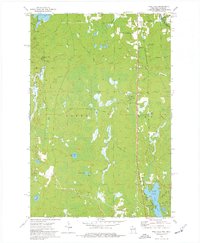 1973 Pine Lake1977 Print · USGSIron County, Wisconsin, in the 1970s was a landscape of dense woods, industrial rail, and quiet lakefront settlements. Genealogists and historians can trace the paths of the Chicago and North Western and the Old Railroad Grade near Sandrock and Oma.
 - 1980 Map of Ironwood
 1980 Ironwood1980 Print · USGSThe Michigan-Wisconsin borderlands appear in the late twentieth century as a landscape defined by iron mining and deep forests. Researchers can trace the rail-and-river economy through the Soo Line and Chicago and North Western tracks connecting Mellen, Glidden, and Hurley.
 - 1981 Map of Winchester, 1982 Print
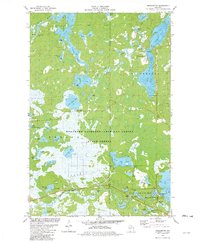 1981 Winchester1982 Print · USGSWinchester and the surrounding Northwoods lakes are captured here in the early eighties as the region balanced local industry with growing public recreation. Genealogists and local historians can trace family-named sites and landmarks like Wayside Park Shay Dam, the Old Grade Drive, and Fox Island.
 - 1982 Map of Chaney Lake, 1983 Print
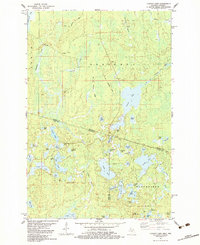 1982 Chaney Lake1983 Print · USGSThe Michigan-Wisconsin borderlands appear here in the early 1980s, centered on the complex lake systems of Gogebic County and Vilas County. Researchers can trace the Old Railroad Grade through the hamlet of Chaney or locate landmarks like the Trostel Lookout Tower.
 - 1990 Map of Wakefield
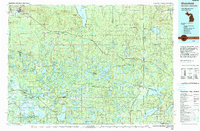 1990 Wakefield1990 Print · USGSThe Michigan-Wisconsin borderlands are captured here in the late twentieth century, showing the transition from an industrial rail-and-timber hub to a recreation-focused landscape. Trace the Chicago & North Western RR through Marenisco or locate landmarks like Agate Falls and Wakefield.
Showing maps 1-25 of 60
Top cities near Oma
- Ironwood historical maps
- Wakefield historical maps
- Bessemer historical maps
- Mercer historical maps
- Hurley historical maps
- Montreal historical maps
See more
Top neighborhoods of Oma
Frequently asked questions
- What are the different types of historical maps available for Oma?
- What is the oldest map of Oma?
- Where can I purchase historical maps of Oma for my home or office?
- Where can I download high-res historical maps of Oma?
- Are there historical topographic maps available for Oma?
- Is there historical aerial imagery available for Oma?
- Where are historical maps of Oma sourced from?