Old Maps of Wolf River, Wisconsin
Explore 58 old maps of Wolf River, spanning from 1942 to today. These high-resolution historic maps reveal how streets, neighborhoods, landmarks, and natural features evolved over time — perfect for genealogy, metal detecting, research, and local history exploration.
What you can do with these maps:
- See how Wolf River changed over time: Compare historical maps to modern-day views to trace roads, homesites, rail lines & more.
- View detailed metadata: Each map includes creators, publishers, year, scale, and archive source.
- Overlay maps with satellite & LiDAR: Visualize the past alongside modern tools to explore terrain & human change.
- Trusted historical sources: Maps sourced from the USGS, Library of Congress, and other archives.
- Access maps your way: View online, download high-res files, or order prints for personal or research use.
Start exploring old maps of Wolf River to uncover forgotten places, hidden landmarks, and the deep history beneath your feet.
Wolf River, WI maps
(58)- 1942 Map of Wabeno
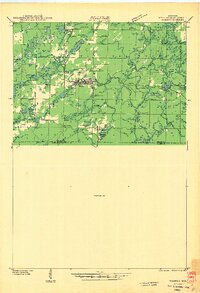 1942 Wabeno1942 Print · USGSForest County's timberlands are captured here in the early 1940s, when rail and river still drove the local economy. Researchers can locate vanished rural schools like Rummel Sch, several local cemeteries, and the site of an Abandoned CCC Camp near Otter Lake.
 - 1942 Map of Pearson
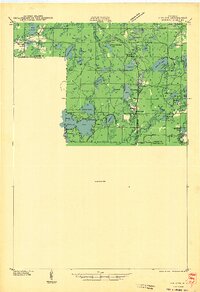 1942 Pearson1942 Print · USGSNorthern Wisconsin lake country and timberlands are shown in the early 1940s as rail transit still defined the local economy. Genealogists and historians can trace rail stops like Jones Spur, the Woodlawn Sch, and the settlement at Mole Lake.
 - 1950 Map of Wabeno
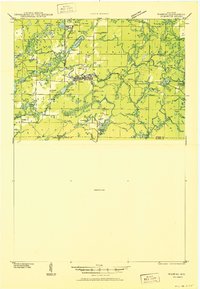 1950 Wabeno1950 Print · USGSThe Northwoods of Forest County are captured here at mid-century, where logging roots and lake country recreation meet. Genealogists and historians can locate rural schoolhouses like Rummel Sch, explore the Abandoned CCC Camp, or trace the old Logging RR routes.
 - 1950 Map of Lily, 1952 Print
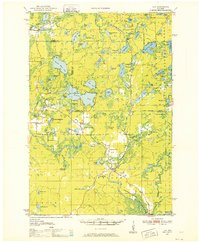 1950 Lily1952 Print · USGSWisconsin’s northwoods are documented here at mid-century, showing the timber and rail landscape across Langlade and Forest Counties. Genealogists and historians can locate community sites like Pearson Cem, the Arbutus Sch, and the rail stop at Lily.3 unique versions available
 - 1951 Map of Wabeno, 1953 Print
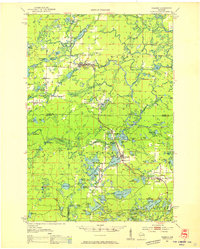 1951 Wabeno1953 Print · USGSThe Northwoods of Forest and Oconto counties are shown in the early fifties as the timber and railway era transitioned into modern recreation. Researchers can locate the logging towns of Soperton and Wabeno, or trace rural life through the Windfall Sch and Forest Hill Cem.3 unique versions available
 - 1952 Map of White Lake, 1955 Print
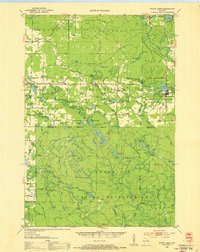 1952 White Lake1955 Print · USGSUpper Wisconsin timberlands and tribal lands meet in the early fifties, showing a region defined by forestry and the Wolf River. You can trace the Chicago and North Western rail line through rural outposts like Sherry Junction, Elton, and Hollister.2 unique versions available
 - 1952 Map of Langlade, 1955 Print
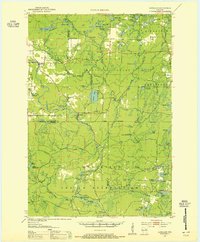 1952 Langlade1955 Print · USGSThe Menominee Indian Reservation and Nicolet National Forest meet in this mid-century survey of northern Wisconsin. Trace local history through the Markton PO, the Gardner Dam Boy Scout Camps, and fire-watch sites like the Boulder Lake Lookout Tower.2 unique versions available
 - 1954 Map of Iron Mountain, 1964 Print
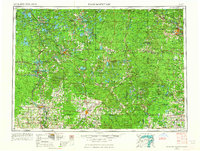 1954 Iron Mountain1964 Print · USGSUpper Michigan and Northeastern Wisconsin are shown in detail during the mid-fifties, when the logging and mining economies still moved by rail. Trace the rail lines of the Soo Line to remote stops like Koepenick Station or explore the Iron Range near Iron Mountain.2 unique versions available
 - 1959 Map of Iron Mountain
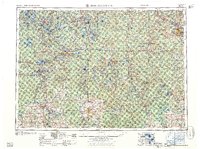 1959 Iron Mountain1959 Print · USGSThe northwoods of Wisconsin and the Michigan border are captured here in the mid-fifties, showing a landscape defined by timber, water, and rail. Researchers can trace historic junctions like Hiles Junction, the expansive Nicolet National Forest, and lakefront settlements from Rhinelander to Tomahawk.2 unique versions available
 - 1972 Map of Wabeno, 1975 Print
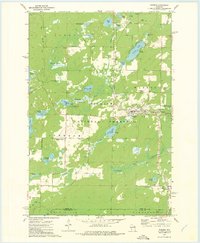 1972 Wabeno1975 Print · USGSForest County in the early 1970s is characterized by the timber-belt communities of Wabeno and Soperton within the Nicolet National Forest. Genealogists and historians can trace rail-side developments, numerous lakefronts, and several local cemeteries like St Ambrose Cem and Roseland Cem.
 - 1972 Map of Reservoir Pond, 1975 Print
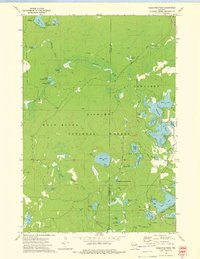 1972 Reservoir Pond1975 Print · USGSWisconsin's north woods in the early 1970s appear as a dense network of glacial lakes and springs along the Oconto River. Outdoorsmen and historians can trace the Railroad Grade or locate the Ada Lake Lookout Tower and the Jones Spring Impoundment.2 unique versions available
 - 1973 Map of Roberts Lake, 1976 Print
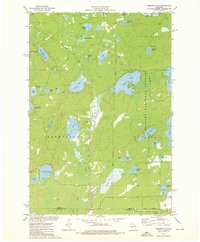 1973 Roberts Lake1976 Print · USGSNorthern Forest County in the early seventies reveals a landscape defined by glacial lakes and the timber-hauling lines of the Soo Line. Genealogists and historians can trace small crossroads like Woodlawn and Freedom Corners tucked between Roberts Lake and the Bog Brook State Wildlife Area.2 unique versions available
 - 1973 Map of Lily, 1977 Print
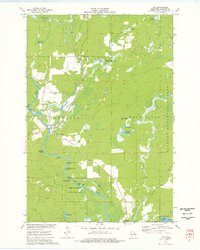 1973 Lily1977 Print · USGSLanglade County's river-driven landscape is captured here in the early seventies, showing the junction of the Wolf River and Lily River. Local researchers can trace the Soo Line rail corridor through Hollister and find landmarks like Lily Cem and Poor Farm Spring.
 - 1973 Map of Langlade, 1977 Print
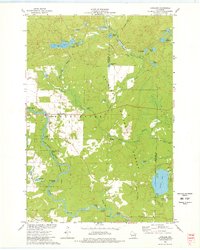 1973 Langlade1977 Print · USGSThe Wolf River and Nicolet National Forest define this Wisconsin landscape in the early 1970s. Genealogists and historians can trace the community around Langlade, including the St Stanislaus Ch and the winding Soo Line railroad.2 unique versions available
 - 1973 Map of Perote Lake, 1977 Print
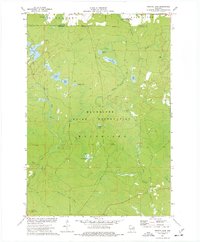 1973 Perote Lake1977 Print · USGSThe Menominee Indian Reservation and surrounding northern woods are captured here in the early 1970s. Researchers can trace the Soo Line railroad, find the Dutchman Lookout Tower, and explore the waters of Perote Lake and the Evergreen River.
 - 1973 Map of White Lake, 1977 Print
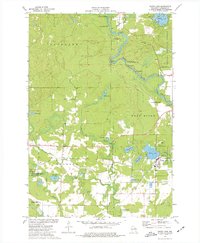 1973 White Lake1977 Print · USGSLanglade County's river-driven landscape is captured here in the early 1970s, showcasing the village of White Lake and the settlement of Hollister. Genealogists and historians can trace the Old Railroad Grade and locate local landmarks like St James Cem or the Brown Cem.
 - 1973 Map of Markton, 1977 Print
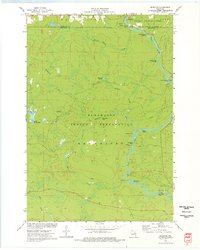 1973 Markton1977 Print · USGSThe Wolf River corridor in the early 1970s reveals a wilderness landscape managed by the Menominee Indian Reservation. Researchers can trace numerous river landmarks including Big Smoky Falls, The Dalles, and the small settlement of Markton.
 - 1990 Map of Wabeno, 1991 Print
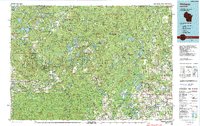 1990 Wabeno1991 Print · USGSThe Wisconsin Northwoods in the early nineties is a landscape of deep timber, tribal lands, and glacial lakes. Researchers can trace the Chicago and North Western rail line through lumber towns like Wabeno and Townsend or locate the Lakewood State Fish Hatchery.
 - 2010 Map of Perote Lake, 2010 Print
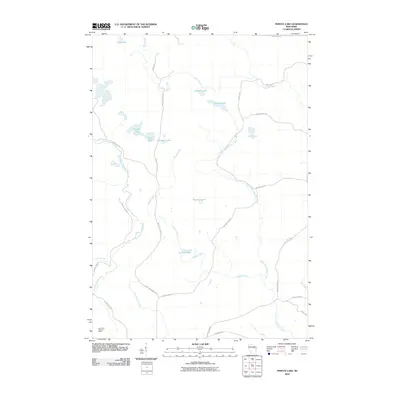 2010 Perote Lake2010 Print · USGSNorthern Wisconsin's lake country is captured here in the early twenty-first century, showing a landscape of dense waterways and forest management roads. Genealogists and outdoor historians can trace the paths of Elton Creek and locate landmarks like the Dutchman Lookout Tower or Perote Lake.
 - 2011 Map of Markton, 2011 Print
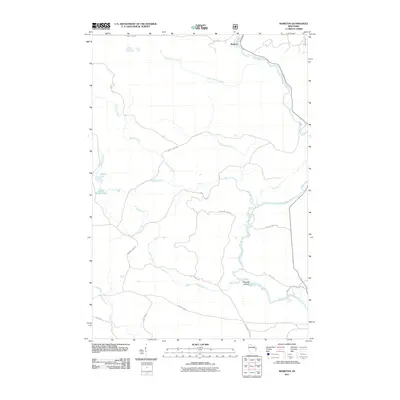 2011 Markton2011 Print · USGSOconto County's river-driven geography is on display in the early twenty-first century, centered on the Wolf River and its many tributaries. Trace the history of the timber and water landscape through features like Big Smoky Falls, Markton, and Saturday Islands.
 - 2011 Map of Lily, 2011 Print
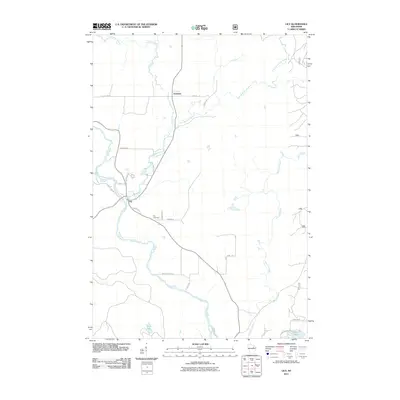 2011 Lily2011 Print · USGSLanglade County's river-cut woods are documented here during the early twenty-first century as the local road network expanded around established settlements. Researchers can locate family landmarks like the Lily Cemetery or trace the drainage of the Wolf River past Lily and Freeman.
 - 2011 Map of White Lake, 2011 Print
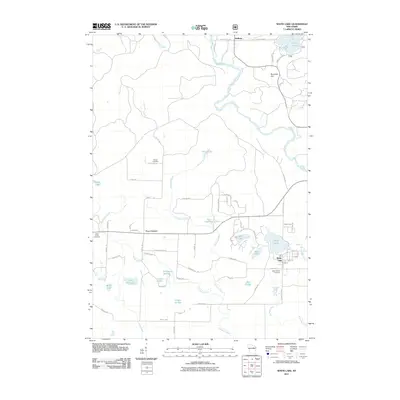 2011 White Lake2011 Print · USGSWisconsin's lake country near the Wolf River is detailed here in the early twenty-first century. Genealogists and historians can locate Saint James Cemetery, the village of White Lake, and numerous natural landmarks like Stillhouse Springs and Ninemile Hill.
 - 2011 Map of Reservoir Pond, 2011 Print
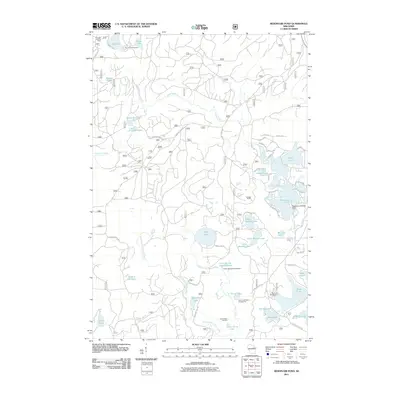 2011 Reservoir Pond2011 Print · USGSWisconsin's northern forests and glacial lakes appear in high detail during the early 2010s. Trace local landmarks like the Ada Lake Lookout Tower, the Reservoir 2 WP 463 Dam, and the Jones Spring Impoundment.
 - 2011 Map of Wabeno, 2011 Print
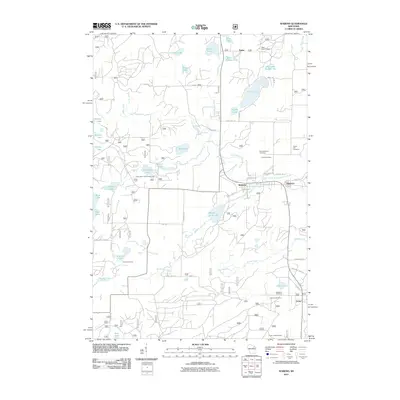 2011 Wabeno2011 Print · USGSForest County's timber and lake country is captured here during the early twenty-first century, centered on the communities of Wabeno and Soperton. Genealogists and historians can trace local family sites at Forest Hill Cemetery and Lakeview Cemetery, or locate the Padus Lookout Tower.
 - 2011 Map of Langlade, 2011 Print
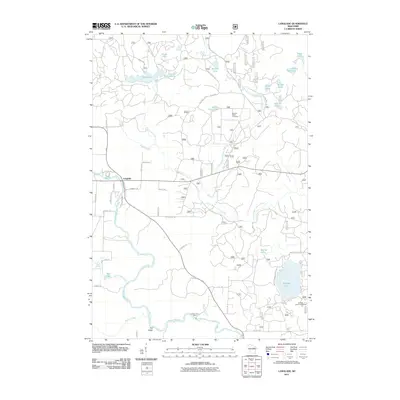 2011 Langlade2011 Print · USGSThe Wolf River and South Branch Oconto River watersheds converge in this Wisconsin wilderness during the early twenty-first century. Researchers can map out local landmarks and recreation sites like Gardner Dam Camp, Boulder Lake, and the Oconto Seed Orchards.
Showing maps 1-25 of 58
Top cities near Wolf River
- Laona historical maps
- Wabeno historical maps
- Nashville historical maps
- Townsend historical maps
- Polar historical maps
- Lakewood historical maps
See more
Top neighborhoods of Wolf River
- Langlade historical maps
- Markton historical maps
- Hollister historical maps
- River Forest historical maps
- Sunny Waters historical maps
- Markton Acres historical maps
Frequently asked questions
- What are the different types of historical maps available for Wolf River?
- What is the oldest map of Wolf River?
- Where can I purchase historical maps of Wolf River for my home or office?
- Where can I download high-res historical maps of Wolf River?
- Are there historical topographic maps available for Wolf River?
- Is there historical aerial imagery available for Wolf River?
- Where are historical maps of Wolf River sourced from?