Old Maps of Rusk County, Wisconsin for Hiking & Exploration
Hike through history with 207 historic maps of Rusk County. Explore old trails, ghost towns, and forgotten backroads — perfect for outdoor adventurers and local explorers.
- Rediscover forgotten places: Map out old mining camps, roads, and footpaths that no longer exist on modern maps.
- Layer with modern tools: Combine with LiDAR or satellite views to plan hikes through historical terrain.
- Made for exploration: Popular among hikers, overlanders, and local history lovers.
Use these maps to find adventure and explore the hidden past of Rusk County.
Rusk County, WI maps
(207)- 1941 Map of Kennan, 1952 Print
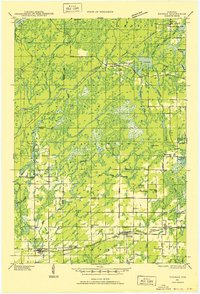 1941 Kennan1952 Print · USGSIn the early 1940s, the rail-and-river corridor of Price and Rusk Counties supported a network of small timber and farm towns. Researchers can trace family-named landmarks and rural education hubs like Martins Hill Sch, the Harmony church, and the Soo Line railroad.2 unique versions available
 - 1944 Map of Exeland, 1952 Print
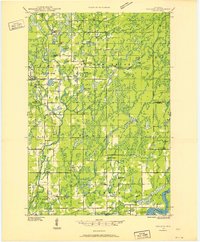 1944 Exeland1952 Print · USGSNorthern Wisconsin's river country is captured in the mid-1940s as rural life centered on local schools and the rail line. Genealogists can trace family footprints near Exeland or at one of many country schoolhouses like Murry Sch and Laurel Hill Sch.2 unique versions available
 - 1945 Map of Kennan
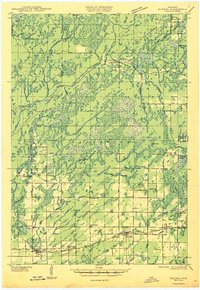 1945 Kennan1945 Print · USGSPrice and Rusk counties appear here in the mid-1940s, showing the Northwoods at the height of its rail-and-timber era. Genealogists and local historians can trace family locations near village centers like Kennan and Hawkins or find rural landmarks like Forest Vale Sch and Kraft Camp.
 - 1945 Map of Black River
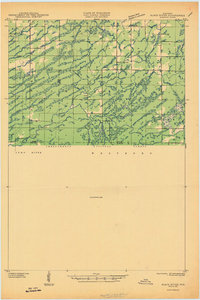 1945 Black River1945 Print · USGSNorthern Wisconsin's river systems and rural school districts are documented here just after the war years. Local historians can locate vanished landmarks like the Red Tile Sch, Meadow Creek Sch, and the early boundaries of the Chequamegon National Forest.
 - 1945 Map of Meteor, 1961 Print
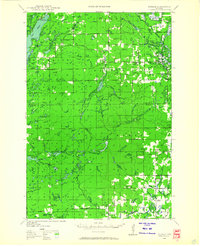 1945 Meteor1961 Print · USGSNorthern Wisconsin's timber and lake country is captured here just after the war, showing the area as small settlements like Edgewater and Meteor grew. You can trace the Old RR Grade and find historic rural schools like Glendale Sch and Frontier Sch.2 unique versions available
 - 1945 Map of Ingram, 1967 Print
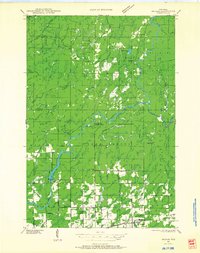 1945 Ingram1967 Print · USGSThe Flambeau River basin comes into sharp focus in the mid-1940s, revealing a landscape of remote camps and early state forestry. Researchers can trace the rail corridor through Ingram or locate vanished sites like the CCC Rusk Camp (Abandoned) and Pioneer Sch.
 - 1947 Map of Exeland
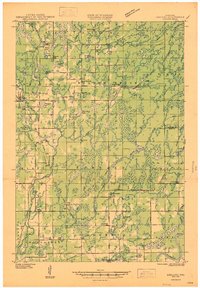 1947 Exeland1947 Print · USGSNorthwest Wisconsin's river country comes into focus in the 1940s as rural school districts and small homesteads still defined the landscape. Genealogists can locate family-named landmarks like Reppert School or Murry School and trace the original course of the Chippewa River.
 - 1947 Map of Ingram
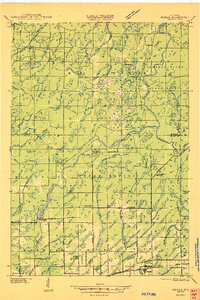 1947 Ingram1947 Print · USGSIn the Wisconsin Northwoods after the war, the Flambeau River basin was a landscape of timber management and hydroelectric power. Researchers can locate the CCC Rusk Camp, the Big Falls Dam, and rural landmarks like the Swedish Lutheran Cem.
 - 1947 Map of Sheldon, 1967 Print
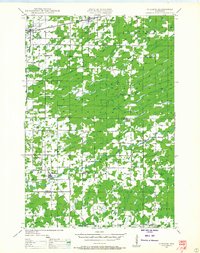 1947 Sheldon1967 Print · USGSRusk and Taylor counties come into focus in the late 1940s, showing a landscape of river-valley settlements and timber management. Genealogists and historians can locate dozens of country schools and churches, from Sheldon to the Mt Nebo Cem and Hannibal.
 - 1948 Map of Weyerhauser, 1964 Print
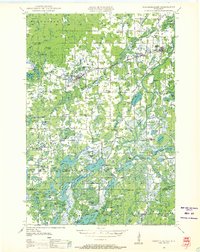 1948 Weyerhauser1964 Print · USGSRusk County at mid-century is a landscape of glacial lakes and tight-knit rural districts organized around the Soo Line railroad. Genealogists can locate long-lost rural institutions including Pleasant Hill Sch, the Indian Cem, and the historic townsite of Apollonia.
 - 1948 Map of Ladysmith, 1967 Print
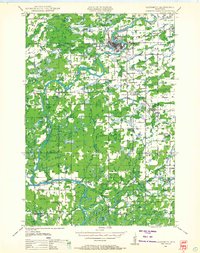 1948 Ladysmith1967 Print · USGSRusk County and the Flambeau River are captured here in the late 1940s as a thriving hub of rail, timber, and water power. Researchers can locate numerous vanished country schools like Grant Center Sch and trace early river control at the Port Arthur Dam and Thornapple Dam.
 - 1949 Map of Sheldon
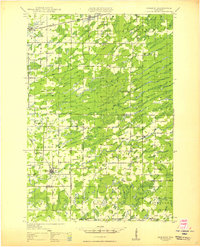 1949 Sheldon1949 Print · USGSRusk and Taylor counties come into focus during the late 1940s, showing a landscape defined by small rail towns and scattered district schools. You can locate family-named landmarks like Baughman School or trace the early paths of the Jump River and Main Creek.
 - 1949 Map of Meteor
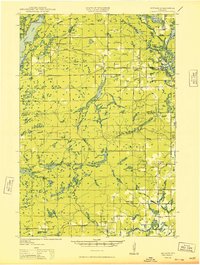 1949 Meteor1949 Print · USGSRusk and Sawyer Counties show a landscape of timber and early rail development in the late 1940s. Genealogists can locate family schoolhouses like Sentinel Ash Sch or Frontier Sch and trace the paths of the Old RR Grade and Edgewater shoreline.
 - 1949 Map of Jump River Fire Tower
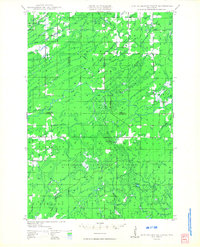 1949 Jump River Fire Tower1949 Print · USGSThe dense forests and winding river forks of Price, Rusk, and Taylor counties are captured here in the years following World War II. Local historians can locate isolated rural landmarks like the Jump River Fire Tower, Red Tile Sch, and Lost Lake.
 - 1949 Map of Rice Lake, 1961 Print
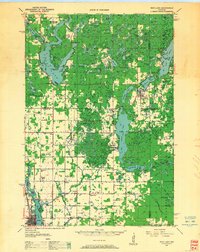 1949 Rice Lake1961 Print · USGSIn the Wisconsin Northwoods after the war, the lakeside communities and rural schools of Barron and Washburn counties remained tightly knit. Genealogists can find family landmarks like Loveland Corners, Evergreen Ch, and the many rural schools including Lincoln Sch.
 - 1950 Map of Weyerhauser
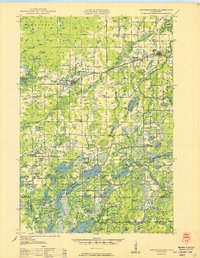 1950 Weyerhauser1950 Print · USGSRusk County at the dawn of the 1950s reveals a transition from timber-driven rail towns to a landscape of lakeside communities. Genealogists and historians can trace local landmarks like Indian Cem, the Stan Lookout Tower, and numerous rural schoolhouses including Amacoy Sch.
 - 1950 Map of Ladysmith
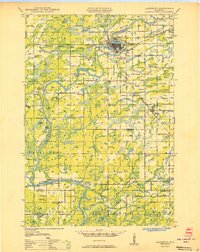 1950 Ladysmith1950 Print · USGSMid-century Rusk County centers on the busy rail junction and riverfront of Ladysmith just as the regional flowages were being established. Researchers can locate dozens of rural schools and churches, including Meadow Brook Sch, St Francis Ch, and the Thornapple Dam.
 - 1951 Map of Rice Lake
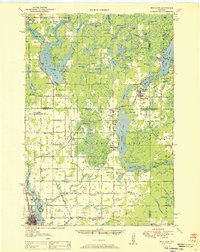 1951 Rice Lake1951 Print · USGSNorthwest Wisconsin’s lake country is captured in the early fifties, showing the transition from rail-dependent commerce to modern aviation. Researchers can trace dozens of country schoolhouses like Pioneer Sch and Lincoln Sch, or locate the Rice Lake Municipal Airport.
 - 1951 Map of Chetek, 1953 Print
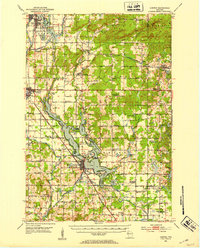 1951 Chetek1953 Print · USGSThe Chetek region in the early fifties shows a landscape of interconnected glacial lakes and growing rail towns. Trace the history of rural education and transport through local landmarks like Edgewood Sch and the CHICAGO AND NORTH WESTERN railroad.2 unique versions available
 - 1953 Map of Rice Lake, 1967 Print
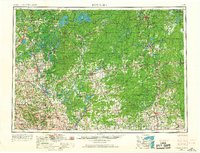 1953 Rice Lake1967 Print · USGSNorthwest Wisconsin during the mid-fifties reveals a landscape defined by timber, rail, and water. Genealogists and historians can trace the development of river towns like Ladysmith and Rice Lake along the Soo Line and Chicago and North Western railroads.2 unique versions available
 - 1959 Map of Rice Lake
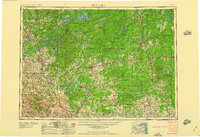 1959 Rice Lake1959 Print · USGSNorthwest Wisconsin in the late fifties was a land of expanding road networks and deep-seated timber history. Genealogists and historians can trace rail lines like the Soo Line RR and Chicago St Paul Minneapolis and Omaha Ry as they link settlements from Spooner to Medford.
 - 1965 Map of Rice Lake, 1967 Print
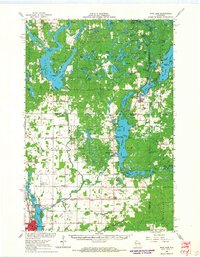 1965 Rice Lake1967 Print · USGSThe lake country of Barron and Washburn counties is shown here in the mid-1960s, a landscape of interconnected waterways and rural townships. Genealogists and local historians can trace legacy sites like the Oak Grove Center Sch, Evergreen Cem, and the settlement at Mikana.
 - 1970 Map of Jump River Fire Tower NW, 1972 Print
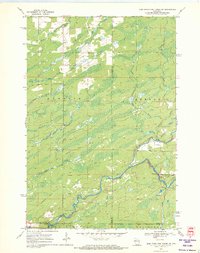 1970 Jump River Fire Tower NW1972 Print · USGSThe Northwoods of Rusk and Price counties are documented here in the early 1970s, showing a landscape shaped by winding river systems and old timber routes. Trace the path of the Old Railroad Grade or locate historic recreation spots like Big Falls and Big Falls Campground.3 unique versions available
 - 1971 Map of Big Falls Dam, 1973 Print
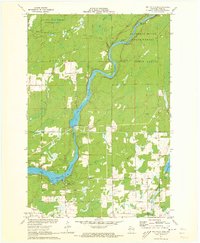 1971 Big Falls Dam1973 Print · USGSThe Flambeau River dominates this Rusk County landscape during the early 1970s as it transitions from wild rapids to managed flowages. Researchers can trace the local community through the Glenview Cem, the Swedish Cem, and the settlement at Glen Flora.2 unique versions available
 - 1971 Map of Kennan NW, 1973 Print
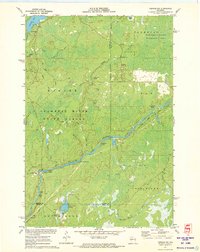 1971 Kennan NW1973 Print · USGSSawyer County's Northwoods are captured here in the early 1970s, showcasing the winding South Fork Flambeau River and its many rapids. Researchers can locate family landmarks and recreational sites like Connors Lake, Camp Flambeau, and the Cranberry Bog.2 unique versions available
Showing maps 1-25 of 207
Top cities of Rusk County
- Ladysmith historical maps
- Thornapple historical maps
- Bruce historical maps
- Weyerhaeuser historical maps
- Hawkins historical maps
- Strickland historical maps
See more
Frequently asked questions
- What are the different types of historical maps available for Rusk County?
- What is the oldest map of Rusk County?
- Where can I purchase historical maps of Rusk County for my home or office?
- Where can I download high-res historical maps of Rusk County?
- Are there historical topographic maps available for Rusk County?
- Is there historical aerial imagery available for Rusk County?
- Where are historical maps of Rusk County sourced from?