Old Maps of Grover, Wisconsin for Metal Detecting
Plan your next treasure hunt with 48 historic maps of Grover. Find old homesites, ghost towns, trails, and gathering spots that may be lost to time — perfect for identifying promising metal detecting locations.
- Locate forgotten sites: Uncover places like long-lost settlements, abandoned rail lines, or gathering spots.
- Plan better hunts: Use map overlays combined with LiDAR or satellite views to narrow in on historically rich areas.
- Made for detectorists: Thousands of hobbyists use these maps to discover relics, coins, and hidden history.
Use these historic maps to boost your research and find new opportunities beneath the surface of Grover.
Grover, WI maps
(48)- 1945 Map of Black River
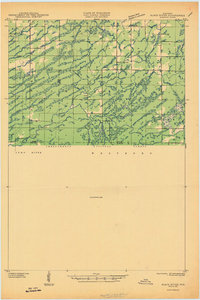 1945 Black River1945 Print · USGSNorthern Wisconsin's river systems and rural school districts are documented here just after the war years. Local historians can locate vanished landmarks like the Red Tile Sch, Meadow Creek Sch, and the early boundaries of the Chequamegon National Forest.
 - 1949 Map of Jump River Fire Tower
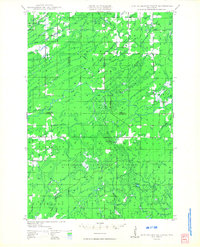 1949 Jump River Fire Tower1949 Print · USGSThe dense forests and winding river forks of Price, Rusk, and Taylor counties are captured here in the years following World War II. Local historians can locate isolated rural landmarks like the Jump River Fire Tower, Red Tile Sch, and Lost Lake.
 - 1951 Map of Lublin, 1953 Print
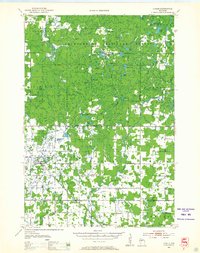 1951 Lublin1953 Print · USGSTaylor County agriculture meets the northern timberlands in the early fifties, centering on the rail hub of Lublin. Genealogists and historians can locate vanished rural schoolhouses like Redville Sch and trace the original paths of the MINNEAPOLIS ST PAUL AND SAULT STE MARIE railroad.
 - 1953 Map of Rice Lake, 1967 Print
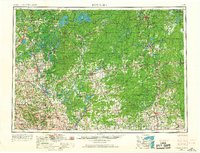 1953 Rice Lake1967 Print · USGSNorthwest Wisconsin during the mid-fifties reveals a landscape defined by timber, rail, and water. Genealogists and historians can trace the development of river towns like Ladysmith and Rice Lake along the Soo Line and Chicago and North Western railroads.2 unique versions available
 - 1959 Map of Rice Lake
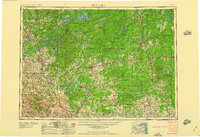 1959 Rice Lake1959 Print · USGSNorthwest Wisconsin in the late fifties was a land of expanding road networks and deep-seated timber history. Genealogists and historians can trace rail lines like the Soo Line RR and Chicago St Paul Minneapolis and Omaha Ry as they link settlements from Spooner to Medford.
 - 1969 Map of Perkinstown, 1971 Print
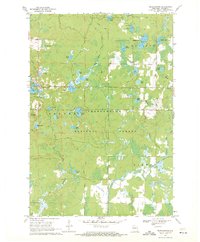 1969 Perkinstown1971 Print · USGSPerkinstown and the surrounding Chequamegon woods appear in the late sixties as a landscape of timber, glacial lakes, and legacy rail grades. Researchers can trace the Railroad Grade through the forest or locate family sites at Perkinstown Cem and Kathryn Lake Campground.3 unique versions available
 - 1969 Map of Lublin, 1971 Print
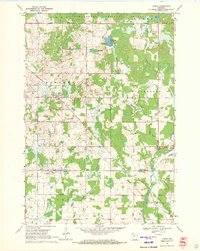 1969 Lublin1971 Print · USGSWisconsin’s north-central dairy and timber country is documented here in the late sixties, centered on the village of Lublin. Researchers can trace old township boundaries and family ties at St Stanislaus Cem, Maplehurst Cem, and along the Soo Line railroad corridor.
 - 1969 Map of Lublin SE, 1971 Print
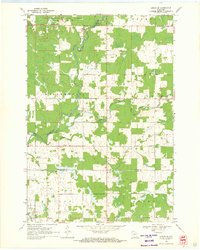 1969 Lublin SE1971 Print · USGSTaylor County and Clark County meet in this rural 1960s landscape where the river and forest shaped local settlement. Genealogists and historians can trace family land near St Marys Ch, Poplar Grove Sch, and the winding Black River.
 - 1969 Map of Lublin NW, 1972 Print
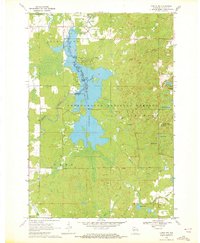 1969 Lublin NW1972 Print · USGSTaylor County’s timber and water resources are centered here in the late sixties, where the massive Chequamegon Waters Flowage meets the national forest. Researchers can trace the development of the Perkinstown Winter Sports Area Ski Slide and the rural roads near Hughey.3 unique versions available
 - 1970 Map of Jump River Fire Tower SW, 1972 Print
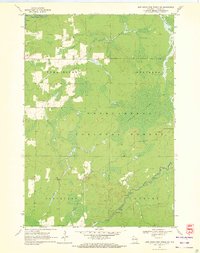 1970 Jump River Fire Tower SW1972 Print · USGSTaylor County forest lands and river valleys are captured here in the early 1970s. Local historians can trace the Old Railroad Grade and identify the numerous rapids along the Jump River and Yellow River.2 unique versions available
 - 1970 Map of Jump River Fire Tower, 1972 Print
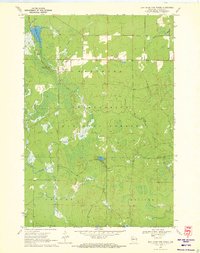 1970 Jump River Fire Tower1972 Print · USGSTaylor County's deep woods and water networks are captured here in the early seventies, spanning the borders of Westboro and Molitor. Researchers can trace the hydrography of the Upper Silver Creek Flowage and locate landmarks like the Jump River Fire Tower and Lost Lake.
 - 1980 Map of Medford
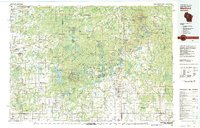 1980 Medford1980 Print · USGSNorth-central Wisconsin in the early eighties shows a landscape of dense timber and rail-linked settlements. Genealogists and historians can trace the Soo Line through towns like Medford and Westboro or locate family homesteads near Perkinstown and Athens.
 - 2005 Map of Lublin SE, 2006 Print
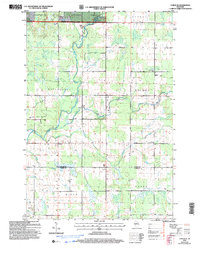 2005 Lublin SE2006 Print · USGSTaylor and Clark Counties at the start of the new millennium reveal a landscape of managed forests and established township life. Researchers can locate family landmarks like St Marys Ch, the Poplar Grove Sch, and several Gravel Pits along the Black River.
 - 2005 Map of Jump River Fire Tower, 2006 Print
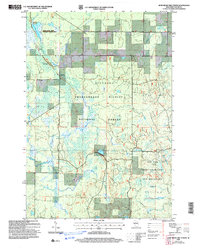 2005 Jump River Fire Tower2006 Print · USGSTaylor County forest lands are captured here in the early 2000s, showing a landscape defined by conservation and glacial history. Trace the remote trails of the Ice Age Semi Primitive Non Motorized Area or locate the Jump River Fire Tower and Lost Lake.
 - 2005 Map of Jump River Fire Tower SW, 2006 Print
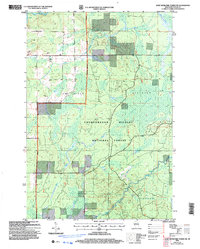 2005 Jump River Fire Tower SW2006 Print · USGSTaylor County forest lands are captured here during the early 2000s, showcasing a landscape defined by the Forest Service. Researchers can trace the winding paths of the Jump River and Yellow River or locate the boundaries of Kidby Swamp.
 - 2005 Map of Perkinstown, 2006 Print
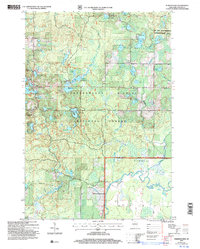 2005 Perkinstown2006 Print · USGSThe Taylor County woods and wetlands are captured here just after the turn of the millennium, showing the intricate landscape of the Chequamegon Nicolet National Forest. Researchers can locate family roots at the Perkinstown Cem or trace the winding path of the Ice Age Interpretative Trail.
 - 2005 Map of Lublin NW, 2006 Print
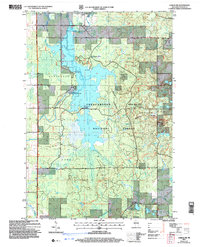 2005 Lublin NW2006 Print · USGSTaylor County's managed forest lands and river systems are shown here in the early 2000s, reflecting a landscape shaped by both water management and outdoor recreation. Trace the footprint of the Chippewa Flowage, the Miller Dam, and local settlements like Hughey.
 - 2005 Map of Lublin, 2006 Print
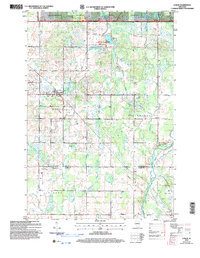 2005 Lublin2006 Print · USGSTaylor and Clark counties meet here in the early 2000s, where the national forest gives way to rural townships and river headwaters. Researchers can trace local heritage through sites like St Marys Cem, Lublin, and the Diamond Lake Recreation Area.
 - 2011 Map of Lublin NW, 2011 Print
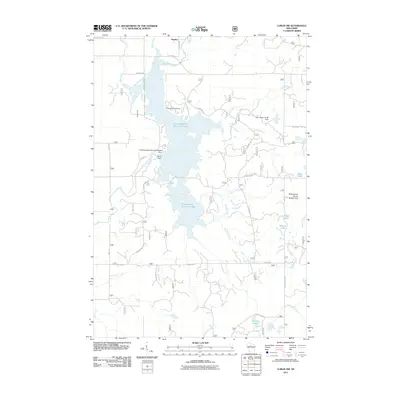 2011 Lublin NW2011 Print · USGSTaylor County recreation and rural life are captured here in the early twenty-first century as the Chequamegon Waters Flowage expands across the terrain. Trace the development of local landmarks like Miller Dam, the Perkinstown Winter Sports Area, and the settlement of Hughey.
 - 2011 Map of Lublin, 2011 Print
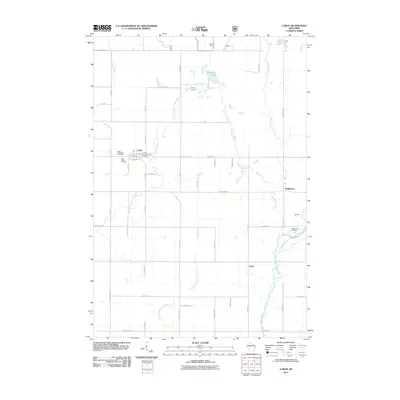 2011 Lublin2011 Print · USGSThe village of Lublin and the surrounding Taylor County countryside are captured here in the early twenty-first century. Genealogists can trace family roots through several local landmarks, including the Holy Assumption Orthodox Cemetery, Maplehurst Cemetery, and the Tomczyk Pit.
 - 2011 Map of Jump River Fire Tower, 2011 Print
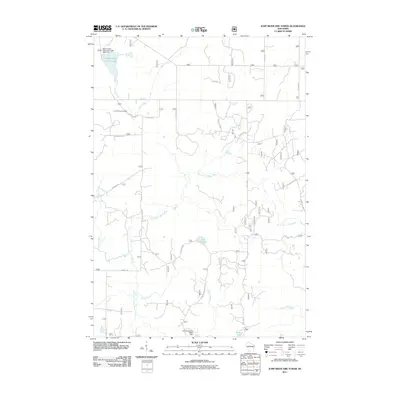 2011 Jump River Fire Tower2011 Print · USGSThis Taylor County landscape was surveyed in 2011, documenting a vital region of the Wisconsin Northwoods defined by forestry and water management. Researchers can locate the Jump River Fire Tower and trace the Steve Creek Water Fowl 2WP 1669 Dam and Lost Lake.
 - 2011 Map of Lublin SE, 2011 Print
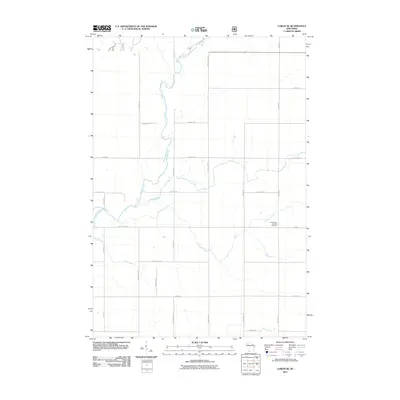 2011 Lublin SE2011 Print · USGSTaylor County's rural landscape is captured here during the early 2000s, showing a meticulously gridded countryside shaped by agriculture. Genealogists can locate Saint Marys Catholic Cemetery and trace family landmarks along the Black River and Trappers Creek.
 - 2011 Map of Jump River Fire Tower SW, 2011 Print
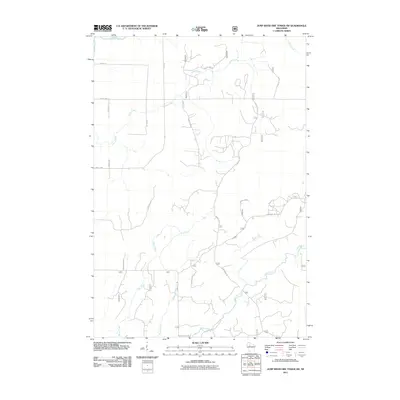 2011 Jump River Fire Tower SW2011 Print · USGSNorthern Wisconsin woodlands and river systems define this Taylor County landscape in the early 2000s. Trace the paths of Jump River and Yellow River alongside historic forestry routes like Sheep Ranch Rd and Hannibal Rd.
 - 2011 Map of Perkinstown, 2011 Print
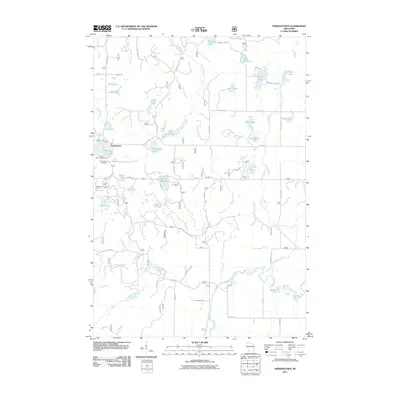 2011 Perkinstown2011 Print · USGSPerkinstown and the surrounding Taylor County forest lands are mapped here in the early twenty-first century. Genealogists and local historians can trace the area's rural character through the Perkinstown Cemetery, the Perkinstown Lookout Tower, and Kathryn Lake.
 - 2013 Map of Jump River Fire Tower SW, 2013 Print
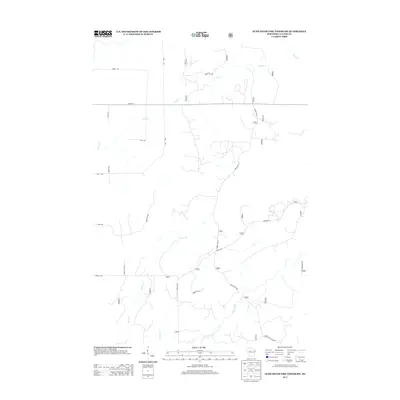 2013 Jump River Fire Tower SW2013 Print · USGSTaylor County forest lands are captured in the early 2010s, showing a transition of timber management and rural road networks. Researchers can trace land access via Sheep Ranch Rd and Cemetery Rd near the banks of the Yellow River.
Showing maps 1-25 of 48
Top cities near Grover
- Little Black historical maps
- Ogema historical maps
- Chelsea historical maps
- Westboro historical maps
- Gilman historical maps
- Maplehurst historical maps
See more
Top neighborhoods of Grover
Frequently asked questions
- What are the different types of historical maps available for Grover?
- What is the oldest map of Grover?
- Where can I purchase historical maps of Grover for my home or office?
- Where can I download high-res historical maps of Grover?
- Are there historical topographic maps available for Grover?
- Is there historical aerial imagery available for Grover?
- Where are historical maps of Grover sourced from?