Old Maps of Hartland, Wisconsin for Academic Research
Study the evolution of Hartland with 19 high-resolution historic maps. Whether you're teaching, researching, or modeling changes in land use, these maps provide essential visual documentation of urban, environmental, and geographic change.
- Analyze long-term change: Track patterns in development, transportation, and natural features.
- Ideal for environmental or urban studies: Support academic projects with primary historical map data.
- Use in the classroom or lab: Educators and researchers rely on these maps to bring historical context to life.
These maps are a powerful tool for teaching, research, and visualizing how Hartland has changed over the decades.
Hartland, WI maps
(19)- 1892 Map of Oconomowoc
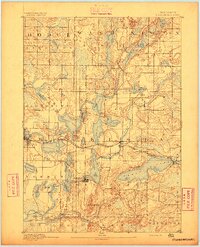 1892 Oconomowoc1892 Print · USGSWaukesha County's lake country is captured in the early 1890s, revealing a landscape defined by glacial waters and nascent rail lines. Researchers can trace the early development of Delafield and Hartland or locate old stops like Lakeside Station and Giffords.4 unique versions available
 - 1909 Map of Oconomowoc
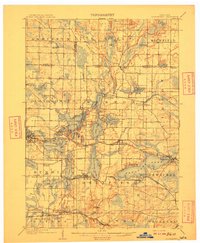 1909 Oconomowoc1909 Print · USGSThe Lake Country of Waukesha County is captured here at the height of its early resort era. You can trace family roots in Oconomowoc, locate the historic Nashotah Mission, and find long-lost stops like Waukesha Beach and Lakeside Sta.6 unique versions available
 - 1957 Map of Madison, 1967 Print
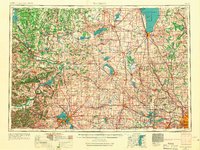 1957 Madison1967 Print · USGSSouth-central Wisconsin in the mid-fifties reveals a landscape of industrial hubs and glacial lakes linked by a dense rail and highway network. Genealogists and historians can trace the development of lakeside communities and find notable sites like Badger Ordnance Works and the Horicon National Wildlife Refuge.3 unique versions available
 - 1959 Map of Hartland, 1961 Print
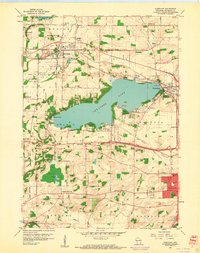 1959 Hartland1961 Print · USGSWaukesha County during the late fifties shows a landscape of glacial lakes and growing lakeside communities. Genealogists and local historians can trace family-named schools and rural parishes like Zion Sch, Bark River Cem, and Little Tabernacle Ch.4 unique versions available
 - 1959 Map of Hartland, 1961 Print
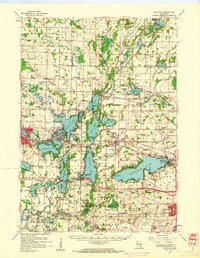 1959 Hartland1961 Print · USGSWaukesha County at the close of the 1950s shows a landscape defined by glacial lakes and a maturing rail network. Genealogists and historians can trace old community hubs like Stonebank and Merton, identifying local landmarks from St Olaf Ch to University Lake Sch.
 - 1959 Map of Merton, 1961 Print
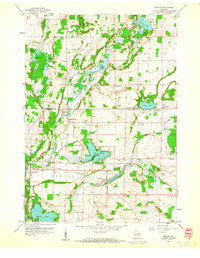 1959 Merton1961 Print · USGSThe glacial lakelands of Waukesha and Washington Counties are shown in the late 1950s as quiet rural communities began to evolve. Genealogists and historians can trace family locations near Holy Hill, the village of Merton, and numerous historic sites like St Johns Cemetery and Center Oak School.4 unique versions available
 - 1960 Map of Madison
 1960 Madison1960 Print · USGSCentral and Southern Wisconsin are captured in the late fifties, showing the region as its rail-and-river network matured. Trace the paths of the Soo Line RR or locate family roots near Lake Mendota and Horicon National Wildlife Refuge.2 unique versions available
 - 1984 Map of Oconomowoc, 1985 Print
 1984 Oconomowoc1985 Print · USGSSoutheast Wisconsin in the mid-eighties shows a landscape defined by its glacial heritage and expanding metropolitan corridors. Genealogists and historians can trace the development of lakeside communities like Oconomowoc and Pewaukee, or find established settlements such as Watertown and Beaver Dam.
 - 1991 Map of Oconomowoc
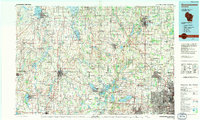 1991 Oconomowoc1991 Print · USGSSoutheastern Wisconsin in the early nineties shows a landscape of glacial lakes and growing suburbs. Trace local history through Aztalan State Park, Carroll College, and the sprawling Horicon Marsh State Wildlife Area.
 - 2010 Map of Merton, 2010 Print
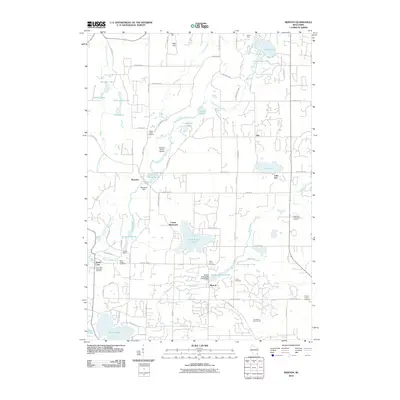 2010 Merton2010 Print · USGSSoutheastern Wisconsin’s glacial terrain comes alive in this survey of the lake country around Merton and Monches. Genealogists can trace family roots at Saint Johns Cemetery or Union Cemetery, while historians can locate the Merton Rolling Mill E-4528 Dam.
 - 2010 Map of Hartland, 2010 Print
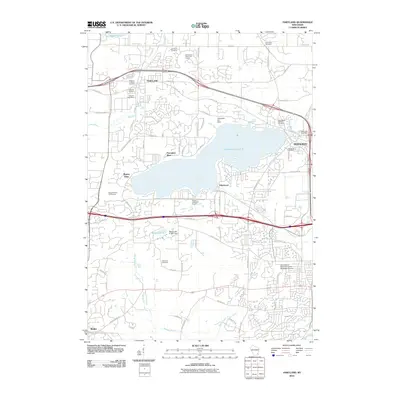 2010 Hartland2010 Print · USGSWaukesha County at the turn of the decade shows a landscape where historic lakeside communities have grown into a suburban corridor. Researchers can trace local heritage through Tabernacle Cemetery, the Pewaukee Post Office, and the Bark River drainage.
 - 2013 Map of Merton, 2013 Print
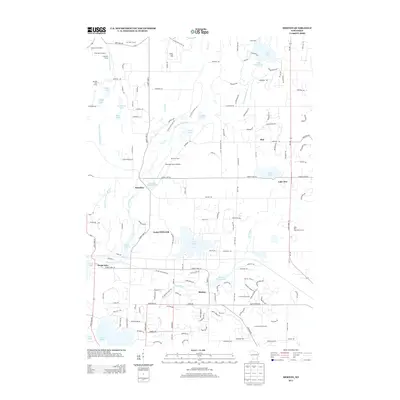 2013 Merton2013 Print · USGSSoutheastern Wisconsin's glacial lake country is meticulously detailed here in the early twenty-first century. Researchers can locate family-named farms like Hill View Farms or trace water-powered history at Merton Millpond 26 and Funks Millpond.
 - 2013 Map of Hartland, 2013 Print
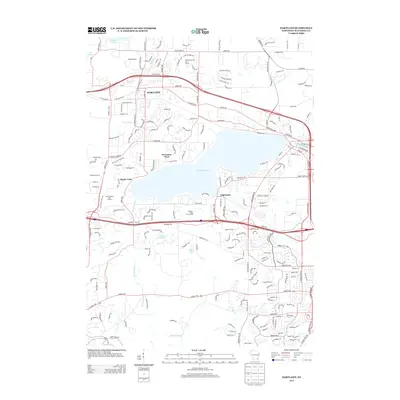 2013 Hartland2013 Print · USGSThe Lake Country region of Waukesha County is shown here in its modern era, shaped by glacial waters and suburban expansion. Genealogists and local historians can trace the development of residential neighborhoods around Pewaukee Lake, the Bark River corridor, and the historic village of Hartland.
 - 2015 Map of Merton, 2015 Print
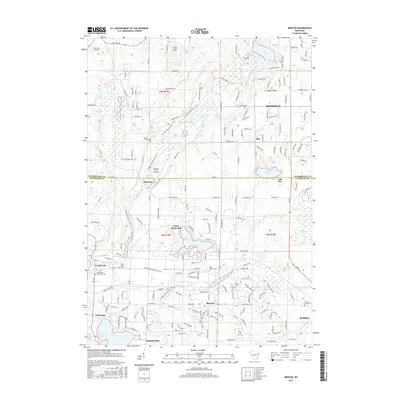 2015 Merton2015 Print · USGSThe glacial terrain along the Washington and Waukesha county line in 2015 remains defined by its kettle lakes and river valleys. Researchers can trace local history through historic cemeteries like Saint Johns Cem and the millponds at Monches and Merton.
 - 2015 Map of Hartland, 2015 Print
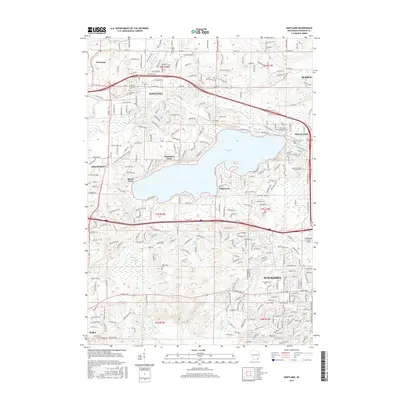 2015 Hartland2015 Print · USGSWaukesha County at the start of the twenty-first century reveals a landscape of growing suburban centers and preserved glacial features. Researchers can trace local heritage through sites like Tabernacle Cemetery, the Ice Age National Scenic Trail, and the shores of Pewaukee Lake.
 - 2018 Map of Hartland, 2018 Print
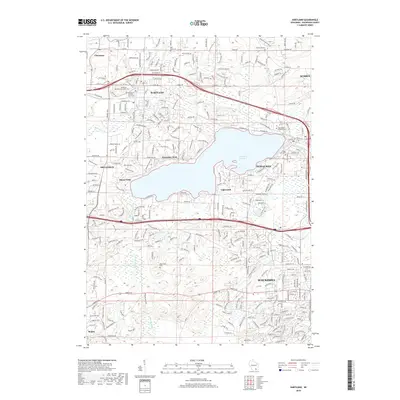 2018 Hartland2018 Print · USGSWaukesha County transitions from lakeside communities to suburban stretches in the late 2010s. Genealogists and historians can trace family plots at Tabernacle Cemetery or navigate the shorelines of Pewaukee Lake and Etter Lake.
 - 2018 Map of Merton, 2018 Print
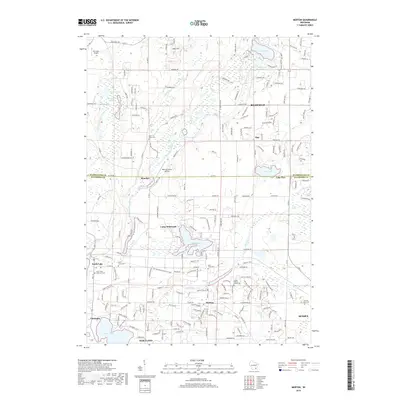 2018 Merton2018 Print · USGSThe glacier-carved landscape of southeastern Wisconsin comes into focus here in the late 2010s. Researchers can trace historic cemeteries and small crossroads like Monches and Plat, or locate family-named landmarks like McConville Lake and Saint Johns Cem.
 - 2022 Map of Merton, 2022 Print
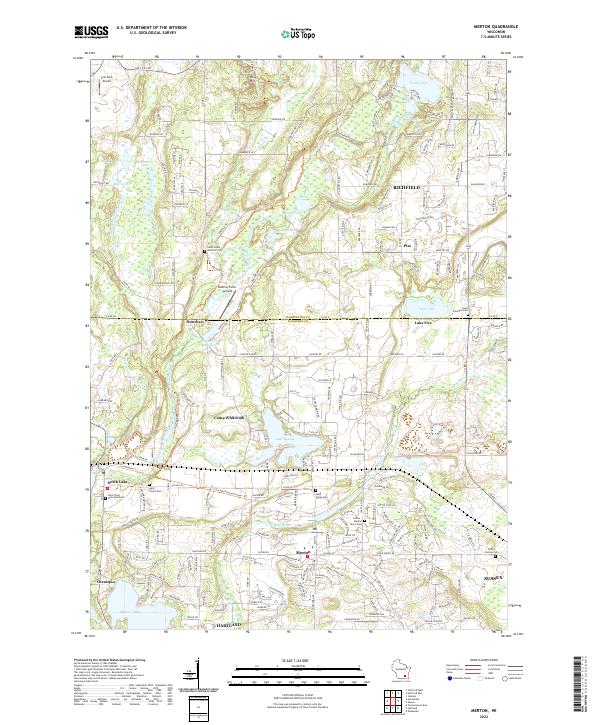 2022 Merton2022 Print · USGSWaukesha County's kettle moraine landscape is shown here in the early 2020s, featuring the interconnected river systems and lakes of Merton and Richfield. Researchers can trace local heritage through the Ice Age National Scenic Trail and sites like Saint Columba Cem and Monches Millpond 38.
 - 2022 Map of Hartland, 2022 Print
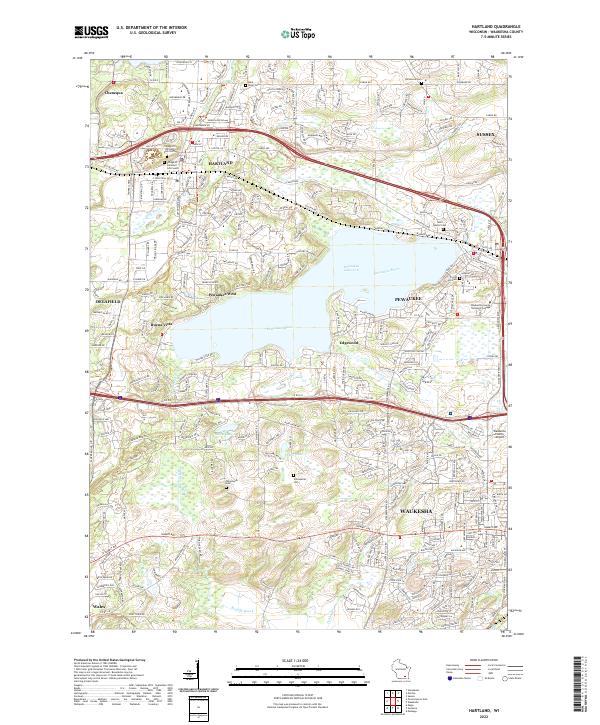 2022 Hartland2022 Print · USGSWaukesha County at the start of the 2020s shows a landscape of established lakeside communities and modern infrastructure. Researchers can locate numerous local burial sites like Tabernacle Cem and Schoenstatt Cem or trace the developed shores of Pewaukee Lake.
End of results
Showing maps 1-19 of 19
Top cities near Hartland
- Waukesha historical maps
- Brookfield historical maps
- New Berlin historical maps
- Menomonee Falls historical maps
- Muskego historical maps
- Germantown historical maps
See more
Top neighborhoods of Hartland
- Four Winds historical maps
- Mary Hill historical maps
- River Reserve historical maps
- The Tradition of Hartland historical maps
- Lake Country Meadows historical maps
Frequently asked questions
- What are the different types of historical maps available for Hartland?
- What is the oldest map of Hartland?
- Where can I purchase historical maps of Hartland for my home or office?
- Where can I download high-res historical maps of Hartland?
- Are there historical topographic maps available for Hartland?
- Is there historical aerial imagery available for Hartland?
- Where are historical maps of Hartland sourced from?