Old Maps of Hiles, Wisconsin for Metal Detecting
Plan your next treasure hunt with 31 historic maps of Hiles. Find old homesites, ghost towns, trails, and gathering spots that may be lost to time — perfect for identifying promising metal detecting locations.
- Locate forgotten sites: Uncover places like long-lost settlements, abandoned rail lines, or gathering spots.
- Plan better hunts: Use map overlays combined with LiDAR or satellite views to narrow in on historically rich areas.
- Made for detectorists: Thousands of hobbyists use these maps to discover relics, coins, and hidden history.
Use these historic maps to boost your research and find new opportunities beneath the surface of Hiles.
Hiles, WI maps
(31)- 1953 Map of Eau Claire, 1965 Print
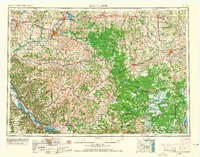 1953 Eau Claire1965 Print · USGSWest-central Wisconsin in the mid-fifties shows a landscape of river-valley industry and vast wildlife refuges during the transition from rails to modern highways. Genealogists and historians can trace the rail corridors of the Chicago and North Western or locate family-named landmarks like Decorah Mound and Chippewa Island.4 unique versions available
 - 1957 Map of Pittsville, 1959 Print
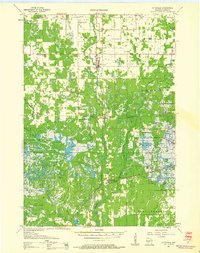 1957 Pittsville1959 Print · USGSWood County in the late fifties was a specialized landscape of marshland agriculture and remote rural outposts. Genealogists and historians can trace family-named schools like Wallace Sch, find the Babcock Cem, and locate the expansive Cranberry Bogs.2 unique versions available
 - 1957 Map of City Point, 1960 Print
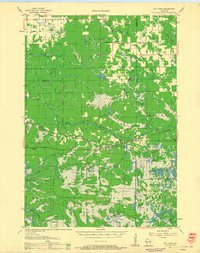 1957 City Point1960 Print · USGSJackson and Clark Counties are shown here in the late fifties, dominated by the timber and cranberry industries of the Central Wisconsin Sand County. Genealogists and historians can locate rural landmarks like Audubon Sch, Martyrs Cem, and the old rail siding at Spaulding.2 unique versions available
 - 1958 Map of Eau Claire
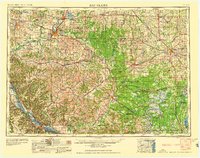 1958 Eau Claire1958 Print · USGSWestern Wisconsin in the late fifties shows a landscape of growing regional hubs and massive wildlife refuges. Trace the rail lines of the Chicago and North Western between Eau Claire and Marshfield, or explore the terrain around Iron Mound and Lake Wissota.
 - 1964 Map of Eau Claire
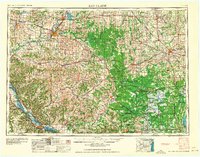 1964 Eau Claire1964 Print · USGSWest-central Wisconsin in the mid-1960s was a hub of river-driven industry and expanding rail networks. Researchers can trace historic homesteads near Menomonie, follow the Soo Line RR through Marshfield, or explore the grounds of the Camp McCoy Military Reservation.
 - 1967 Map of Pittsville, 1969 Print
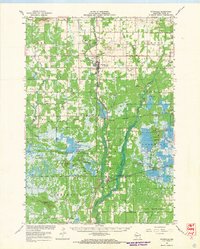 1967 Pittsville1969 Print · USGSWood County in the late sixties shows a unique landscape of managed wetlands and cranberry production. Genealogists and local historians can trace family sites near Pittsville, find the Cranmoor Sch, or locate cemeteries like St Johns Cem and Babcock Cem.2 unique versions available
 - 1970 Map of City Point NE, 1972 Print
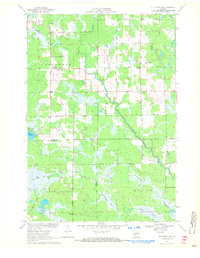 1970 City Point NE1972 Print · USGSThe Wood County marshlands and the settlement of Sherwood are captured here in the early 1970s. Researchers can trace the drainage of Ammundson Marsh or locate the Cranberry Bog and Sherwood Lake recreation area.2 unique versions available
 - 1970 Map of City Point, 1972 Print
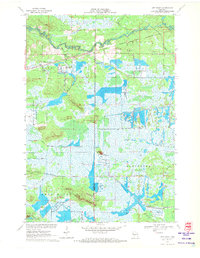 1970 City Point1972 Print · USGSWood County’s cranberry country and rail history are well-preserved here in the early seventies, centered on the junction at City Point. Researchers can trace the legacy of local families through the Martyrs Cem City Point Cem and the complex drainage of the Remington Ditch and Bissig Ditch.3 unique versions available
 - 1984 Map of Pittsville
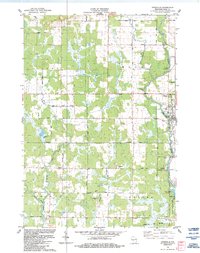 1984 Pittsville1984 Print · USGSPittsville and the surrounding Wood County countryside are captured here in the mid-1980s as the regional rail-and-river economy matured. Genealogists and local historians can trace family locations near Veedum, St Joachims Cem, and the banks of the Yellow River.
 - 1984 Map of Quail Point Flowage
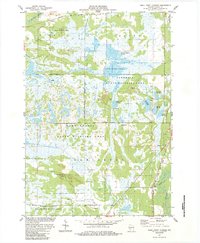 1984 Quail Point Flowage1984 Print · USGSWood County was a landscape of managed wetlands and conservation at the dawn of the 1980s. Local researchers can trace the rail corridors of the Green Bay and Western, locate the Lookout Tower on South Bluff, and explore the marshes around Scranton.
 - 1985 Map of Black River Falls
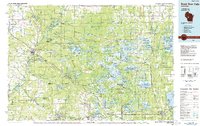 1985 Black River Falls1985 Print · USGSCentral Wisconsin in the mid-1980s is defined by its sprawling wildlife refuges and the winding Black River corridor. Genealogists and researchers can trace rural settlements like Millston and Warrens or locate historical sites such as the Iron Mine and the grounds of Fort McCoy.2 unique versions available
 - 2010 Map of City Point NE, 2010 Print
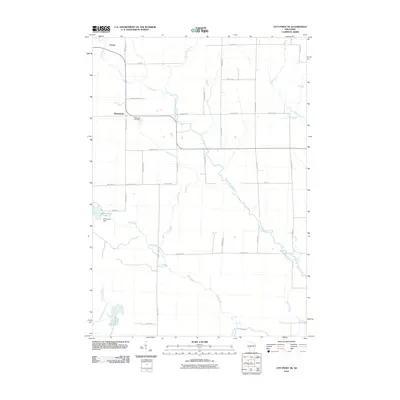 2010 City Point NE2010 Print · USGSSherwood and Nevins are documented here in the early twenty-first century, showcasing a rural Wisconsin landscape tied to the East Fork Black River. Researchers can trace local history at the Sherwood Cemetery or locate landmarks like Sherwood Dam and Sherwood Lake 15.
 - 2010 Map of Quail Point Flowage, 2010 Print
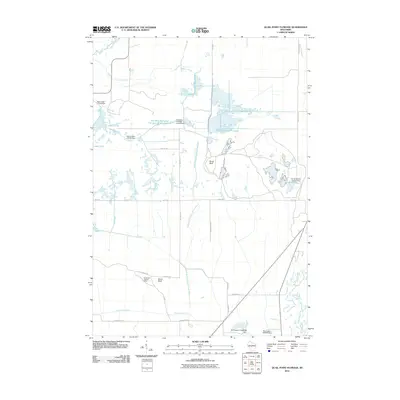 2010 Quail Point Flowage2010 Print · USGSWisconsin’s wetland management systems are on full display in this 2010 survey of Wood County’s flowages and bluffs. Researchers can trace the engineering of the Gallagher Flowage Controls Dam or locate the historic South Bluff Lookout Tower positioned near the Remington Ditch.
 - 2010 Map of City Point, 2010 Print
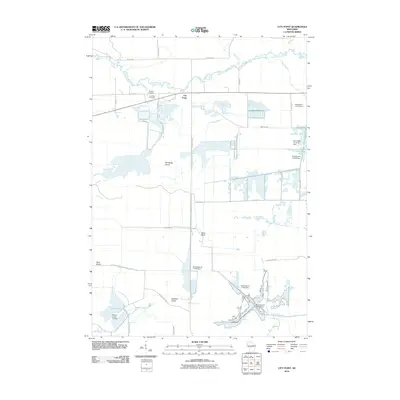 2010 City Point2010 Print · USGSCity Point and the surrounding Jackson County wetlands are captured here in the early twenty-first century, showing a landscape shaped by water and wood. Researchers can trace local lineage at Martyrs Cemetery or explore the network of dams and canals including Remington Ditch and Van Tassle Island.
 - 2010 Map of Pittsville, 2010 Print
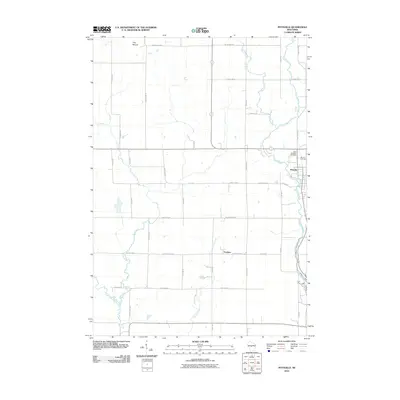 2010 Pittsville2010 Print · USGSPittsville and the surrounding Wood County countryside are captured here in the early twenty-first century as a landscape of river bends and rural crossroads. Local historians can trace family locations near Veedum, Saint Joachims Cemetery, and the Yellow River banks.
 - 2013 Map of Quail Point Flowage, 2013 Print
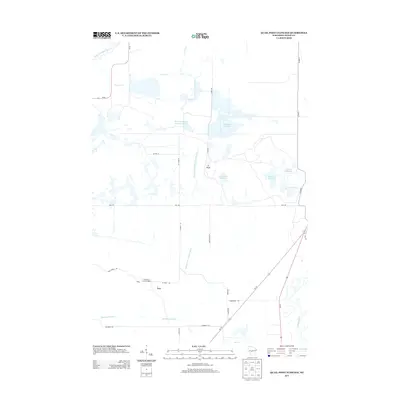 2013 Quail Point Flowage2013 Print · USGSThis Wood County landscape at the start of the 2010s reveals a complex network of wetlands and water management systems. Researchers can trace the drainage of Remington Ditch and locate the South Bluff Lookout Tower overlooking Quail Point Flowage and Bullgrass Flowage.
 - 2013 Map of City Point NE, 2013 Print
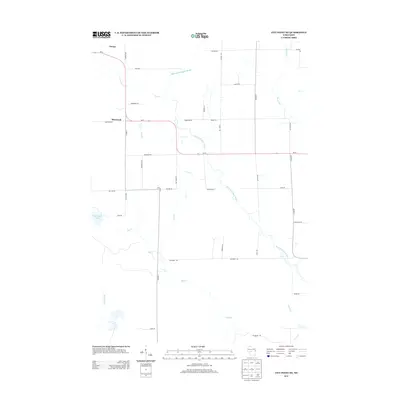 2013 City Point NE2013 Print · USGSSherwood and the surrounding Clark County wetlands are captured here in the early twenty-first century as the landscape remains defined by its glacial waterways. Genealogists and local historians can trace family-named routes like Accola Rd and Niemann Rd near Sherwood Lake and the East Fork Black River.
 - 2013 Map of City Point, 2013 Print
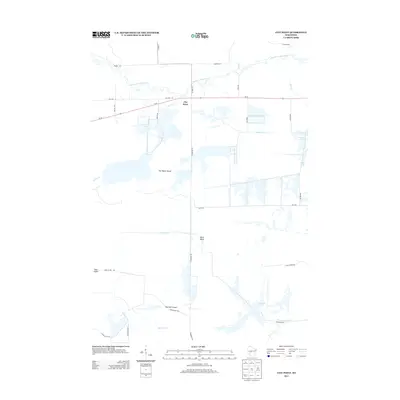 2013 City Point2013 Print · USGSJackson County's wetland landscape is captured here in the early twenty-first century, centered on the small community of City Point. Genealogists and local historians can trace family-named landmarks like Van Tassle Island and Ketchum Island among a complex network of drainage works including Weisner Ditch.
 - 2013 Map of Pittsville, 2013 Print
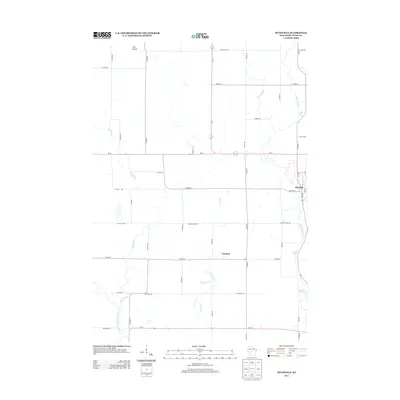 2013 Pittsville2013 Print · USGSPittsville and the surrounding Wood County countryside are captured here in the early twenty-first century as the landscape balances its rural roots with modern development. Genealogists can trace family holdings near Veedum, Cary Mound, or along the banks of the Yellow River.
 - 2015 Map of Pittsville, 2015 Print
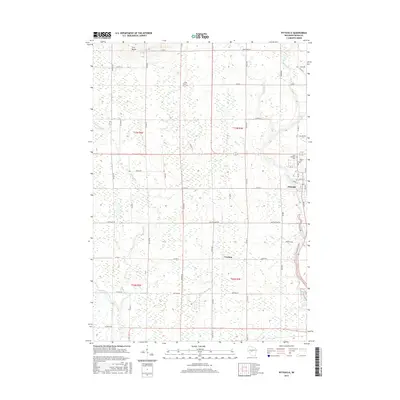 2015 Pittsville2015 Print · USGSPittsville and the surrounding Wood County wetlands are captured here in the mid-2010s, centered on the Yellow River valley. Researchers can locate local landmarks like Mound Cem, the community of Veedum, and the namesake falls at Little Bull Falls.
 - 2015 Map of City Point NE, 2015 Print
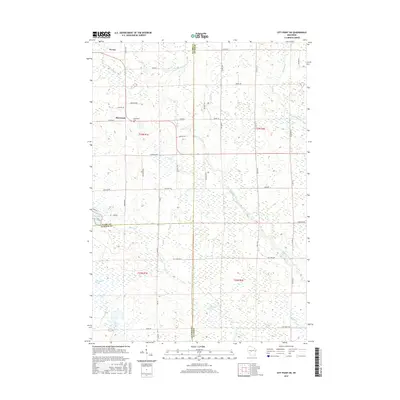 2015 City Point NE2015 Print · USGSSherwood and the surrounding tri-county marshes are documented here during the mid-2010s. Genealogists and local historians can trace family-named roads like Baltus Rd and locate the Sherwood Cem near the East Fork Black River.
 - 2015 Map of City Point, 2015 Print
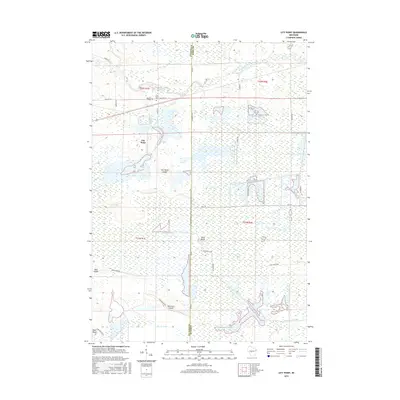 2015 City Point2015 Print · USGSCity Point and the surrounding marshes of the Jackson-Wood county line are shown here as they appeared in the early twenty-first century. Researchers can trace the extensive drainage network of the Weisner Ditch or locate local burial sites like City Point Cem and Martyrs Cem.
 - 2015 Map of Quail Point Flowage, 2015 Print
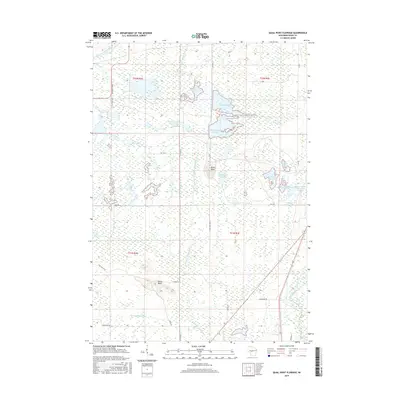 2015 Quail Point Flowage2015 Print · USGSWisconsin’s central wetlands are meticulously documented in this mid-2010s survey of Wood County. Researchers can trace the complex water systems of Quail Point Flowage, North Bluff, and family-named routes like Olson-Swanson Ln.
 - 2018 Map of City Point NE, 2018 Print
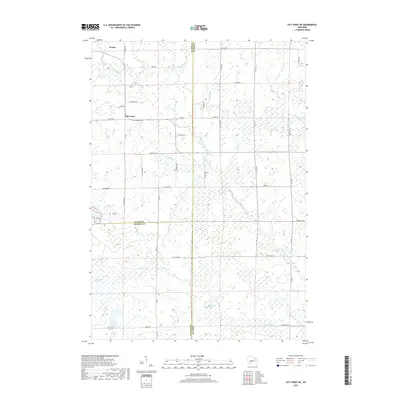 2018 City Point NE2018 Print · USGSThe tri-county border area of Clark, Wood, and Jackson counties is captured here in the late twenty-teens, showing a landscape defined by expansive wetlands. Genealogists and local historians can locate Sherwood, Nevins, and the Sherwood Cem.
 - 2018 Map of City Point, 2018 Print
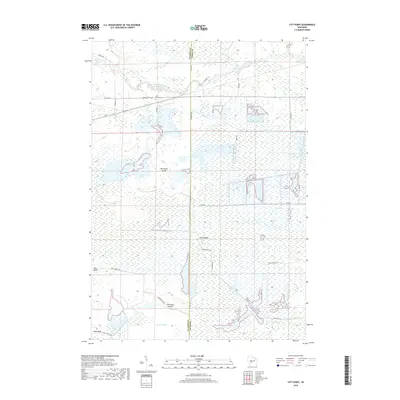 2018 City Point2018 Print · USGSWisconsin’s cranberry and marsh country is documented here in the late 2010s at the Jackson and Wood county line. Researchers can trace local burials at Martyrs Cem and City Point Cem or explore the network of waterways like Bissig Ditch and the East Fork Black River.
Showing maps 1-25 of 31
Top cities near Hiles
- Pittsville historical maps
- Lynn historical maps
- Granton historical maps
- Arpin historical maps
- Sherwood historical maps
- City Point historical maps
See more
Frequently asked questions
- What are the different types of historical maps available for Hiles?
- What is the oldest map of Hiles?
- Where can I purchase historical maps of Hiles for my home or office?
- Where can I download high-res historical maps of Hiles?
- Are there historical topographic maps available for Hiles?
- Is there historical aerial imagery available for Hiles?
- Where are historical maps of Hiles sourced from?