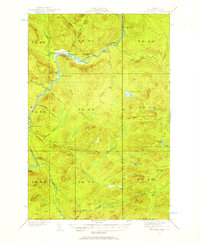
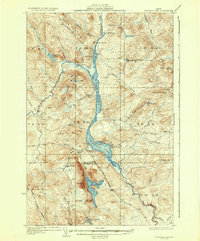
1932 Map of Allagash Falls
USGS Topo · Published 1957About this map
The Allagash River defines this northern Maine wilderness during the early 1930s, serving as the primary artery for a region dominated by logging and isolated outposts. Mapping the river's course reveals significant natural landmarks like Allagash Falls and Mc Gargle Rocks, which dictated the movement of people and timber through the townships. The presence of Michaud Farm and Moores Farm suggests a landscape where small-scale agriculture supported remote operations, while numerous camps such as Cunliffe Depot Camp and Joe Martins Camp indicate a seasonal or transient workforce established deep in the woods.
Find a feature on this map
44 named features on this map. Tap any name to fly to it.
Don’t see what you’re looking for? This feature index may not catch every label — zoom into the map to look around manually.
Map Details
Editions of this 1932 Allagash Falls Map
4 editions found
Other maps of this area
1930 · Allagash
USGS Topo · 1:48,000
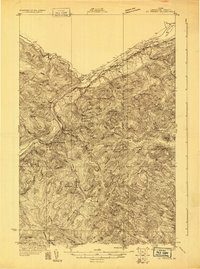
1930 · St Francis
USGS Topo · 1:48,000
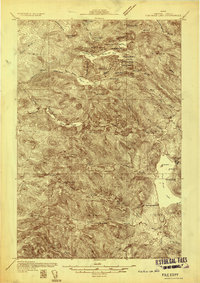
1931 · Fish River Lake
USGS Topo · 1:48,000
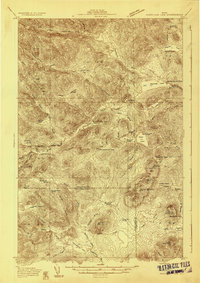
1931 · Mooseleuk Lake
USGS Topo · 1:48,000
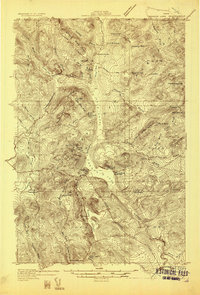
1932 · Umsaskis Lake
USGS Topo · 1:48,000
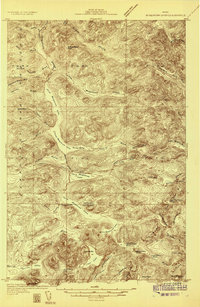
1932 · Musquacook Lakes
USGS Topo · 1:48,000
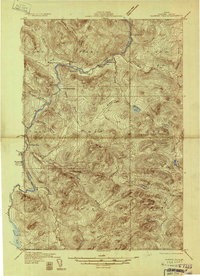
1932 · Allagash Falls
USGS Topo · 1:48,000
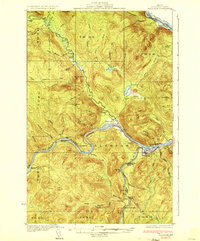
1933 · Allagash
USGS Topo · 1:62,500
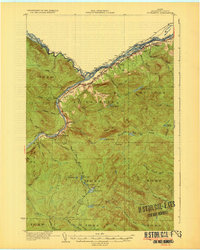
1933 · St Francis
USGS Topo · 1:62,500
1935 · Umsaskis Lake
USGS Topo · 1:62,500